

Sternschanze (Hamburg) Travel Guide - Free
Explore Sternschanze in Hamburg with Evendo's free guide. Find the best shops, historic streets, restaurants, and gems on web or mobile.


Sternschanze in Hamburg blends alternative culture, the Rote Flora, Schanzenpark, lively cafés, street food, independent shops and late-night bars.
Streets, Parks and Everyday Life
Sternschanze occupies a compact, densely built area west of Hamburg’s central districts, where the streets around Schulterblatt, Susannenstrasse and Schanzenstrasse form the neighbourhood’s social and commercial core. Its identity is closely linked with the wider Schanzenviertel, although the names are not always used precisely: Sternschanze is the official Hamburg quarter, while Schanzenviertel can refer to a broader cultural area extending into adjacent districts. Here, late nineteenth- and early twentieth-century buildings frame narrow streets filled with cafés, restaurants, small shops and bars, while Sternschanzenpark provides a welcome stretch of greenery beside the railway lines.Read more about Sternschanze
Alternative Culture and Local History
Food, Nightlife and Street Character
Best attractions in Sternschanze
Sternschanze’s attractions are closely tied to its streetscape and cultural history rather than to a large collection of formal museums. The Rote Flora on Schulterblatt is the neighbourhood’s most recognisable site, a former theatre whose occupied façade represents Hamburg’s autonomous cultural and political scene. Nearby Sternschanzenpark offers lawns, mature trees and a different pace from the surrounding restaurant streets, while the route between the park, Sternschanze station and Schulterblatt reveals the quarter’s mixture of late nineteenth-century housing, railway edges, murals and converted commercial premises. Schanzenstrasse is worth exploring for its industrial character and changing urban landscape, and the smaller streets around Susannenstrasse provide cafés, independent businesses and everyday local activity. The neighbourhood is particularly rewarding for visitors interested in urban culture, alternative spaces and the social history of changing inner-city districts.
-
Tourist attraction
Schanzenpark
Discover the beauty of Schanzenpark, a stunning state park in Hamburg, where nature and tranquility converge for a perfect escape.
8 min walk · 0.7 km from neighbourhood centre
-
Tourist attraction
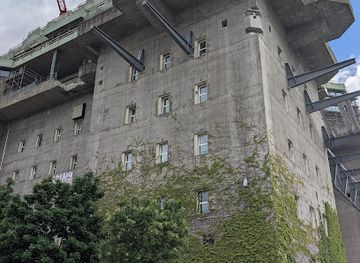
Feldstraße Bunker (Flakturm IV)
Explore Hamburg's Feldstraße Bunker, a historical landmark blending wartime history with contemporary culture and vibrant community events.
10 min walk · 0.8 km from neighbourhood centre
-
Tourist attraction
Flora Park
Explore Flora Park, a peaceful haven in Hamburg filled with beautiful gardens, serene lakes, and art installations, perfect for relaxation and leisure.
1 min walk · 0.1 km from neighbourhood centre
-
Tourist attraction
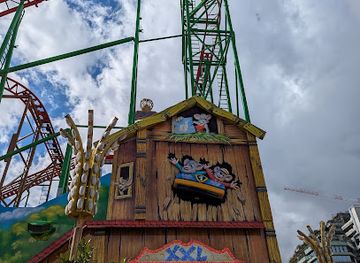
Heiligengeistfeld
Explore Heiligengeistfeld, Hamburg's vibrant open space known for its thrilling fairs, cultural events, and lively atmosphere year-round.
13 min walk · 1.0 km from neighbourhood centre
Best landmarks in Sternschanze
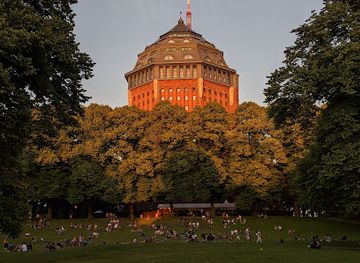
The Rote Flora is Sternschanze’s defining landmark: the ornate former Flora-Theater façade on Schulterblatt contrasts sharply with its present role as an autonomous cultural and political centre. Sternschanze station is another important physical marker, representing the railway infrastructure that helped drive the quarter’s nineteenth-century urban growth. At the edge of the park, the historic water tower in Sternschanzenpark is a prominent reminder of Hamburg’s former municipal water infrastructure; its reuse as a hotel means that access and interior viewing depend on the operating property rather than functioning as a conventional public monument. Around these sites, the late nineteenth- and early twentieth-century apartment buildings, workshops and converted industrial structures are significant as a group, preserving the dense urban setting in which Sternschanze’s social history developed.
-
Beer hall
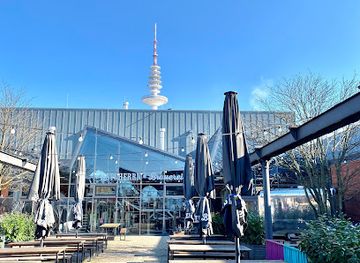
Altes Mädchen Ratsherrn Braugasthaus Hamburg
Experience Hamburg's vibrant craft beer culture at Altes Mädchen, a Ratsherrn Braugasthaus offering a wide selection of local and international brews paired with hearty German cuisine.
5 min walk · 0.4 km from neighbourhood centre
-
State park
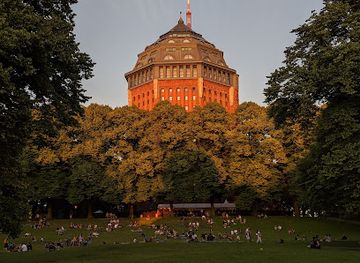
Schanzenpark
Discover Schanzenpark in Hamburg: A vibrant green oasis in the heart of Sternschanze, blending history, recreation, and culture for an unforgettable urban escape.
8 min walk · 0.7 km from neighbourhood centre
-
Historical landmark
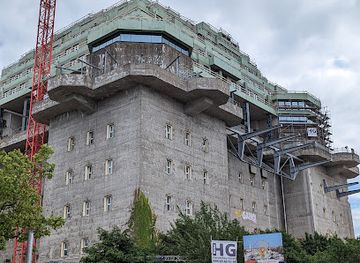
Feldstraße Bunker (Flakturm IV)
Explore Hamburg's history and innovation at the Feldstraße Bunker, a transformed WWII landmark featuring a rooftop garden, cultural venues, and creative spaces in the heart of St. Pauli.
10 min walk · 0.8 km from neighbourhood centre
-
State park
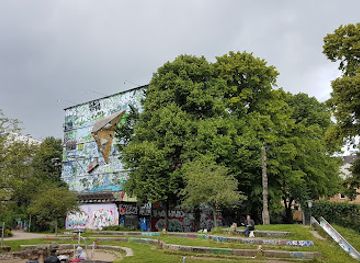
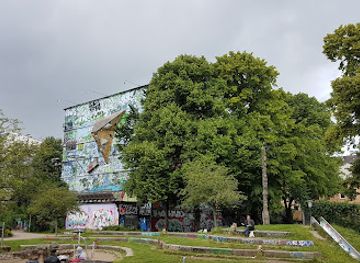
Flora Park
Discover Flora Park in Hamburg: A unique blend of nature, history, and alternative culture in the heart of Sternschanze, featuring gardens, art, and the Kilimanschanzo climbing wall.
1 min walk · 0.1 km from neighbourhood centre
Explore Sternschanze on the map
A handpicked selection of must-see spots in Sternschanze, mapped for you.
Best hotels in Sternschanze
Best restaurants in Sternschanze
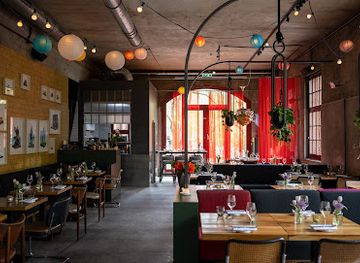
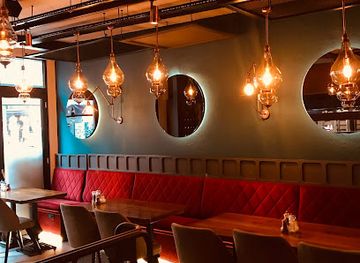
Eating in Sternschanze reflects Hamburg’s cosmopolitan inner-city culture and the quarter’s long association with independent businesses. The streets around Schulterblatt, Susannenstrasse and Schanzenstrasse offer a broad mix of casual restaurants, cafés, bakeries, takeaway counters and bars serving food, with international cuisines standing alongside contemporary interpretations of familiar German dishes. Outdoor tables and compact interiors make the area feel informal, while the former industrial premises around Schanzenstrasse have provided space for larger restaurants and food-focused businesses. Bullerei, in the Lagerstrasse area, is one of the better-known dining names associated with the wider Sternschanze setting, although the neighbourhood’s appeal is not dependent on a single venue. Visitors should expect busy service at popular times and should distinguish the immediate quarter from adjacent St Pauli and Karolinenviertel, whose dining scenes overlap geographically and culturally.
-
Restaurant
Bullerei
Discover Bullerei: Hamburg's premier dining destination offering exquisite cuisine and an unforgettable atmosphere.
4 min walk · 0.3 km from neighbourhood centre
-
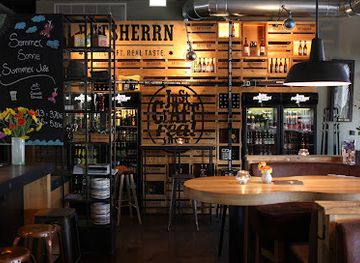
Beer hall
Altes Mädchen Ratsherrn Braugasthaus Hamburg
Immerse yourself in Hamburg's vibrant beer culture at Altes Mädchen Ratsherrn Braugasthaus – where tradition meets taste.
5 min walk · 0.4 km from neighbourhood centre
-
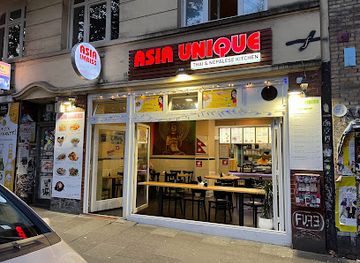
Asian
Asia Unique
Discover authentic Thai flavors at Asia Unique in Hamburg - a must-visit destination for Asian cuisine enthusiasts.
2 min walk · 0.2 km from neighbourhood centre
-
Turkish
Pamukkale Köz Schanze
Discover authentic Turkish flavors at Pamukkale Köz Schanze in Hamburg's Altona district—where every dish tells a story.
1 min walk · 0.1 km from neighbourhood centre
Best bars in Sternschanze
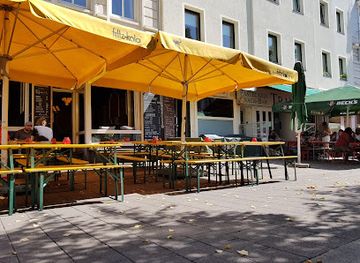
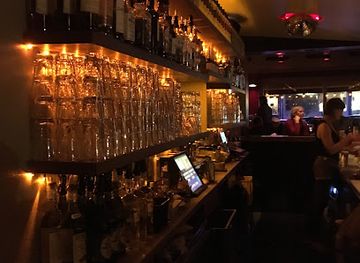
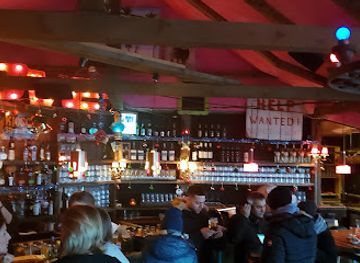
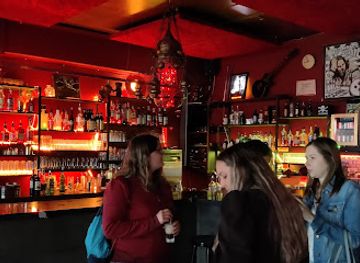
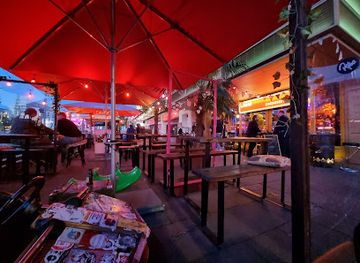
Sternschanze has a concentrated evening scene rather than a district dominated by large nightclubs. Bars, pubs and late-opening cafés cluster around Schulterblatt, Susannenstrasse and the streets leading towards Schanzenstrasse, drawing a mix of local residents, students, creative workers and visitors. Venues such as Haus 73 contribute to the area’s informal cultural nightlife, while the Astra Stube, at the edges of the wider neighbourhood scene, is associated with small-scale live music and alternative programming. The Rote Flora also hosts cultural and political events, though it should not be treated as a conventional club or tourist venue. Evenings are generally social and busy, with outdoor tables and pavement gatherings shaping the atmosphere; noise and crowded footways are therefore part of the experience, especially at weekends.
-
Bar
Katze
Experience the vibrant nightlife of Hamburg at Katze, a trendy bar offering unique cocktails and a lively atmosphere in the heart of Altona.
1 min walk · 0.1 km from neighbourhood centre
-
Bar
GoldFischGlas
Discover Hamburg's GoldFischGlas, a quirky bar offering creative cocktails and a vibrant atmosphere in Altona.
2 min walk · 0.2 km from neighbourhood centre
-
Bar
Haus 73
Experience the lively nightlife at Haus 73, Hamburg's favorite bar and nightclub, where great music and delicious drinks await.
1 min walk · 0.1 km from neighbourhood centre
-
Bar
Dschungel - Hamburg
Dschungel in Hamburg: A vibrant bar experience with exotic decor and delicious cocktails, perfect for unwinding and socializing.
6 min walk · 0.5 km from neighbourhood centre
Best nightclubs in Sternschanze
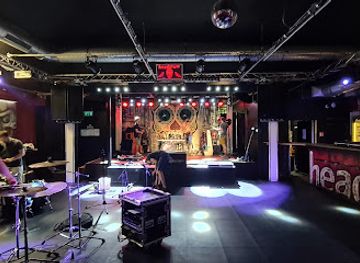
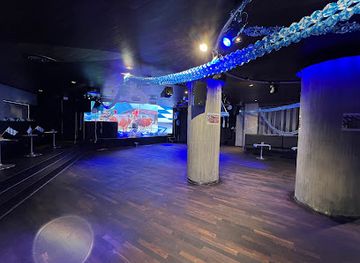
Sternschanze has a concentrated evening scene rather than a district dominated by large nightclubs. Bars, pubs and late-opening cafés cluster around Schulterblatt, Susannenstrasse and the streets leading towards Schanzenstrasse, drawing a mix of local residents, students, creative workers and visitors. Venues such as Haus 73 contribute to the area’s informal cultural nightlife, while the Astra Stube, at the edges of the wider neighbourhood scene, is associated with small-scale live music and alternative programming. The Rote Flora also hosts cultural and political events, though it should not be treated as a conventional club or tourist venue. Evenings are generally social and busy, with outdoor tables and pavement gatherings shaping the atmosphere; noise and crowded footways are therefore part of the experience, especially at weekends.
-
Disco club
Headcrash
Discover Headcrash: Hamburg's Ultimate Disco Club, Where Music Meets Vibrant Nightlife and Unforgettable Experiences Await.
15 min walk · 1.2 km from neighbourhood centre
-
Night club
Summer Salon in the clubhouse
Experience the pulsating nightlife of Hamburg at Summer Salon, where live music, cocktails, and a vibrant beer garden await you.
17 min walk · 1.4 km from neighbourhood centre
-
Night club
KENT Club
KENT Club: Hamburg's Premier Nightclub for Dancing, Live Music, and Unforgettable Nights Out.
11 min walk · 0.8 km from neighbourhood centre
-
Disco club
Cave Club & Lounge
Experience the pulsating nightlife at Cave Club & Lounge, Hamburg's ultimate disco destination with electrifying music and vibrant atmosphere.
16 min walk · 1.3 km from neighbourhood centre

Best shops in Sternschanze
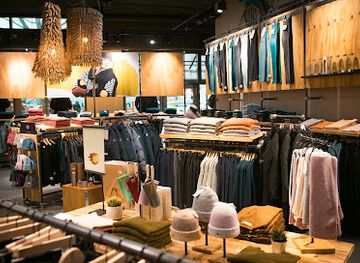
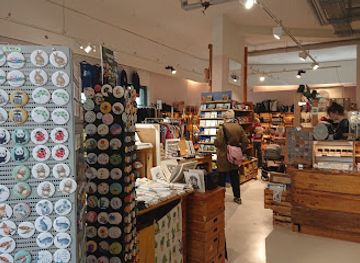
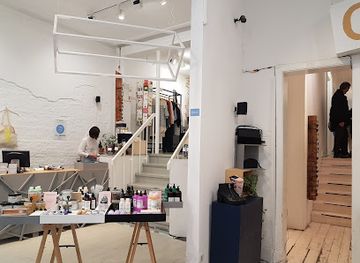
Shopping in Sternschanze is concentrated in small-scale independent retail rather than department stores or a single enclosed centre. Schulterblatt, Susannenstrasse and Schanzenstrasse contain fashion and lifestyle shops, book and record businesses, vintage clothing stores, design-led retailers and specialist food outlets mixed among cafés and restaurants. The offer changes over time, reflecting the same commercial pressures that have reshaped the wider quarter, so the streets are best understood as a living retail area rather than a fixed collection of souvenirs. Visitors may find second-hand clothing, locally oriented design goods, music and printed material, as well as everyday food shopping. The neighbourhood does not function primarily as a traditional market district; its shopping character comes from browsing individual premises and noticing how older commercial spaces coexist with newer independent businesses.
-
Clothing store
B A C K Y A R D - Hamburg Schanze
Discover unique fashion finds at BACKYARD - Hamburg Schanze, where creativity meets style in an unforgettable shopping experience.
3 min walk · 0.3 km from neighbourhood centre
-
Gift shop
All My Friends - Kreativkaufhaus
Discover unique gifts and local treasures at All My Friends - Kreativkaufhaus, a creative gift shop in Hamburg's vibrant Altona district.
3 min walk · 0.2 km from neighbourhood centre
-
Clothing store
Kauf Dich Glücklich Hamburg
Explore Kauf Dich Glücklich Hamburg for a unique selection of clothing and shoes that captures the essence of local fashion and style.
1 min walk · 0.1 km from neighbourhood centre
-
Boutique
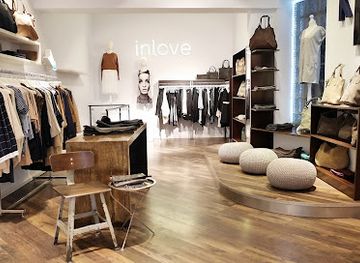
Inlove Schanzenviertel
Explore contemporary women's fashion at Inlove Schanzenviertel, a boutique in Hamburg offering a curated selection of stylish clothing and accessories.
3 min walk · 0.2 km from neighbourhood centre
Sternschanze essentials
Getting There
Getting Around
Safety
Emergency Situations
Do's and Don'ts
Local Tips

From Eve
Local phrases worth knowing
You don't need to get them perfect. A few words go a long way, and locals appreciate the effort.
Basics
| English | Local | Say it |
|---|---|---|
| Hello | Hallo | [ha-lo] |
| Goodbye | Auf Wiedersehen | [auf vi-der-se-hen] |
| Yes | Ja | [ya] |
| No | Nein | [nine] |
| Please/You're welcome | Bitte | [bi-te] |
| Thank you | Danke | [dan-ke] |
| Excuse me/Sorry | Entschuldigung | [ent-shul-di-gung] |
| How are you? | Wie geht es dir? | [vee geht es dir] |
| Fine. And you? | Gut. Und dir? | [gut. und dir] |
| Do you speak English? | Sprichst du Englisch? | [sprichst du eng-lish] |
| I don't understand | Ich verstehe nicht | [ih-ver-shte neekt] |
Eating & Drinking
| English | Local | Say it |
|---|---|---|
| I'd like to see the menu, please | Ich möchte bitte die Speisekarte sehen | [ih moekhte bi-te dee shpy-ze-kar-te zay-en] |
| I don't eat meat | Ich esse kein Fleisch | [ih es-se kine fli-sh] |
| Cheers! | Prost! | [prost] |
| I would like to pay, please | Ich möchte bitte bezahlen | [ih moekhte bi-te be-tsal-en] |
Emergencies
| English | Local | Say it |
|---|---|---|
| Help! | Hilfe! | [hil-fe] |
| Go away! | Geh weg! | [gey veg] |
| Call the Police! | Rufen Sie die Polizei! | [roo-fen zee dee po-lee-tsay] |
| Call a doctor! | Rufen Sie einen Arzt! | [roo-fen zee i-nen ar-tst] |
| I'm lost | Ich habe mich verirrt | [ih ha-be mish feh-rirt] |
| I'm ill | Mir ist schlecht | [meer ist shlekht] |
Shopping
| English | Local | Say it |
|---|---|---|
| I'd like to buy... | Ich möchte ... kaufen | [ih moekhte ... cow-fen] |
| I'm just looking | Ich schaue nur | [ih shou-e noor] |
| How much is it? | Wie viel kostet es? | [vee feel kos-tet es] |
| That's too expensive | Das ist zu teuer | [das ist tso toy-er] |
| Can you lower the price? | Können Sie den Preis senken? | [kew-nen zee den prees zen-ken] |
Time & Numbers
| English | Local | Say it |
|---|---|---|
| What time is it? | Wie spät ist es? | [vee shpet ist es] |
| It's one o'clock | Es ist ein Uhr | [es ist iyn oor] |
| Half past (10) | Halb elf | [halb elf] |
| Morning | Morgen | [mor-gen] |
| Afternoon | Nachmittag | [nah-mit-tahk] |
| Evening | Abend | [ah-bent] |
| Yesterday | Gestern | [ges-tern] |
| Today | Heute | [hoy-te] |
| Tomorrow | Morgen | [mor-gen] |
| 1 | Eins | [iyns] |
| 2 | Zwei | [tsvay] |
| 3 | Drei | [dry] |
| 4 | Vier | [feer] |
| 5 | Fünf | [foontf] |
| 6 | Sechs | [zeks] |
| 7 | Sieben | [zee-ben] |
| 8 | Acht | [akht] |
| 9 | Neun | [noyn] |
| 10 | Zehn | [tsayn] |
Transport & Directions
| English | Local | Say it |
|---|---|---|
| Where's a/the...? | Wo ist ein/der...? | [vo ist iyn/der] |
| What's the address? | Was ist die Adresse? | [vas ist dee a-dre-say] |
| Can you show me (on the map)? | Können Sie mir das zeigen (auf der Karte)? | [kew-nen zee meer das tsay-gen (owf der kar-te)] |
| When's the next (bus)? | Wann kommt der nächste (Bus)? | [van komt der nek-ste (boos)] |
| A ticket (to ....) | Eine Fahrkarte (nach ....) | [i-ne far-kar-te (nakh)] |
History of Sternschanze
From Fortification to Urban Quarter
The name Sternschanze refers to a star-shaped defensive work, or Sternschanze, built as part of Hamburg’s fortifications in the seventeenth century. The area lay beyond the older city centre and remained comparatively open for much of its early history. As Hamburg expanded in the nineteenth century, fortifications were dismantled or absorbed into the growing urban landscape, and the surrounding land was gradually reshaped for roads, railway infrastructure, housing and industry. The modern quarter therefore developed less from a medieval village than from the city’s outward growth and changing military, transport and residential needs.
Railways and Working-Class Growth
Railway construction and industrial expansion transformed the area during the nineteenth century, connecting it more closely with Hamburg’s port, warehouses and manufacturing districts. Dense tenement housing grew around the new transport corridors, providing homes for workers and families while workshops and commercial premises occupied ground-floor spaces. The station now known as Sternschanze helped establish the quarter as a transit point between the inner city and western districts. Much of the neighbourhood’s characteristic mixture of narrow streets, apartment blocks, small businesses and infrastructural edges reflects this period of rapid urbanisation.
The Flora Theatre and Rote Flora
The building now known as the Rote Flora opened in 1888 as the Flora-Theater, a theatre and entertainment venue on Schulterblatt. After changing uses over the twentieth century, it was occupied in 1989 by activists protesting against plans for redevelopment and has since functioned as an autonomous cultural and political centre. Its continuing presence gave Sternschanze a particularly visible association with Hamburg’s alternative scene, even as the surrounding streets became increasingly commercial. The building’s history illustrates the quarter’s recurring tension between independent cultural use, property development and public control of urban space.
Regeneration, Rising Rents and Cultural Continuity
From the late twentieth century onwards, Sternschanze and the wider Schanzenviertel attracted new cafés, restaurants, creative businesses and visitors, while older workshops and lower-cost premises became less common. The neighbourhood’s alternative reputation helped drive its popularity, but rising property values also produced concerns about displacement, commercialisation and the loss of local autonomy. The resulting streetscape is neither wholly preserved nor entirely transformed: long-established cultural spaces and modest apartment buildings stand beside renovated properties, contemporary food businesses and offices. This layered character remains central to how Sternschanze is understood within present-day Hamburg.
Sternschanze in Photos
Browse through our photo collection highlighting the charm and character of the destination.
Neighbourhoods near Sternschanze
The closest neighbourhoods to Sternschanze, if you have time for more than one stop.
-

-

-

-


Swipe for more neighbourhoods
Explore more

Explore more of Hamburg
Hamburg blends North Sea maritime history, Speicherstadt warehouses, Elbphilharmonie concerts, lively districts and memorable harbour sightseeing.
Explore Hamburg