Feldstraße Bunker: A Monument of History and Transformation
Explore Hamburg's history and innovation at the Feldstraße Bunker, a transformed WWII landmark featuring a rooftop garden, cultural venues, and creative spaces in the heart of St. Pauli.
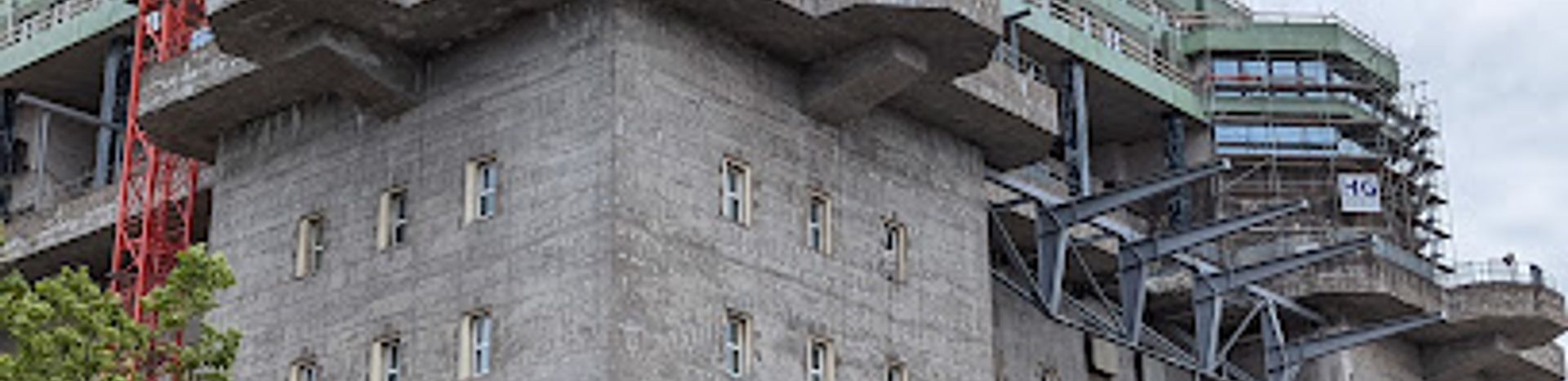
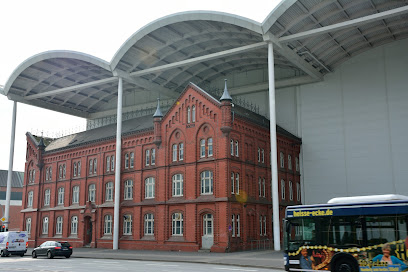
The Feldstraße Bunker, a colossal structure in the heart of Hamburg, stands as a stark reminder of World War II. Originally built as an anti-aircraft bunker, it has witnessed the city's darkest hours and its subsequent rebirth. Today, the bunker is undergoing a remarkable transformation, evolving into a vibrant urban space that blends historical reflection with contemporary culture. Its imposing facade now hosts a lush rooftop garden, offering panoramic views of the city, while the interior is being repurposed to house creative businesses, cultural venues, and community spaces. A visit to the Feldstraße Bunker offers a unique opportunity to explore Hamburg's complex past and witness its innovative approach to urban renewal, making it a compelling destination for history buffs and culture enthusiasts alike. The bunker's sheer size and imposing presence are a testament to its wartime purpose, while its ongoing transformation symbolizes Hamburg's resilience and forward-thinking spirit.
A brief summary to Feldstraße Bunker (Flakturm IV)
- Feldstraße, Hamburg, Hamburg-Mitte, 20359, DE
- Visit website
Local tips
- Take the U3 to Feldstraße station for the most convenient access to the bunker.
- Visit the rooftop garden for panoramic city views, especially stunning at sunset.
- Check the bunker's event calendar for concerts, exhibitions, and performances.
- Consider a guided tour to learn about the bunker's history and transformation.
- Explore the surrounding St. Pauli district for a taste of Hamburg's vibrant nightlife and culture.

Getting There
-
Public Transport
From Hamburg Hauptbahnhof (Central Station), take the U3 U-Bahn line towards Schlump/Barmbek. Get off at Feldstraße station. The bunker is a short walk (approximately 5 minutes) from the station. Follow the signs or use a map app, heading west along Feldstraße. A single ride ticket on the U-Bahn costs approximately €3.50.
-
Walking
If you are already in the St. Pauli district, for example, near the Reeperbahn, the Feldstraße Bunker is easily accessible by foot. Head north along Feldstraße, away from the harbor. The bunker is a prominent landmark and difficult to miss. The walk from the Reeperbahn takes approximately 15-20 minutes.
-
Taxi/Ride-Share
A taxi or ride-share from Hamburg Hauptbahnhof to the Feldstraße Bunker will take approximately 10-15 minutes, depending on traffic. Expect to pay around €15-€20. From the Reeperbahn, a taxi/ride-share will be a shorter trip, costing approximately €8-€12.
Discover more about Feldstraße Bunker (Flakturm IV)
Iconic landmarks you can’t miss

Kaiser-Wilhelm-I.-Eiche
0.5 km
Discover the Kaiser-Wilhelm-I.-Eiche in Hamburg: A historic oak monument honoring Germany's first emperor, nestled in the serene Wallanlagen park, offering a tranquil escape.
Memorial Arch
0.6 km
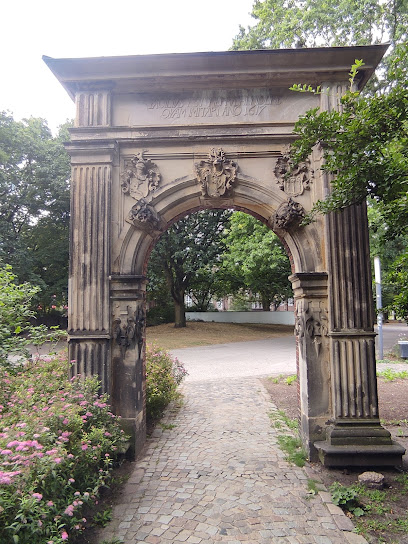
A poignant war memorial in Hamburg, the Memorial Arch honors the fallen of both World Wars with its minimalist design and Ernst Barlach's moving sculpture, serving as a reminder of peace.
Johannes-Brahms-Platz
0.7 km
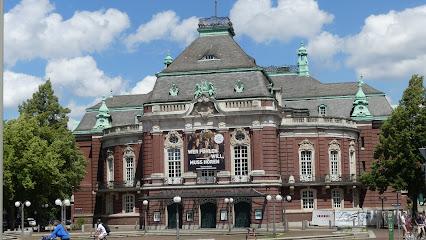
Discover Johannes-Brahms-Platz in Hamburg: a vibrant square steeped in musical history, home to the Laeiszhalle, and a tribute to the great composer, Johannes Brahms, offering a rich cultural experience.
John Lennon, Rock 'n' Roll Doorway
0.7 km
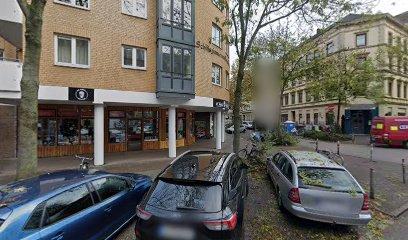
Walk in the footsteps of a Beatle at this iconic Hamburg doorway, immortalized on John Lennon's 'Rock 'n' Roll' album cover, and experience the city that shaped their sound.
Wohlwillstraße 1
0.7 km
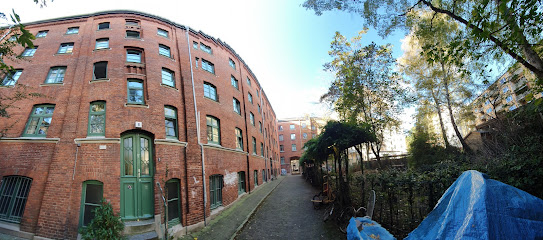
Immerse yourself in the vibrant heart of Hamburg's St. Pauli: experience its raw energy, rebellious spirit, musical heritage, and diverse cultural scene, starting from Wohlwillstraße 1.
Altes Mädchen Ratsherrn Braugasthaus Hamburg
0.7 km
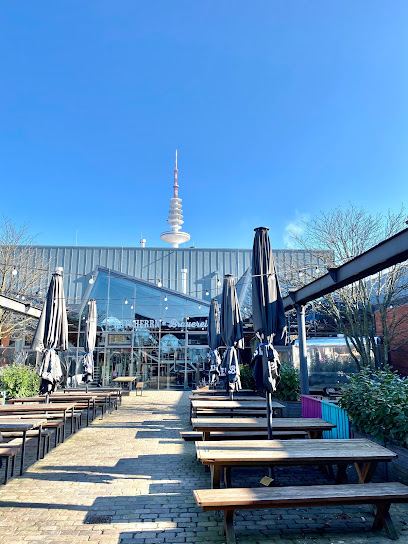
Experience Hamburg's vibrant craft beer culture at Altes Mädchen, a Ratsherrn Braugasthaus offering a wide selection of local and international brews paired with hearty German cuisine.
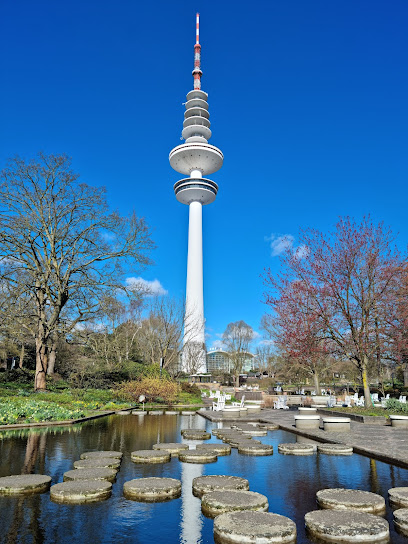
Fernsehturm Hamburg
0.8 km
Hamburg's tallest landmark, the Fernsehturm, offers a glimpse into the city's vibrant skyline and rich history, awaiting its grand reopening to share breathtaking panoramic views.
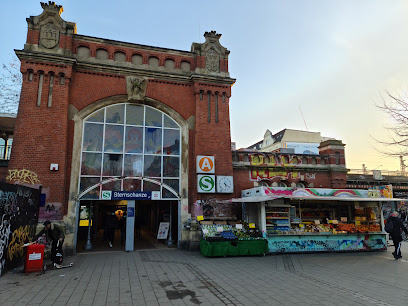
Sternschanze
0.9 km
Discover Hamburg's vibrant Sternschanze district: a blend of alternative culture, historical landmarks, and modern trends, easily accessible via its central transport hub.
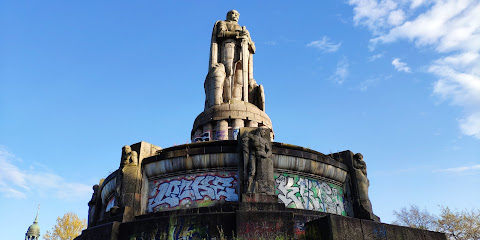
Bismarck Monument
0.9 km
Explore the colossal Bismarck Monument in Hamburg's Alter Elbpark: a historic tribute offering panoramic city views and a glimpse into Germany's imperial past, near St. Pauli Piers.
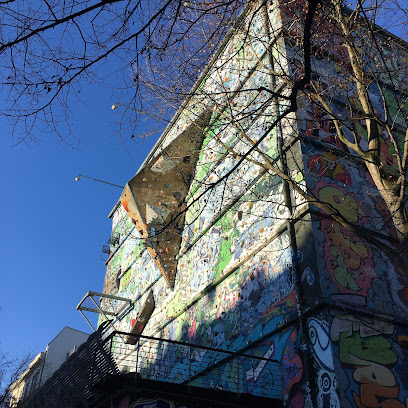
Graffiti Hall of Fame Bunker Red Flora
0.9 km
Explore Hamburg's vibrant street art scene at the Graffiti Hall of Fame Bunker Red Flora, a dynamic canvas showcasing global artists behind the Rote Flora in Sternschanze.
Martin Luther Statue
1.0 km
Discover the Martin Luther Statue in Hamburg: a historical landmark honoring the Reformation, nestled near St. Michael's Church, offering a blend of culture and reflection.
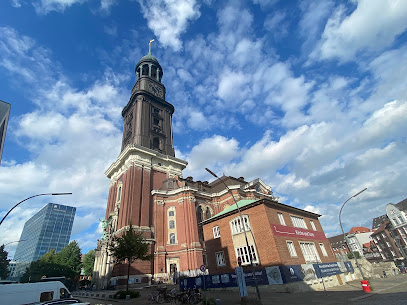
Nachtmichel
1.1 km
Discover Hamburg's iconic St. Michael's Church: a Baroque masterpiece with stunning city views, rich history, and magnificent organ concerts, a true symbol of the city.
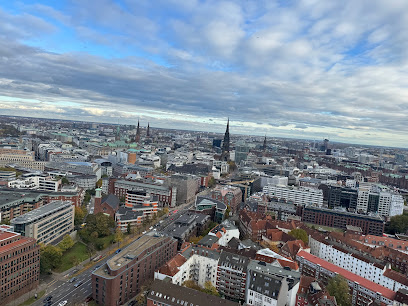
Brunnen am Krayenkamp
1.1 km
Discover the historic Krameramtsstuben, a charming 17th-century courtyard in Hamburg-Mitte, offering a glimpse into the city's past with its well-preserved architecture and unique atmosphere.
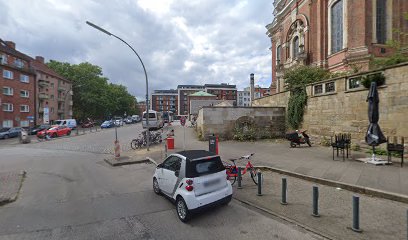
Stintfang
1.1 km
Experience breathtaking views of Hamburg's bustling harbor from Stintfang, an iconic observation deck that captures the city's vibrant spirit and rich maritime history.
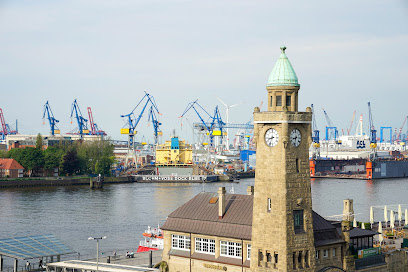
Michelwiese Fountain
1.2 km
Escape the city bustle at Michelwiese Fountain, a tranquil green space near St. Michael's Church offering relaxation, recreation, and unique public BBQ facilities in Hamburg-Mitte.
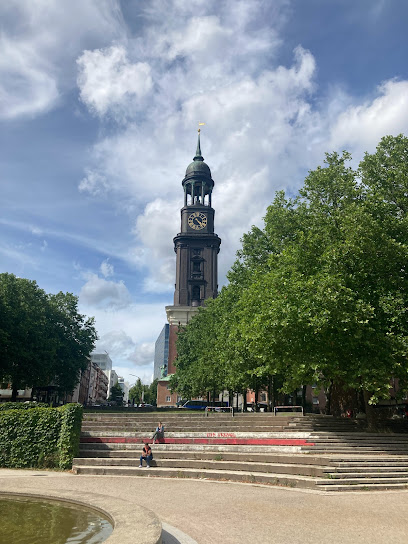
Unmissable attractions to see

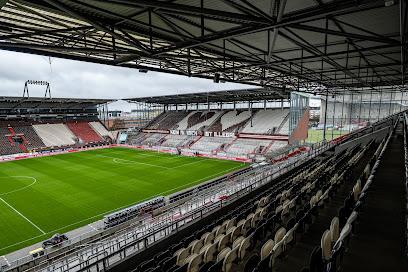
Millerntor-Stadion
0.3 km
Experience the passion of German football at Millerntor-Stadion, a cultural landmark in Hamburg, blending sports, food, and community spirit.
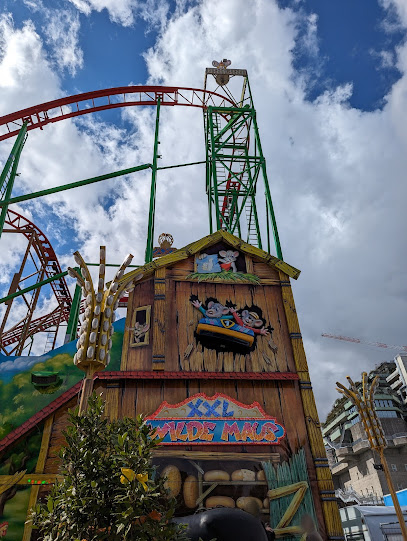
Heiligengeistfeld
0.3 km
Explore Heiligengeistfeld, Hamburg's vibrant open space known for its thrilling fairs, cultural events, and lively atmosphere year-round.
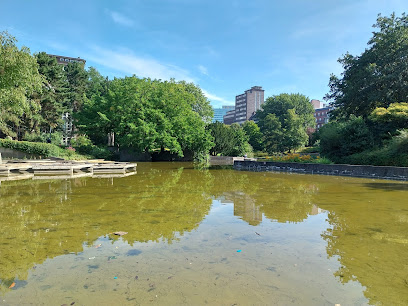
St.Pauli See
0.4 km
Explore the serene St. Pauli See park in Hamburg, an ideal spot for relaxation, picnics, and enjoying the beauty of nature in the city.
Beckstraße
0.4 km
Discover the vibrant culture and history of Hamburg at Beckstraße, a hidden gem filled with local shops, cafes, and stunning architecture.
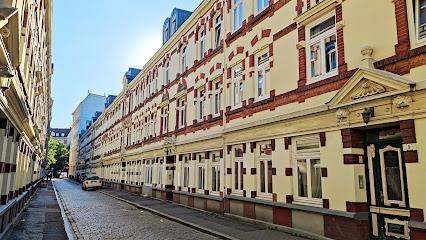
streetart st. pauli karo schanze e. K.
0.4 km
Discover the heart of Hamburg's street art scene at St. Pauli Karo Schanze, an artistic neighborhood bursting with creativity and vibrant murals.
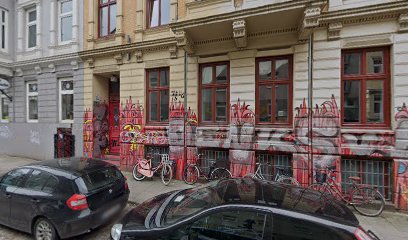
Streetside Gallery
0.6 km
Explore the vibrant Streetside Gallery in Hamburg, an open-air art showcase that celebrates local creativity through stunning murals and street art.
Museum for Hamburg History
0.6 km
Discover Hamburg's captivating past at the Museum for Hamburg History, where history unfolds through engaging exhibits and rich storytelling.
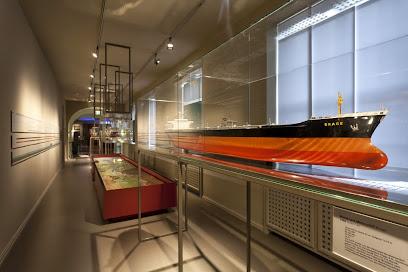
Laeiszhalle
0.7 km
Discover the cultural essence of Hamburg at Laeiszhalle, a historic concert hall known for its exceptional acoustics and stunning architecture.
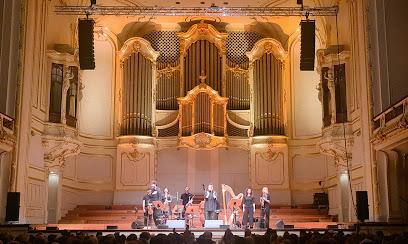
Brahms Museum
0.7 km
Explore the Brahms Museum in Hamburg, a tribute to one of the great composers of classical music, showcasing his life, works, and legacy.
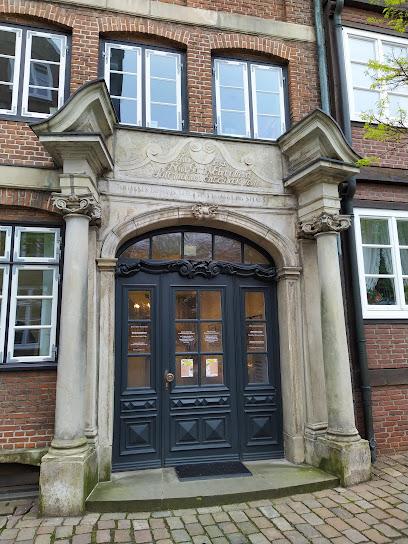
Reeperplatz
0.8 km
Discover the vibrant charm of Reeperplatz in Hamburg, where history meets modernity in a bustling tourist attraction.
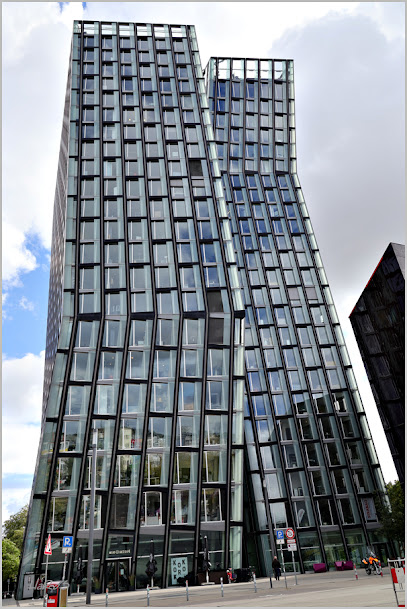
Alter Elbpark
0.8 km
Discover the tranquil beauty of Alter Elbpark, a perfect blend of nature, art, and stunning waterfront views in Hamburg.
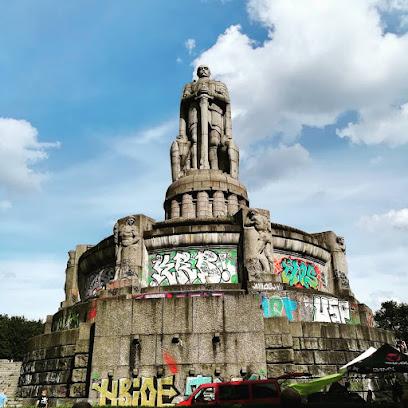
Panoptikum
0.8 km
Explore the fascinating Panoptikum in Hamburg, home to lifelike wax figures of historical icons and modern celebrities for an unforgettable experience.
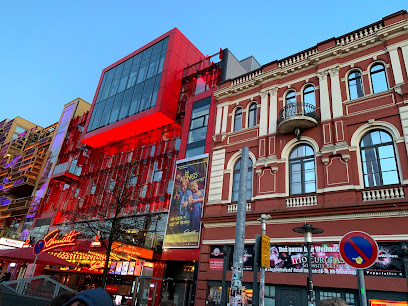
Operettenhaus
0.8 km
Discover the Operettenhaus in Hamburg, a cultural gem offering captivating performances in the heart of the city, perfect for theater enthusiasts and tourists alike.
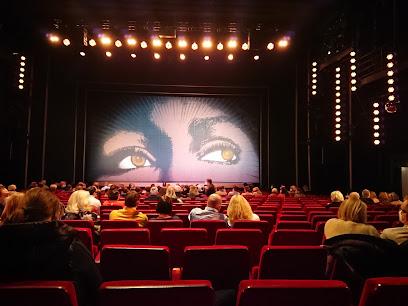
Rote Flora
0.8 km
Experience the pulse of Hamburg's cultural scene at Rote Flora, an iconic venue for art, music, and activism.
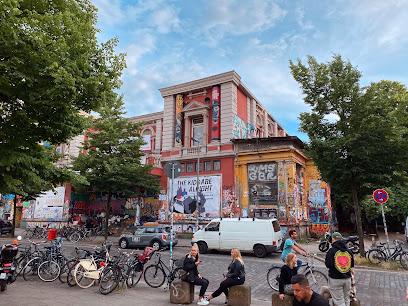
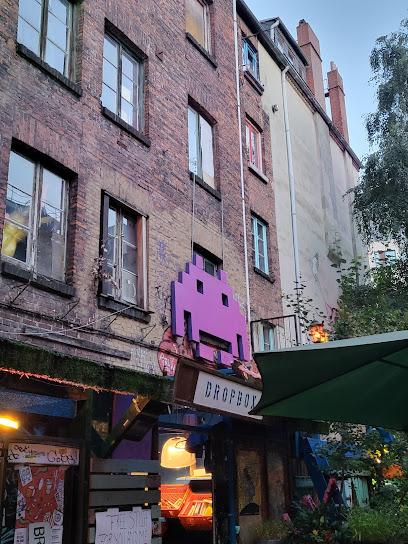
Gängeviertel e.V.
0.8 km
Explore the artistic heartbeat of Hamburg at Gängeviertel, where creativity, culture, and community come together in vibrant harmony.
Essential places to dine

philipps Restaurant
0.2 km
Experience exquisite dining at Philipp's Restaurant in Hamburg-Mitte - where local flavors meet culinary artistry.
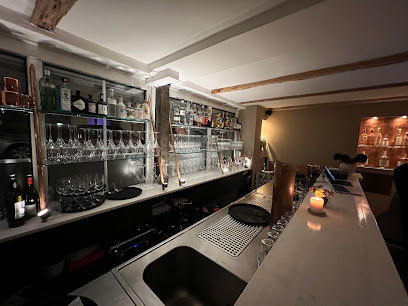
Feldstern
0.3 km
Discover Feldstern in Hamburg: A culinary oasis offering traditional and vegan delights amidst a charming beer garden.
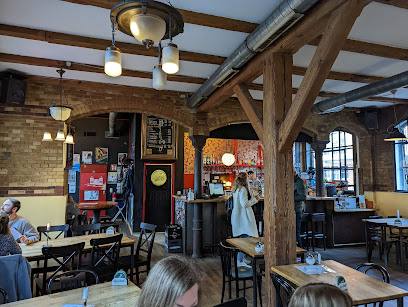
Restaurant Nil
0.5 km
Experience exquisite dining at Restaurant Nil in Hamburg - where flavors meet elegance in an unforgettable atmosphere.
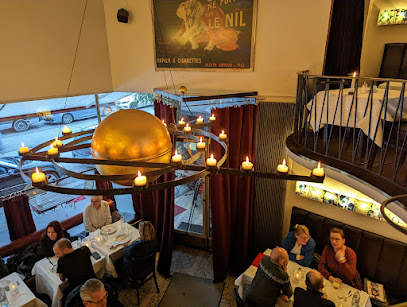
Schlachterbörse
0.5 km
Experience top-tier steaks and exceptional service at Hamburg's premier steakhouse, Schlachterbörse - where culinary excellence meets local charm.
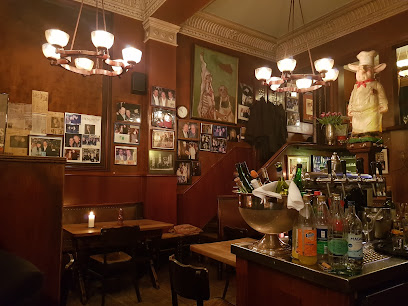
Erika's Eck
0.5 km
Experience authentic European cuisine at Erika's Eck in Hamburg’s Altona district – where tradition meets modern culinary excellence.
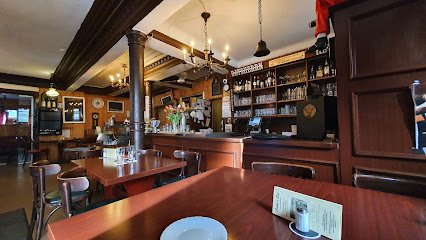
east Restaurant
0.7 km
Discover culinary excellence at east Restaurant in Hamburg—where Japanese flavors meet steakhouse sophistication.
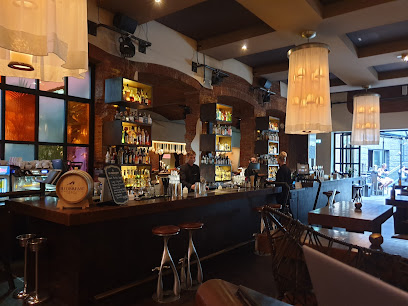
Jolie Restaurant + Cocktail & Wein
0.7 km
Discover authentic German cuisine at Jolie Restaurant + Cocktail & Wein in Hamburg – where tradition meets modern flair.
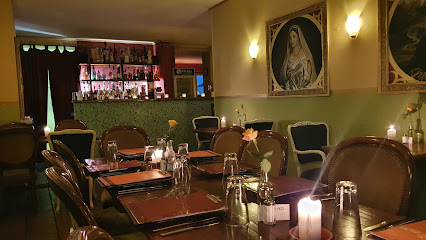
Taverna Romana
0.7 km
Experience the best of Mediterranean cuisine at Taverna Romana in Hamburg, where Italian, Greek, and Romanian flavors come together in harmony.
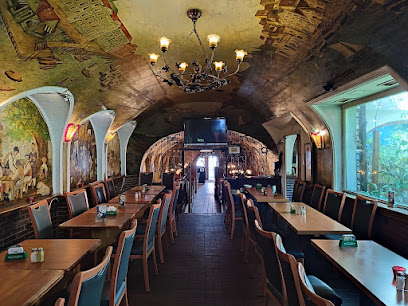
Hamborger Veermaster
0.7 km
Discover the flavors of Hamburg at Hamborger Veermaster – where traditional German cuisine meets modern dining in a cozy atmosphere.
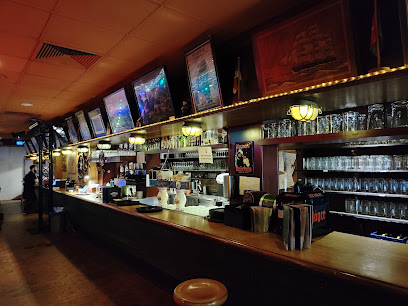
Bullerei
0.8 km
Discover Bullerei: Hamburg's premier dining destination offering exquisite cuisine and an unforgettable atmosphere.
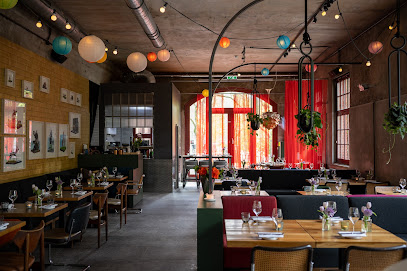
Piri Piri Hamburg
0.8 km
Discover the vibrant flavors of Portugal at Piri Piri Hamburg—where every meal is a celebration of culinary heritage and warmth.
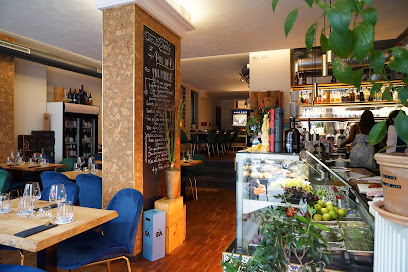
clouds Heaven’s Bar & Kitchen
0.8 km
Discover clouds Heaven’s Bar & Kitchen - where exquisite dining meets stunning views in Hamburg's iconic Reeperbahn district.
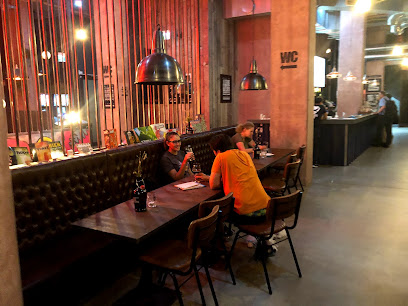
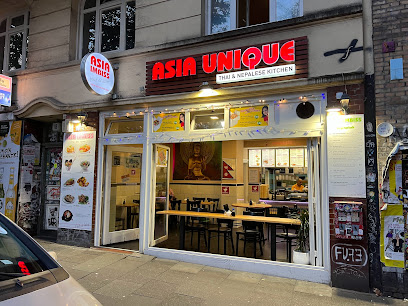
Asia Unique
0.8 km
Discover authentic Thai flavors at Asia Unique in Hamburg - a must-visit destination for Asian cuisine enthusiasts.
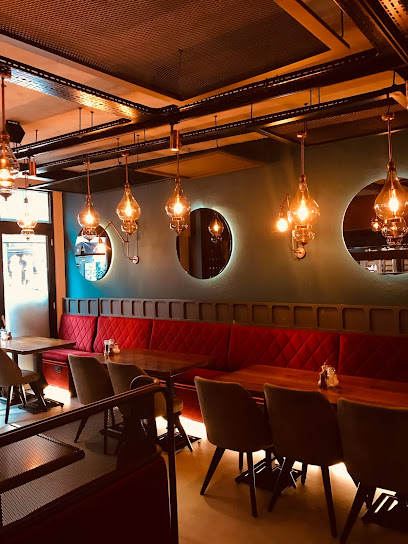
Pamukkale Köz Schanze
0.8 km
Discover authentic Turkish flavors at Pamukkale Köz Schanze in Hamburg's Altona district—where every dish tells a story.
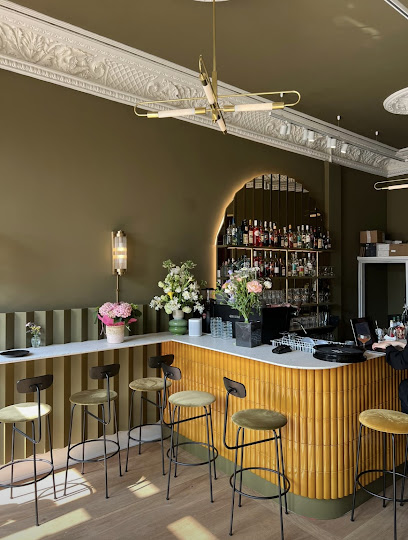
memán restaurant
0.8 km
Discover the flavors of Hamburg at Memán Restaurant, where traditional cuisine meets modern innovation in a vibrant atmosphere.
Markets, malls and hidden boutiques

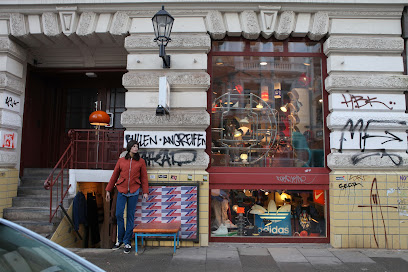
the vintage gallery
0.2 km
Discover unique vintage clothing and furniture at The Vintage Gallery, a hidden gem in Hamburg perfect for finding timeless treasures.
Goldmarie Shop - Hamburg
0.4 km
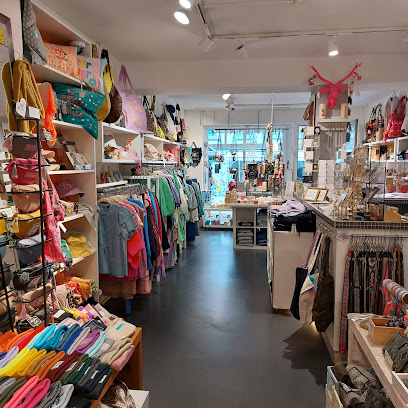
Explore Goldmarie Shop in Hamburg for trendy women's and youth fashion, unique accessories, and a delightful shopping experience.
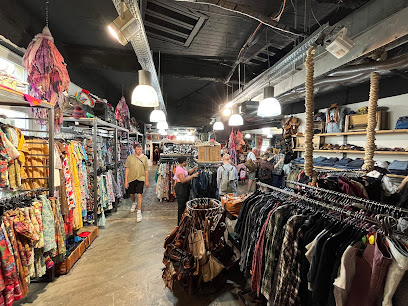
PICK WEIGHT - VINTAGE STORE KILO
0.5 km
Explore the charm of vintage fashion at PICK WEIGHT - Vintage Store Kilo, where unique finds await every fashion enthusiast in Hamburg.
B A C K Y A R D - Hamburg Schanze
0.5 km
Discover unique fashion finds at BACKYARD - Hamburg Schanze, where creativity meets style in an unforgettable shopping experience.
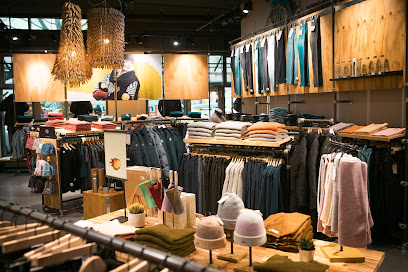
Hemptons Shop
0.5 km
Explore Hemptons Shop in Hamburg for unique hemp products and quirky gifts, a delightful experience for every tourist.
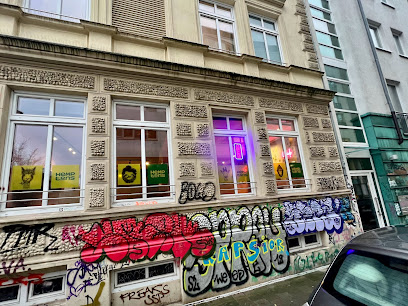
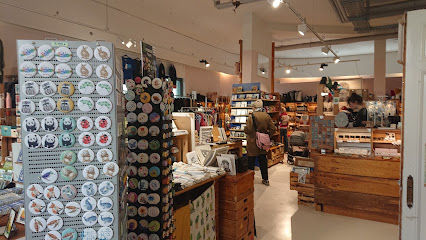
All My Friends - Kreativkaufhaus
0.6 km
Explore All My Friends, a unique gift shop in Hamburg offering handmade treasures and creative finds that embody the city's artistic spirit.
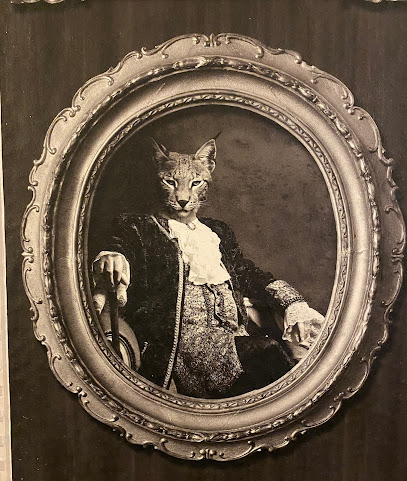
Hip Cats - Vintage Fashion
0.6 km
Discover retro treasures at Hip Cats - Vintage Fashion in Hamburg, where every piece tells a story and style knows no era.
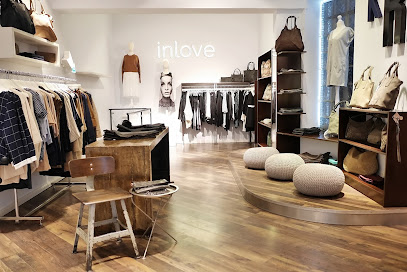
Inlove Schanzenviertel
0.7 km
Explore contemporary women's fashion at Inlove Schanzenviertel, a boutique in Hamburg offering a curated selection of stylish clothing and accessories.
Wunderwerk
0.7 km
Explore unique styles at Wunderwerk, a top clothing store in Hamburg's Altona district, blending urban chic with local charm.
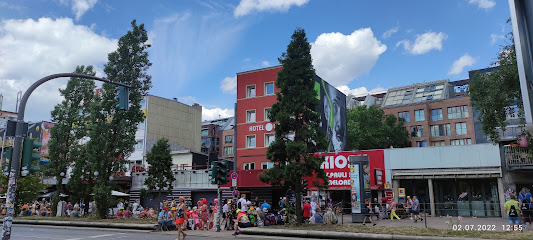
St. Pauli Shop Reloaded
0.7 km
Explore the eclectic offerings of St. Pauli Shop Reloaded, a vibrant kiosk in the heart of Hamburg's lively Reeperbahn district.
Black-Hornis
0.8 km
Explore Black-Hornis, a vibrant store in Hamburg's St. Pauli, offering unique local crafts and gifts that capture the spirit of the city.
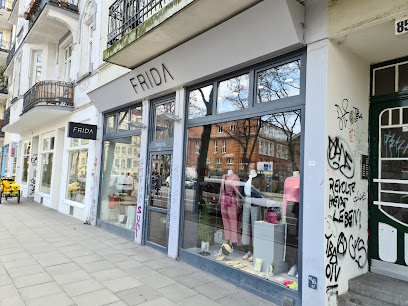
Frida
0.8 km
Explore Frida, Hamburg's chic clothing store in Altona, where unique fashion meets local artistry and vibrant style.
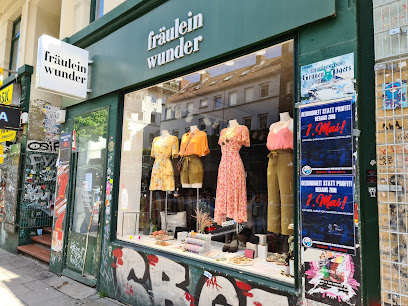
Fräulein Wunder
0.8 km
Explore Hamburg's Fräulein Wunder for a unique shopping experience rich in local fashion and style.
Goldmädchen
0.8 km
Explore Goldmädchen in Hamburg for unique handcrafted treasures and an authentic shopping experience that reflects the city's vibrant culture.
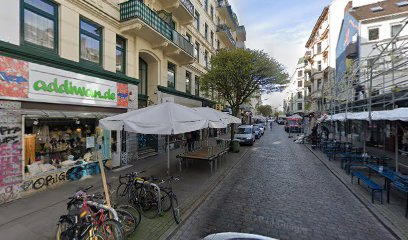
Kauf Dich Glücklich Hamburg
0.8 km
Explore Kauf Dich Glücklich Hamburg for a unique selection of clothing and shoes that captures the essence of local fashion and style.
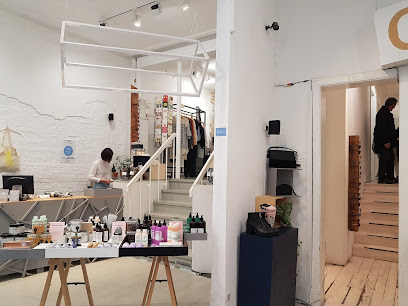
Essential bars & hidden hideouts

Dschungel - Hamburg
0.3 km
Dschungel in Hamburg: A vibrant bar experience with exotic decor and delicious cocktails, perfect for unwinding and socializing.
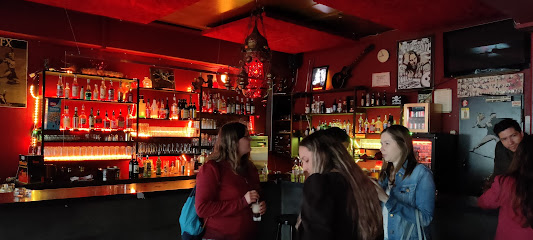
Yakshi's Bar
0.7 km
Experience Hamburg's vibrant nightlife at Yakshi's Bar – a cocktail haven blending delicious drinks with a cozy lounge vibe.
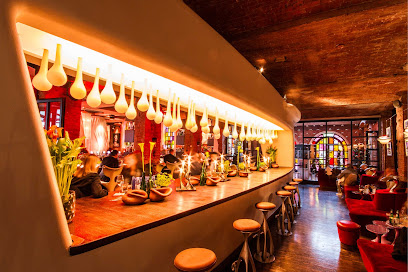
ZWICK St. Pauli
0.7 km
Discover the vibrant nightlife at ZWICK St. Pauli, where live music and delicious dining create unforgettable experiences in Hamburg.
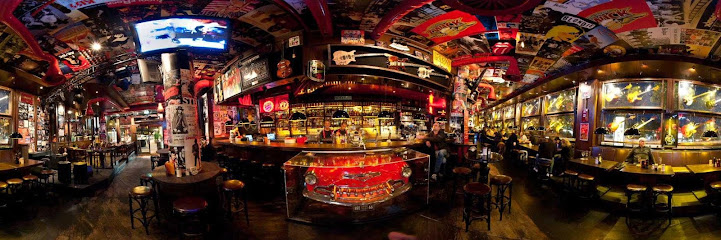
Fritz Bauch
0.7 km
Experience the charm of Hamburg's nightlife at Fritz Bauch, a cozy pub in Altona offering a vibrant atmosphere and delicious local brews.
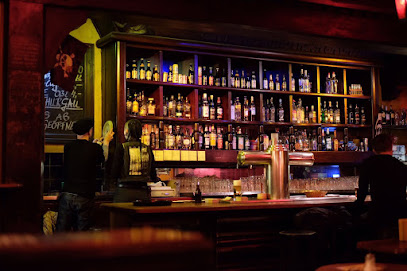
Tortuga Bar - Hamburg
0.7 km
Discover the vibrant Tortuga Bar in Hamburg, where tropical cocktails and a lively atmosphere create the perfect escape from the city.
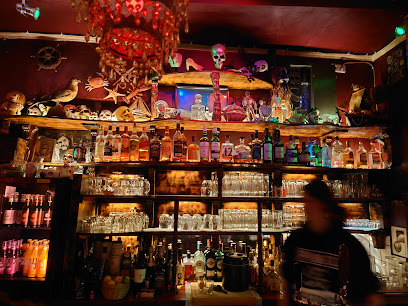
Bar Wohlzimmer
0.7 km
Experience the best of Hamburg's nightlife at Bar Wohlzimmer, where great drinks and a cozy atmosphere come together.
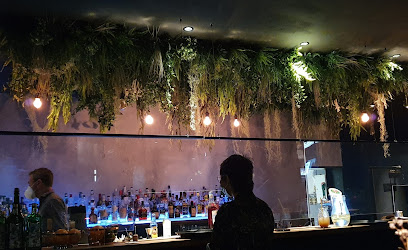
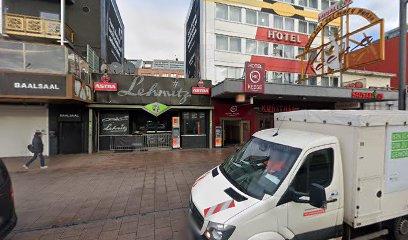
Lehmitz Reeperbahn - Bar & Club - Kiez Hamburg
0.8 km
Discover the pulsating nightlife of Hamburg at Lehmitz Reeperbahn, a lively bar and club at the heart of the iconic Reeperbahn district.
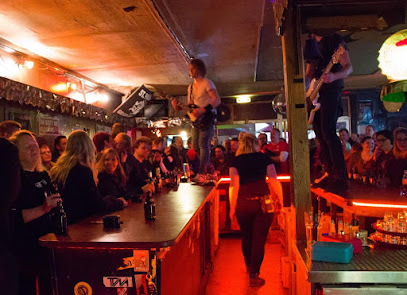
GoldFischGlas
0.8 km
Discover Hamburg's GoldFischGlas, a quirky bar offering creative cocktails and a vibrant atmosphere in Altona.
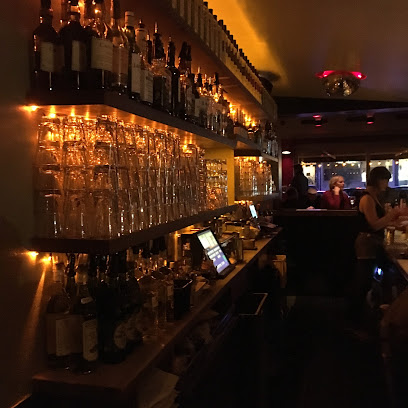
Le Fonque
0.8 km
Experience the vibrant nightlife at Le Fonque, Hamburg's stylish bar offering a diverse drink selection in a lively atmosphere.
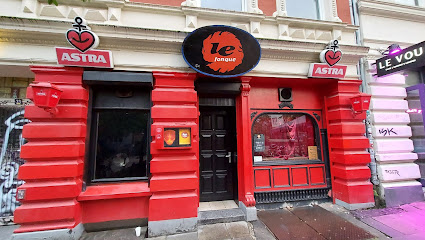
(10) and counting
0.8 km
Explore the vibrant nightlife at '(10) and counting', a unique bar in Hamburg offering cocktails, beers, and a cozy atmosphere.
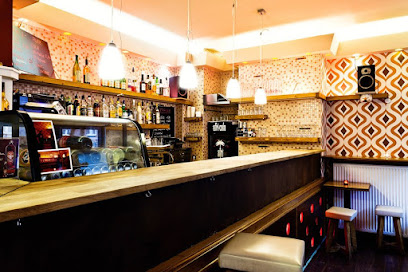
Roschinsky's - Bar
0.8 km
Experience the vibrant nightlife of Hamburg at Roschinsky's, a lively bar offering cocktails, music, and unforgettable moments.
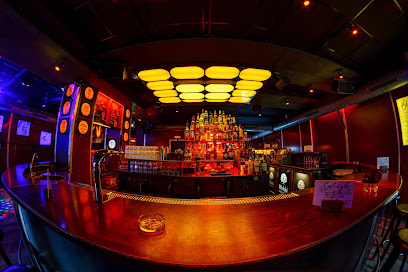
7ieben Bar
0.9 km
Discover the vibrant nightlife of Hamburg at 7ieben Bar, where expertly crafted cocktails meet a stylish atmosphere in Altona.
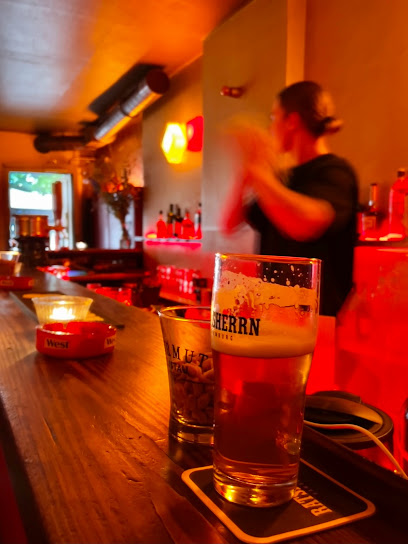
Katze
0.9 km
Experience the vibrant nightlife of Hamburg at Katze, a trendy bar offering unique cocktails and a lively atmosphere in the heart of Altona.
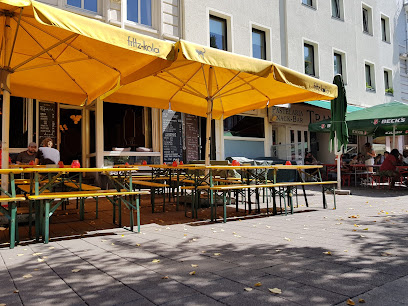
Story Bar Hamburg
0.9 km
Discover the vibrant nightlife at Story Bar Hamburg, where creative cocktails meet an energetic dance floor on the iconic Reeperbahn.
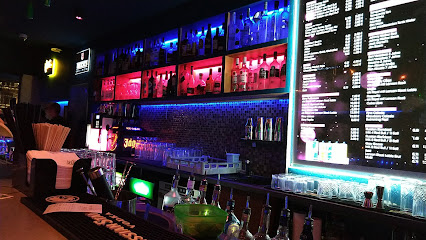
Absinthe Bar
0.9 km
Discover the enchanting world of absinthe at Absinthe Bar in Hamburg, where tradition meets modern indulgence in a captivating atmosphere.
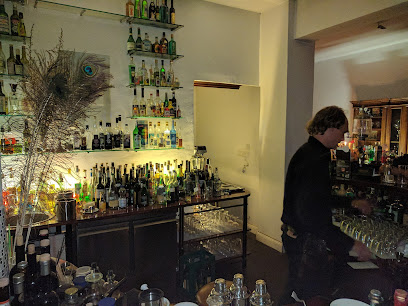
Nightclubs & after hour spots

Terrace Hill
0.0 km
Discover the heart of Hamburg's nightlife at Terrace Hill, where unforgettable dance experiences and electric music await every night.
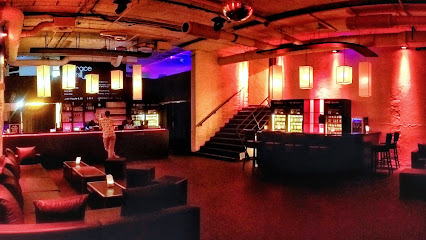
Volt
0.6 km
Discover the electrifying atmosphere of Volt, Hamburg's premier night club, known for its vibrant techno parties and unforgettable nightlife experience.
Baalsaal - Hamburg
0.8 km
Experience the heart of Hamburg's nightlife at Baalsaal, a vibrant night club on Reeperbahn with an electric atmosphere and unforgettable parties.
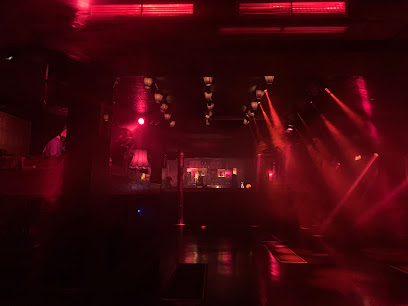
Cave Club & Lounge
0.8 km
Experience the electrifying atmosphere of Cave Club & Lounge, a premier disco in Hamburg's iconic Reeperbahn, where unforgettable nights await.
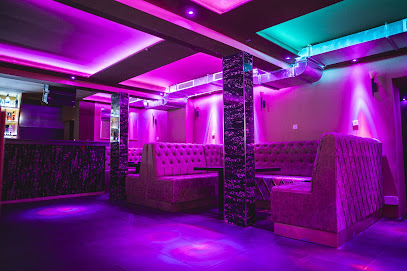
GeizClub
0.9 km
Experience Hamburg's nightlife at GeizClub, a premier nightclub known for its vibrant ambiance, diverse music, and unforgettable nights out.
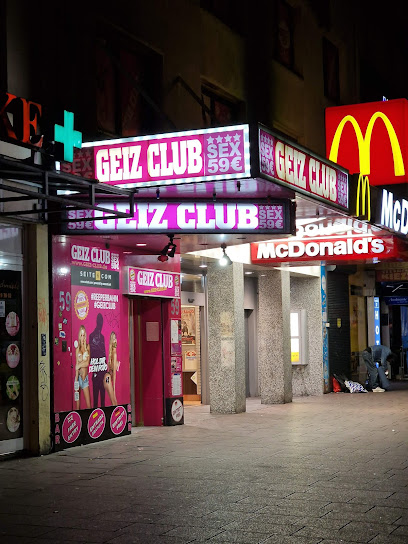
Headcrash
0.9 km
Discover Headcrash: Hamburg's Ultimate Disco Club, Where Music Meets Vibrant Nightlife and Unforgettable Experiences Await.
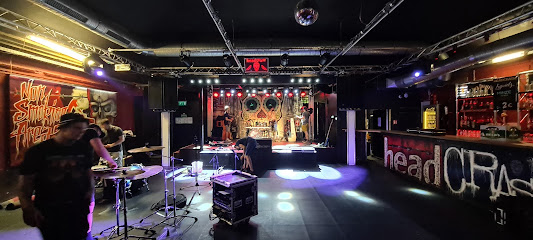
GAGA
0.9 km
Discover the pulsating energy of GAGA, Hamburg's premier night club, where dining meets vibrant nightlife and live music ignites the dance floor.
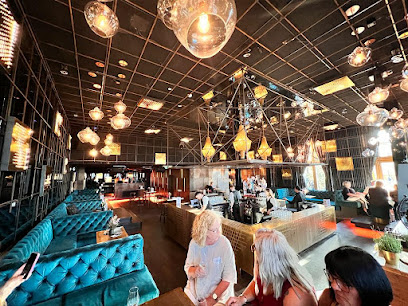
Summer Salon in the clubhouse
0.9 km
Experience the pulsating nightlife of Hamburg at Summer Salon, where live music, cocktails, and a vibrant beer garden await you.
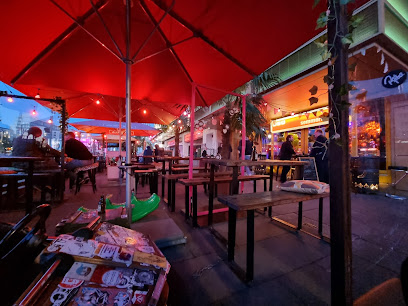
Angie's
0.9 km
Experience the vibrant nightlife at Angie's, Hamburg's premier live music venue and night club, where every night promises unforgettable entertainment.
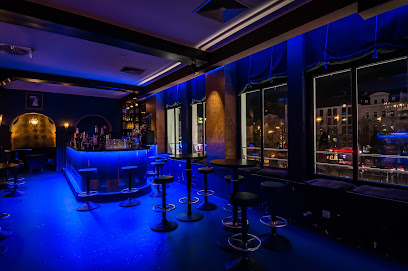
Tunnel Club
1.0 km
Dance the night away at Tunnel Club, Hamburg's premier disco club, known for its electrifying atmosphere and top DJs spinning all night.
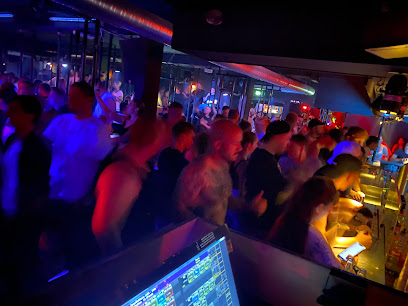
Cotton Club
1.0 km
Discover the soulful sounds of live jazz at the Cotton Club, Hamburg's premier jazz venue for an unforgettable night out.
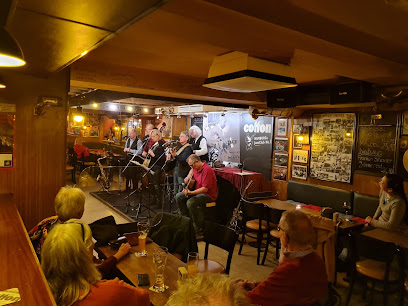
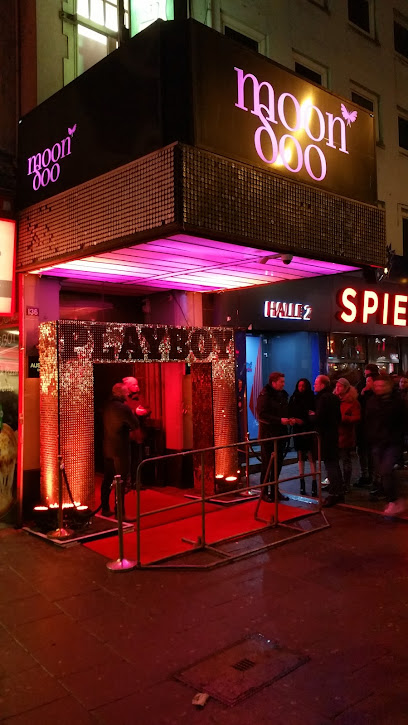
Moondoo
1.0 km
Discover the electrifying nightlife at Moondoo, Hamburg's premier night club, bar, and concert hall in the heart of the Reeperbahn district.
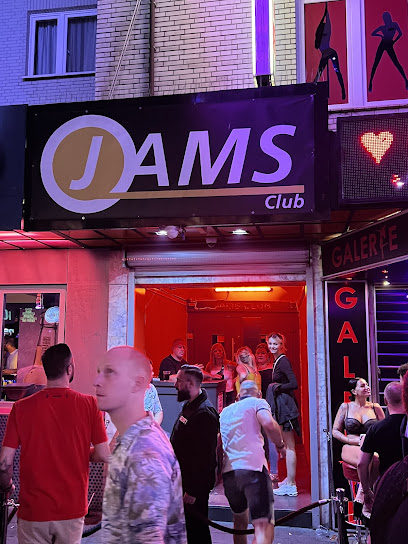
Jams Club
1.0 km
Discover the electrifying nightlife at Jams Club, an iconic disco club in Hamburg offering incredible music and an unforgettable atmosphere.
scandinavian club
1.0 km
Discover the energetic atmosphere of Scandinavian Club, a premier night club in Hamburg offering diverse music and vibrant nightlife experiences.
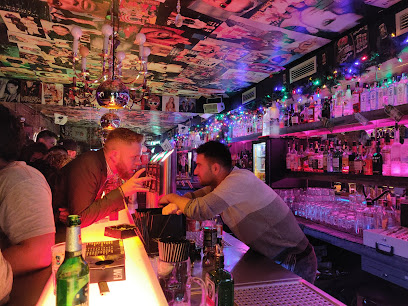
MashUp Music Bar
1.1 km
Discover the electrifying atmosphere of MashUp Music Bar in Hamburg, a vibrant night club offering diverse music and unforgettable nightlife experiences.