Background

Ernst August Monument

An iconic equestrian statue of King Ernst August I, a prominent landmark in Hannover's city center, serving as a popular meeting point and a reminder of the city's royal heritage.

4.5

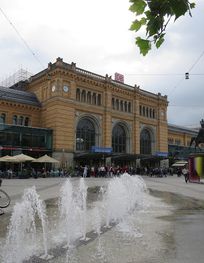
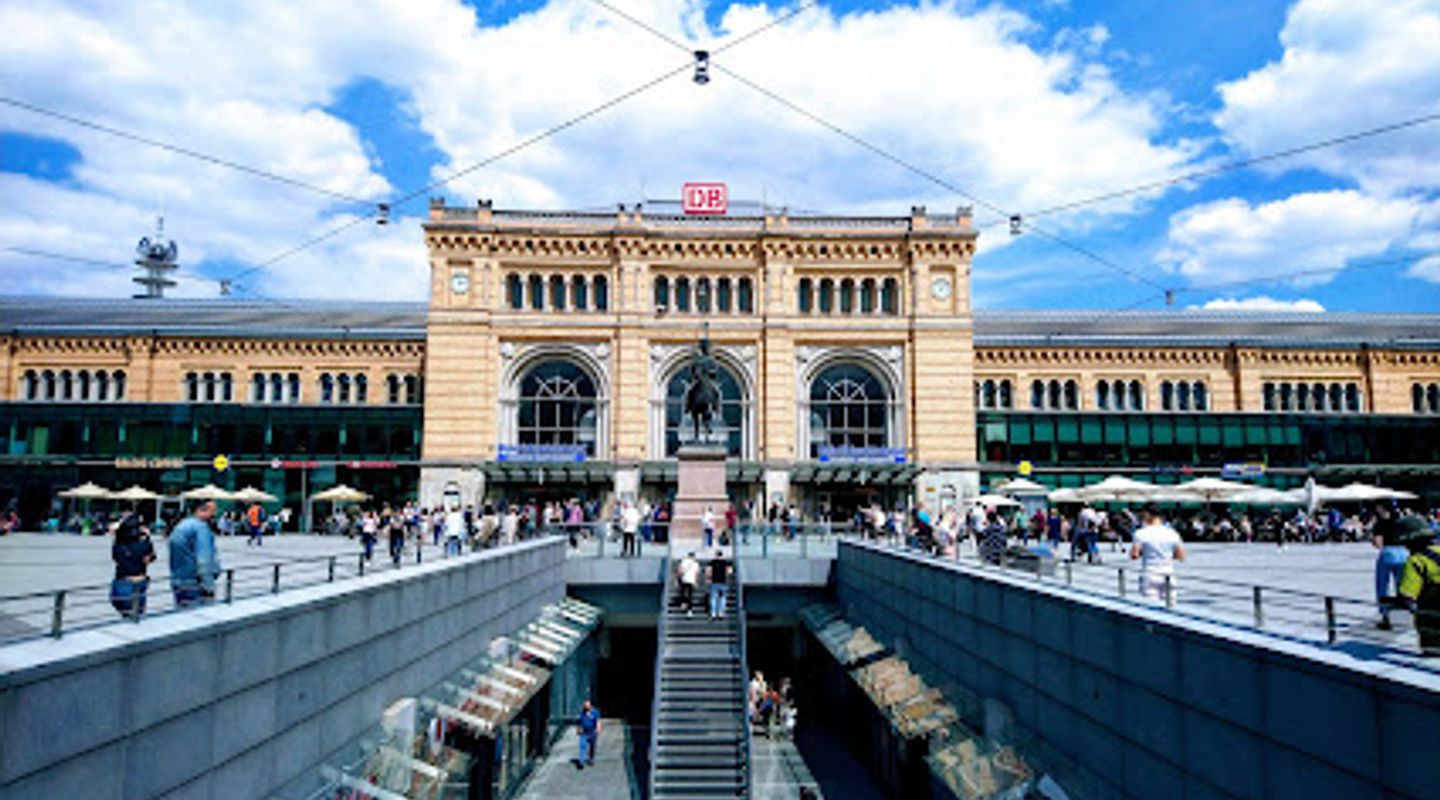
Dominating Ernst-August-Platz in front of Hannover's Hauptbahnhof (main train station), the Ernst August monument is an imposing equestrian statue honoring King Ernst August I of Hanover. Erected in 1861, a decade after the king's death, the bronze statue atop a granite pedestal depicts the monarch in full regalia. The monument serves not only as a tribute to the former king but also as a popular meeting point for locals, often referred to as "under the tail" (of the horse). Its prominent location and historical significance make it a notable landmark in the city center, embodying Hanover's royal past and serving as a constant reminder of the city's connection to the House of Hanover, which once ruled Great Britain. The statue is a key element of the cityscape, linking the train station with the broader urban environment and offering a glimpse into Hanover's rich history.

A brief summary to Ernst August

  • Ernst-August-Platz, Hanover, Hanover-Mitte, 30159, DE
  • +495111680

Local tips

  • Meet 'under the tail' – arrange to meet friends using the local phrase referring to the horse's tail on the statue, a well-known meeting spot.
  • Explore nearby attractions such as the Hannover Hauptbahnhof, a historical landmark, and the bustling Ernst-August-Platz.
  • Take advantage of the excellent public transportation options available at Ernst-August-Platz to explore other parts of the city.
widget icon

Getting There

  • Walking

    From Hannover Hauptbahnhof (main train station) exits, the Ernst August monument is directly in front of you on Ernst-August-Platz. Simply exit the station and walk towards the open square. The statue is easily visible and serves as a central point of orientation.

  • Public Transport

    If arriving by tram or bus, disembark at the 'Hauptbahnhof/Ernst-August-Platz' stop. The monument is located in the center of the square, a short walk from any of the public transport stops. A single ride ticket within the Hannover zone costs approximately €2.80. Consider purchasing a HannoverCard for unlimited travel and discounts on attractions.

  • Taxi/Ride-Share

    Taxis and ride-sharing services can drop you off directly at Ernst-August-Platz, in front of the Hauptbahnhof. A short ride from within the city center will typically cost between €8-€12, depending on traffic and distance.

  • Driving

    If driving, be aware that parking directly on Ernst-August-Platz is limited. Several parking garages are available near the Hauptbahnhof, such as those at Galerie Luise and Galeria Kaufhof. Parking fees typically range from €2.00 per hour to a maximum of €15.00 per day. Digital, barrier-free parking is available in the parking garage at Hanover Central Station.

Unlock the Best of Ernst August

Buy tickets

    No tickets available

Book tours with entry

    No tours available

Book tours without entry

    No tours available

Discover more about Ernst August

The Ernst August monument, a commanding equestrian statue of King Ernst August I of Hanover, stands proudly on Ernst-August-Platz, directly in front of Hannover's Hauptbahnhof. This prominent location ensures the monument is one of the first sights greeting visitors arriving by train, immediately establishing a sense of the city's historical depth and royal connections. The statue was erected in 1861, a decade after the king's death in 1851, as a tribute from his loyal subjects. Ernst August I, the fifth son of King George III of the United Kingdom, became King of Hanover in 1837, succeeding his brother William IV. His reign marked the end of the personal union between Great Britain and Hanover, as Salic law prevented Queen Victoria from inheriting the Hanoverian throne. Ernst August, therefore, became the first resident ruler of Hanover since George I. The monument itself is a striking example of 19th-century sculpture. The bronze statue depicts Ernst August I in full military regalia, mounted on a powerful steed. The king is portrayed with a stern expression, embodying the authority and strength associated with his rule. The statue rests on a substantial granite pedestal, adding to the monument's overall grandeur and imposing presence. The sculptor, Albert Wolff, masterfully captured the king's likeness and the dynamic energy of the horse. Wolff was a prominent German sculptor of the 19th century, known for his realistic and detailed portrayals of historical figures and allegorical subjects. His work on the Ernst August monument showcases his skill in creating monumental sculptures that convey both artistic merit and historical significance. Ernst August-Platz, the square surrounding the monument, is a bustling hub of activity. The square serves as a major transportation node, connecting the train station with the city's tram and bus network. It is also a popular gathering place for locals and tourists alike. The monument, therefore, is not merely a static historical artifact but a dynamic element of the city's contemporary life. One of the most interesting aspects of the Ernst August monument is its role as a popular meeting point. Locals often arrange to meet "unter dem Schwanz" – "under the tail" – referring to the horse's tail on the statue. This colloquialism reflects the monument's integration into the city's cultural fabric and its informal significance as a recognizable landmark. King Ernst August's reign was not without controversy. He was known for his conservative policies and his opposition to liberal reforms. In 1837, he revoked the Hanoverian constitution, leading to protests and the dismissal of the "Göttingen Seven," a group of professors who spoke out against his actions. Despite these controversies, Ernst August remained a popular figure among many Hanoverians, who appreciated his strong leadership and his commitment to the kingdom. The Ernst August monument serves as a reminder of Hanover's royal past and its connection to the House of Hanover, which played a significant role in European history. The House of Hanover rose to prominence in 1714 when George Louis, Elector of Hanover, ascended the British throne as King George I. The Hanoverian dynasty ruled Great Britain until the death of Queen Victoria in 1901. Today, the head of the House of Hanover is Prince Ernst August, the husband of Princess Caroline of Monaco. The family continues to maintain ties to Hanover and to preserve its historical legacy. The monument is surrounded by other notable buildings and landmarks. The Hannover Hauptbahnhof, a grand railway station, provides a stunning backdrop to the statue. The station itself is a historical landmark, having been rebuilt after suffering extensive damage during World War II. The Ernst August monument, therefore, is part of a larger ensemble of historical and architectural treasures. Visiting the Ernst August monument offers a glimpse into Hanover's rich history and its royal heritage. It is a place where the past and the present converge, where locals and tourists alike can reflect on the city's unique identity and its place in the broader sweep of European history. Whether you are arriving in Hanover for the first time or are a long-time resident, the Ernst August monument is a must-see landmark that embodies the spirit of the city. The monument is easily accessible by public transportation, with numerous tram and bus lines stopping at Ernst-August-Platz. It is also within walking distance of many of the city's other major attractions, including the Old Town, the Market Church, and the New Town Hall. In conclusion, the Ernst August monument is more than just a statue; it is a symbol of Hanover's history, its royal connections, and its vibrant urban life. It is a place where the past is remembered, the present is celebrated, and the future is imagined.

Popular Experiences near Ernst August

Popular Hotels near Ernst August

Select Currency