Kartoffeldenkmal Travel Guide
Free Guide: Discover the Kartoffeldenkmal near Braunlage, a unique monument commemorating the introduction of potato farming to the Harz Mountains and the ingenuity of its people.


A brief summary of Kartoffeldenkmal
Discover the Kartoffeldenkmal near Braunlage, a unique monument commemorating the introduction of potato farming to the Harz Mountains and the ingenuity of its people.
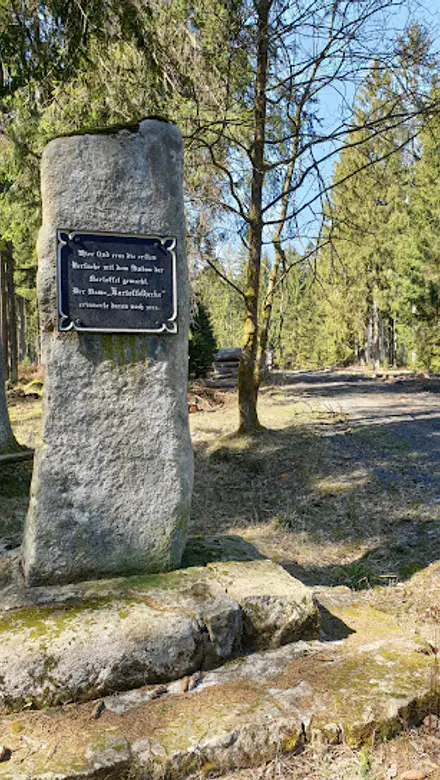
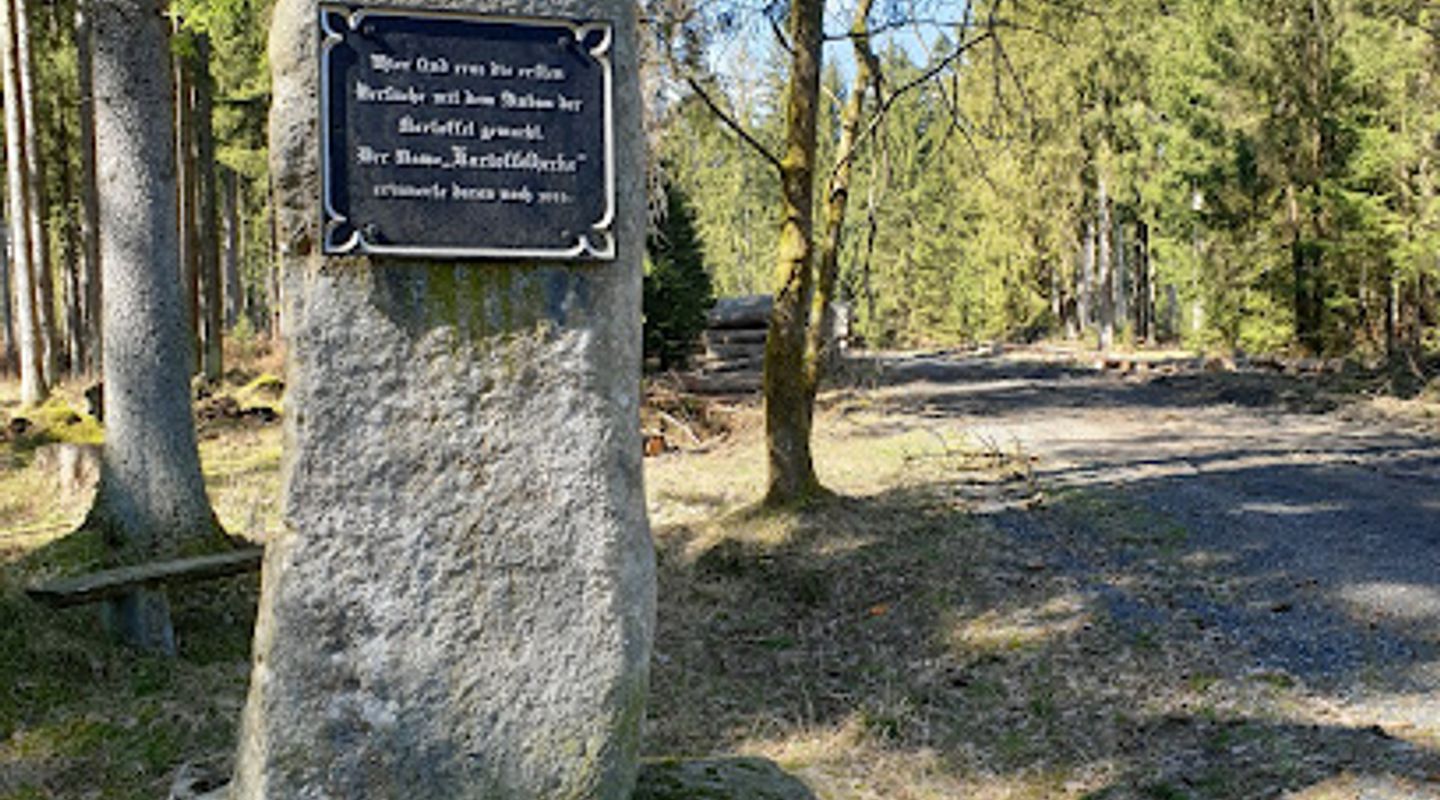
The Kartoffeldenkmal, or Potato Monument, near Braunlage, stands as a testament to the introduction of potato cultivation in the Harz region. Erected in 1885, it commemorates the efforts of Johann Georg von Langen, who, in 1748, was tasked with improving the local economy by cultivating potatoes. This initiative aimed not only to provide food but also to produce brandy from the harvested potatoes. Today, the monument, nestled along the Alte Tanner Poststrasse, offers a peaceful rest stop for hikers and history enthusiasts alike. It serves as a reminder of the potato's vital role in shaping the region's agricultural landscape and the resourcefulness of its people. The surrounding area invites visitors to explore the natural beauty of the Harz Mountains, blending historical reflection with outdoor recreation. The monument is a reminder of the ingenuity and perseverance of the local population.
Opening hours
- Every dayOpen 24 hours
Opening hours as listed on the venue’s Google Business Profile. Hours can change for services and special events, so check with the venue before you go.
- Address
- Unnamed Road,38700, Braunlage
Getting there
Walking
Driving
Public Transport
Discover more about Kartoffeldenkmal
Overview
Nestled in the scenic Harz Mountains near Braunlage, the Kartoffeldenkmal, or Potato Monument, offers a unique glimpse into the region's agricultural history. This unassuming yet significant landmark commemorates the introduction of potato cultivation to the area in the mid-18th century. Erected in 1885, the monument stands as a tribute to Johann Georg von Langen, a court official who spearheaded the effort to cultivate potatoes in Braunlage during a time of economic hardship. In 1748, Braunlage faced significant economic challenges. To address this, Duke Carl of Brunswick-Lüneburg commissioned Johann Georg von Langen, his Hofjägermeister (Master of the Hunt), to introduce potato farming to the region. The plan was ambitious: cultivate potatoes not only as a food source but also to produce brandy, a valuable commodity, using dried peat. Twelve Morgen (approximately 3 hectares) of forestland south of Brandhai were cleared to create the first potato fields. The initial potato cultivation efforts were met with mixed success. The climate and soil conditions in the Harz Mountains proved challenging, and the local population was initially hesitant to embrace the new crop. However, von Langen persevered, and gradually, potato farming took root in the region. By 1885, the total area of potato fields around Braunlage had grown to approximately 47 hectares, a testament to the enduring impact of von Langen's initiative. The Kartoffeldenkmal itself is a simple yet evocative structure. It features an iron tablet with an inscription honoring Johann Georg von Langen and commemorating the introduction of potato cultivation. The monument is located along the Alte Tanner Poststrasse, a historic forest and hiking trail, making it a popular stop for hikers and nature enthusiasts. Several benches surround the monument, inviting visitors to take a break and reflect on the history and significance of the site. The story of the Kartoffeldenkmal is intertwined with the broader history of potato cultivation in Europe. The potato, native to South America, was introduced to Europe in the 16th century. Initially, it was viewed with suspicion and used primarily as animal feed. However, over time, its nutritional value and resilience became apparent, and it gradually became a staple food for many Europeans. In the Harz region, the potato played a crucial role in alleviating food shortages and improving the livelihoods of the local population. Its ability to thrive in relatively poor soil and challenging climates made it an ideal crop for the mountainous terrain. The introduction of potato farming helped diversify the local economy and reduce dependence on traditional crops. Today, the Kartoffeldenkmal stands as a symbol of innovation, perseverance, and the enduring connection between agriculture and community. It is a reminder of the importance of adapting to changing circumstances and embracing new ideas to overcome challenges. The monument also serves as a tribute to the humble potato, a crop that has had a profound impact on the world's food supply and cultural landscape. Visiting the Kartoffeldenkmal offers a unique opportunity to combine historical exploration with outdoor recreation. The surrounding area is crisscrossed with hiking trails, offering stunning views of the Harz Mountains. Visitors can explore the nearby forests, discover hidden waterfalls, and enjoy the fresh mountain air. The town of Braunlage, located a few kilometers from the monument, offers a range of amenities, including restaurants, cafes, and shops. For those interested in learning more about the history of potato cultivation, the Heimat- und FIS-Skimuseum in Braunlage provides additional insights. The museum showcases the history of skiing in the Harz region and also features exhibits on local agriculture and culture. The Kartoffeldenkmal is more than just a monument; it is a living testament to the ingenuity and resilience of the people of the Harz Mountains. It is a place where history, nature, and community converge, offering visitors a unique and enriching experience. Whether you are a history buff, a nature lover, or simply seeking a peaceful escape, the Kartoffeldenkmal is well worth a visit. The monument is accessible year-round, with each season offering a unique perspective. In the spring and summer, the surrounding forests are lush and green, providing a vibrant backdrop for the monument. In the fall, the leaves turn golden and red, creating a stunning display of color. In the winter, the area is often covered in snow, transforming the landscape into a winter wonderland. No matter when you choose to visit, the Kartoffeldenkmal is sure to leave a lasting impression. It is a place where you can connect with the past, appreciate the present, and reflect on the future. So, take a trip to the Harz Mountains and discover the story behind this humble tribute to the potato.
Evendo Review Centre
 Google
Guest reviews
Explore Kartoffeldenkmal on the map
A handpicked selection of must-see spots near Kartoffeldenkmal, mapped for you.
Get your free copy of our complete guide to Kartoffeldenkmal, delivered straight to you.
Everything on this page, from opening hours and how to get there to Eve’s tips and the best time to go, in one PDF you can read offline, print or share.
Already have an account? Sign in
Your Kartoffeldenkmal guide is ready.
We'll send it to · Not you? Sign out

Getting your guide ready…
We are putting together a fresh copy of the Kartoffeldenkmal guide. This can take up to a minute.
This can take a few moments. If your browser asks, choose Allow so the download can start. You'll find the guide in your Downloads folder.
Nothing happened? Download it again
Sorry, the guide is taking longer than usual. Please try again in a minute, or get it by email instead.
Other nearby places you may find interesting
The closest places of the same kind, if this one is not quite what you had in mind.
-
-
-
-
-


Swipe for more places
More to explore near Kartoffeldenkmal

 Best experiences near Kartoffeldenkmal
 Best hotels near Kartoffeldenkmal
 Best landmarks near Kartoffeldenkmal
 Best attractions near Kartoffeldenkmal
 Best shops near Kartoffeldenkmal
 Best restaurants near Kartoffeldenkmal
 Best bars near Kartoffeldenkmal
Do you manage this location?
Take control to get all the benefits, like improved information, better appearance, and stronger visibility across AI-powered discovery.
Explore more

Explore more of Harz
Discover the Harz Mountains: A blend of natural beauty, historical charm, and enchanting folklore in the heart of Germany.
Explore Harz
Explore more of Germany
Experience Germany: where history meets innovation, and urban energy blends with natural beauty. Discover diverse cultures, delicious cuisine, and stunning landscapes.
Explore Germany