Hercules monument Travel Guide
Free Guide: Discover the iconic Hercules monument in Kassel's Bergpark Wilhelmshöhe, a UNESCO World Heritage site, offering breathtaking views and the start of spectacular water displays.


A brief summary of Hercules monument
Discover the iconic Hercules monument in Kassel's Bergpark Wilhelmshöhe, a UNESCO World Heritage site, offering breathtaking views and the start of spectacular water displays.
The Hercules monument, a colossal copper statue of the Greek demigod Heracles, stands proudly atop Bergpark Wilhelmshöhe, a UNESCO World Heritage site. Constructed in the early 18th century, this iconic landmark is more than just a statue; it's the crowning glory of an elaborate cascade system and offers breathtaking panoramic views of Kassel and the surrounding landscape. Visitors can explore the monument's various levels, including the Octagon and Pyramid, and during the summer months, witness the spectacular water displays that begin at the Hercules and flow down the hillside. The Hercules monument is a symbol of Kassel and a testament to Baroque artistry and engineering, drawing visitors from around the globe to marvel at its grandeur and historical significance. A visit to the Hercules monument is a must for anyone exploring the Bergpark Wilhelmshöhe and the city of Kassel.
Opening hours
- MonClosed
- Tue10 am–5 pm
- Wed10 am–5 pm
- Thu10 am–5 pm
- Fri10 am–5 pm
- Sat10 am–5 pm
- Sun10 am–5 pm
Opening hours as listed on the venue’s Google Business Profile. Hours can change for services and special events, so check with the venue before you go.
- Address
- Schlosspark 28, 34131 Kassel
- Phone
- Website
Getting there
Public Transport
Driving
Walking
Discover more about Hercules monument
Overview
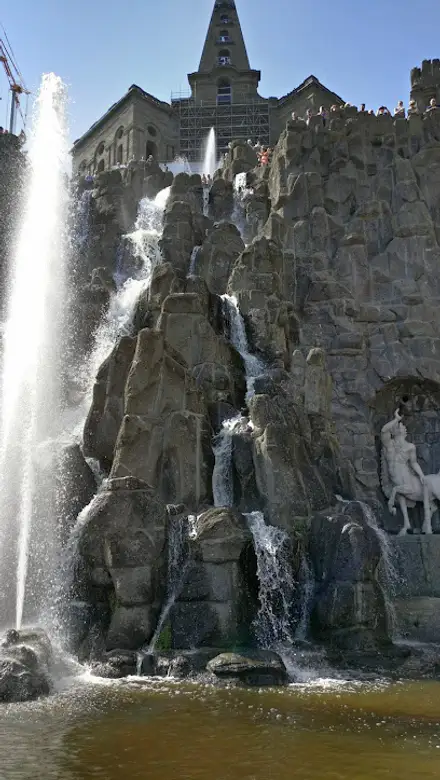
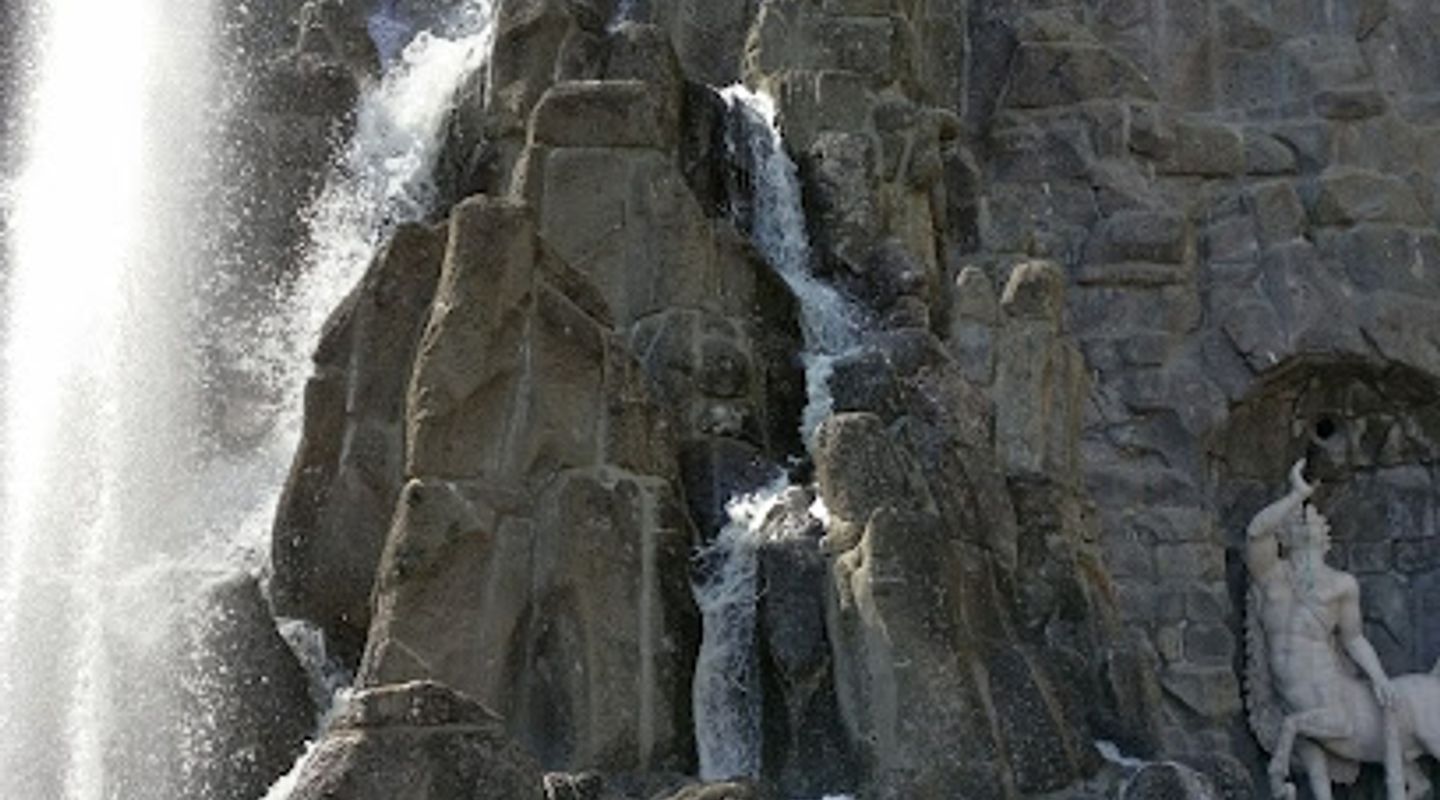
Towering over Kassel from its perch atop Bergpark Wilhelmshöhe, the Hercules monument is more than just a statue; it's a symbol of the city, a testament to Baroque artistry, and the starting point of a breathtaking water spectacle. This colossal copper figure of the Greek demigod Heracles, known as Hercules in Roman mythology, stands 70 meters high, a beacon visible from afar and a magnet for visitors from around the world. The monument's history stretches back to the early 18th century when Landgrave Charles of Hesse-Kassel commissioned its construction. Inspired by an antique Hercules statue he had seen in Italy, Charles sought to create a monument that would not only showcase his power and prestige but also embody the virtues of strength, courage, and wisdom associated with the mythical hero. The task fell to Italian architect Giovanni Francesco Guerniero, who designed the Octagon and Pyramid upon which the statue stands. The Hercules monument is comprised of three distinct sections. The base is a rock-type grotto construction. Above this lies the "giant palace" with a viewing platform that offers views across the Bergpark and its surroundings. At the top of the pyramid sits the copper statue of Hercules. The statue itself is a masterpiece of craftsmanship, depicting the muscular hero leaning casually on his club, a symbol of his legendary strength. The entire structure is oriented along a baroque axis with the Wilhelmshöhe Palace, creating a visual connection between the ruler and the heroic ideal. However, the Hercules monument is perhaps best known as the starting point of the Bergpark's famous water features. During the summer months, from May to October, visitors can witness a spectacular display of hydraulic engineering as over 750,000 liters of water cascade down the hillside, flowing through a series of channels, fountains, and waterfalls. The water journey begins at the Hercules, where it is released from reservoirs and flows down the cascades, a 250-meter-long stone staircase. From there, it continues to Steinhöfer's waterfall, the Devil's Bridge, and finally tumbles down the aqueduct before arriving at the Grand Fountain in the palace pond, where it shoots 50 meters into the air. The water displays, which take place every Wednesday, Sunday, and public holiday afternoon, are a major draw for tourists and locals alike. The event is a unique blend of art, engineering, and natural beauty, showcasing the ingenuity of the Baroque era. Visitors can follow the water's journey down the hillside, marveling at the various water features and enjoying the lush greenery of the Bergpark. Beyond the water features, the Hercules monument offers stunning panoramic views of Kassel and the surrounding region. From the viewing platform at the base of the statue, visitors can see the city spread out below, with its mix of historic buildings and modern architecture. On a clear day, the view extends to the distant mountains of the Harz and the Rhön. The Hercules monument and the Bergpark Wilhelmshöhe were inscribed as a UNESCO World Heritage Site in 2013, recognizing their outstanding universal value as an example of Baroque landscape design and hydraulic engineering. The site is a testament to the ideals of absolutist monarchy and the power of human creativity to transform nature into art. Visiting the Hercules monument is an experience that engages all the senses. The sight of the colossal statue, the sound of the cascading water, the feel of the cool spray on a summer day, and the scent of the surrounding forest all combine to create a memorable and enriching experience. Whether you are interested in history, art, engineering, or simply want to enjoy a beautiful natural setting, the Hercules monument is a destination that will not disappoint. The Hercules Visitor Center, located near the monument, offers valuable insights into the history of the Hercules monument, the Bergpark, and the water features. The center features exhibits, videos, and interactive displays that bring the story of this remarkable site to life. Visitors can also purchase tickets, souvenirs, and refreshments at the center. The Hercules monument is more than just a landmark; it is a symbol of Kassel's identity and a source of pride for its residents. It is a place where history, art, and nature come together to create an unforgettable experience. A visit to the Hercules monument is a must for anyone exploring the Bergpark Wilhelmshöhe and the city of Kassel. The monument is open to visitors from April 1st to October 31st, Tuesday through Sunday, and on public holidays, from 10 am to 5 pm. During the winter months, the monument is closed. Admission to the Hercules monument is €8 for adults, €5 for concessions, and free for children under 18. A Wilhelmshöhe Day Pass, which includes admission to the Hercules, Wilhelmshöhe Palace, and Löwenburg Castle, is also available for €18.
Evendo Review Centre
 Google
Guest reviews
Explore Hercules monument on the map
A handpicked selection of must-see spots near Hercules monument, mapped for you.
Get your free copy of our complete guide to Hercules monument, delivered straight to you.
Everything on this page, from opening hours and how to get there to Eve’s tips and the best time to go, in one PDF you can read offline, print or share.
Already have an account? Sign in
Your Hercules monument guide is ready.
We'll send it to · Not you? Sign out

Getting your guide ready…
We are putting together a fresh copy of the Hercules monument guide. This can take up to a minute.
This can take a few moments. If your browser asks, choose Allow so the download can start. You'll find the guide in your Downloads folder.
Nothing happened? Download it again
Sorry, the guide is taking longer than usual. Please try again in a minute, or get it by email instead.
Unlock the best of Hercules monument
Skip-the-line tickets, guided tours with entry, and walking tours of the area, booked in a few clicks.


Other nearby places you may find interesting
The closest places of the same kind, if this one is not quite what you had in mind.
-

-
-
-
-


Swipe for more places
More to explore near Hercules monument

 Best experiences near Hercules monument
 Best hotels near Hercules monument
 Best landmarks near Hercules monument
 Best attractions near Hercules monument
 Best shops near Hercules monument
 Best restaurants near Hercules monument
 Best bars near Hercules monument
Do you manage this location?
Take control to get all the benefits, like improved information, better appearance, and stronger visibility across AI-powered discovery.
Explore more

Explore more of Hesse
Discover Hesse: A blend of historical charm, natural beauty, and cultural richness in the heart of Germany.
Explore Hesse
Explore more of Germany
Experience Germany: where history meets innovation, and urban energy blends with natural beauty. Discover diverse cultures, delicious cuisine, and stunning landscapes.
Explore Germany