Background

Limburg an der Lahn: A Medieval Gem

Discover Limburg an der Lahn: A captivating medieval town with stunning architecture, rich history, and idyllic riverside charm, nestled between Frankfurt and Cologne.

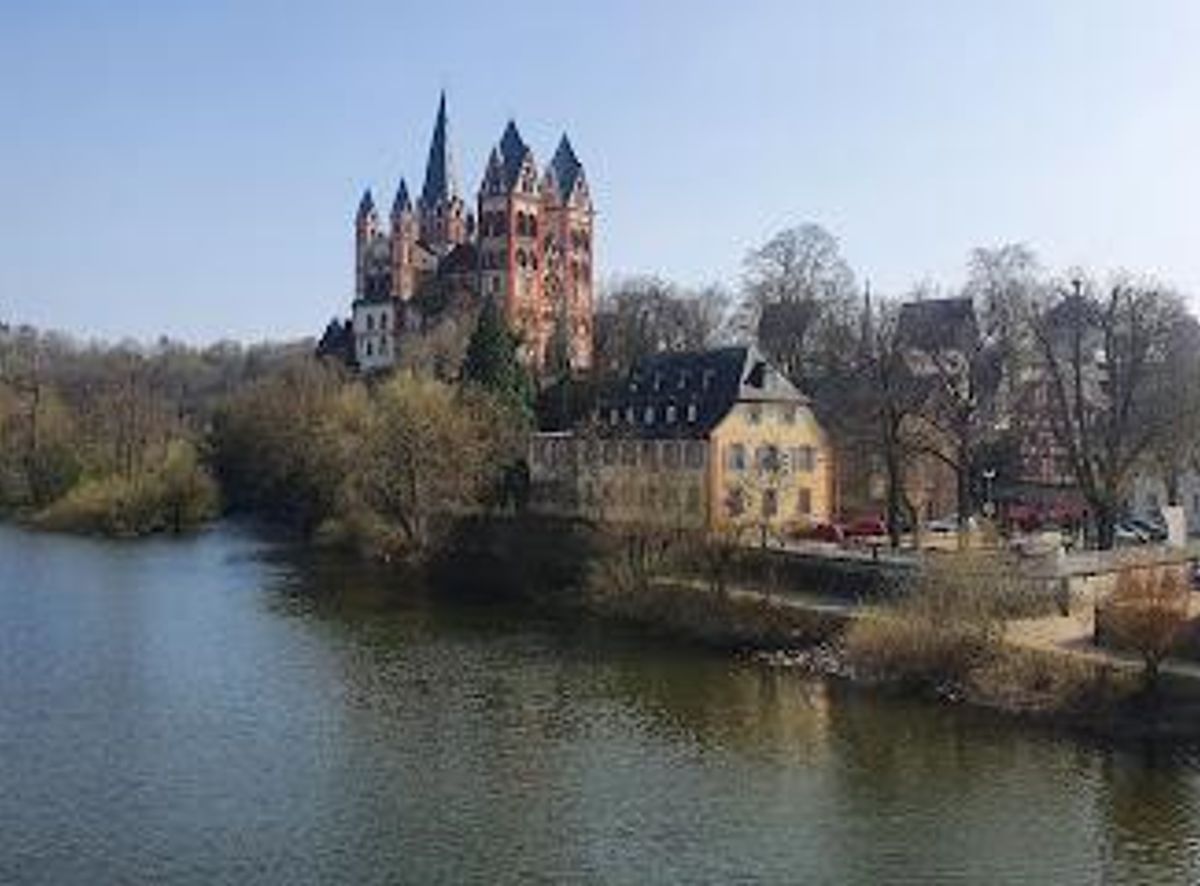
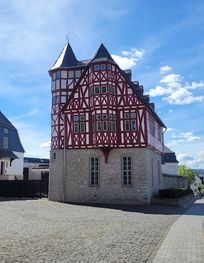
Limburg an der Lahn, a captivating town in Hesse, Germany, enchants visitors with its remarkably preserved medieval architecture and idyllic setting on the Lahn River. The iconic Limburg Cathedral, a stunning example of Romanesque and early Gothic architecture, dominates the skyline, while the Altstadt (Old Town) beckons with its labyrinthine cobblestone streets and charming half-timbered houses. Limburg's rich history, dating back to the 8th century, is palpable as you wander through its historic heart, discovering architectural treasures like Römer 2-4-6, Germany's oldest free-standing house, and the intriguing House of the Seven Deadly Sins. Easily accessible and offering a wealth of cultural and historical attractions, Limburg provides an unforgettable glimpse into Germany's medieval past, making it a worthwhile destination for any traveler seeking authentic experiences.

A brief summary to Limburg

Local tips

  • Explore the Altstadt on foot to fully appreciate the intricate details of the half-timbered houses and discover hidden courtyards.
  • Climb the Limburg Cathedral tower for panoramic views of the town and the Lahn River valley.
  • Visit the Limburg Cathedral Treasury to see the Staurothek, a priceless reliquary box dating back to the 10th century.
  • Take a leisurely stroll along the Lahn River and enjoy the scenic views of the town's riverside architecture.
  • Check out the local events calendar for festivals and markets that showcase Limburg's cultural heritage.
widget icon

Getting There

  • Walking

    From Limburg (Lahn) train station, the Altstadt and Limburg Cathedral are approximately a 10-minute walk. Exit the station and follow the signs towards the city center (Zentrum/Altstadt). The route leads through the charming alleys of the old town, gradually ascending towards the Domplatz (Cathedral Square). The cathedral's distinctive spires serve as a constant visual guide. Note that the walk involves a slight incline.

  • Public Transport

    If arriving at Limburg Süd (ICE) station, take bus line LM-5 towards Limburg (Lahn) ZOB Süd. From there, it's a short walk to the Altstadt. A single bus fare costs approximately €2-4. Alternatively, a taxi from Limburg Süd to the Altstadt costs around €5-7.

  • Driving

    When driving, follow the signs to Limburg Zentrum/Altstadt. Be aware that the Altstadt is a low-emission zone, requiring a green emissions sticker for your vehicle. Parking is available in several car parks around the Altstadt, including Cityparkhaus (P10) and Altstadt (P1). Parking costs approximately €2 per hour or €9 for the whole day. Note that parking spaces can be limited, especially during peak season.

Unlock the Best of Limburg

Buy tickets

    No tickets available

Book tours with entry

    No tours available

Book tours without entry

    No tours available

Discover more about Limburg

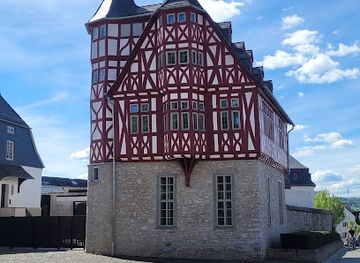
Limburg an der Lahn, often simply called Limburg, is a captivating town nestled in the heart of Hesse, Germany. Its strategic location on the Lahn River, between the bustling metropolis of Frankfurt and the historic city of Koblenz, has shaped its rich history and made it a significant crossroads for centuries. Today, Limburg stands as a remarkably well-preserved medieval town, offering visitors a unique glimpse into Germany's past. The town's most iconic landmark is undoubtedly the Limburg Cathedral (Limburger Dom), also known as St. George's Cathedral. Perched dramatically atop a rock overlooking the Lahn River, the cathedral's striking silhouette dominates the townscape and can be seen from afar. Built primarily in the 13th century, the cathedral is a masterpiece of Romanesque and early Gothic architecture, showcasing a blend of styles that reflects the artistic dynamism of the era. Its seven distinctive spires, more than any other church in Germany, symbolize the seven sacraments and contribute to its unique and imposing presence. Stepping inside the Limburg Cathedral is like entering a sacred realm. The interior, with its soaring arches, intricate stonework, and stunning stained-glass windows, evokes a sense of awe and reverence. The cathedral's walls are adorned with colorful frescoes, depicting biblical scenes and adding to the rich tapestry of its artistic heritage. The cathedral's treasury houses a collection of priceless religious artifacts, including the Staurothek, a reliquary box dating back to the 10th century. Beyond the cathedral, Limburg's Altstadt (Old Town) is a treasure trove of medieval charm. A stroll through its narrow, winding cobblestone streets is like stepping back in time. The town is renowned for its abundance of well-preserved half-timbered houses (Fachwerkhäuser), many dating back to the 17th and 18th centuries, though some structures are even older. These picturesque houses, with their timber frames and decorative facades, create a fairytale-like atmosphere that enchants visitors. Among the many architectural gems in the Altstadt, several stand out. Römer 2-4-6 is considered the oldest free-standing house in Germany, dating back to 1289. Its Gothic timbered structure is a testament to the craftsmanship of the era. The House of the Seven Deadly Sins (Haus der sieben Laster), built in 1567, is another notable landmark, adorned with grotesque faces carved into its beams, representing the seven deadly sins in Christianity. Other noteworthy half-timbered houses include Haus Kleine Rütsche 4, which marks the narrowest point on the old trade route between Cologne and Frankfurt, and the Werner-Senger Haus, known for its intricate facade. The Alte Lahnbrücke (Old Lahn Bridge), dating back to 1315, is another important historical landmark in Limburg. This centuries-old stone bridge, with its six arches and a statue of St. John of Nepomuk, once served as a vital link on medieval trade routes. Today, it offers scenic views of the Lahn River and the cathedral towering above its banks. Limburg's history stretches back over a thousand years. The town's origins can be traced to the 8th century, when the first castle buildings arose on the Limburg crags, likely to protect a ford over the Lahn River. The town is first mentioned in documents in 910, under the name Lintpurc, when Louis the Child granted Konrad Kurzbold an estate to build a church. Over the centuries, Limburg grew in importance as a trade hub and a center of ecclesiastical power. Limburg's strategic location along major trade routes contributed to its prosperity. The town was situated on the Via Publica, a major trade route connecting Cologne to Frankfurt and beyond. The Alte Lahnbrücke played a crucial role in facilitating trade and commerce, and the toll merchants paid to cross the bridge was a significant source of revenue for the town. In the 14th century, Limburg suffered a series of setbacks, including outbreaks of the plague, which led to a decline in its population. However, the town experienced a revival in the early 19th century, when it became part of the newly founded Duchy of Nassau. In 1827, Limburg became the seat of a Catholic diocese, further enhancing its importance. Today, Limburg an der Lahn is a vibrant town that seamlessly blends its rich history with modern life. Its well-preserved medieval architecture, stunning cathedral, and idyllic setting on the Lahn River make it a popular destination for tourists seeking an authentic German experience. The town offers a variety of cultural attractions, including museums, art galleries, and historical sites. Visitors can also enjoy a range of outdoor activities, such as hiking, cycling, and canoeing along the Lahn River. Limburg is easily accessible by car and train. The town is located near the A3 motorway, which connects Frankfurt and Cologne. There are also frequent train services from Frankfurt and other major cities. Limburg has two railway stations: Limburg (Lahn), which serves regional trains, and Limburg Süd, which serves high-speed ICE trains. Whether you are a history buff, an architecture enthusiast, or simply looking for a charming and picturesque town to explore, Limburg an der Lahn is sure to captivate your senses and leave you with lasting memories.

Popular Experiences near Limburg

Popular Hotels near Limburg

Select Currency