Nassau Castle, Westerwald Travel Guide
Explore the ancestral seat of the House of Nassau, with panoramic views of the Lahn Valley, offering a glimpse into German history and the origins of European royalty.
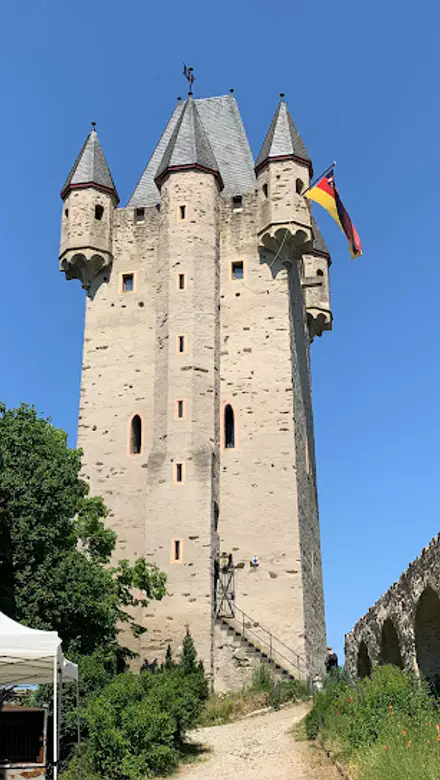
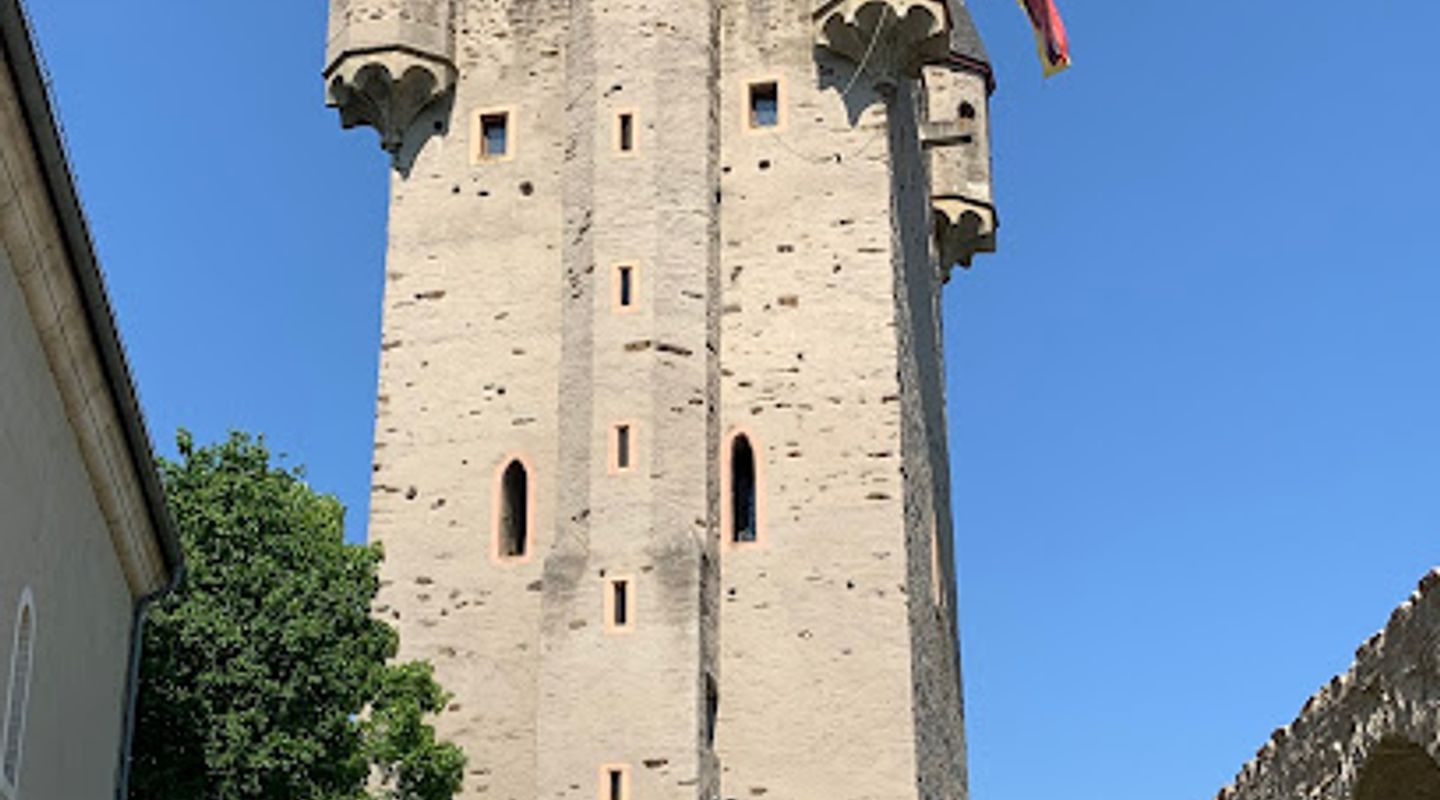
Nassau Castle, perched high above the Lahn River in Rhineland-Palatinate, Germany, offers a captivating journey through centuries of history. As the ancestral seat of the House of Nassau, whose descendants include the royal families of the Netherlands and Luxembourg, the castle holds significant historical importance. Built around 1100, the castle ruins showcase architectural remnants from various periods, including a reconstructed keep, window arcades and a dungeon. Visitors can explore the castle grounds, enjoy panoramic views of the Lahn Valley, and delve into the region's past through informative exhibits within the tower. The castle provides a tangible connection to the past, set against the backdrop of the charming town of Nassau.
A brief summary to Nassau Castle
- Glockenstraße, Nassau, 56377, DE
- Click to display
- Click to display
- Wednesday 1 pm-6 pm
- Thursday 1 pm-6 pm
- Friday 1 pm-6 pm
- Saturday 11 am-6 pm
- Sunday 11 am-6 pm

Know before you go
Hi, I'm Eve. Here are a few practical things to know before exploring Nassau Castle.
- Wear comfortable shoes for exploring the castle grounds, as the terrain can be uneven in places.
- Check the opening hours of the tower exhibition and dungeon in advance, as they may vary depending on the season.
- Bring a camera to capture the stunning views of the Lahn Valley from the castle's observation platform.
- Consider visiting during the summer months to enjoy the bistro and castle tavern, offering refreshments with a view.
- Combine your visit to Nassau Castle with a stroll through the charming town of Nassau, exploring its historic streets and local shops.
Do you manage this location?
Take control to get all the benefits, like improved information, better appearance, and stronger visibility across AI-powered discovery. Learn more about listing your business on Evendo
Activate your presenceOther nearby places you may find interesting
The closest places of the same kind, if this one is not quite what you had in mind.
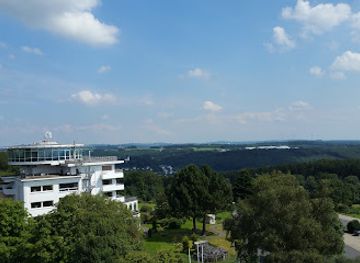
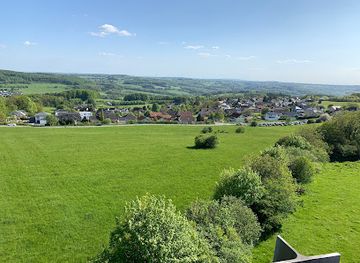
Explore Nassau Castle on the Map
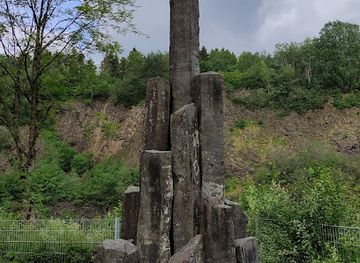
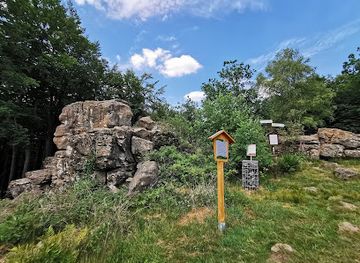
A handpicked selection of must-see spots near Nassau Castle, mapped for you.
Getting There
-
Walking
From the center of Nassau, the castle is a relatively short but uphill walk. Follow the signs directing you towards 'Burg Nassau'. The path winds through the town and then ascends the hill leading to the castle. The walk takes approximately 15-20 minutes, offering scenic views along the way. Note that the final approach involves a moderately steep climb. There are no costs associated with walking to the castle.
-
Parking
If driving, parking is available in Nassau town. From the parking area, follow the signs towards the castle, which involves a short uphill walk. Parking fees vary, with hourly rates typically around €1-2. Daily rates are approximately €5-8. Be aware that parking spaces can be limited, especially during peak season.
-
Public Transport
The nearest bus stop is in the center of Nassau. From there, follow the walking directions to the castle. A single bus fare within Nassau is approximately €2-3. Check local bus schedules for accurate timings.
Discover more about Nassau Castle













Your all‑in‑one travel companion app
Explore expert travel guides, compare and book tours, experiences, hotels, and more—all from the palm of your hand. Download now for seamless trip planning wherever your wanderlust takes you.


Explore More of Westerwald
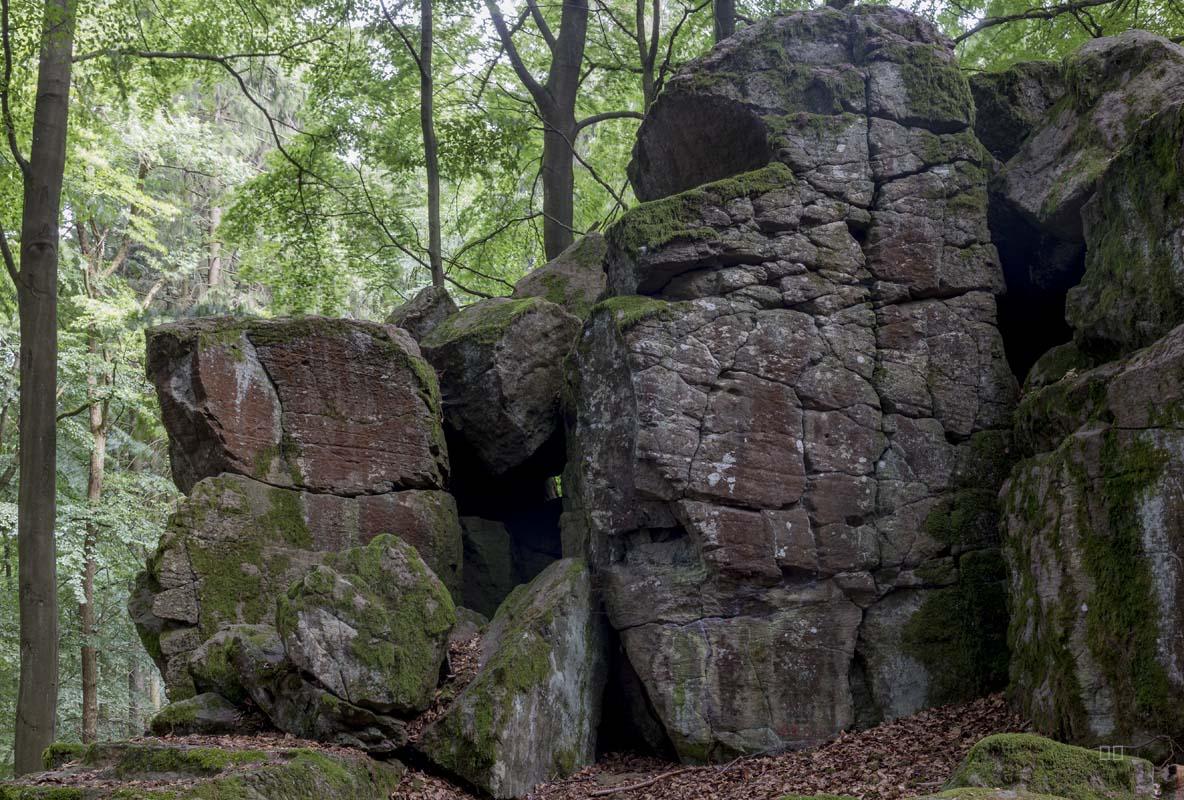
Looking beyond Nassau Castle? Discover Westerwald for broader travel guides, local hot-spots, and regional highlights.
Explore Westerwald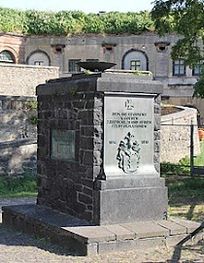
Reflect on history at the Denkmal für das Infanterie-Regiment „von Goeben“ Nr. 28 within the majestic Ehrenbreitstein Fortress, offering panoramic views and a poignant tribute to fallen soldiers.

Discover the enchanting Wild-Freizeitpark-Westerwald, where wildlife encounters meet amusement park excitement for a perfect family adventure.