Background

Kurfürstliches Schloss: A Jewel on the Rhine

Discover the grandeur of the Kurfürstliches Schloss in Koblenz: a neoclassical masterpiece with opulent interiors, stunning gardens, and a rich history along the Rhine River.

4.4

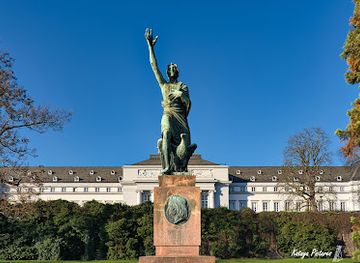
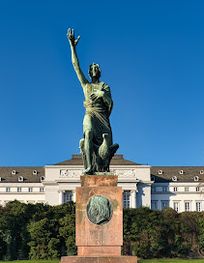
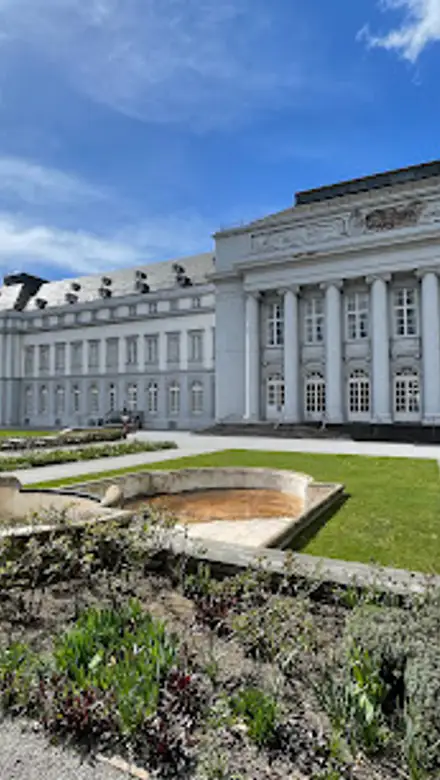
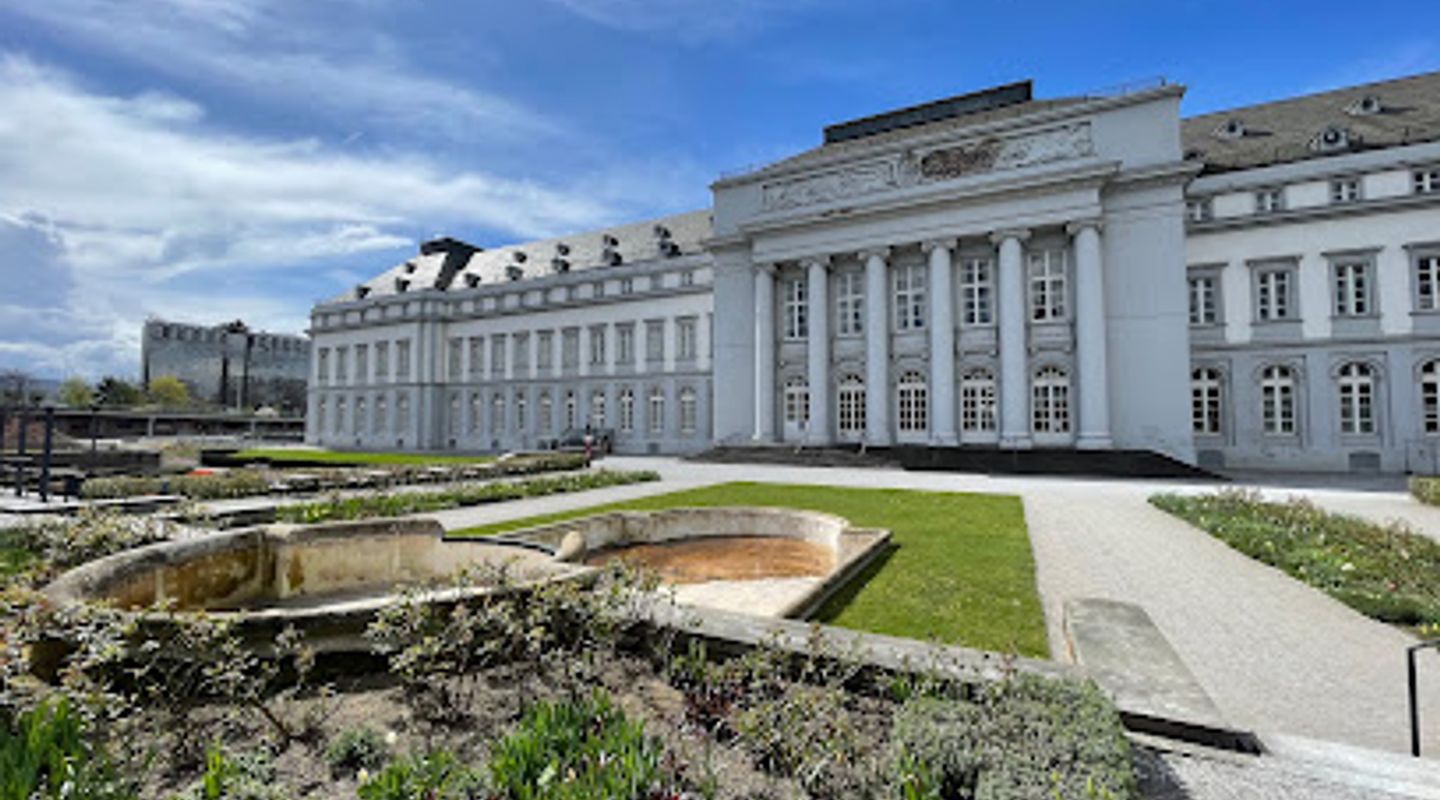
The Kurfürstliches Schloss, or Electoral Palace, in Koblenz, stands as a magnificent testament to neoclassical architecture and the city's rich history. Situated along the banks of the Rhine, near the Deutsches Eck where the Rhine and Moselle rivers meet, this palace offers visitors a glimpse into the lives of the electors and royalty who once resided within its walls. Its strategic location and stunning design make it a prominent landmark and a must-see attraction for anyone visiting Koblenz. The palace's meticulously restored interiors, coupled with its expansive gardens and historical significance, provide a captivating experience that blends culture, history, and scenic beauty. Whether you're an architecture enthusiast, a history buff, or simply seeking a picturesque setting, the Electoral Palace promises an enriching and memorable visit. Explore its opulent halls, wander through its verdant grounds, and immerse yourself in the grandeur of a bygone era.

A brief summary to Schloss Koblenz

Local tips

  • Visit during the warmer months to fully enjoy the palace gardens and the views of the Rhine.
  • Check the event schedule; the palace often hosts concerts and exhibitions.
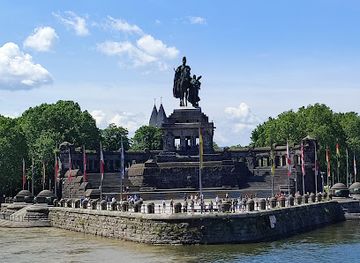
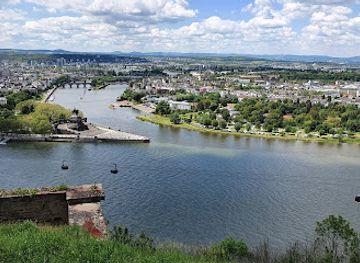
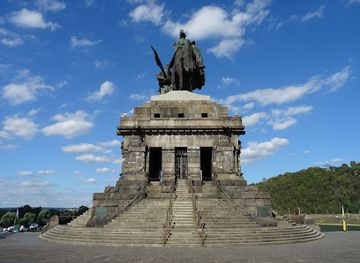
  • Combine your visit with a trip to the Deutsches Eck for panoramic views of the Rhine and Moselle.
widget icon

Getting There

  • Walking

    From the Deutsches Eck, walk southwest along Konrad-Adenauer-Ufer, keeping the Rhine River on your right. The palace will become visible within a few minutes. Continue along the promenade until you reach the palace entrance. The walk is approximately 5-10 minutes and offers scenic views.

  • Public Transport

    If arriving by train at Koblenz Hauptbahnhof (main station), take bus lines 1, 6, 8, or 9 towards the city center. Get off at the 'Schloss' stop, which is directly in front of the Electoral Palace. A single bus fare is approximately €2.60.

  • Taxi/Ride-Share

    A taxi or ride-share from Koblenz Hauptbahnhof to the Electoral Palace costs approximately €8-€12, depending on traffic. The journey takes about 5-10 minutes. Specify 'Kurfürstliches Schloss' as your destination.

Unlock the Best of Schloss Koblenz

Buy tickets

    No tickets available

Book tours with entry

    No tours available

Book tours without entry

    No tours available

Discover more about Schloss Koblenz

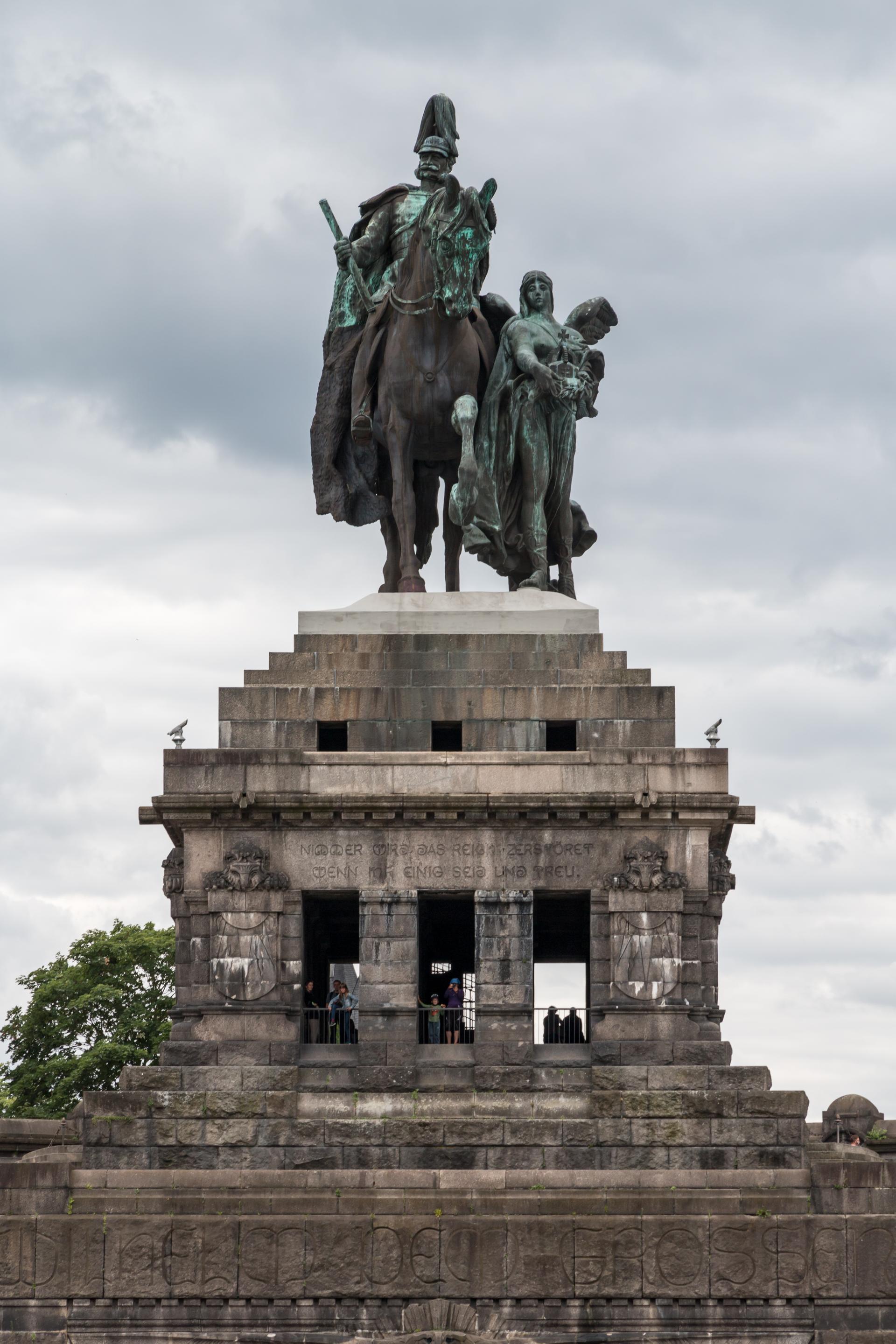
The Kurfürstliches Schloss, or Electoral Palace, in Koblenz, is a stunning example of early neoclassical architecture, gracing the banks of the Rhine River. Its history is as rich and layered as its meticulously crafted façade, making it a compelling destination for history enthusiasts and casual tourists alike. Construction of the palace began in 1777 under Elector Clemens Wenceslaus of Saxony, who sought a more modern and representative residence than the Ehrenbreitstein Fortress across the river, which he found unsuitable for courtly life. The initial designs were conceived by the French architect Michel-Antoine Moitte, and later refined by Peter Joseph Michel. However, the palace's construction was interrupted by the French Revolutionary Wars, and it remained incomplete for several years. In the early 19th century, Koblenz fell under French rule, and the palace served as a military hospital. Later, it became the residence of the Prussian military governor. It was during this period that the palace underwent significant alterations and expansions, particularly under the direction of the architect Johann Claudius von Lassaulx. These modifications gave the palace its present-day appearance, blending neoclassical elements with Prussian architectural sensibilities. The palace played a crucial role in German history during the 19th century. It served as the residence for Prince William of Prussia (later Emperor William I) and his wife Augusta for several years. Their presence transformed Koblenz into a center of political and social activity. Augusta, in particular, left a lasting legacy through her patronage of the arts and her commitment to social causes. The palace became a hub for intellectual and cultural exchange, hosting numerous dignitaries and artists. During World War II, the Electoral Palace suffered extensive damage from Allied bombing raids. Much of the palace was reduced to ruins, and its interiors were gutted by fire. However, after the war, the city of Koblenz embarked on a painstaking restoration project to rebuild the palace to its former glory. The restoration, which took several decades, was a testament to the city's commitment to preserving its historical heritage. Today, the Electoral Palace stands as a symbol of Koblenz and a major tourist attraction. Visitors can explore the palace's opulent state rooms, which have been meticulously restored to reflect their 19th-century appearance. The interiors are adorned with period furniture, exquisite tapestries, and portraits of the electors and royalty who once resided there. The palace also houses a museum that showcases the history of Koblenz and the Rhineland region. The palace gardens, which extend along the Rhine, are a tranquil oasis in the heart of the city. These gardens were originally designed in the English landscape style and offer stunning views of the river and the Ehrenbreitstein Fortress. Visitors can stroll along the winding paths, admire the manicured lawns and flowerbeds, and relax by the fountains and sculptures. The Electoral Palace also serves as a venue for concerts, exhibitions, and other cultural events throughout the year. Its grand halls and picturesque gardens provide a unique setting for these events, attracting both locals and tourists. Located near the Deutsches Eck, where the Rhine and Moselle rivers meet, the palace is easily accessible and makes for a perfect starting point for exploring Koblenz. The Deutsches Eck, with its imposing monument to Emperor William I, is just a short walk from the palace and offers panoramic views of the rivers and the surrounding landscape. Visiting the Electoral Palace is an immersive experience that transports you back in time. You can almost hear the echoes of the electors and royalty who once walked its halls, and imagine the grand balls and political intrigues that took place within its walls. The palace is not just a historical monument; it is a living testament to the resilience and cultural richness of Koblenz. Whether you are interested in history, architecture, or simply seeking a beautiful place to relax and enjoy the scenery, the Electoral Palace is a must-see destination. Its blend of historical significance, architectural grandeur, and scenic beauty makes it a highlight of any visit to Koblenz. Take your time to explore its many facets, and you will discover a treasure trove of stories and experiences that will stay with you long after you leave. The palace's location also makes it an ideal base for exploring the wider Rhineland region. Koblenz is situated at the heart of the Rhine Gorge, a UNESCO World Heritage Site known for its dramatic landscapes, picturesque villages, and historic castles. From Koblenz, you can take a river cruise along the Rhine, visit the famous Lorelei rock, or explore the charming towns of Rüdesheim and Bacharach. The Electoral Palace is more than just a building; it is a symbol of Koblenz's past, present, and future. It is a place where history comes alive, where beauty abounds, and where memories are made. A visit to the palace is an unforgettable experience that will enrich your understanding of German history and culture. Don't miss the opportunity to explore this magnificent palace and discover the many treasures it holds. Whether you are a seasoned traveler or a first-time visitor, the Electoral Palace will leave you with a lasting impression of Koblenz and the Rhineland region. Its grandeur and beauty are sure to captivate you, and its history will inspire you. So, come and experience the magic of the Electoral Palace for yourself.

Popular Experiences near Schloss Koblenz

Popular Hotels near Schloss Koblenz

Select Currency