Background

Bismarckdenkmal: A Monument to German History

Discover the Bismarckdenkmal in Lübeck, a historical landmark celebrating the legacy of Otto von Bismarck amidst serene gardens, offering a glimpse into Germany's past.

4.2

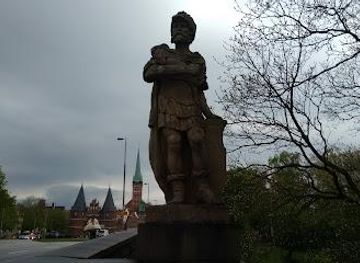
The Bismarckdenkmal in Lübeck is a historical landmark dedicated to Otto von Bismarck, the first Chancellor of the German Empire. Erected in the early 20th century, this monument stands as a testament to Bismarck's significant role in German unification and 19th-century European politics. Located on Lindenplatz, near the main train station, the Bismarckdenkmal offers visitors a glimpse into Germany's past amidst a serene park setting. While the monument itself is a striking piece of historical art, the surrounding area provides a tranquil space for reflection and appreciation of Lübeck's rich heritage. The Bismarckdenkmal is easily accessible and provides a unique opportunity to connect with a pivotal figure in German history.

A brief summary to Bismarckdenkmal

  • Lindenpl., Lübeck, Sankt Lorenz Süd, 23558, DE

Local tips

  • Combine your visit with a walk around the Lindenplatz park for a relaxing experience.
  • Visit the nearby Lübeck Hauptbahnhof for convenient access to public transportation.
  • Explore the historic St. Lorenz Süd district, known for its mix of residential and commercial buildings.
widget icon

Getting There

  • Public Transport

    From Lübeck Hauptbahnhof (main train station), the Bismarckdenkmal is a short walk. Exit the station towards Lindenplatz. The monument is located within the park. Several bus lines also stop near the Hauptbahnhof and Lindenplatz, including lines 1, 3, 7, 9, 10, 12, 21, 17, EV, X85, 8150, 8710, 6, 16, 26, 11 and 15. A single bus fare within Lübeck is approximately €2-3.

  • Walking

    From the Lübeck ZOB (Central Bus Station), walk east along Konrad-Adenauer-Straße, then turn right onto Lindenplatz. The Bismarckdenkmal will be visible within the park on your left. The walk is approximately 5-10 minutes.

  • Taxi/Ride-Share

    A taxi or ride-share from Lübeck Hauptbahnhof to the Bismarckdenkmal is a short trip, costing approximately €8-12, depending on traffic and the provider.

  • Driving

    If driving, parking is available in the Lindenarcaden parking garage nearby (Lindenarcaden, 23558 Lübeck). Parking fees are approximately €2.50 per hour. Limited street parking may also be available in the surrounding area.

Unlock the Best of Bismarckdenkmal

Buy tickets

    No tickets available

Book tours with entry

    No tours available

Book tours without entry

    No tours available

Discover more about Bismarckdenkmal

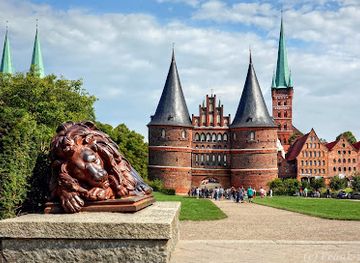
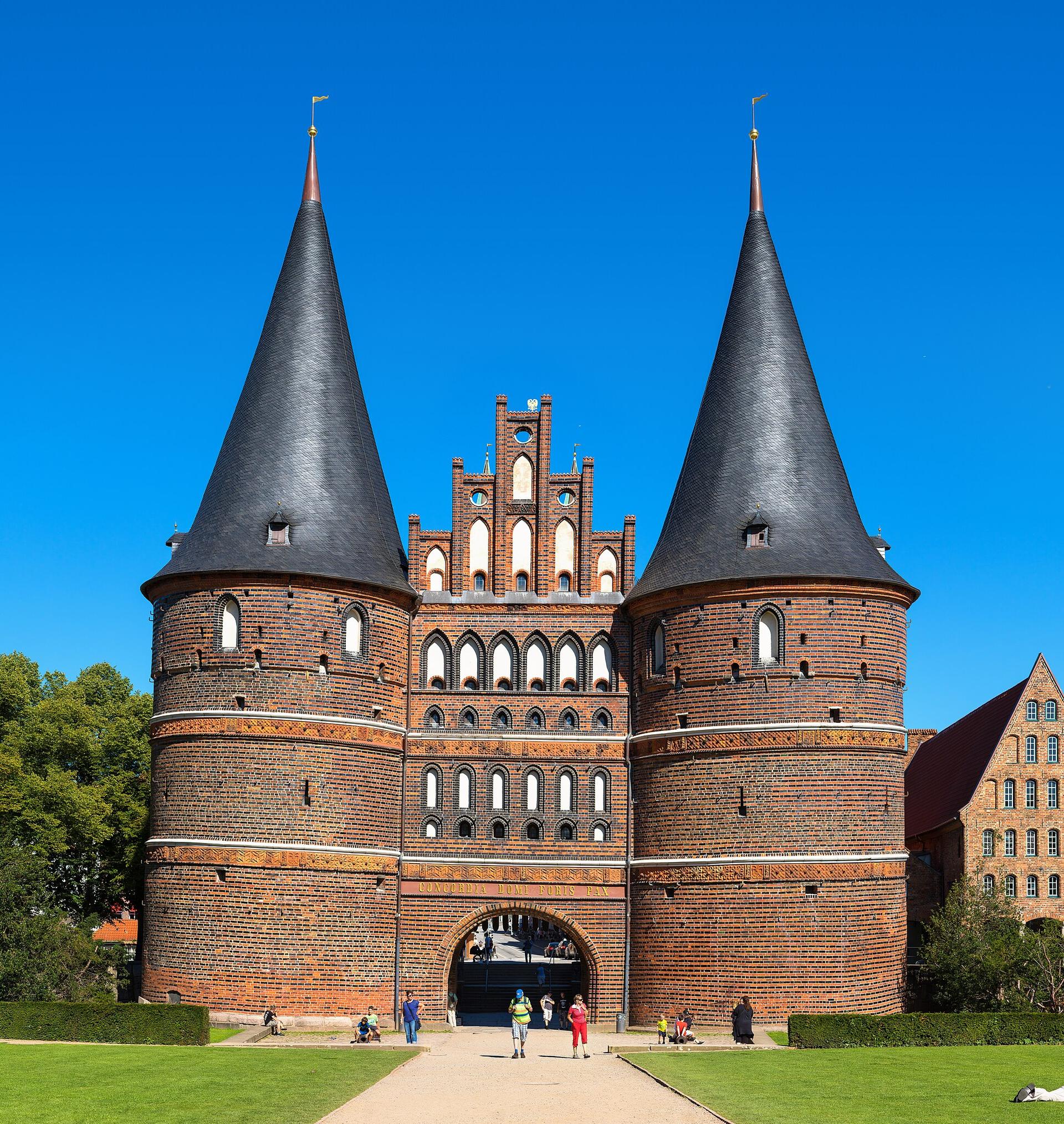
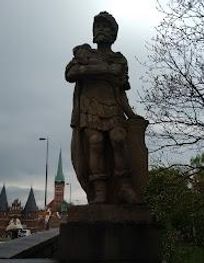
The Bismarckdenkmal in Lübeck is a monument dedicated to Otto von Bismarck, the prominent 19th-century statesman who served as Prime Minister of Prussia and the first Chancellor of the German Empire. Bismarck played a crucial role in unifying Germany, and monuments like this one were erected across the country to honor his legacy. The Lübeck Bismarckdenkmal is located on Lindenplatz, a green space near the main train station (Hauptbahnhof) in the St. Lorenz Süd district. The monument presents a stern-looking Bismarck. The statue is set on a pedestal. The monument serves as a reminder of Germany's complex history and the figures who shaped its national identity. Otto von Bismarck (1815-1898) was one of the most influential European figures of the 19th century. As Prime Minister of Prussia from 1862 to 1890, he skillfully navigated political alliances and wars to unify the German states into a single empire. His policies, often described as *Realpolitik*, prioritized practical considerations of power over ideological concerns. After the unification of Germany in 1871, Bismarck served as the first Chancellor, guiding the new nation through its formative years. The Bismarckdenkmal in Lübeck, like many others erected across Germany, reflects the nationalistic fervor of the late 19th and early 20th centuries. These monuments were intended to celebrate Bismarck's achievements and solidify his image as a national hero. However, Bismarck's legacy is complex and has been subject to different interpretations over time. While he is credited with unifying Germany, his policies also had authoritarian aspects, and his role in shaping German history remains a topic of debate. Visiting the Bismarckdenkmal offers an opportunity to reflect on these historical complexities and consider the different perspectives on Bismarck's life and work. The monument itself is a work of art, and its location in a public park provides a space for contemplation and appreciation of Lübeck's urban landscape. Lübeck, the city where the Bismarckdenkmal is located, is a city steeped in history. As the "Queen of the Hanseatic League," Lübeck was a major center of trade and commerce in Northern Europe for centuries. Its well-preserved medieval architecture, including the iconic Holstentor gate and the impressive Marienkirche (St. Mary's Church), has earned it recognition as a UNESCO World Heritage Site. Exploring Lübeck's Old Town is like stepping back in time. The narrow streets, historic buildings, and charming courtyards offer a glimpse into the city's rich past. Visitors can explore the Hanseatic history at the European Hansemuseum, admire the intricate details of the city's churches, and sample local specialties like marzipan, for which Lübeck is famous. The Bismarckdenkmal is located near the Lübeck Hauptbahnhof (main train station), making it easily accessible for visitors arriving by train. From the station, it's a short walk to Lindenplatz, where the monument stands. The area around the monument is a mix of residential and commercial buildings, with shops, restaurants, and cafes nearby. While visiting the Bismarckdenkmal, take some time to explore the surrounding area. Stroll through the park, admire the architecture of the nearby buildings, and perhaps stop for a coffee or a meal at one of the local establishments. The monument is a reminder of Germany's past, and the surrounding city offers a glimpse into its present. The Bismarckdenkmal in Lübeck is more than just a statue; it's a symbol of German history, a work of art, and a place for reflection. Whether you're a history buff, an art enthusiast, or simply looking for a peaceful place to spend some time, the Bismarckdenkmal is worth a visit. Consider the monument in the context of its time. It was erected during a period of intense nationalism and reflects the desire to celebrate German unity and strength. However, it's also important to recognize the complexities of Bismarck's legacy and the different perspectives on his role in history. The Bismarckdenkmal in Lübeck is a reminder that history is not just about dates and events; it's about people, ideas, and the forces that shape our world. By visiting historical sites like this one, we can gain a deeper understanding of the past and its relevance to the present. The Bismarckdenkmal in Lübeck is a destination that combines historical significance with artistic merit and urban charm. It's a place where visitors can connect with the past, appreciate the present, and reflect on the future. Visiting the Bismarckdenkmal is a chance to learn about Otto von Bismarck, the "Iron Chancellor" who played a pivotal role in shaping modern Germany. His policies and actions had a profound impact on European history, and understanding his legacy is essential for understanding the Germany of today. The Bismarckdenkmal in Lübeck is a testament to the enduring power of history and the importance of remembering the figures who have shaped our world. It's a place where visitors can connect with the past, appreciate the present, and reflect on the future.

Popular Experiences near Bismarckdenkmal

Popular Hotels near Bismarckdenkmal

Select Currency