Background

Puppenbrücke: Lübeck's Stone Bridge Adorned with Statues

Cross Lübeck's historic Puppenbrücke, adorned with captivating statues, and step into a world where art, history, and Hanseatic charm converge in a picturesque setting.

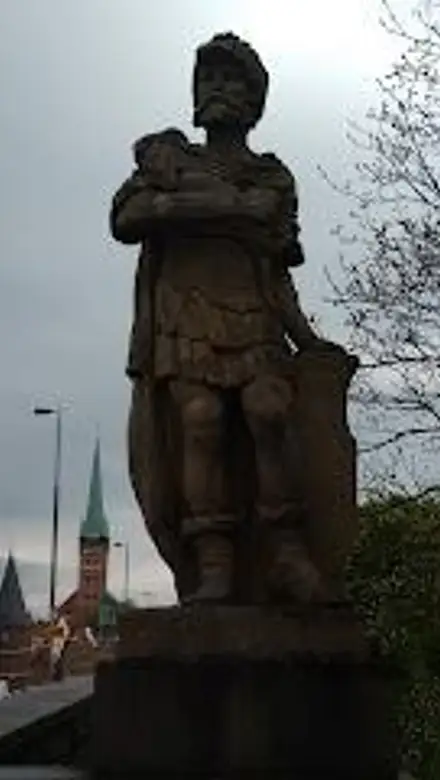
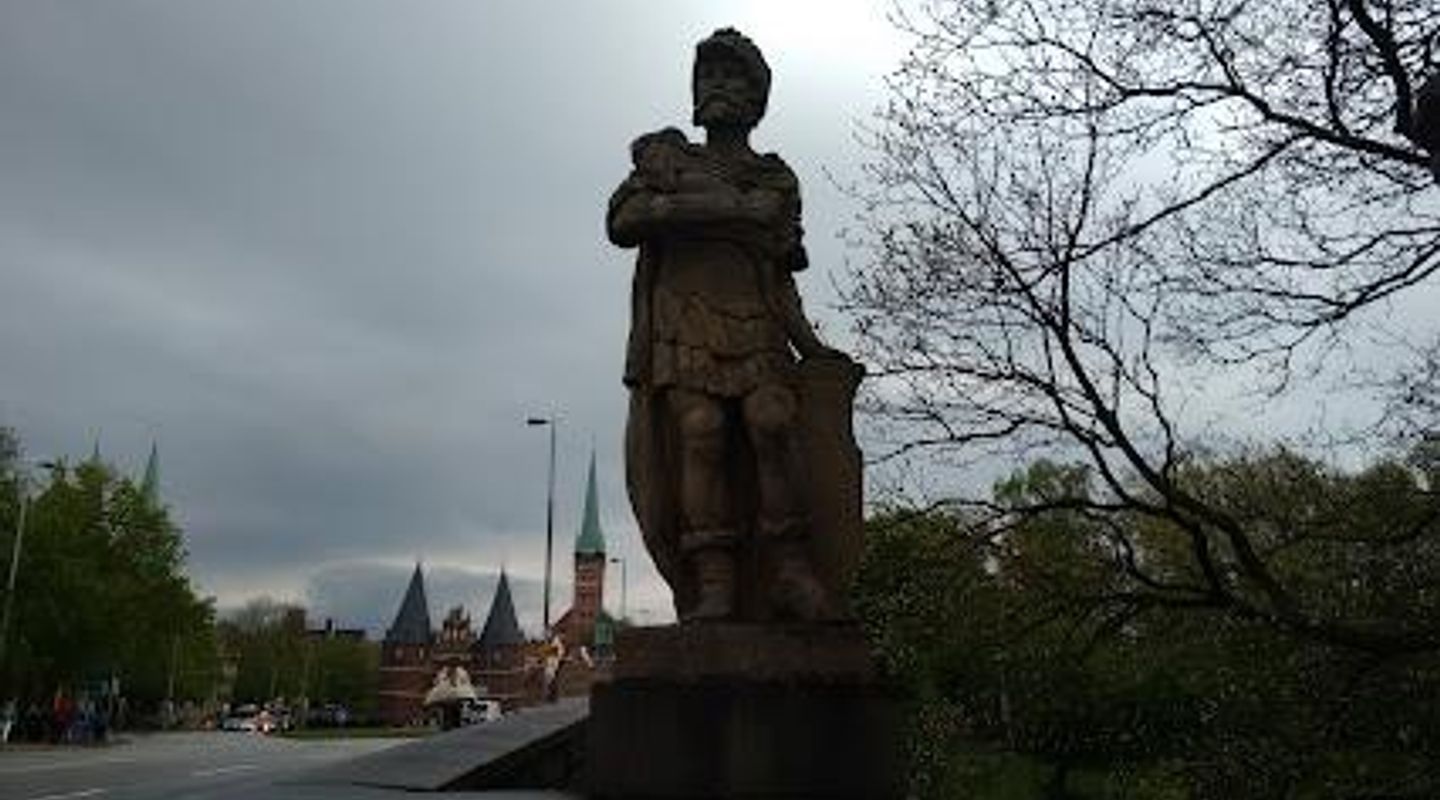
The Puppenbrücke (Puppet Bridge) is Lübeck's oldest stone bridge, dating back to 1768-69. It is a vital thoroughfare and a charming landmark adorned with life-size statues that have captured the imagination of locals and visitors alike. Connecting the Old Town with the areas west of the Holstentor, the bridge provides easy access to the heart of Lübeck. The statues, crafted by Dietrich Jürgen Boy, depict Roman gods and allegorical figures, lending a touch of classical elegance to the Hanseatic city. Though the originals reside in the St. Annen Museum, the current sculptures continue to delight, making the Puppenbrücke a must-see for anyone exploring Lübeck's rich history and architectural beauty. The bridge offers picturesque views of the surrounding canals and historic buildings, making it a favorite spot for photographers and those seeking a tranquil moment amidst the bustling city.

A brief summary to Puppenbrücke

  • Lübeck, DE

Local tips

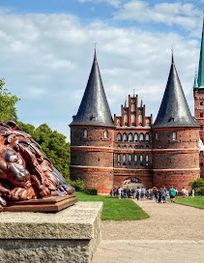
  • Take a stroll across the Puppenbrücke during sunset for stunning views of the Holstentor and the Old Town reflected in the canal.
  • Visit the St. Annen Museum to see the original sandstone statues that once adorned the bridge and learn more about their history.
  • Look closely at the statues to appreciate the intricate details and symbolism behind each figure, representing Lübeck's history and values.
widget icon

Getting There

  • Walking

    From Lübeck Hauptbahnhof (main train station), exit the station and walk straight ahead on Konrad-Adenauer-Straße. Continue for approximately 500 meters. You will see the Puppenbrücke directly in front of you, leading towards the Holstentor. The walk is straightforward and takes about 5-10 minutes. Alternatively, from the Holstentorplatz bus stop, the Puppenbrücke is a short walk east, clearly visible as it leads towards the Holstentor.

  • Public Transport

    Several bus lines stop near the Puppenbrücke. The closest bus stops are Lübeck Holstentorplatz, Lübeck Lindenarcaden, and Lübeck ZOB/Hauptbahnhof. From any of these stops, the Puppenbrücke is within a 5-minute walk. Check local bus schedules for the most up-to-date information. A single bus fare within Lübeck is approximately €2.50.

  • Taxi/Ride-Share

    A taxi or ride-share from Lübeck Hauptbahnhof to the Puppenbrücke will take approximately 5 minutes, depending on traffic. The estimated cost is between €8 and €12. Simply ask to be dropped off near the Holstentor, and you will see the Puppenbrücke immediately.

Unlock the Best of Puppenbrücke

Buy tickets

    No tickets available

Book tours with entry

    No tours available

Book tours without entry

    No tours available

Discover more about Puppenbrücke

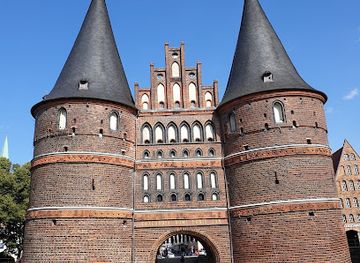
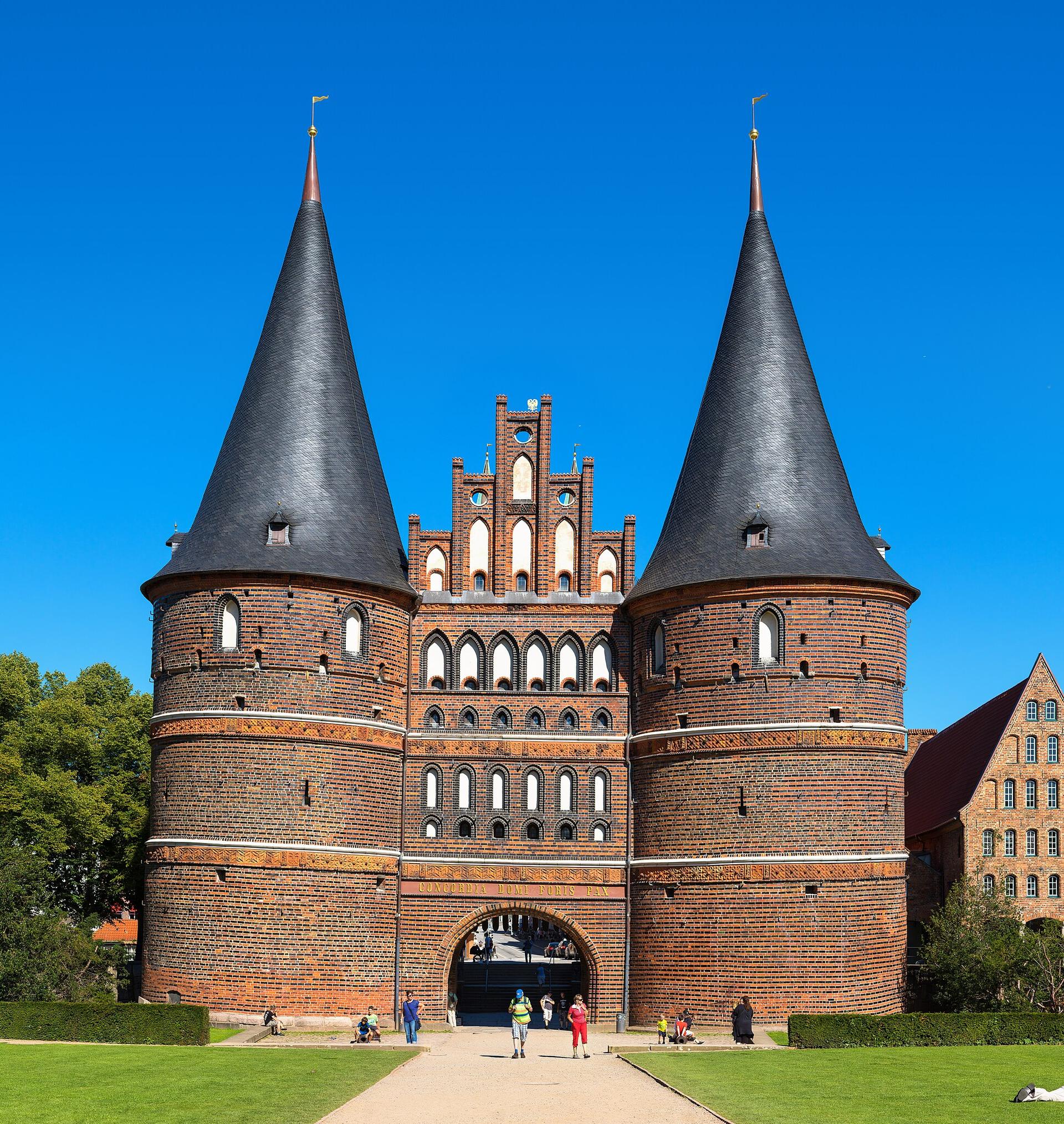
The Puppenbrücke, or Puppet Bridge, stands as a testament to Lübeck's rich history and architectural evolution. As the city's first stone bridge, its construction in 1768-69 marked a significant advancement in Lübeck's infrastructure. More than just a functional crossing, the Puppenbrücke has become a beloved landmark, famed for the statues that lend it a unique character and whimsical charm. Originally, a wooden bridge stood in its place, providing passage over the Stadtgraben (city moat) since the late 15th century. However, the constant need for repairs led city officials to commission a more durable stone structure. City architect Johann Adam Soherr designed the bridge, and construction began in 1770, utilizing stone from a demolished monastery in Reinfeld. The bridge was completed in two years, boasting a length of 51 meters and a drawbridge section measuring 3 meters wide. In 1774, the city council decided to embellish the bridge with sculptures. Local sculptor Dietrich Jürgen Boy was tasked with creating eight sandstone statues and four vases. These figures, completed between 1774 and 1776, represented various allegorical themes and deities, including Mercury, Neptune, a Roman soldier, and personifications of wisdom, peace, unity, diligence, and patriotism. These sculptures quickly captured the public's imagination, and the bridge became known as the Puppenbrücke. Over time, the bridge underwent changes to accommodate increasing traffic. In 1907, it was widened, and while the statues were retained, their arrangement was altered. The original sandstone statues suffered from environmental damage and were eventually moved to the St. Annen Museum for preservation. Replicas were created to take their place on the bridge, ensuring that the Puppenbrücke continued to delight visitors with its iconic figures. The statues themselves are rich in symbolism. Mercury, the Roman god of commerce and communication, reflects Lübeck's history as a major trading hub in the Hanseatic League. Neptune, the god of the sea, represents the city's maritime connections and its importance as a port. The Roman soldier symbolizes civic virtue, while other figures embody ideals such as peace, wisdom, and patriotism. The Puppenbrücke offers stunning views of the surrounding area. To the east, the iconic Holstentor looms, providing a picturesque backdrop. To the west, the bridge connects to the heart of Lübeck's Old Town, a UNESCO World Heritage site. The bridge itself spans the Stadtgraben, adding to the area's charm. Today, the Puppenbrücke remains a vital part of Lübeck's transportation network and a popular tourist attraction. Visitors can stroll across the bridge, admire the statues, and soak in the atmosphere of this historic city. The bridge is easily accessible from the Lübeck Hauptbahnhof (main train station) and is a short walk from many of the city's other attractions. The Puppenbrücke is more than just a bridge; it is a symbol of Lübeck's history, art, and culture. Its statues tell stories of trade, maritime power, and civic virtue, while its architecture reflects the city's evolution over the centuries. A visit to the Puppenbrücke is an essential part of any trip to Lübeck, offering a glimpse into the heart and soul of this captivating Hanseatic city. While visiting the Puppenbrücke, take note of the intricate details of the statues. Each figure has its own unique pose and expression, reflecting the artist's skill and the symbolism behind the character. Look for the Roman soldier, representing the strength and resilience of Lübeck's citizens. Find Mercury, the god of trade, a nod to Lübeck's rich history as a trading hub. And don't miss Neptune, the god of the sea, a reminder of Lübeck's connection to the Baltic Sea and its maritime power. As you stroll across the bridge, take a moment to appreciate the views. To the east, the Holstentor stands tall, a symbol of Lübeck's strength and independence. To the west, the Old Town beckons, with its charming streets, historic buildings, and hidden courtyards. The Stadtgraben flows beneath the bridge, adding to the area's tranquil atmosphere. The Puppenbrücke is a place where history comes alive. It is a place where art and architecture blend seamlessly, creating a unique and unforgettable experience. Whether you are a history buff, an art lover, or simply someone who appreciates beauty, the Puppenbrücke is sure to captivate your imagination and leave you with a lasting impression of Lübeck's charm and character. Don't forget to bring your camera! The Puppenbrücke is a photographer's dream, offering countless opportunities to capture stunning images of Lübeck's beauty. Whether you are shooting in the golden light of sunrise or the soft glow of sunset, the bridge and its statues will provide a perfect backdrop for your photos. And finally, be sure to take your time. The Puppenbrücke is a place to slow down, relax, and soak in the atmosphere. Stroll across the bridge, admire the statues, and let your imagination wander. This is a place where you can connect with the past, appreciate the present, and create memories that will last a lifetime.

Popular Experiences near Puppenbrücke

Popular Hotels near Puppenbrücke

Select Currency