Lübecker Löwen, Lubeck Travel Guide
Discover the majestic Lübecker Löwen, symbols of Lübeck's Hanseatic heritage, guarding the historic Burgtor and Holstentor in the heart of this UNESCO World Heritage city.
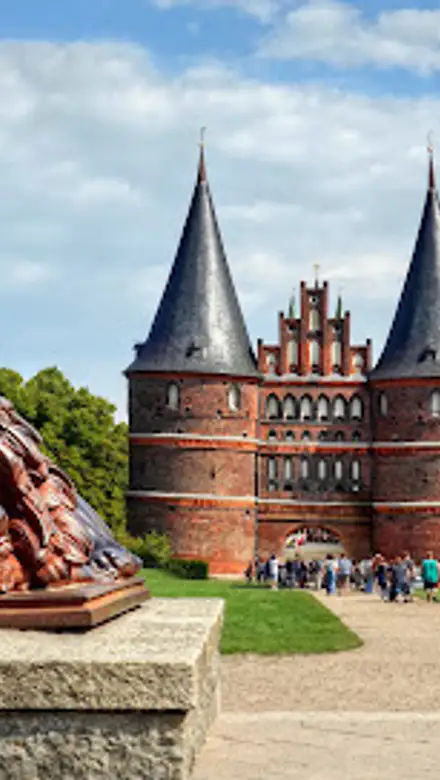
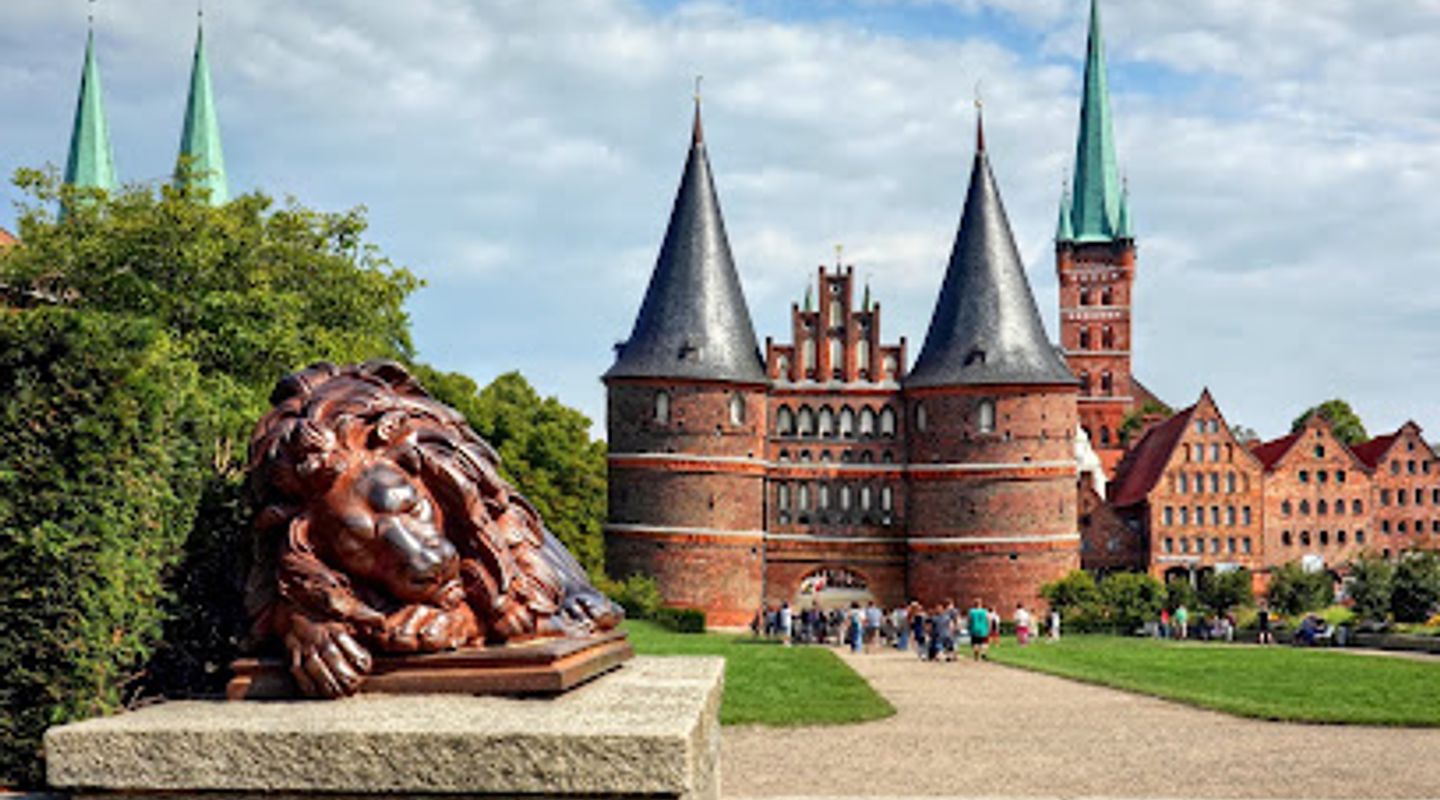
The Lübecker Löwen, a set of four lion sculptures, stand proudly near the Burgtor, one of Lübeck's historic city gates. Two bronze lions grace the Burgtorbrücke, while their more famous cast-iron cousins keep watch near the Holstentor. These statues symbolize Lübeck's strength and history as a 'Lion City.' The Burgtor lions, less known than their Holstentor counterparts, offer a quieter moment of reflection on Lübeck's rich past. The Burgtor itself, dating back to 1444, adds to the historical ambiance. A visit to these sculptures provides a glimpse into Lübeck's medieval fortifications and artistic heritage, offering a unique photo opportunity away from the bustling crowds. The lions serve as a reminder of Lübeck's historical significance as a Hanseatic city and its enduring legacy.
A brief summary to Lübecker Löwen
- Burgtorbrücke, Lübeck, Lübecker Altstadt, 23568, DE

Know before you go
Hi, I'm Eve. Here are a few practical things to know before exploring Lübecker Löwen.
- Visit the Burgtor lions early in the morning for a peaceful experience and to capture the best light for photography.
- Combine your visit to the Burgtor lions with a walk along the Stadtmauer (city wall) for panoramic views of Lübeck.
- Explore the nearby Burgkloster, a medieval monastery with impressive architecture and a rich history.
Do you manage this location?
Take control to get all the benefits, like improved information, better appearance, and stronger visibility across AI-powered discovery. Learn more about listing your business on Evendo
Activate your presenceOther nearby places you may find interesting
The closest places of the same kind, if this one is not quite what you had in mind.


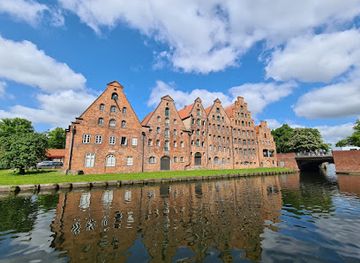
Explore Lübecker Löwen on the Map
A handpicked selection of must-see spots near Lübecker Löwen, mapped for you.
Unlock the Best of Lübecker Löwen
Buy tickets
-
No tickets available
Book tours with entry
-
No tours available
Book tours without entry

Getting There
-
Walking
From Lübeck Hauptbahnhof (main train station), it's approximately a 15-20 minute walk to the Lübecker Löwen at Burgtorbrücke. Exit the station and follow the signs towards the Altstadt (Old Town). Walk along Konrad-Adenauer-Straße, then turn left onto Fackenburger Allee. Continue straight, crossing the Puppenbrücke bridge. After crossing the bridge, turn right onto Kanalstraße. Follow Kanalstraße until you reach the Burgtorbrücke. The lions are located at the northern end of the bridge, flanking the Burgtor. Alternatively, from the Holstentor, walk north along Wallstraße, then turn right onto Kanalstraße. Continue until you reach the Burgtorbrücke.
-
Public Transport
From Lübeck Hauptbahnhof, several bus lines will take you close to the Burgtor. Take bus number 3, 4, 10, 11, 12, 15, 21, 25, 30, 31, 34, 39, 40 or 8720 and get off at the 'Gustav-Radbruch-Platz' stop. From there, it's a short 2-minute walk to the Burgtorbrücke. Walk north along Kanalstraße until you reach the bridge. The lions are located at the northern end of the bridge, flanking the Burgtor. A single bus fare is approximately €2.80.
-
Taxi/Ride-Share
A taxi or ride-share from Lübeck Hauptbahnhof to the Burgtorbrücke will take approximately 5-10 minutes, depending on traffic. The estimated fare is between €8-€12.
-
Parking
If driving, parking is available near the Burgtor. There is a parking garage at Kanalstraße 1-5 (Parkhaus Am Burgtor). Hourly rates are approximately €1.20, and a day pass costs around €6.00. There is also a parking space at Kanalstraße (Parkplatz vor dem PH Burgtor). Parking fees are charged Mon–Sat 10 am–6 pm and Sun 10 am–2 pm.
Discover more about Lübecker Löwen













Your all‑in‑one travel companion app
Explore expert travel guides, compare and book tours, experiences, hotels, and more—all from the palm of your hand. Download now for seamless trip planning wherever your wanderlust takes you.


Explore More of Lubeck
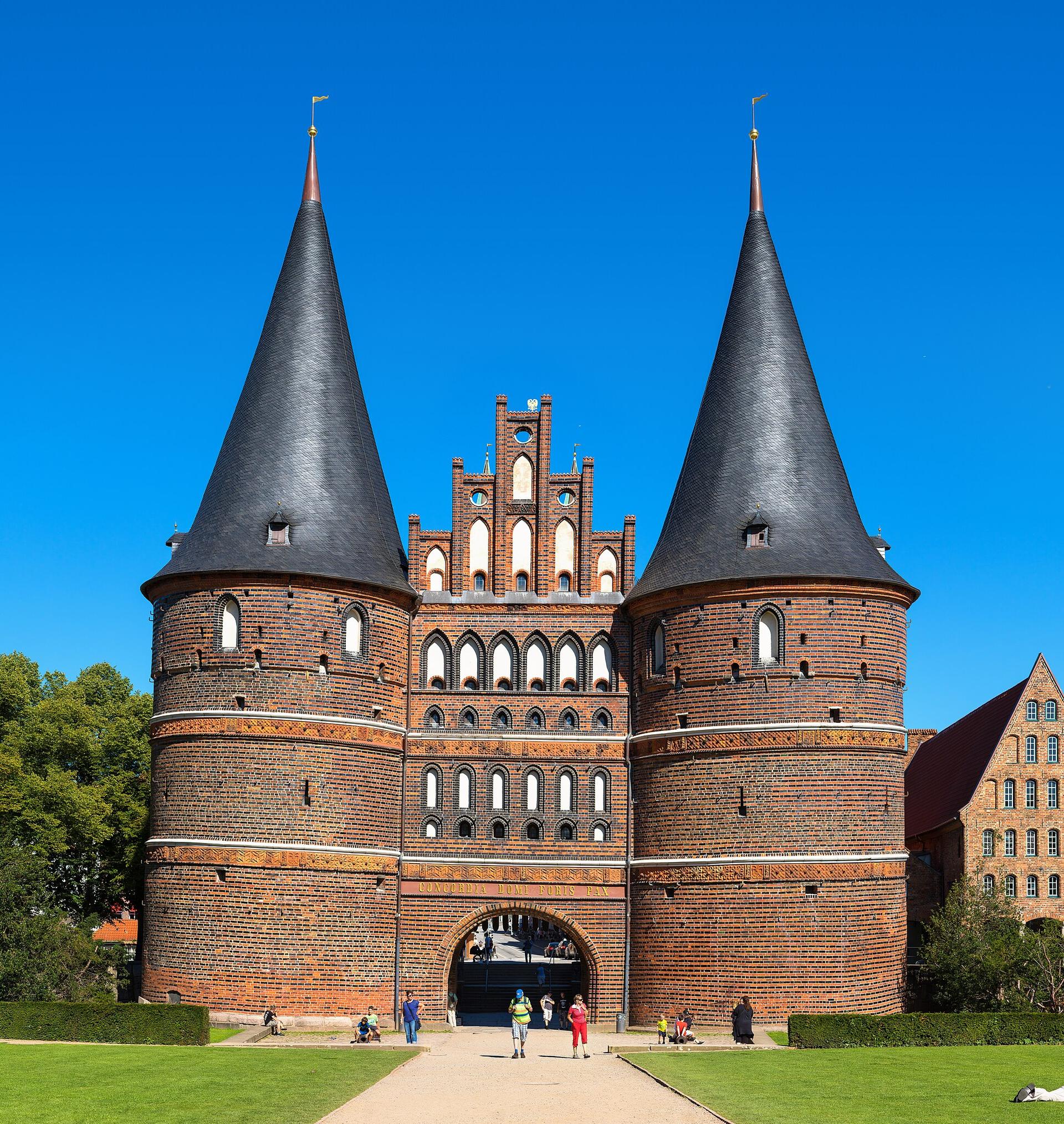
Looking beyond Lübecker Löwen? Discover Lubeck for broader travel guides, local hot-spots, and regional highlights.
Explore Lubeck
Discover the Kaisertor in Lübeck, a historical landmark blending medieval defense with 19th-century architecture, offering a glimpse into the city's Hanseatic past and strategic importance.

Discover the iconic Holstentor in Lübeck, a magnificent medieval gate and UNESCO World Heritage Site, offering a captivating journey through Hanseatic history and impressive architecture.