

Heritage Site Travel Guide
Free Guide: Explore Forst (Lausitz), a town steeped in textile history and natural beauty, from its famed Rose Garden to its historical churches, offering a unique glimpse into Lower Lusatia's heritage.


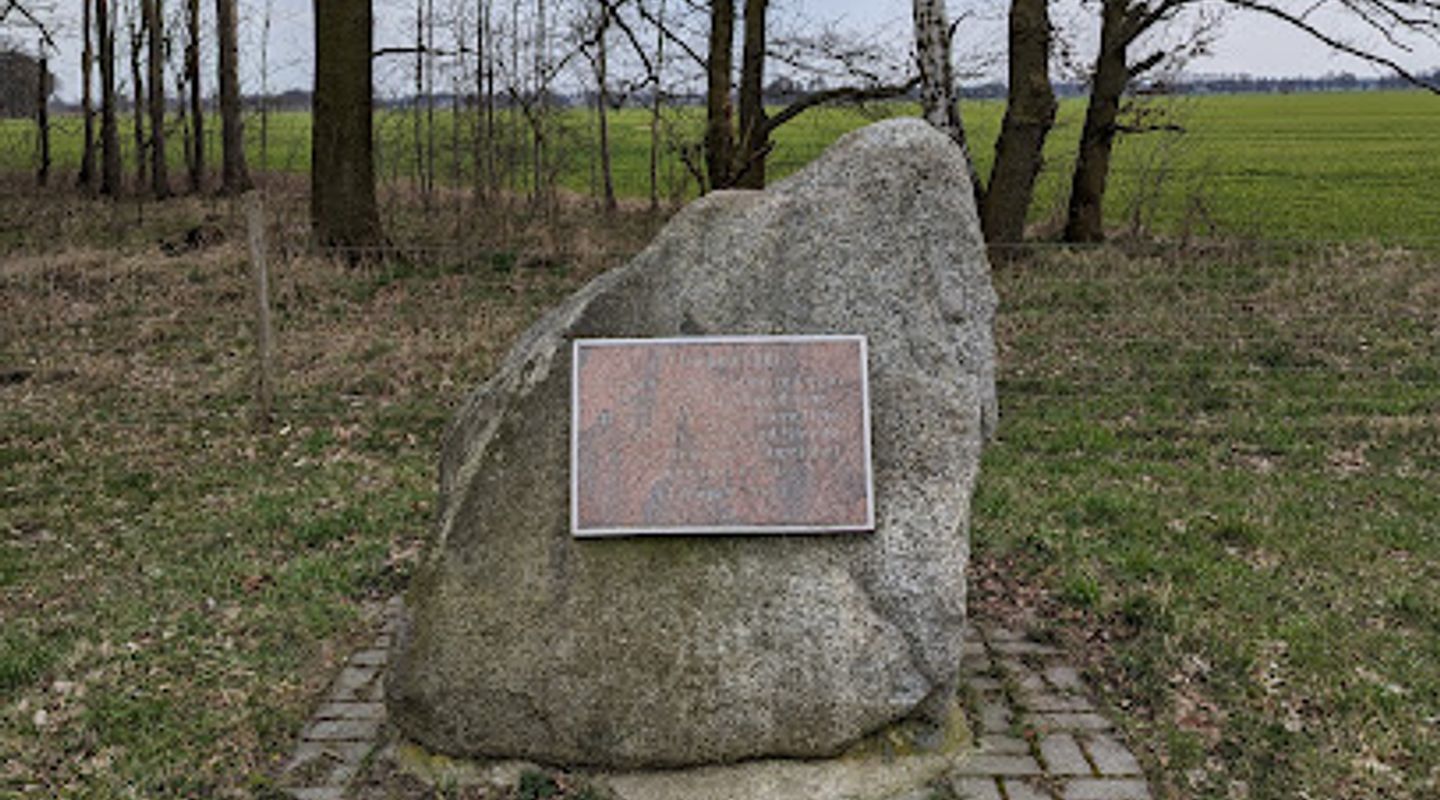
A brief summary of Heritage Site
Explore Forst (Lausitz), a town steeped in textile history and natural beauty, from its famed Rose Garden to its historical churches, offering a unique glimpse into Lower Lusatia's heritage.
The Heritage Site in Forst (Lausitz) offers a glimpse into the region's rich history and cultural heritage. While specific details about this site are limited, Forst itself boasts a fascinating past, particularly its role as a center of textile manufacturing, earning it the nickname 'German Manchester'. Explore the town's historical architecture, including significant churches like the Johann Sebastian Bach Church and the Village Church Sacro, each showcasing distinct architectural styles. The nearby East German Rose Garden provides a stunning contrast with its meticulously maintained landscapes and thousands of rose varieties. Discover the town's industrial past at the Textile Museum, which displays machinery used in textile production from 1900 to 1950. Forst (Lausitz) provides a unique blend of historical insights and natural beauty, making it a worthwhile destination for travelers interested in exploring the cultural heritage of Lower Lusatia.
- Address
- QJXM+X4, 03149 Forst (Lausitz)
Getting there
Public Transport
Walking
Driving
Discover more about Heritage Site
Overview
Forst (Lausitz), a town nestled on the Lusatian Neisse River along the German-Polish border, carries a rich tapestry of history and cultural significance. While the specific 'Heritage Site' referenced requires further clarification, the town itself serves as an open-air museum, showcasing its evolution through centuries of occupations, wars, and annexations. Originally established around 1150 near a river crossing on the vital 'Salt Road,' Forst's strategic location facilitated trade between Halle and Lusatia, fostering its early growth. By 1265, it had developed into a permanent trading settlement centered around the Church of St. Nicholas, a testament to its enduring importance. The town's commercial prominence further solidified with the development of routes connecting it to Guben, enhancing its role as a regional hub. The 18th century marked a turning point when Heinrich von Brühl, minister to Augustus III of Poland, acquired Forst. Brühl's influence spurred the establishment of a cloth and linen manufactory, laying the foundation for Forst's future as a textile powerhouse. This era saw the town's landscape transformed by industrial architecture, remnants of which still stand today. During the 19th century, Forst experienced rapid industrialization, earning the moniker 'German Manchester.' The advent of the steam engine and the arrival of the railway in 1872 propelled the town to the forefront of German textile production. This period witnessed the construction of numerous factories and mills, shaping the town's identity and attracting a growing workforce. However, the 20th century brought both prosperity and devastation. World War II inflicted significant damage on Forst, destroying large portions of the town. Despite the destruction, many examples of industrial architecture survived, bearing witness to the town's resilience. The reunification of Germany in 1990 presented new challenges. The textile industry, once the lifeblood of Forst, collapsed, leading to widespread unemployment and economic hardship. Despite these challenges, Forst has persevered, seeking to preserve its heritage and revitalize its economy. Today, Forst (Lausitz) offers visitors a unique blend of historical insights and natural beauty. The East German Rose Garden, a sprawling 17-hectare park, showcases thousands of rose varieties and provides a tranquil escape. The Brandenburg Textile Museum offers a glimpse into the town's industrial past, displaying machinery and artifacts from its textile manufacturing heyday. Beyond the Rose Garden and Textile Museum, Forst boasts several architecturally significant churches, including the Johann Sebastian Bach Church and the Village Church Sacro. These churches reflect the town's diverse religious heritage and architectural styles. Exploring the surrounding countryside by bicycle is a popular activity, with well-maintained cycle paths leading through pastoral landscapes and thick forests. These paths offer a chance to connect with nature and appreciate the beauty of the Lusatian region. Forst's culinary scene reflects its proximity to Poland, with local specialties influenced by Polish cuisine. Visitors can also find a variety of international restaurants, bistros, and taverns offering Greek, Mexican, and French cuisine. While the specific 'Heritage Site' may remain undefined, Forst (Lausitz) as a whole presents a compelling destination for travelers seeking to explore the cultural heritage of Lower Lusatia. Its blend of industrial history, natural beauty, and architectural gems makes it a worthwhile stop for those venturing through eastern Germany.
Evendo Review Centre
 Google
Guest reviews
Explore Heritage Site on the map
A handpicked selection of must-see spots near Heritage Site, mapped for you.
Get your free copy of our complete guide to Heritage Site, delivered straight to you.
Everything on this page, from opening hours and how to get there to Eve’s tips and the best time to go, in one PDF you can read offline, print or share.
Already have an account? Sign in
Your Heritage Site guide is ready.
We'll send it to · Not you? Sign out

Getting your guide ready…
We are putting together a fresh copy of the Heritage Site guide. This can take up to a minute.
This can take a few moments. If your browser asks, choose Allow so the download can start. You'll find the guide in your Downloads folder.
Nothing happened? Download it again
Sorry, the guide is taking longer than usual. Please try again in a minute, or get it by email instead.
Other nearby places you may find interesting
The closest places of the same kind, if this one is not quite what you had in mind.
-
-
-
-
-


Swipe for more places
More to explore near Heritage Site

 Best experiences near Heritage Site
 Best hotels near Heritage Site
 Best landmarks near Heritage Site
 Best attractions near Heritage Site
 Best shops near Heritage Site
 Best restaurants near Heritage Site
 Best bars near Heritage Site
Do you manage this location?
Take control to get all the benefits, like improved information, better appearance, and stronger visibility across AI-powered discovery.
Explore more

Explore more of Lusatia
Discover Lusatia: A blend of natural beauty, rich cultural heritage, and charming towns in Eastern Germany, offering a unique experience for every traveler.
Explore Lusatia
Explore more of Germany
Experience Germany: where history meets innovation, and urban energy blends with natural beauty. Discover diverse cultures, delicious cuisine, and stunning landscapes.
Explore Germany
