
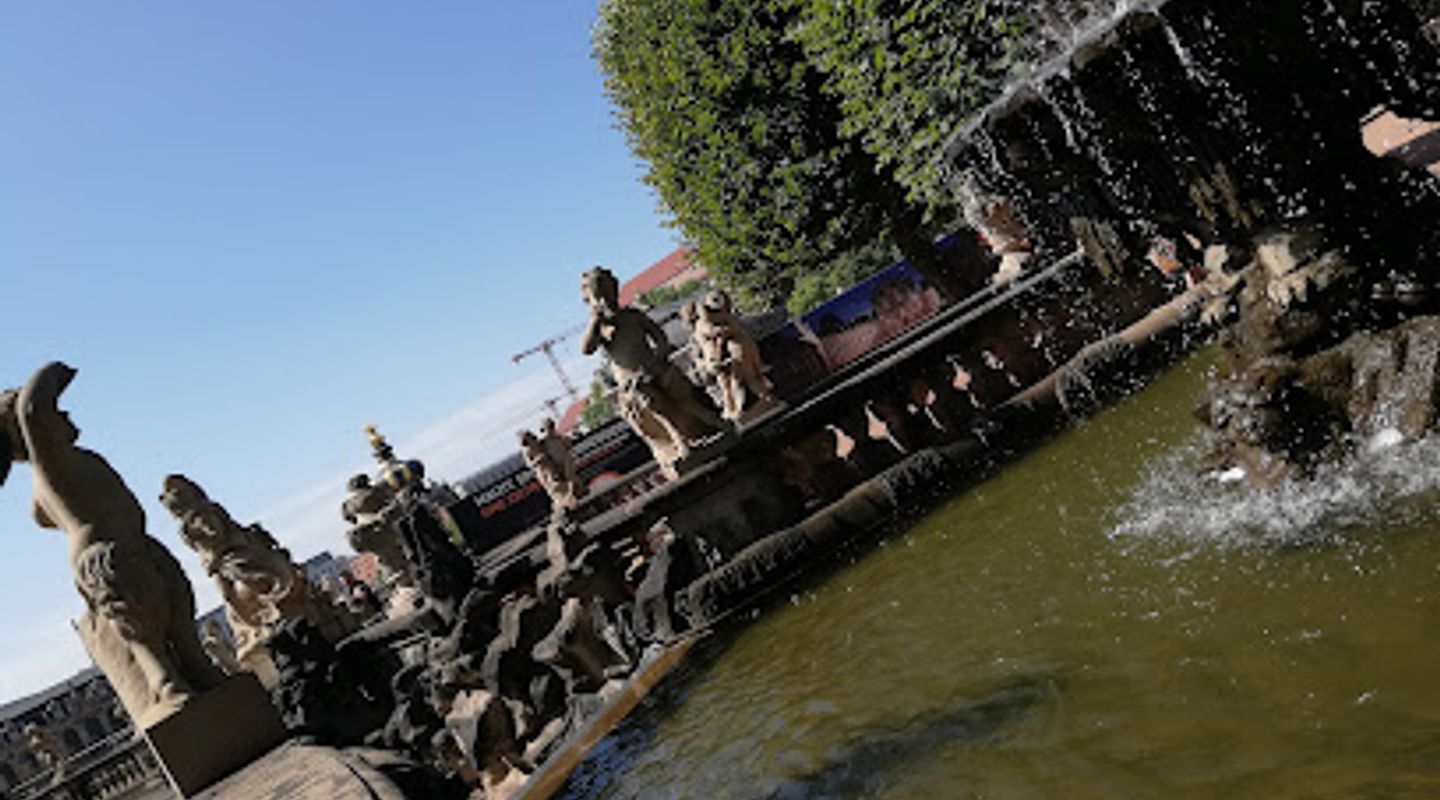
Dresden Zwinger, Saxony Travel Guide
Discover the Dresden Zwinger, a breathtaking Baroque palace housing world-renowned art collections and stunning gardens, a testament to Dresden's rich cultural heritage.
The Dresden Zwinger is a stunning Baroque palace in the heart of Dresden, Germany. Originally conceived as an orangery and festival ground by Augustus the Strong in the early 18th century, it evolved into a magnificent complex of pavilions, galleries, and gardens. Today, it houses world-renowned museums, including the Old Masters Picture Gallery, the Porcelain Collection, and the Royal Cabinet of Mathematical and Physical Instruments. Visitors can marvel at masterpieces like Raphael's Sistine Madonna, explore exquisite porcelain artistry, and discover historical scientific instruments, all within the Zwinger's breathtaking architectural embrace. The Zwinger is more than just a museum; it's a living testament to Dresden's rich history and cultural heritage, offering a captivating experience for art lovers, history buffs, and anyone seeking beauty and inspiration.
A brief summary to Dresden Zwinger
- Sophienstraße, Dresden, Altstadt, 01067, DE
- Click to display
- Click to display
- Monday 6 am-10 pm
- Tuesday 6 am-10 pm
- Wednesday 6 am-10 pm
- Thursday 6 am-10 pm
- Friday 6 am-10 pm
- Saturday 8 am-8 pm
- Sunday 8 am-10 pm

Know before you go
Hi, I'm Eve. Here are a few practical things to know before exploring Dresden Zwinger.
- Visit early in the morning or later in the afternoon to avoid the biggest crowds, especially during peak tourist season.
- Purchase a combination ticket to access multiple museums within the Zwinger for a discounted price.
- Check the schedule for the Glockenspiel (carillon) performances in the Glockenspielpavillon for a delightful musical experience.
- Take a stroll through the inner courtyard and Nymphenbad (Nymph Bath) to enjoy the tranquil gardens and stunning Baroque sculptures.
- Allow ample time to explore the Old Masters Picture Gallery, home to masterpieces like Raphael's Sistine Madonna.
Do you manage this location?
Take control to get all the benefits, like improved information, better appearance, and stronger visibility across AI-powered discovery. Learn more about listing your business on Evendo
Activate your presenceOther nearby places you may find interesting
The closest places of the same kind, if this one is not quite what you had in mind.

Explore Dresden Zwinger on the Map
A handpicked selection of must-see spots near Dresden Zwinger, mapped for you.
Unlock the Best of Dresden Zwinger
Buy tickets
-
No tickets available
Book tours with entry


Getting There
-
Public Transport
The Dresden Zwinger is easily accessible by public transport. From Dresden Hauptbahnhof (main station), take tram line 8 towards Hellerau or line 11 towards Bühlau to the 'Postplatz' stop. Alternatively, from Dresden Airport, take S-Bahn line S2 towards Pirna and get off at 'Dresden Mitte' station, then transfer to tram line 1 towards Prohlis or line 2 towards Kleinzschachwitz, also alighting at 'Postplatz'. From Postplatz, walk northeast for a few minutes to reach the Zwinger. A single ticket within the Dresden fare zone costs €3.40.
-
Walking
The Dresden Zwinger is located in the heart of the Old Town and is easily reachable on foot from many central locations. From the Frauenkirche, walk west along Taschenberg towards the Theaterplatz. The Zwinger will be directly ahead, across the square. The walk is approximately 5-10 minutes. No costs are associated with walking.
-
Taxi/Ride-Share
Taxis and ride-sharing services are readily available in Dresden. A short ride from Dresden Hauptbahnhof (main station) to the Zwinger will typically cost between €8 and €12, depending on traffic and the specific service used.
-
Driving
If driving, follow signs towards the city center (Altstadt). Parking is available in several garages near the Zwinger, including Q-Park Haus Postplatz and the Altmarkt-Galerie. Hourly parking rates typically range from €2 to €4. Consider that parking spaces can be limited, especially during peak season.
Discover more about Dresden Zwinger













Your all‑in‑one travel companion app
Explore expert travel guides, compare and book tours, experiences, hotels, and more—all from the palm of your hand. Download now for seamless trip planning wherever your wanderlust takes you.


Explore More of Saxony
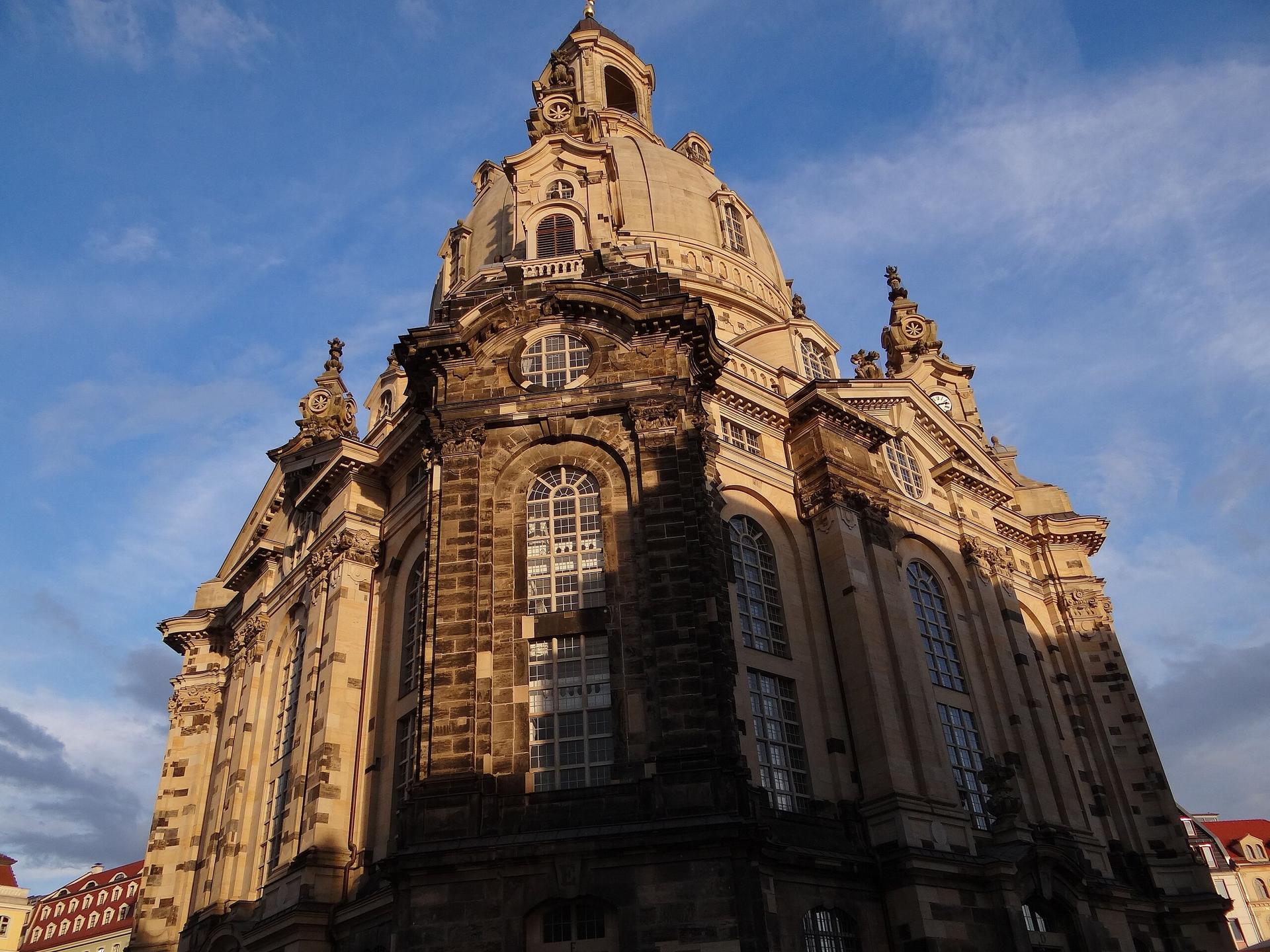
Looking beyond Dresden Zwinger? Discover Saxony for broader travel guides, local hot-spots, and regional highlights.
Explore Saxony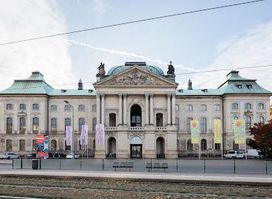
Explore the historical and artistic treasures of Japanisches Palais, a stunning museum in Dresden showcasing diverse collections and rich cultural heritage.

Discover a world of delicate artistry and royal extravagance at the Dresden Porcelain Collection, home to over 20,000 exquisite porcelain treasures in the heart of Dresden's Zwinger Palace.
