Maurischer Garten Stuttgart, Stuttgart Travel Guide
Free Guide: Discover Wilhelma, Stuttgart: A unique zoological-botanical garden blending Moorish architecture with diverse wildlife and plant collections, offering an unforgettable experience for all ages.


A brief summary of Maurischer Garten Stuttgart
Discover Wilhelma, Stuttgart: A unique zoological-botanical garden blending Moorish architecture with diverse wildlife and plant collections, offering an unforgettable experience for all ages.
Escape to Wilhelma, Stuttgart's unique zoological-botanical garden, a captivating blend of lush greenery, diverse wildlife, and stunning Moorish architecture. Originally commissioned by King Wilhelm I in the 19th century as a royal pleasure garden, Wilhelma now houses over 11,000 animals from around 1,200 species and a vast collection of approximately 8,500 plant species. Wander through themed habitats showcasing animals from all continents, explore exotic flora in the historical greenhouses, and marvel at the Moorish Garden's serene beauty. Wilhelma offers a day of discovery and wonder for all ages, seamlessly blending history, nature, and conservation.
Opening hours
- Every day8:15 am–7:30 pm
Opening hours as listed on the venue’s Google Business Profile. Hours can change for services and special events, so check with the venue before you go.
- Address
- Wilhelmapl. 11, 70376 Stuttgart
- Phone
- Website
Getting there
Public Transport
Driving
Taxi/Ride-Share
Discover more about Maurischer Garten Stuttgart
Overview
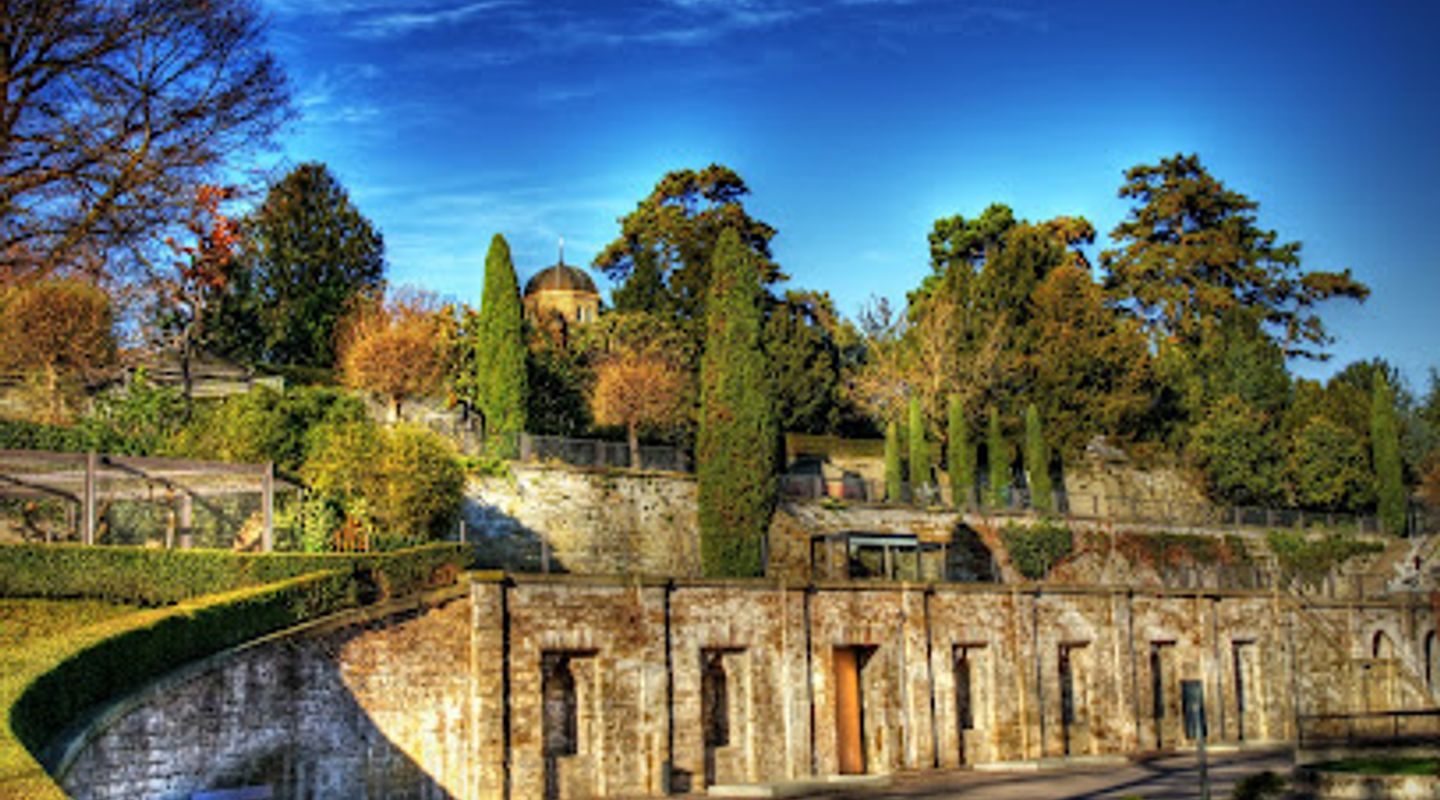
Wilhelma, Stuttgart's zoological-botanical garden, is a captivating destination that seamlessly blends the wonders of the natural world with the elegance of Moorish architecture. Located in the Bad Cannstatt district, this unique park offers visitors an extraordinary experience, showcasing a diverse collection of animals and plants within a historic setting. Often referred to as the "Alhambra on the Neckar," Wilhelma's origins trace back to the vision of King Wilhelm I of Württemberg in the 19th century. In 1829, mineral springs were discovered near King Wilhelm's summer residence, Schloss Rosenstein. Inspired by the Alhambra palace and gardens in Granada, Spain, the King commissioned architect Karl Ludwig von Zanth to design a royal bathhouse and gardens in the Moorish style. Construction began in 1842, but the bathhouse never fully realized its intended purpose. Instead, the complex evolved into a reception hall, greenhouses, and pavilions. After King Wilhelm I's death in 1880, the park was opened to the public. Following significant damage during World War II, Wilhelma gradually transformed from a botanical garden into a zoological-botanical garden. In 1951, the first animals arrived, marking the beginning of a new chapter in Wilhelma's history. Today, Wilhelma is Germany's only zoological and botanical garden, attracting over two million visitors annually. The park spans approximately 30 hectares and houses around 11,500 animals from 1,200 species, making it one of the most species-rich zoos in the world. Visitors can explore themed habitats that mimic the natural environments of animals from all continents. Marvel at the playful antics of the bonobos and gorillas in the modern ape house, designed to resemble the ridges, valleys, and forests of their native habitats. Discover the unique creatures of Terra Australis, including koalas and quokkas, in one of Europe's most modern facilities. Wilhelma's botanical offerings are equally impressive, with approximately 8,500 plant species and varieties showcasing the lush diversity of nature. Wander through the Historical Greenhouse Row, where exotic orchids, towering palms, and vibrant seasonal displays await. The Moorish Garden, with its serene water lily pond and meticulously landscaped paths, offers a tranquil escape. In March, the largest magnolia grove north of the Alps bursts into bloom, creating a breathtaking spectacle. Explore the diverse plant collections within the various greenhouses. The Cactus Cupola House displays a variety of cacti, while the room with the Tropical Crop Plants showcases economically important species. The glasshouse with tropical ferns and the final room, also with a glass cupola, display tree ferns. The Amazon House recreates a South American temperate rainforest, while other greenhouses feature bromeliads, camellias, fuchsias, and azaleas. Wilhelma is committed to conservation, education, and scientific research. The park actively participates in global conservation projects, supporting endangered species and their habitats. Educational exhibits and interactive programs engage visitors, raising awareness about global ecosystems and conservation efforts. Throughout the year, Wilhelma hosts a variety of events and activities for families, including guided tours, animal encounters, and themed days. In the winter months, the park transforms into a romantic wonderland, with festive decorations and special events. Whether you're an animal lover, a botany enthusiast, or simply seeking a beautiful and relaxing escape, Wilhelma offers an unforgettable experience. Immerse yourself in the wonders of nature, admire the architectural splendor, and discover the rich history of this unique Stuttgart gem. A visit to Wilhelma is a journey through the world's diverse ecosystems, all within the enchanting setting of a historic Moorish garden.
Evendo Review Centre
 Google
Guest reviews
Explore Maurischer Garten Stuttgart on the map
A handpicked selection of must-see spots near Maurischer Garten Stuttgart, mapped for you.
Get your free copy of our complete guide to Maurischer Garten Stuttgart, delivered straight to you.
Everything on this page, from opening hours and how to get there to Eve’s tips and the best time to go, in one PDF you can read offline, print or share.
Already have an account? Sign in
Your Maurischer Garten Stuttgart guide is ready.
We'll send it to · Not you? Sign out

Getting your guide ready…
We are putting together a fresh copy of the Maurischer Garten Stuttgart guide. This can take up to a minute.
This can take a few moments. If your browser asks, choose Allow so the download can start. You'll find the guide in your Downloads folder.
Nothing happened? Download it again
Sorry, the guide is taking longer than usual. Please try again in a minute, or get it by email instead.
Unlock the best of Maurischer Garten Stuttgart
Skip-the-line tickets, guided tours with entry, and walking tours of the area, booked in a few clicks.

Other nearby places you may find interesting
The closest places of the same kind, if this one is not quite what you had in mind.
-
-
-
-
-


Swipe for more places
More to explore near Maurischer Garten Stuttgart
-
 Best experiences near Maurischer Garten Stuttgart
-
 Best hotels near Maurischer Garten Stuttgart
-
 Best landmarks near Maurischer Garten Stuttgart
-
 Best attractions near Maurischer Garten Stuttgart
-
 Best shops near Maurischer Garten Stuttgart
-
 Best restaurants near Maurischer Garten Stuttgart
-
 Best bars near Maurischer Garten Stuttgart


Do you manage this location?
Take control to get all the benefits, like improved information, better appearance, and stronger visibility across AI-powered discovery.
Explore more

Explore more of Stuttgart
Discover Stuttgart: A perfect blend of automotive history, cultural richness, and natural beauty. Explore museums, palaces, and vineyards in this dynamic German city.
Explore Stuttgart
Explore more of Germany
Experience Germany: where history meets innovation, and urban energy blends with natural beauty. Discover diverse cultures, delicious cuisine, and stunning landscapes.
Explore Germany