Wilhelma, Stuttgart Travel Guide
Explore Wilhelma in Stuttgart: A unique blend of zoo and botanical garden with stunning Moorish architecture, offering a captivating experience for all ages.
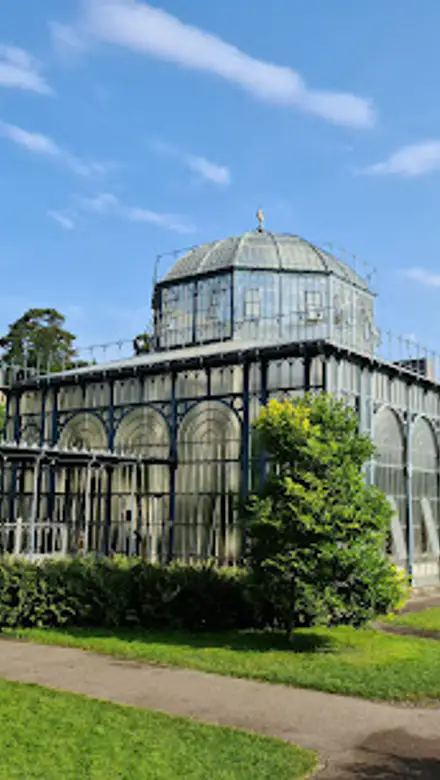
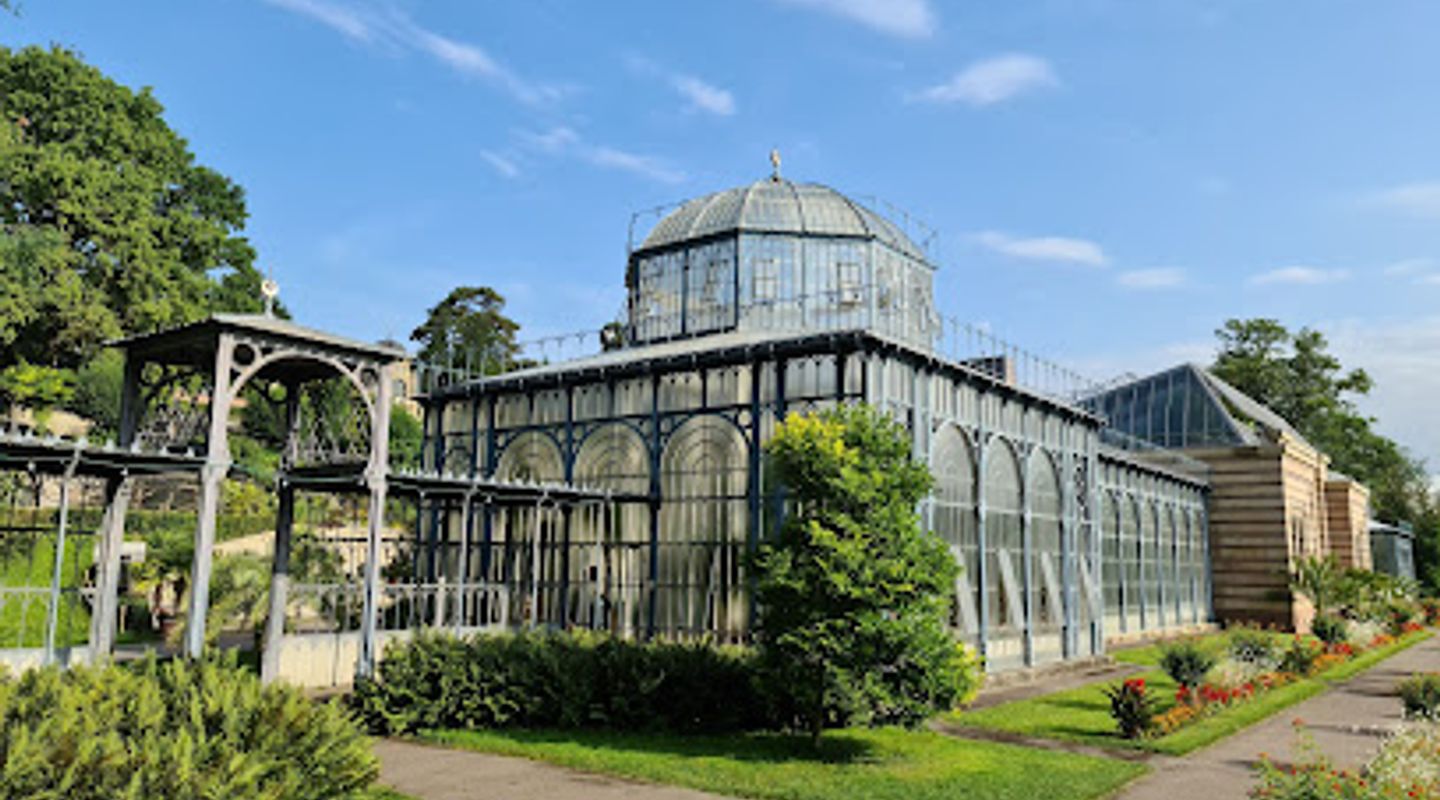
Wilhelma is a unique zoological and botanical garden in Stuttgart, Germany, blending the charm of a historic park with the wonders of diverse flora and fauna. Originally commissioned in 1842 by King Wilhelm I of Württemberg, the park boasts stunning Moorish-style architecture and a rich history spanning over 175 years. Today, Wilhelma is home to approximately 11,000 animals representing around 1,200 species, alongside a remarkable collection of roughly 8,500 plant species. Visitors can explore themed habitats, admire exotic plants in the greenhouses, and immerse themselves in the beauty of the Moorish Garden. Wilhelma is not only a place of recreation but also a center for conservation, education, and scientific research, making it a must-see destination for nature lovers and history enthusiasts alike. The park's blend of architectural beauty and natural diversity provides a captivating experience for visitors of all ages, solidifying its place as one of Europe's most beautiful zoological and botanical gardens.
A brief summary to Wilhelma
- Wilhelma 13, Stuttgart, Bad Cannstatt, 70376, DE
- Click to display
- Click to display
- Monday 8:15 am-8 pm
- Tuesday 8:15 am-7:30 pm
- Wednesday 8:15 am-8 pm
- Thursday 8:15 am-8 pm
- Friday 8:15 am-8 pm
- Saturday 8:15 am-8 pm
- Sunday 8:15 am-8 pm

Know before you go
Hi, I'm Eve. Here are a few practical things to know before exploring Wilhelma.
- Arrive early, especially on weekends and holidays, to avoid crowds and secure parking.
- Wear comfortable shoes, as you'll be doing a lot of walking.
- Check the Wilhelma website for the daily schedule of animal feedings and shows.
- Consider purchasing tickets online in advance to save time and ensure entry.
- Visit during the shoulder seasons (spring or fall) for pleasant weather and fewer crowds.
Do you manage this location?
Take control to get all the benefits, like improved information, better appearance, and stronger visibility across AI-powered discovery. Learn more about listing your business on Evendo
Activate your presenceOther nearby places you may find interesting
The closest places of the same kind, if this one is not quite what you had in mind.
Explore Wilhelma on the Map
A handpicked selection of must-see spots near Wilhelma, mapped for you.
Unlock the Best of Wilhelma
Buy tickets
-
No tickets available
Book tours with entry

Book tours without entry
-
No tours available
Getting There
-
Public Transport
From Stuttgart Hauptbahnhof (main station), take the U14 U-Bahn line directly to the 'Wilhelma' station. The ride takes approximately 8 minutes, and the station is located right in front of the main entrance. A single ticket costs around €2-3. Alternatively, you can take streetcar lines U13 or U16 to the 'Wilhelma' stop. Several bus lines (52, 55, 56) also stop at 'Rosensteinbrücke', which is a short 250-meter walk to the main entrance.
-
Driving
If driving, follow the signs with the elephant symbol towards Wilhelma. The main entrance is located on Neckartalstraße. A parking garage is available at Neckartalstraße 9, near the main entrance. Parking costs €8 per day. Be aware that parking spaces can be limited, especially during peak hours. Alternative parking is available at Cannstatter Wasen, a 1.2 km walk along the Neckar River.
-
Taxi/Ride-Share
A taxi or ride-share from Stuttgart city center to Wilhelma will take approximately 10-15 minutes, depending on traffic. The estimated fare is between €15-€20. Direct the driver to Wilhelma, Neckartalstraße 13, 70376 Stuttgart. This is the most convenient option if you prefer a direct and quick transfer.
Discover more about Wilhelma













Your all‑in‑one travel companion app
Explore expert travel guides, compare and book tours, experiences, hotels, and more—all from the palm of your hand. Download now for seamless trip planning wherever your wanderlust takes you.


Explore More of Stuttgart
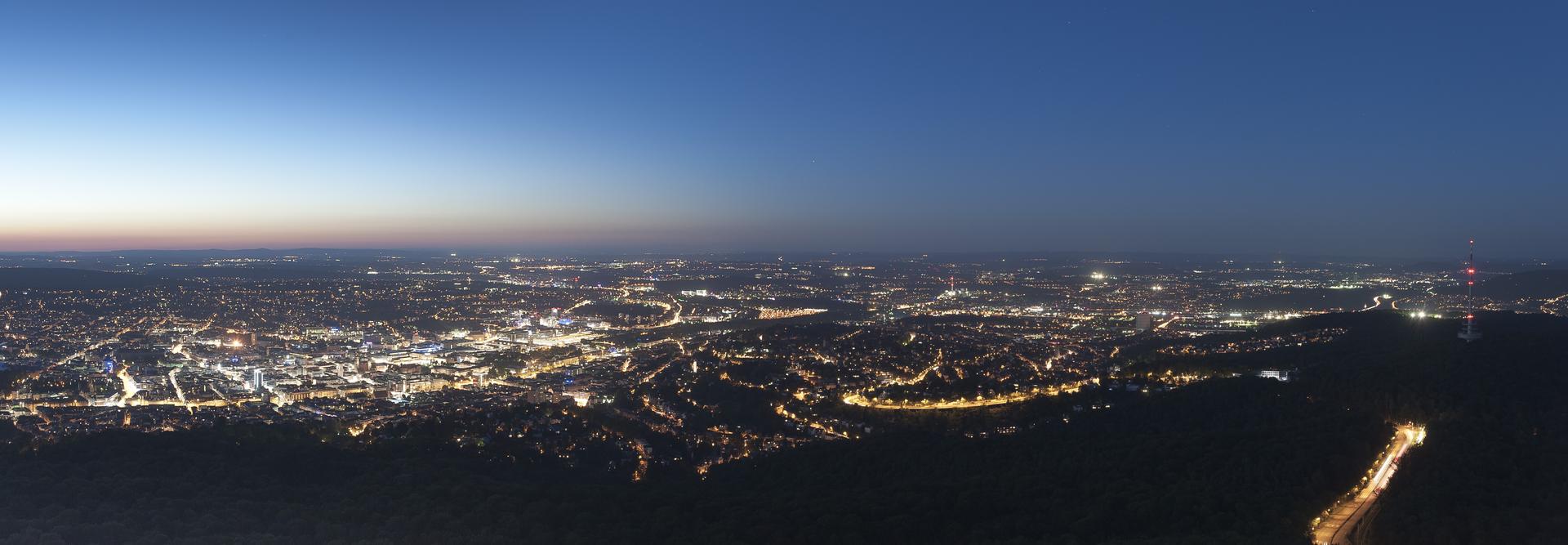
Looking beyond Wilhelma? Discover Stuttgart for broader travel guides, local hot-spots, and regional highlights.
Explore Stuttgart
Experience Stuttgart's vibrant arts scene at Theaterhaus, a unique venue offering diverse performances from theater and dance to concerts and comedy, all within a repurposed industrial space.

Experience the magic of the holiday season at Christmas Garden Stuttgart, where millions of lights transform Wilhelma into a dazzling winter wonderland from mid-November to early January.