Maurischer Garten Stuttgart, Stuttgart Travel Guide
Free Guide: Discover the exotic beauty of Stuttgart's Maurischer Garten, a Moorish Revival masterpiece within the Wilhelma, showcasing stunning architecture and diverse botanical collections.


A brief summary of Maurischer Garten Stuttgart
Discover the exotic beauty of Stuttgart's Maurischer Garten, a Moorish Revival masterpiece within the Wilhelma, showcasing stunning architecture and diverse botanical collections.
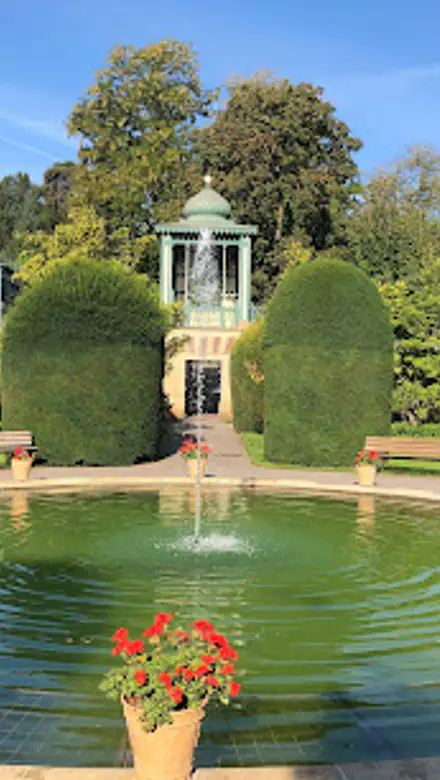
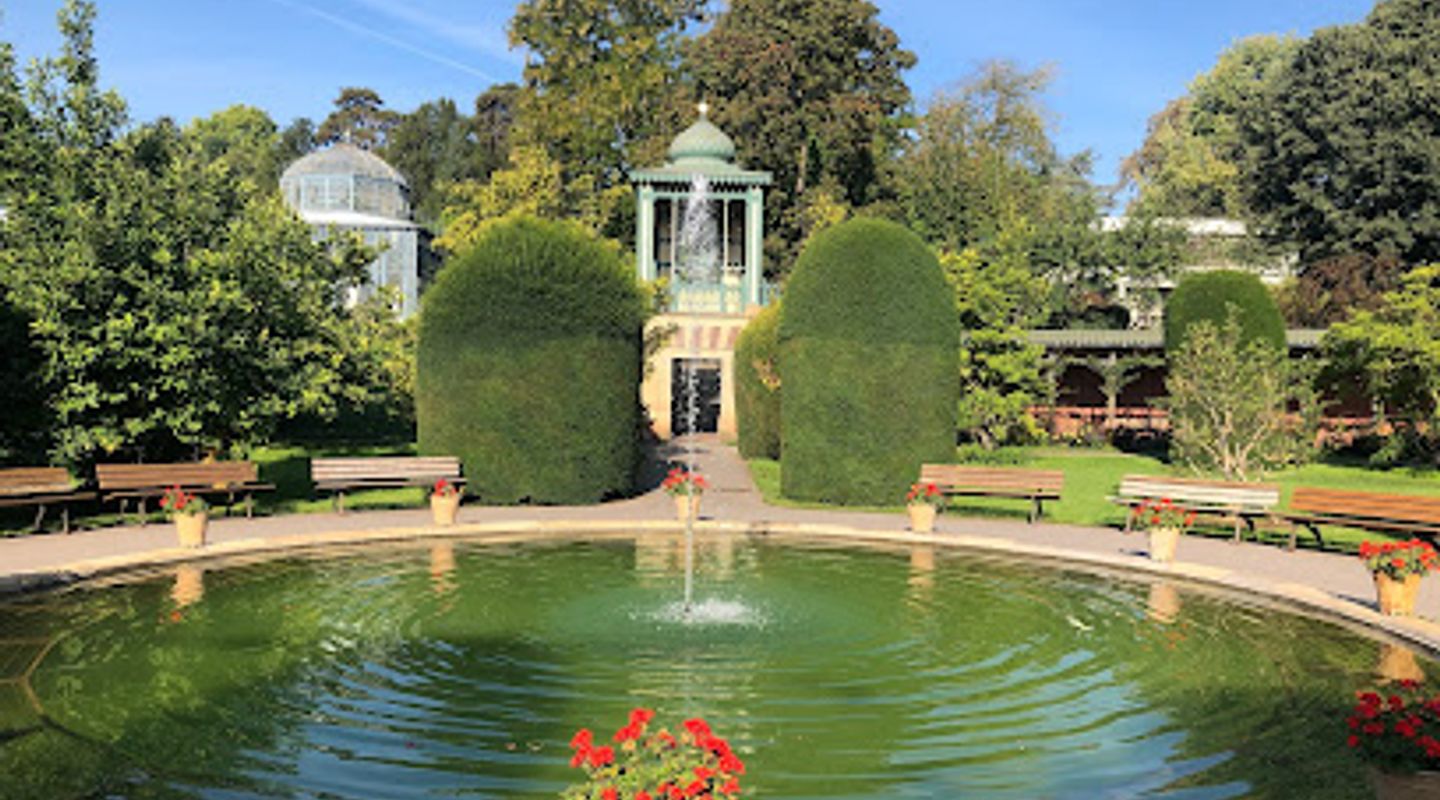
Step into a world of exotic beauty at the Maurischer Garten (Moorish Garden) in Stuttgart's Wilhelma. This enchanting garden, with its stunning Moorish Revival architecture, transports visitors to a serene oasis reminiscent of the Alhambra. Originally conceived as a royal bathhouse in 1829 by King Wilhelm I of Württemberg, it evolved into a residential complex with greenhouses, showcasing the king's unique vision. Wander through the meticulously landscaped paths, admire the intricate tilework, and discover a diverse collection of tropical plants and flowers. The garden's centerpiece, a large pool adorned with vibrant water lilies, adds to the magical atmosphere. Whether you're a horticulture enthusiast, a history buff, or simply seeking a tranquil escape, the Maurischer Garten offers an unforgettable experience.
Opening hours
- Every day8:15 am–7:30 pm
Opening hours as listed on the venue’s Google Business Profile. Hours can change for services and special events, so check with the venue before you go.
- Address
- Wilhelmapl. 11, 70376 Stuttgart
- Phone
- Website
Getting there
Public Transport
Driving
Taxi/Ride-Share
Discover more about Maurischer Garten Stuttgart
Overview
The Maurischer Garten, or Moorish Garden, within Stuttgart's Wilhelma, is a captivating testament to 19th-century architectural and horticultural vision. Conceived initially as a royal bathhouse in 1829 by King Wilhelm I of Württemberg, the project evolved into an elaborate residential complex complete with sprawling greenhouses, all rendered in the distinctive Moorish Revival style. Inspired by the Alhambra in Granada, Spain, the Maurischer Garten embodies the romanticism and exoticism that characterized the era. Architect Karl Ludwig von Zanth masterfully translated the king's vision into a series of interconnected structures and gardens, creating a harmonious blend of architectural grandeur and natural beauty. The garden's design reflects a deep appreciation for Islamic art and architecture, albeit interpreted through a 19th-century European lens. The heart of the Maurischer Garten is the Maurisches Landhaus (Moorish Villa), originally intended as a residence for the king. This central building is flanked by expansive greenhouses, showcasing a diverse collection of plants from around the world. The architecture is characterized by intricate tilework, horseshoe arches, and ornate stucco decorations, all hallmarks of the Moorish Revival style. The garden's layout is equally impressive, with meticulously landscaped paths, fountains, and sculptures creating a sense of tranquility and order. Throughout its history, the Maurischer Garten has undergone several transformations. Originally, only the royal family and their guests were permitted to enter the garden. However, in 1880, King Karl I opened the gardens to the public, albeit with a special permit. After the abdication of King Wilhelm II in 1918, the Wilhelma, including the Maurischer Garten, became the property of the state of Baden-Württemberg and was opened to the general public. During World War II, the Maurisches Landhaus suffered extensive damage from Allied bombing raids. However, the structure was painstakingly restored in the years following the war, preserving its architectural integrity for future generations. Today, the Maurischer Garten serves as a living museum, showcasing the rich history and horticultural diversity of the Wilhelma. Visitors to the Maurischer Garten can explore a variety of themed plant houses, each offering a unique glimpse into the world of botany. The Baumfarnhaus (Tree Fern House) features a collection of towering tree ferns, creating a primeval landscape reminiscent of the Victorian era. The Farnwarmhaus (Warm Fern House) showcases a diverse array of tropical ferns, while the Kakteenkuppelhaus (Cactus Dome House) is home to a fascinating collection of cacti and succulents. The Seerosenbecken (Water Lily Pond), located in the center of the Maurischer Garten, is a highlight of the garden. Since 1956, the pool has been home to tropical water lilies. It has an area of 650 square meters, is about 1.20 meters deep and is heated to 28 - 30°C in summer. Depending on the weather, the aquatic plants are planted from mid- to late May. Until October, around 40 of the most beautiful species and varieties can be seen. The various water lilies always open their flowers during a certain time of day, so that the pool always has new flower and color compositions during the course of the day. Beyond its architectural and horticultural significance, the Maurischer Garten also plays an important role in conservation and education. The Wilhelma is actively involved in various conservation programs, working to protect endangered plant and animal species around the world. The garden also serves as a valuable educational resource, offering guided tours, workshops, and exhibits that promote awareness of biodiversity and environmental stewardship. Visiting the Maurischer Garten is an immersive experience that engages all the senses. The vibrant colors of the flowers, the fragrant aromas of the plants, and the soothing sounds of the fountains create a sensory symphony that transports visitors to another world. Whether you're a seasoned botanist, a history enthusiast, or simply seeking a moment of tranquility, the Maurischer Garten offers something for everyone. The Maurischer Garten stands as a testament to the enduring power of art, architecture, and nature to inspire and delight. It is a place where history comes alive, where beauty abounds, and where visitors can connect with the natural world in a meaningful way. A visit to the Maurischer Garten is an unforgettable experience that will leave you with a renewed appreciation for the wonders of the plant kingdom and the ingenuity of human design.
Evendo Review Centre
 Google
Guest reviews
Explore Maurischer Garten Stuttgart on the map
A handpicked selection of must-see spots near Maurischer Garten Stuttgart, mapped for you.
Get your free copy of our complete guide to Maurischer Garten Stuttgart, delivered straight to you.
Everything on this page, from opening hours and how to get there to Eve’s tips and the best time to go, in one PDF you can read offline, print or share.
Already have an account? Sign in
Your Maurischer Garten Stuttgart guide is ready.
We'll send it to · Not you? Sign out

Getting your guide ready…
We are putting together a fresh copy of the Maurischer Garten Stuttgart guide. This can take up to a minute.
This can take a few moments. If your browser asks, choose Allow so the download can start. You'll find the guide in your Downloads folder.
Nothing happened? Download it again
Sorry, the guide is taking longer than usual. Please try again in a minute, or get it by email instead.
Unlock the best of Maurischer Garten Stuttgart
Skip-the-line tickets, guided tours with entry, and walking tours of the area, booked in a few clicks.

Other nearby places you may find interesting
The closest places of the same kind, if this one is not quite what you had in mind.
-
-
-
-
-


Swipe for more places
More to explore near Maurischer Garten Stuttgart
-
 Best experiences near Maurischer Garten Stuttgart
-
 Best hotels near Maurischer Garten Stuttgart
-
 Best landmarks near Maurischer Garten Stuttgart
-
 Best attractions near Maurischer Garten Stuttgart
-
 Best shops near Maurischer Garten Stuttgart
-
 Best restaurants near Maurischer Garten Stuttgart
-
 Best bars near Maurischer Garten Stuttgart


Do you manage this location?
Take control to get all the benefits, like improved information, better appearance, and stronger visibility across AI-powered discovery.
Explore more
Explore more of Bad Cannstatt
Discover Bad Cannstatt: Stuttgart's oldest neighbourhood, famed for its historic sites, healing mineral springs, and vibrant cultural scene, perfect for a memorable visit.
Explore Bad Cannstatt
Explore more of Stuttgart
Discover Stuttgart: A perfect blend of automotive history, cultural richness, and natural beauty. Explore museums, palaces, and vineyards in this dynamic German city.
Explore Stuttgart