
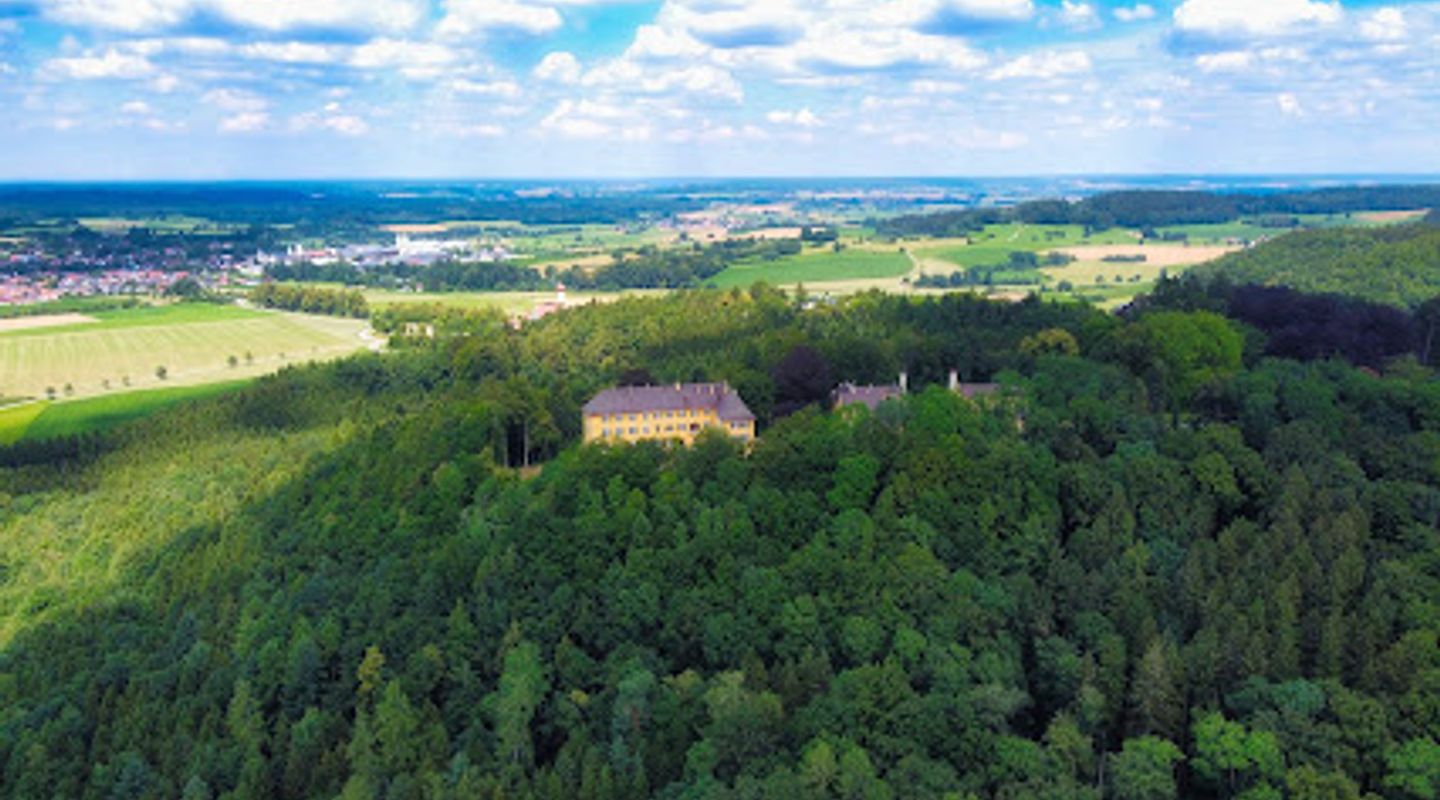
Schloß Seyfriedsberg, Swabia Travel Guide
Discover the enchanting Forstbotanischer Park at Schloss Seyfriedsberg, a serene escape showcasing diverse trees and vibrant rhododendrons near Ziemetshausen, Bavaria, offering a blend of nature and history.
Schloss Seyfriedsberg, located near Ziemetshausen, is a captivating destination blending history and natural beauty. While the castle itself is not open to the public as it is privately owned, its surrounding Forstbotanischer Park offers a delightful experience for visitors. Established in 1848, the park showcases a diverse collection of trees and shrubs from around the world, carefully selected to thrive in the local climate. Wander through the park's serene pathways, marveling at towering, centuries-old trees, including impressive sequoias and ginkgos. The park is particularly stunning during May and June when the rhododendrons burst into vibrant bloom. With its tranquil atmosphere and unique botanical specimens, Schloss Seyfriedsberg's park provides a refreshing escape into nature and a glimpse into the region's rich cultural heritage. The park's blend of history, botany, and serene landscapes makes it a worthwhile destination for nature enthusiasts and those seeking a peaceful retreat.
A brief summary to Schloß Seyfriedsberg
- Seyfriedsberg 5, Ziemetshausen, Seyfriedsberg, 86473, DE

Know before you go
Hi, I'm Eve. Here are a few practical things to know before exploring Schloß Seyfriedsberg.
- Visit during May or June to witness the spectacular rhododendron bloom in the Forstbotanischer Park.
- Wear comfortable shoes for walking the park's trails and exploring the diverse botanical specimens.
- Check local event listings for guided tours of the park to learn more about its history and unique plant life.
Do you manage this location?
Take control to get all the benefits, like improved information, better appearance, and stronger visibility across AI-powered discovery. Learn more about listing your business on Evendo
Activate your presenceOther nearby places you may find interesting
The closest places of the same kind, if this one is not quite what you had in mind.

Explore Schloß Seyfriedsberg on the Map
A handpicked selection of must-see spots near Schloß Seyfriedsberg, mapped for you.
Getting There
-
Public Transport
From Ziemetshausen, the closest bus stop to Schloss Seyfriedsberg is 'Ziemetshausen, Kirche'. From there, it's approximately a 30-minute walk (about 3 kilometers) to the castle grounds. Bus line 600 connects Ziemetshausen with Krumbach and Augsburg. A single bus fare from Ziemetshausen, Kirche to Ziemetshausen, Schule (closer to the town center) is approximately €2-3. From the bus stop, follow the signs towards Maria Vesperbild; Schloss Seyfriedsberg is located nearby. Note that bus schedules may be limited, especially on weekends and holidays.
-
Driving
From Ziemetshausen town center, follow the road south towards Maria Vesperbild. The drive to Schloss Seyfriedsberg is approximately 5 minutes. Limited free parking is available near the entrance to the Forstbotanischer Park. Be mindful of local traffic and parking regulations. The route is straightforward, following well-marked roads. Note that during peak seasons or events at Maria Vesperbild, parking may be more challenging.
-
Walking
From Ziemetshausen, a scenic walk to Schloss Seyfriedsberg takes approximately 30-40 minutes (about 3 kilometers). Follow the road south towards Maria Vesperbild. The route is mostly flat and offers pleasant views of the surrounding countryside. Be aware of traffic along the road, especially during busy times. The path is well-maintained, making it suitable for a leisurely stroll.
Discover more about Schloß Seyfriedsberg













Your all‑in‑one travel companion app
Explore expert travel guides, compare and book tours, experiences, hotels, and more—all from the palm of your hand. Download now for seamless trip planning wherever your wanderlust takes you.


Explore More of Swabia

Looking beyond Schloß Seyfriedsberg? Discover Swabia for broader travel guides, local hot-spots, and regional highlights.
Explore Swabia
Discover a world of wildlife in the heart of Bavaria at Augsburg Zoo, home to over 1,600 animals, engaging exhibits, and a strong commitment to conservation and education for the whole family.

Discover the understated charm of the Fuchs-Denkmal in Schmellerforst, a tribute to the fox nestled in Bavaria's tranquil landscape.
