

Fuggerei Travel Guide
Free Guide: Discover the Fuggerei in Augsburg, the world's oldest social housing complex, where history, community, and compassion converge in a unique and inspiring 'city within a city'.


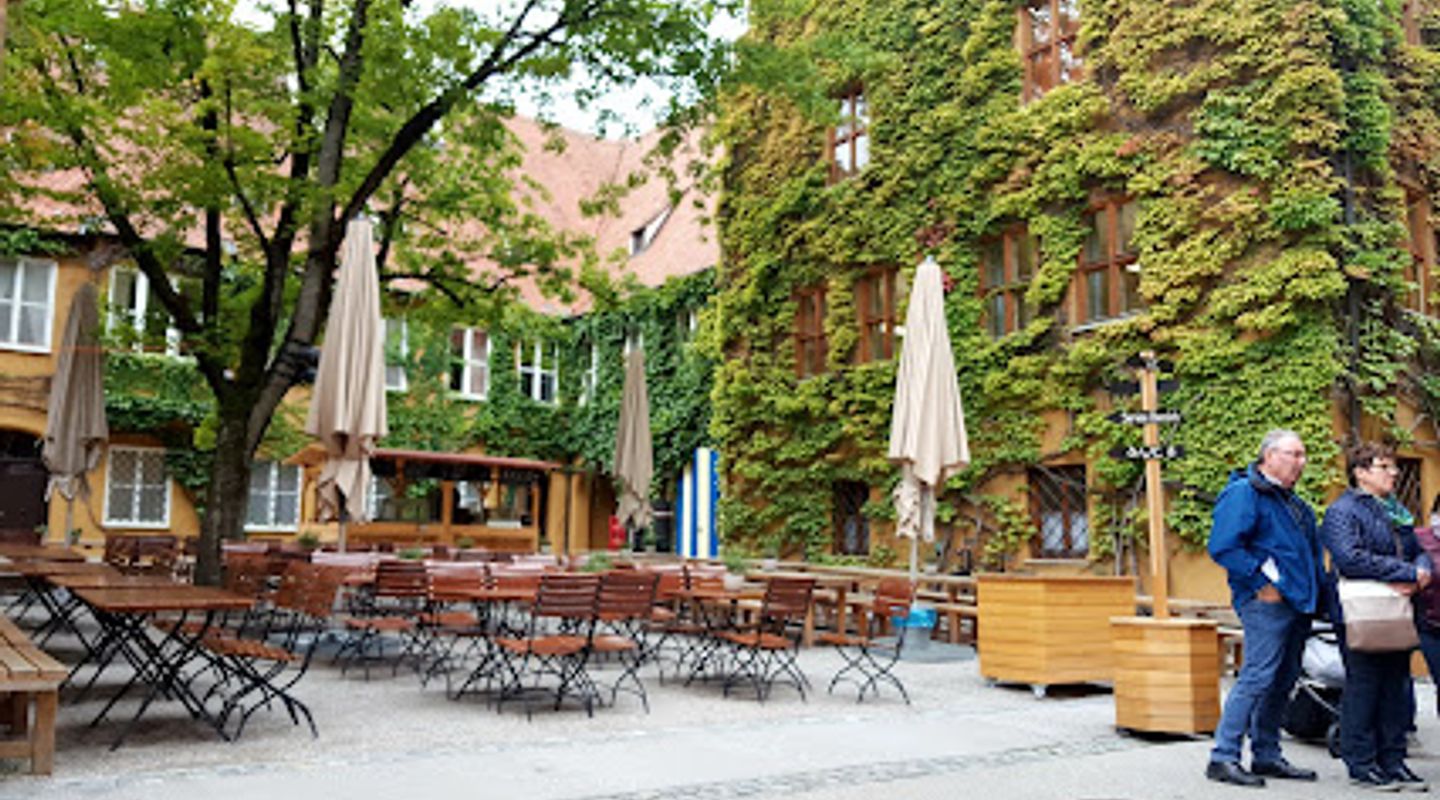
A brief summary of Fuggerei
Discover the Fuggerei in Augsburg, the world's oldest social housing complex, where history, community, and compassion converge in a unique and inspiring 'city within a city'.
The Fuggerei in Augsburg is the world's oldest social housing complex, founded in 1521 by Jakob Fugger. It remains a unique and compelling example of social responsibility, offering affordable housing to Augsburg citizens in need for nearly 500 years. Wander through its car-free lanes, admire the picturesque ochre-colored houses with red roofs, and experience a 'city within a city' where residents still pay a symbolic rent of just 0.88 euros per year. Explore the Fuggerei Museum, the display residence, and even a World War II bunker to delve deeper into the history and the lives of the Fuggerei's residents, past and present. The Fuggerei is more than just a historical site; it's a living community with a remarkable story to tell.
Opening hours
- Every day9 am–8 pm
Opening hours as listed on the venue’s Google Business Profile. Hours can change for services and special events, so check with the venue before you go.
- Address
- Jakoberstraße 26, 86152 Augsburg
- Phone
- Website
Getting there
Walking
Public Transport
Taxi/Ride-Share
Driving
Discover more about Fuggerei
Overview
The Fuggerei, nestled in the heart of Augsburg, is a remarkable testament to social innovation and enduring compassion. Founded in 1521 by Jakob Fugger, a wealthy merchant and banker, it stands as the world's oldest social housing complex still in use. This 'city within a city' offers a unique glimpse into the past while continuing to provide affordable housing for Augsburg citizens in need. Jakob Fugger, often called 'Jakob the Rich,' was a prominent figure in European commerce during the Renaissance. His family's wealth stemmed from textiles, mining, and trade, making them one of the most influential dynasties of their time. Towards the end of his life, Fugger, driven by a sense of social responsibility, established the Fuggerei to provide a debt-free community for impoverished Catholic laborers. The Fuggerei comprises 67 houses divided into 142 apartments, a church, a museum, and administrative buildings, all enclosed within a walled compound accessed through three gates. The architecture is charmingly uniform, with ochre-colored terraced houses adorned with red-tiled roofs and green shutters. Each apartment has its own front door to the street, a kitchen, a parlor, and one or two bedrooms, reflecting a simple yet dignified standard of living. What sets the Fuggerei apart is its enduring commitment to affordability. Residents pay an annual rent of just 0.88 euros, a sum equivalent to the original rent of one Rhenish guilder in the 16th century. In exchange, they are expected to be of the Catholic faith, have lived in Augsburg for at least two years, be in need through no fault of their own and commit to praying three times daily for the Fugger family. Visiting the Fuggerei is like stepping back in time. The car-free lanes invite leisurely strolls, allowing visitors to soak in the tranquil atmosphere. The Fuggerei Museum, located within the complex, offers a fascinating look into the history of the settlement and the lives of its residents. A preserved World War II bunker serves as a stark reminder of the Fuggerei's resilience through challenging times. Furthermore, a display residence showcases the living conditions of residents in the 18th century, while another apartment is open for public viewing to provide insights into contemporary living within the Fuggerei. The Fuggerei is not merely a historical artifact; it is a living, breathing community. Approximately 150 residents currently call the Fuggerei home, maintaining a tradition of community and mutual support. The gates of the Fuggerei close at 10 PM, and residents returning later must pay a small fee to the night watchman, a practice that adds to the unique character of the place. The Fuggerei's impact extends beyond its walls. It stands as a symbol of Augsburg's rich history and its commitment to social welfare. The Fugger family's legacy continues to shape the city, with numerous monuments and endowments bearing their name. The Fuggerei has inspired similar social housing projects around the world, demonstrating the enduring power of innovative solutions to address societal challenges. Today, the Fuggerei is managed by the Fugger Foundation, which carefully oversees the settlement's operations and ensures its long-term sustainability. The foundation's income primarily comes from forestry holdings, a testament to the Fugger family's prudent investment strategies. Visiting the Fuggerei offers a profound experience, inviting reflection on the values of community, compassion, and social responsibility. It is a place where history comes alive, and where the enduring legacy of Jakob Fugger continues to make a tangible difference in the lives of those in need. Whether you are interested in history, architecture, or social innovation, the Fuggerei is a must-see destination that will leave a lasting impression. Beyond the historical and social aspects, the Fuggerei also offers a peaceful retreat from the bustle of the city. Its well-maintained green spaces and quiet courtyards provide a serene oasis for residents and visitors alike. The Fuggerei's church, St. Mark's, is a beautiful example of Baroque architecture and serves as a focal point for the community's spiritual life. The Fuggerei is easily accessible from Augsburg's city center, either on foot, by bicycle, or by tram. Its central location makes it a convenient addition to any Augsburg itinerary. While exploring the Fuggerei, visitors are encouraged to respect the privacy of the residents and to appreciate the unique character of this remarkable settlement. The Fuggerei is more than just a collection of buildings; it is a living testament to the power of human compassion and the enduring legacy of a visionary leader. It is a place where history, community, and social responsibility converge, offering a unique and inspiring experience for all who visit.
Evendo Review Centre
 Google
Guest reviews
Explore Fuggerei on the map
A handpicked selection of must-see spots near Fuggerei, mapped for you.
Get your free copy of our complete guide to Fuggerei, delivered straight to you.
Everything on this page, from opening hours and how to get there to Eve’s tips and the best time to go, in one PDF you can read offline, print or share.
Already have an account? Sign in
Your Fuggerei guide is ready.
We'll send it to · Not you? Sign out

Getting your guide ready…
We are putting together a fresh copy of the Fuggerei guide. This can take up to a minute.
This can take a few moments. If your browser asks, choose Allow so the download can start. You'll find the guide in your Downloads folder.
Nothing happened? Download it again
Sorry, the guide is taking longer than usual. Please try again in a minute, or get it by email instead.
Unlock the best of Fuggerei
Skip-the-line tickets, guided tours with entry, and walking tours of the area, booked in a few clicks.
 Tour with entry
Classic city tour in the World Heritage City of Augsburg
from $19.19 Tour with entry
Augsburg walking tour in the footsteps of Fugger, Mozart and Brecht
from $19.19 Tour with entry
Classic guided tour of the UNESCO city of Augsburg
from $19.19 Tour with entry
Augsburg - Private Historic Tour
from $425.30



Other nearby places you may find interesting
The closest places of the same kind, if this one is not quite what you had in mind.
-
-
-
-
-


Swipe for more places
More to explore near Fuggerei

 Best experiences near Fuggerei
 Best hotels near Fuggerei
 Best landmarks near Fuggerei
 Best attractions near Fuggerei
 Best shops near Fuggerei
 Best restaurants near Fuggerei
 Best bars near Fuggerei
Do you manage this location?
Take control to get all the benefits, like improved information, better appearance, and stronger visibility across AI-powered discovery.
Explore more

Explore more of Swabia
Discover Swabia: A picturesque region in southwestern Germany, offering medieval architecture, scenic landscapes, and a rich culinary tradition.
Explore Swabia
Explore more of Germany
Experience Germany: where history meets innovation, and urban energy blends with natural beauty. Discover diverse cultures, delicious cuisine, and stunning landscapes.
Explore Germany
