
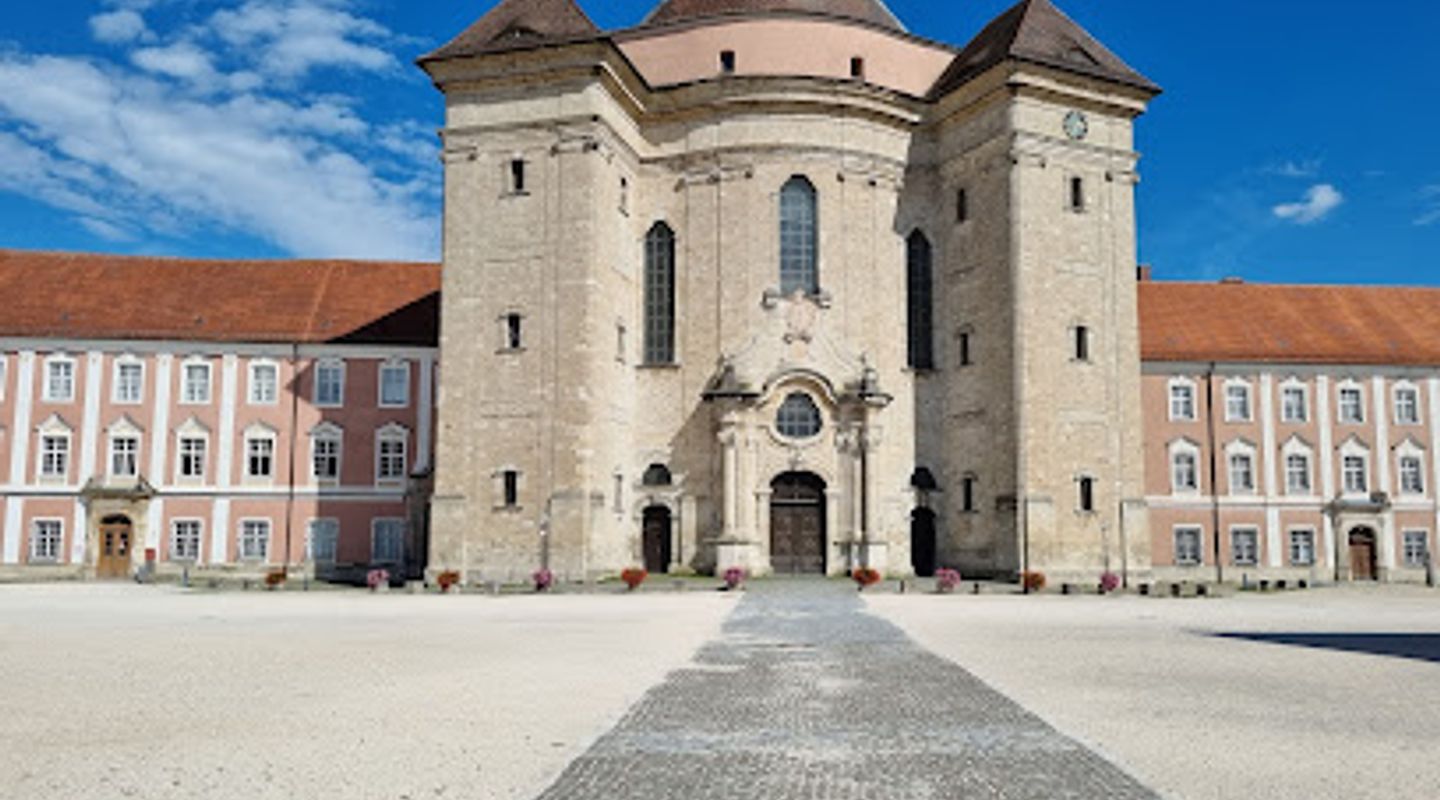
Wiblingen Abbey, Swabia Travel Guide
Discover Wiblingen Abbey: A stunning Baroque monastery near Ulm, Germany, featuring a world-renowned Rococo library and rich history, offering a unique cultural experience.
Wiblingen Abbey, a former Benedictine monastery near Ulm, is a stunning example of Baroque architecture. Founded in 1093, it underwent a significant transformation in the 18th century, resulting in the magnificent complex visitors see today. The highlight is undoubtedly the abbey library, a Rococo masterpiece with ornate columns, sculptures, and breathtaking ceiling frescoes. The abbey church, dedicated to St. Martin, showcases late-Baroque craftsmanship with impressive dimensions and vibrant frescoes. The on-site museum offers insights into the abbey's history and monastic life, making Wiblingen Abbey a captivating destination for history, art, and architecture enthusiasts. Easily accessible and offering a blend of cultural and historical experiences, it's a must-see when visiting the Ulm region. Don't miss the chance to explore this hidden gem and immerse yourself in its rich heritage and artistic splendor.
A brief summary to Wiblingen Abbey
- Schloßstraße 38, Ulm, Wiblingen, 89079, DE
- Click to display
- Click to display
- Tuesday 10 am-5 pm
- Wednesday 10 am-5 pm
- Thursday 10 am-5 pm
- Friday 10 am-5 pm
- Saturday 10 am-5 pm
- Sunday 10 am-5 pm

Know before you go
Hi, I'm Eve. Here are a few practical things to know before exploring Wiblingen Abbey.
- Visit the library early in the day or on weekdays to avoid crowds and fully appreciate its beauty.
- Check the schedule for guided tours to gain in-depth knowledge about the abbey's history and architecture.
- Explore the abbey museum to learn about monastic life and the secular history of the abbey.
- Combine your visit with a trip to Ulm to see the Ulm Minster and other attractions in the city.
- Take bus line 4 from Ulm's Ehinger Tor to easily reach the abbey via public transport.
Do you manage this location?
Take control to get all the benefits, like improved information, better appearance, and stronger visibility across AI-powered discovery. Learn more about listing your business on Evendo
Activate your presenceOther nearby places you may find interesting
The closest places of the same kind, if this one is not quite what you had in mind.


Explore Wiblingen Abbey on the Map
A handpicked selection of must-see spots near Wiblingen Abbey, mapped for you.
Unlock the Best of Wiblingen Abbey
Buy tickets
-
No tickets available
Book tours with entry

Book tours without entry
-
No tours available
Getting There
-
Public Transport
From Ulm city center (e.g., Ehinger Tor), take bus line 4 towards Wiblingen. The bus ride takes approximately 15 minutes. Get off at the 'Wiblingen, Pranger' stop, which is a short, 5-minute walk to the abbey. Single tickets cost around €3.
-
Taxi/Ride-Share
A taxi or ride-share from Ulm city center to Wiblingen Abbey takes approximately 10-15 minutes, depending on traffic. The estimated cost is between €22 and €27.
-
Driving
If driving from Ulm, follow the B30 or B28 towards Wiblingen. Signs clearly point to the abbey. Ample free parking is available near the abbey.
Discover more about Wiblingen Abbey













Your all‑in‑one travel companion app
Explore expert travel guides, compare and book tours, experiences, hotels, and more—all from the palm of your hand. Download now for seamless trip planning wherever your wanderlust takes you.


Explore More of Swabia
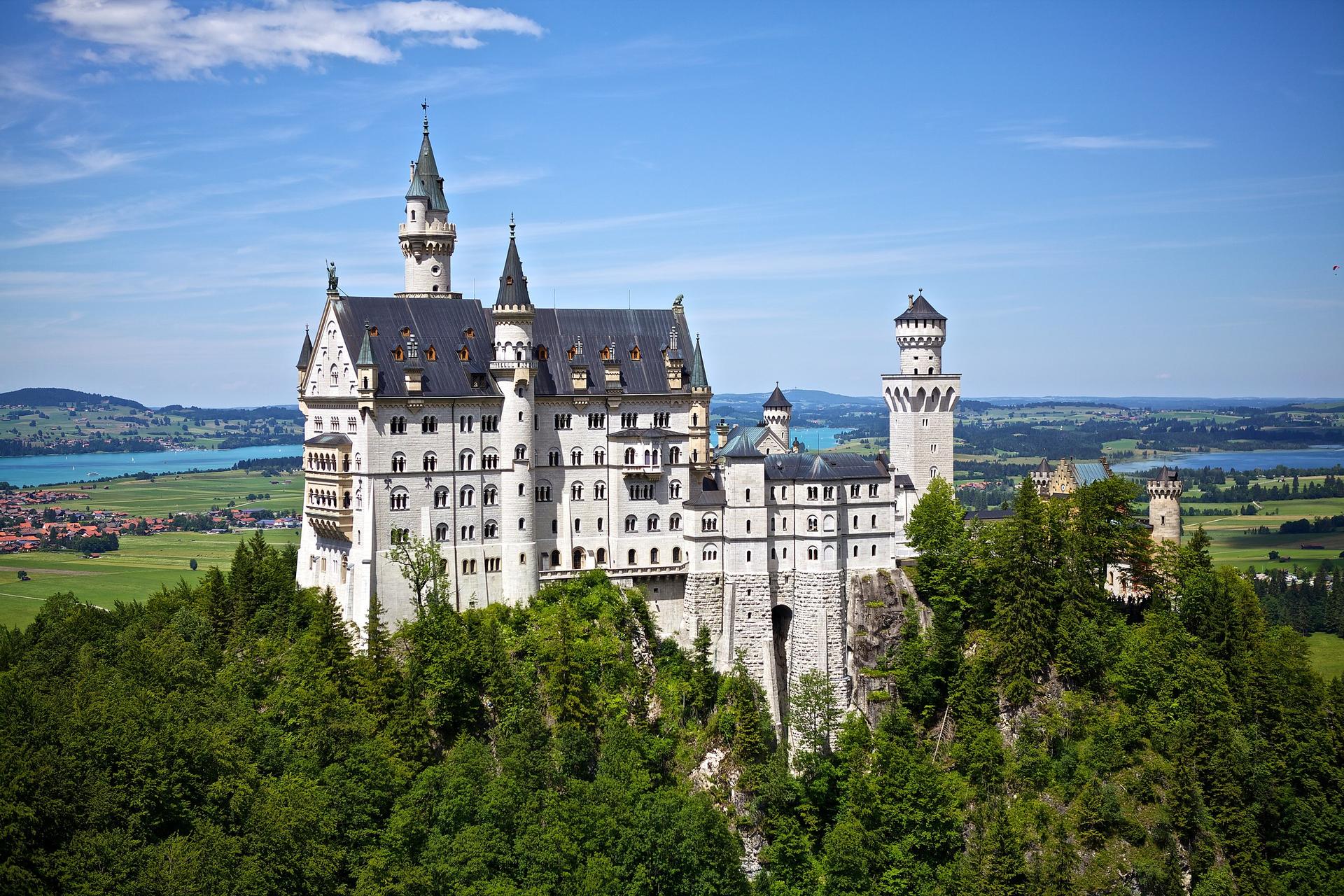
Looking beyond Wiblingen Abbey? Discover Swabia for broader travel guides, local hot-spots, and regional highlights.
Explore Swabia
Discover Günzburg's iconic Unteres Tor, a captivating blend of Gothic and Renaissance architecture, offering panoramic views and a glimpse into the town's rich medieval past.
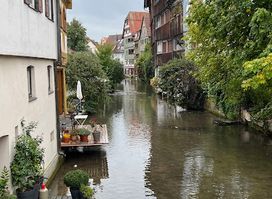
Discover the enchanting Fischerviertel in Ulm: a historic waterside district with charming half-timbered houses, cobblestone streets, and picturesque canals, offering a glimpse into medieval Germany.
