

Kapersburg Travel Guide
Free Guide: Explore the remnants of a Roman fort along the UNESCO-listed Upper Germanic-Raetian Limes near Rosbach vor der Höhe, offering a tranquil glimpse into ancient Roman military life.


A brief summary of Kapersburg
Explore the remnants of a Roman fort along the UNESCO-listed Upper Germanic-Raetian Limes near Rosbach vor der Höhe, offering a tranquil glimpse into ancient Roman military life.
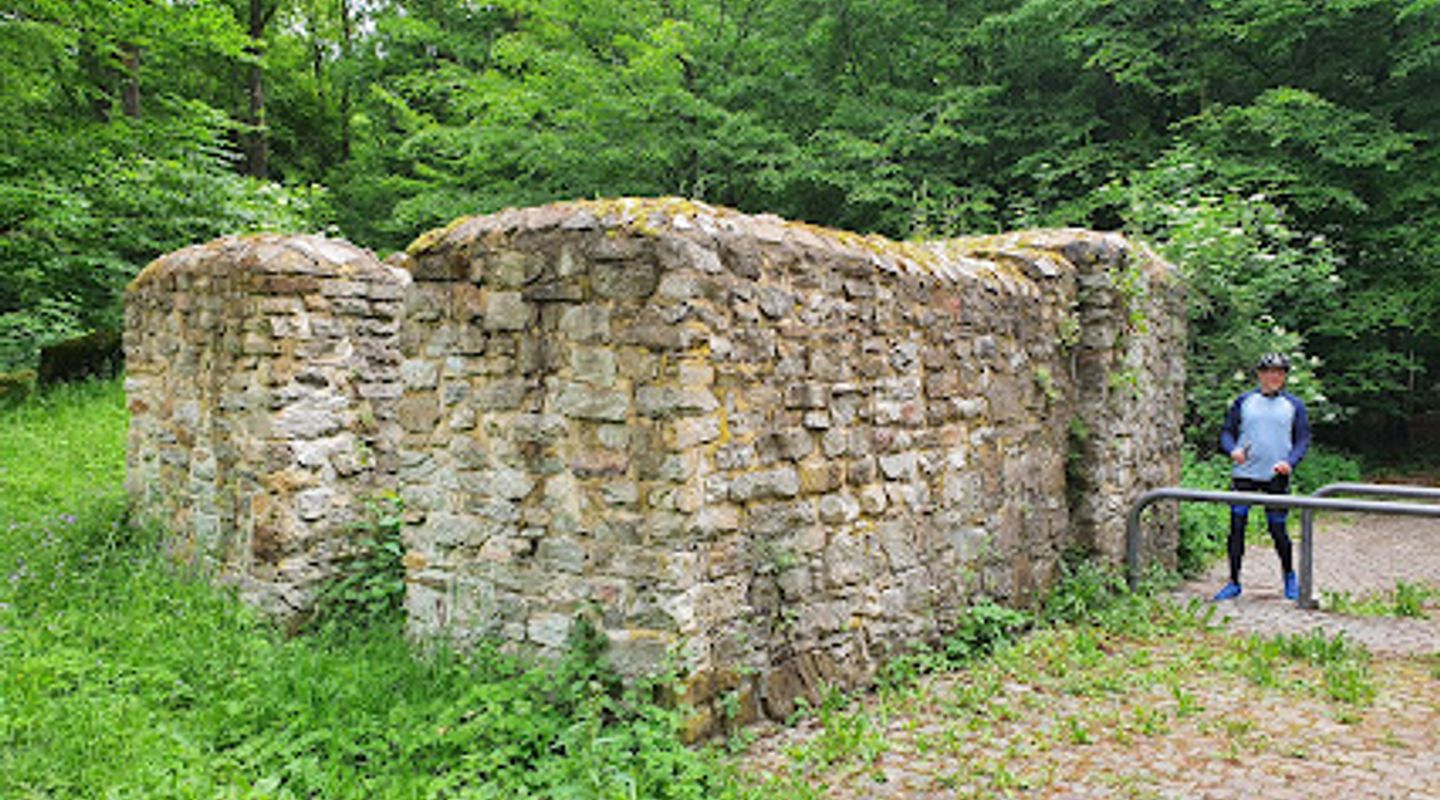
Journey back in time at Kapersburg, a partially reconstructed Roman fort near Rosbach vor der Höhe. As part of the Upper Germanic-Raetian Limes, a UNESCO World Heritage Site, Kapersburg offers a glimpse into Roman military life in the 1st to 3rd centuries AD. Explore the visible remains of the fort's foundations, defensive walls, and ditches, imagining the lives of the 150-200 auxiliary soldiers stationed here. The site is freely accessible year-round, providing a unique opportunity to connect with history amidst the peaceful forests of the Taunus region. While offering a tranquil escape, remember that reaching the fort requires a short walk from nearby parking areas.
Opening hours
- Every dayOpen 24 hours
Opening hours as listed on the venue’s Google Business Profile. Hours can change for services and special events, so check with the venue before you go.
- Address
- 61191 Rosbach vor der Höhe
- Website
Getting there
Driving
Public Transport
Walking
Discover more about Kapersburg
Overview
Kapersburg, nestled in a forest clearing near Rosbach vor der Höhe, is a captivating window into Roman military presence in Germany. This former Roman fort, part of the extensive Upper Germanic-Raetian Limes, stands as a testament to the Roman Empire's ambition and strategic prowess. The Limes, a UNESCO World Heritage Site, stretched over 550 kilometers, marking the boundary between the Roman Empire and the Germanic tribes. Kapersburg, strategically positioned along this frontier, played a crucial role in defense and surveillance. The fort's history dates back to the late 1st century AD, likely constructed during the reigns of Emperors Trajan or Hadrian. It served as a garrison for the 'Numerus Nidensium,' a mobile unit of auxiliary soldiers recruited from the nearby vicus of Nida (present-day Frankfurt-Heddernheim). These soldiers, numbering between 150 and 200, were responsible for scouting and patrolling the surrounding area, maintaining the security of the Roman border. Over its active period, Kapersburg underwent several construction and modification phases. Initially built of wood, the fort was later fortified with stone structures. The visible remains today primarily represent the final construction phase. The fort occupied a rectangular area of approximately 134 by 122 meters, enclosed by defensive ditches, walls, and gates. Walking through the site, visitors can trace the outlines of these fortifications, gaining a sense of the fort's original layout. Within the fort's walls, various buildings once stood, including the 'principia' (headquarters), 'horreum' (granary), barracks, and wells. While only the foundations remain, they offer valuable insights into the daily lives of the soldiers stationed here. The remains of a bathhouse, located outside the fort's perimeter, further illustrate the amenities available to the garrison. In the mid-3rd century AD, amidst increasing pressure from Germanic tribes, the Romans gradually withdrew from the Limes. Kapersburg was likely abandoned without a fight, its garrison retreating along with other Roman forces. The fort fell into disuse, its structures gradually decaying over time. In the centuries that followed, the Kapersburg site was largely forgotten. In 1482, the name "Karpesserburgk" appeared for the first time in a document. During the 18th and 19th centuries, the ruins served as a quarry for nearby villages, with stones being used in the construction of local buildings. In the late 19th and early 20th centuries, renewed interest in Roman history led to archaeological investigations at Kapersburg. Excavations revealed the fort's layout and construction details. In 2005, coinciding with the Limes' designation as a UNESCO World Heritage Site, the Kapersburg ruins were extensively restored and transformed into an archaeological park. The foundation walls were secured and partially reconstructed, providing visitors with a clearer understanding of the fort's original appearance. Today, Kapersburg offers a tranquil and educational experience. Visitors can wander through the ruins, imagining the lives of the Roman soldiers who once guarded this frontier. Information panels provide historical context and explain the significance of the various structures. The surrounding forests offer a peaceful setting, enhancing the sense of stepping back in time. Located approximately 7 kilometers from the Saalburg Roman Fort, Kapersburg can be combined with a visit to the Saalburg for a more comprehensive exploration of the Roman Limes. The Saalburg, a fully reconstructed Roman fort, offers a vivid portrayal of Roman military life, complementing the more contemplative experience at Kapersburg. While Kapersburg itself offers limited facilities, the nearby town of Rosbach vor der Höhe provides a range of amenities, including restaurants, cafes, and accommodations. The Kapersburg is freely accessible at all times, allowing visitors to explore the site at their own pace. However, it's important to note that reaching the fort requires a short walk from designated parking areas. A visit to Kapersburg is a rewarding experience for history enthusiasts, nature lovers, and anyone seeking a glimpse into Roman Germany. The site's tranquil atmosphere, combined with its historical significance, makes it a unique and memorable destination.
Evendo Review Centre
 Google
Guest reviews
Explore Kapersburg on the map
A handpicked selection of must-see spots near Kapersburg, mapped for you.
Get your free copy of our complete guide to Kapersburg, delivered straight to you.
Everything on this page, from opening hours and how to get there to Eve’s tips and the best time to go, in one PDF you can read offline, print or share.
Already have an account? Sign in
Your Kapersburg guide is ready.
We'll send it to · Not you? Sign out

Getting your guide ready…
We are putting together a fresh copy of the Kapersburg guide. This can take up to a minute.
This can take a few moments. If your browser asks, choose Allow so the download can start. You'll find the guide in your Downloads folder.
Nothing happened? Download it again
Sorry, the guide is taking longer than usual. Please try again in a minute, or get it by email instead.
Other nearby places you may find interesting
The closest places of the same kind, if this one is not quite what you had in mind.
-
-
-
-
-


Swipe for more places
More to explore near Kapersburg

 Best experiences near Kapersburg
 Best hotels near Kapersburg
 Best landmarks near Kapersburg
 Best attractions near Kapersburg
 Best shops near Kapersburg
 Best restaurants near Kapersburg
 Best bars near Kapersburg
Do you manage this location?
Take control to get all the benefits, like improved information, better appearance, and stronger visibility across AI-powered discovery.
Explore more
Explore more of Taunus
Discover the enchanting Taunus Mountains in Germany, where lush landscapes, historic towns, and cultural treasures await amidst serene natural beauty.
Explore Taunus
Explore more of Germany
Experience Germany: where history meets innovation, and urban energy blends with natural beauty. Discover diverse cultures, delicious cuisine, and stunning landscapes.
Explore Germany
