Hiddeser Bent Travel Guide
Free Guide: Discover Hiddeser Bent: Explore the last living hillside moor in the Teutoburg Forest, a haven of rare flora and tranquil landscapes near Detmold.


A brief summary of Hiddeser Bent
Discover Hiddeser Bent: Explore the last living hillside moor in the Teutoburg Forest, a haven of rare flora and tranquil landscapes near Detmold.
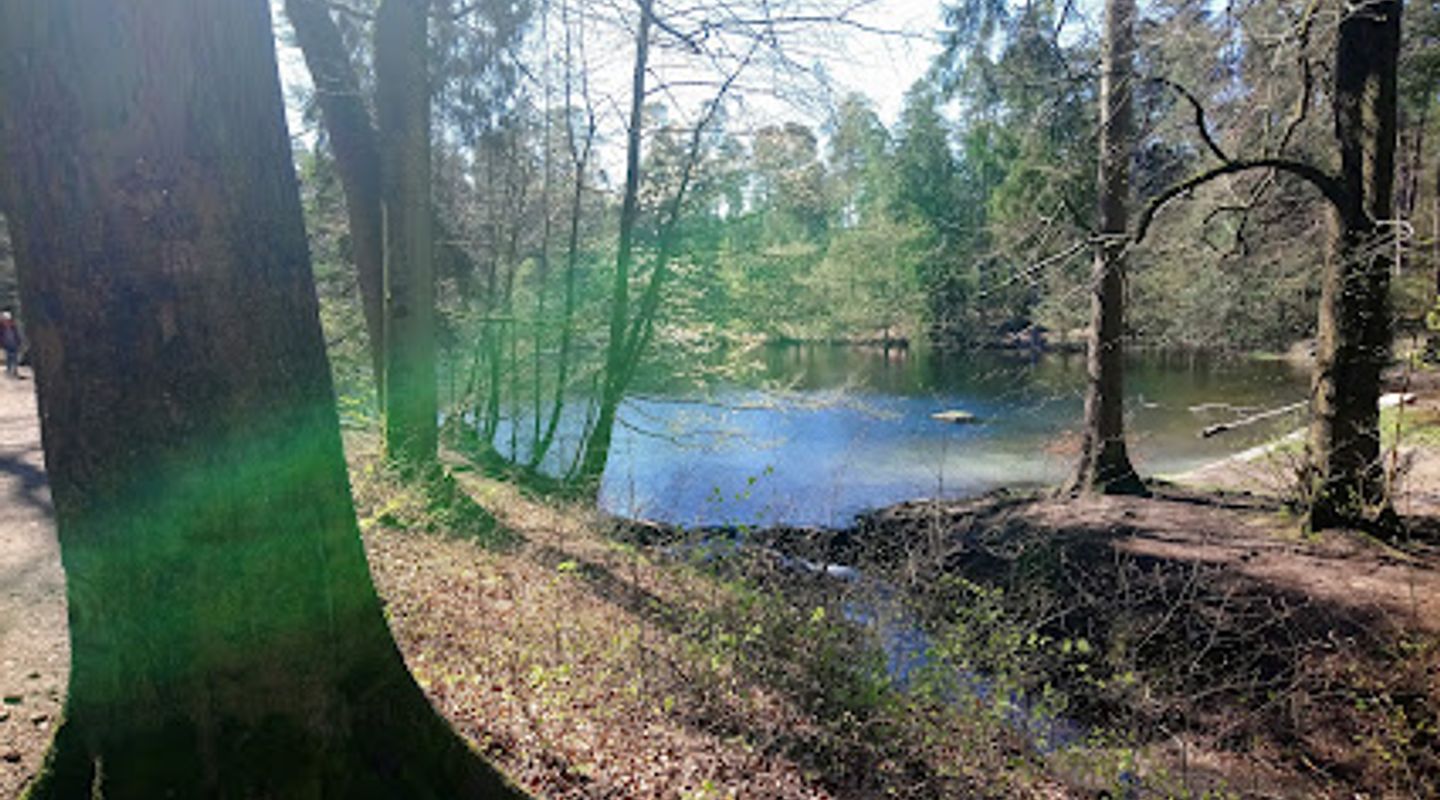
Hiddeser Bent, nestled near Detmold, is a captivating natural preserve and the last surviving hillside moor in the Teutoburg Forest. This unique landscape, shaped over millennia, offers visitors a chance to explore rare moorland ecosystems. Boardwalks meander through the delicate environment, allowing for close encounters with specialized flora like peat mosses and insect-eating sundews. An observation platform provides panoramic views of the moor, revealing the subtle beauty of this fragile habitat. Once a site of extensive peat extraction, Hiddeser Bent now stands as a testament to conservation, inviting exploration and appreciation of its unique ecological significance. The area is easily accessible and offers a tranquil escape into nature.
Opening hours
- Every dayOpen 24 hours
Opening hours as listed on the venue’s Google Business Profile. Hours can change for services and special events, so check with the venue before you go.
- Address
- 32756 Detmold
Getting there
Public Transport
Driving
Walking
Discover more about Hiddeser Bent
Overview
Hiddeser Bent, located west of Detmold's Hiddesen district in the heart of the Teutoburg Forest, is a remarkable natural area distinguished as the last living hillside moor in the region. The term "Bent" itself signifies a peaty moor, perfectly encapsulating the essence of this unique environment. This protected area offers a fascinating glimpse into a landscape shaped by thousands of years of natural processes and human interaction. The history of Hiddeser Bent is deeply intertwined with peat extraction, a practice that began in the 16th century and continued for several decades. Peat, a valuable fuel source, was harvested extensively, leading to significant alterations in the moor's landscape. Records from 1824 indicate that a staggering 17,000 cubic meters of peat were extracted in that year alone. This over-exploitation resulted in the shrinkage of the peat layer and the overall area of the original moorland. From a significantly larger expanse of 89 hectares in the mid-18th century, only about 2.6 hectares of open moorland remain today. The legacy of peat extraction is still visible in the landscape, with horizontal terraces etched into the hillsides, a testament to the manual labor involved in the process. When peat extraction became unprofitable, large sections of the area were reforested with pine and spruce trees, further transforming the landscape. Despite these changes, Hiddeser Bent retains its ecological significance, harboring a diverse array of specialized and endangered plant and animal species. Designated as a protected area as early as 1925, Hiddeser Bent, together with the Donoper Teich, became one of the first nature reserves in the Lippe district in 1950. The Donoper Teich–Hiddeser Bent nature reserve spans 119 hectares, with 108 hectares recognized as a Fauna-Flora-Habitat area of European importance. This designation underscores the area's critical role in preserving biodiversity. The unique environmental conditions of Hiddeser Bent support a variety of highly specialized plants and animals. Various dragonfly species, including the small moor dragonfly, thrive in the moor's wetlands, alongside the black moor ant and a wealth of moor-typical plants such as cottongrass with its distinctive white tufts. The heather, an evergreen dwarf shrub with needle-shaped leaves, also flourishes here, along with purple moor grass and sundew, a carnivorous plant adapted to nutrient-poor environments. Notably, 14 different species of peat moss have been identified in the area, highlighting the moor's exceptional biodiversity. Visitors to Hiddeser Bent can explore this unique landscape via a network of boardwalks that protect the fragile environment while providing access to its wonders. An observation platform on the northern edge of the Bent, established by the Lippe Biological Station and the Nature Park, offers panoramic views across the moor, allowing visitors to appreciate the subtle beauty of this unique habitat. Informational panels provide insights into the moor's ecology and history, enhancing the visitor experience. The Hiddeser Bent is also integrated into a network of hiking trails, including the Pivitker Wasserweg and the Climate Experience Route, offering opportunities for longer explorations of the surrounding area. These trails connect Hiddeser Bent to other natural attractions such as the Donoper Teich, Hasselbachstausee, and Blauer See, creating a diverse and rewarding hiking experience. The Hiddeser Bent is more than just a nature reserve; it is a living testament to the interplay between natural processes and human activity. Its history, ecology, and scenic beauty make it a compelling destination for nature lovers, hikers, and anyone interested in exploring the unique landscapes of the Teutoburg Forest. A visit to Hiddeser Bent offers a chance to connect with nature, learn about conservation, and appreciate the fragile beauty of a vanishing moorland ecosystem. While exploring Hiddeser Bent, consider extending your visit to include other nearby attractions. The Hermannsdenkmal, a towering monument commemorating the Battle of the Teutoburg Forest, is located just a few kilometers away. The Detmold Open-Air Museum, one of Germany's largest open-air museums, offers a fascinating glimpse into the region's rural past. Together, these attractions provide a rich and diverse experience of the Detmold area. Whether you are a seasoned hiker or a casual nature enthusiast, Hiddeser Bent offers a unique and rewarding experience. Its tranquil atmosphere, diverse ecology, and historical significance make it a must-see destination in the Teutoburg Forest. Take the time to explore this hidden gem and discover the beauty and wonder of a living moorland relic.
Evendo Review Centre
 Google
Guest reviews
Explore Hiddeser Bent on the map
A handpicked selection of must-see spots near Hiddeser Bent, mapped for you.
Get your free copy of our complete guide to Hiddeser Bent, delivered straight to you.
Everything on this page, from opening hours and how to get there to Eve’s tips and the best time to go, in one PDF you can read offline, print or share.
Already have an account? Sign in
Your Hiddeser Bent guide is ready.
We'll send it to · Not you? Sign out

Getting your guide ready…
We are putting together a fresh copy of the Hiddeser Bent guide. This can take up to a minute.
This can take a few moments. If your browser asks, choose Allow so the download can start. You'll find the guide in your Downloads folder.
Nothing happened? Download it again
Sorry, the guide is taking longer than usual. Please try again in a minute, or get it by email instead.
Other nearby places you may find interesting
The closest places of the same kind, if this one is not quite what you had in mind.
-
-
-
-
-


Swipe for more places
More to explore near Hiddeser Bent

 Best experiences near Hiddeser Bent
 Best hotels near Hiddeser Bent
 Best landmarks near Hiddeser Bent
 Best attractions near Hiddeser Bent
 Best shops near Hiddeser Bent
 Best restaurants near Hiddeser Bent
 Best bars near Hiddeser Bent
Do you manage this location?
Take control to get all the benefits, like improved information, better appearance, and stronger visibility across AI-powered discovery.
Explore more

Explore more of Teutoburg Forest
Explore Teutoburg Forest, where Germany's rich history meets natural beauty. Discover ancient battlefields, scenic trails, and charming towns in this enchanting wilderness.
Explore Teutoburg Forest
Explore more of Germany
Experience Germany: where history meets innovation, and urban energy blends with natural beauty. Discover diverse cultures, delicious cuisine, and stunning landscapes.
Explore Germany