
Palaisgarten, Teutoburg Forest Travel Guide
Discover Detmold's enchanting Palaisgarten: a historic landscape park with stunning water features, diverse trees, and a serene atmosphere, adjacent to the renowned music academy.
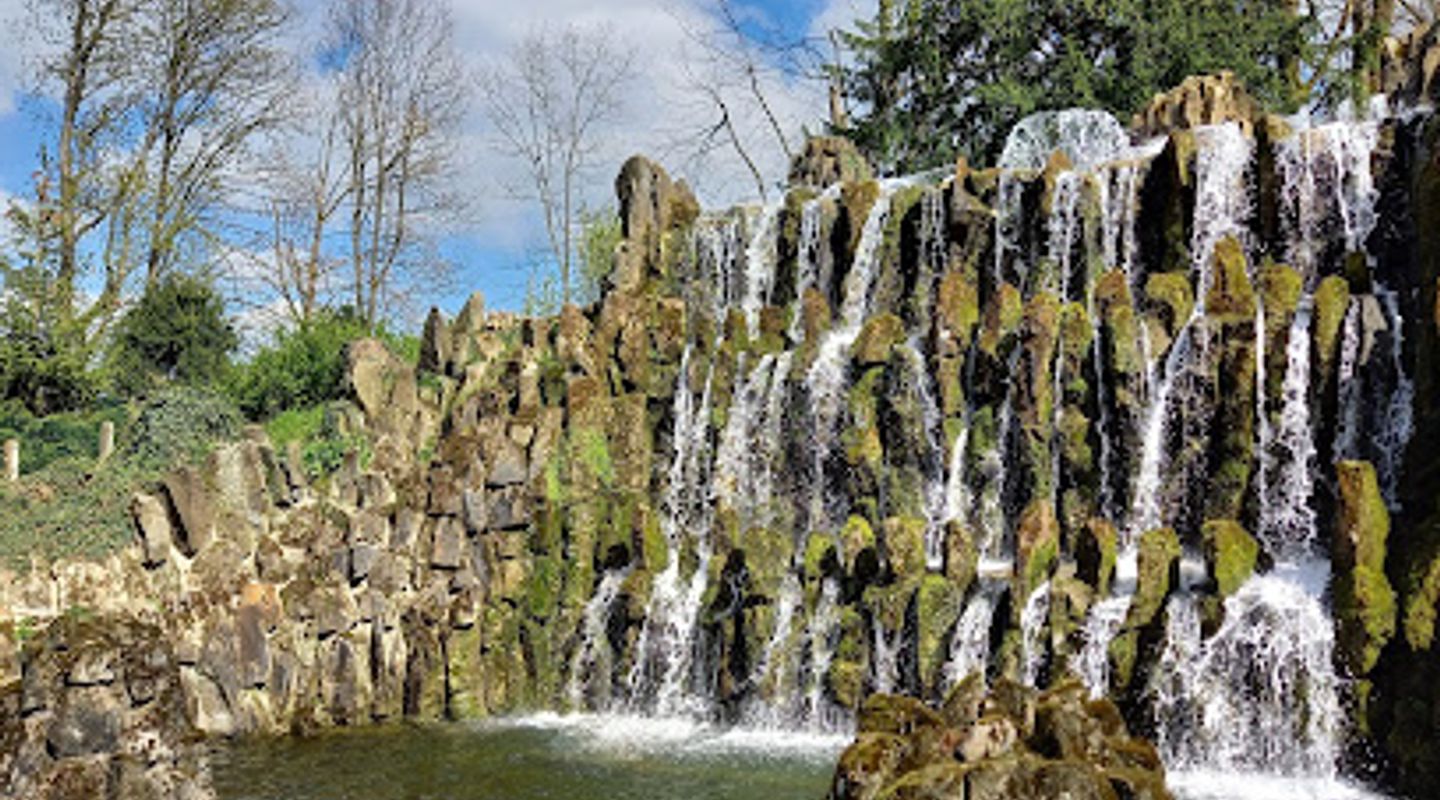
The Palaisgarten in Detmold is a captivating blend of history and natural beauty. Originally a Baroque garden in the early 18th century, it was transformed into an English landscape park in the mid-19th century. Today, it offers visitors a serene escape with its sprawling lawns, striking water features, and diverse collection of trees, including native and exotic species. The park's design reflects changing garden aesthetics over centuries, making it a unique historical site. Key attractions include the cascading fountains, the 'Twelve Apostles' tree circle, and the tranquil swan pond. Adjacent to the Hochschule für Musik Detmold, the Palaisgarten often provides an impromptu soundtrack of classical music, enhancing its enchanting atmosphere. Open year-round and free to enter, it's a perfect spot for a leisurely stroll, a family picnic, or simply soaking in the peaceful ambiance.
A brief summary to Palaisgarten
- Neustadt 22, Detmold, 32756, DE
- Click to display

Know before you go
Hi, I'm Eve. Here are a few practical things to know before exploring Palaisgarten.
- Check the Hochschule für Musik Detmold's event calendar for free concerts in the Palaisgarten, especially during the summer.
- Visit during the off-season (spring or fall) for fewer crowds and pleasant weather for strolling.
- Pack a picnic to enjoy on the lawns, but remember to dispose of your trash properly to help keep the park clean.
Do you manage this location?
Take control to get all the benefits, like improved information, better appearance, and stronger visibility across AI-powered discovery. Learn more about listing your business on Evendo
Activate your presenceOther nearby places you may find interesting
The closest places of the same kind, if this one is not quite what you had in mind.

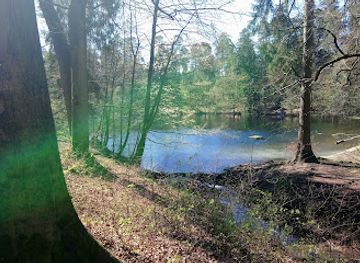
Explore Palaisgarten on the Map
A handpicked selection of must-see spots near Palaisgarten, mapped for you.
Getting There
-
Walking
From Detmold's Market Square (Marktplatz), walk south along Krumme Strasse, then turn left onto Neustadt. Continue straight; the Palaisgarten will be on your right, surrounding the Hochschule für Musik. The walk is approximately 5-10 minutes. Look for the historic stone portal marking one of the entrances.
-
Public Transport
From Detmold train station (Bahnhof), take bus lines 701, 703, 782, or 792 in the direction of Berlebeck, Hiddesen, Bad Meinberg, or Emmerstausee. Get off at the 'Palaisgarten' stop. The journey takes about 5-10 minutes. Single bus fares are approximately €2-3. From the bus stop, the park entrance is a short walk away.
-
Taxi/Ride-Share
A taxi or ride-share from Detmold train station (Bahnhof) to the Palaisgarten takes approximately 5-10 minutes, depending on traffic. Expect to pay around €8-12. The driver can drop you off directly at Neustadt 22, near the main entrance.
Discover more about Palaisgarten













Your all‑in‑one travel companion app
Explore expert travel guides, compare and book tours, experiences, hotels, and more—all from the palm of your hand. Download now for seamless trip planning wherever your wanderlust takes you.


Explore More of Teutoburg Forest
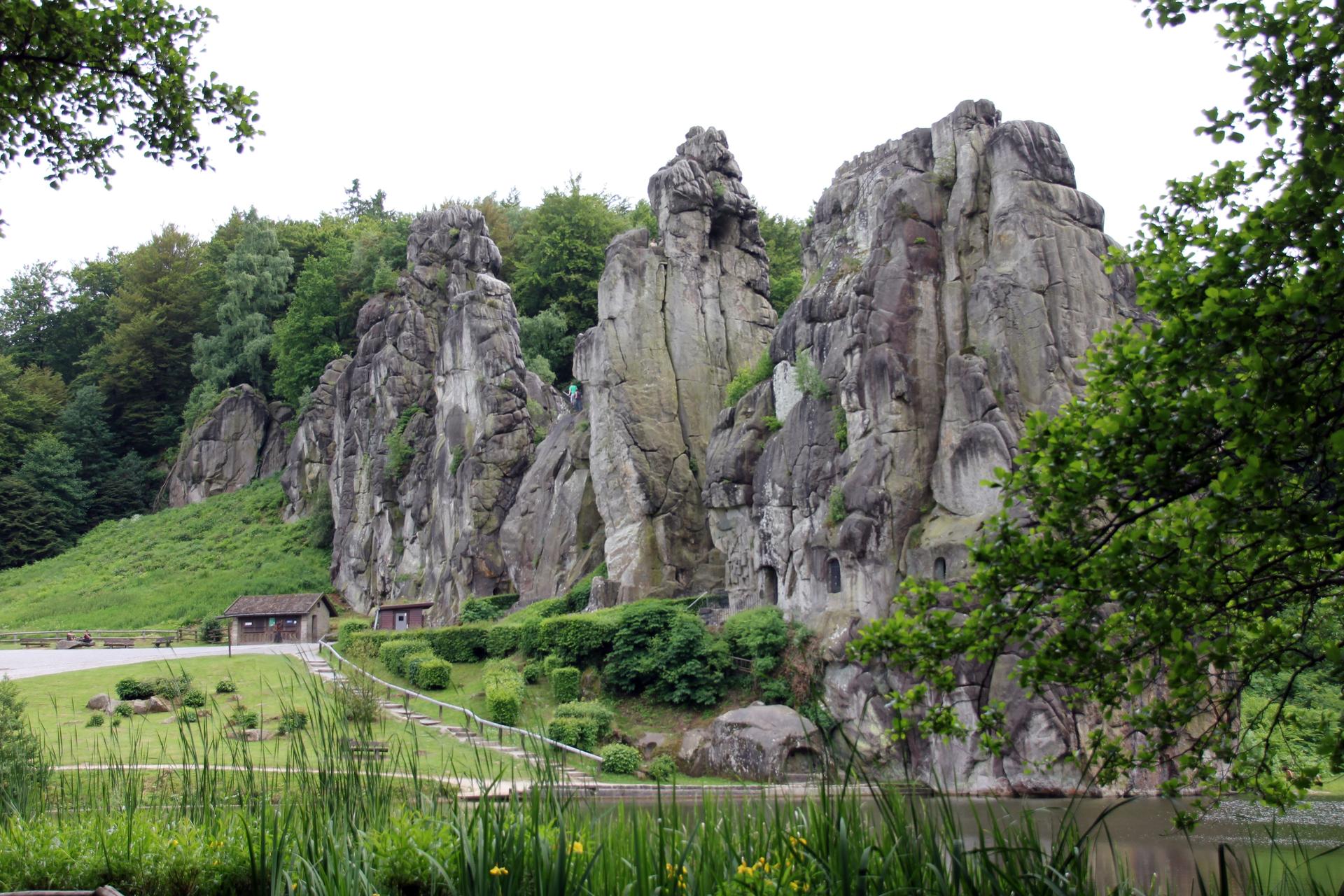
Looking beyond Palaisgarten? Discover Teutoburg Forest for broader travel guides, local hot-spots, and regional highlights.
Explore Teutoburg Forest
Experience rural Westphalian life through the ages at Paderborn Village in Detmold's open-air museum, exploring authentic homes, workshops, and traditions in a captivating historical setting.

Discover a tranquil oasis in Detmold at the Fontäne, a charming fountain nestled in a serene garden setting, offering a peaceful escape and a refreshing contrast to the city's bustle.
