
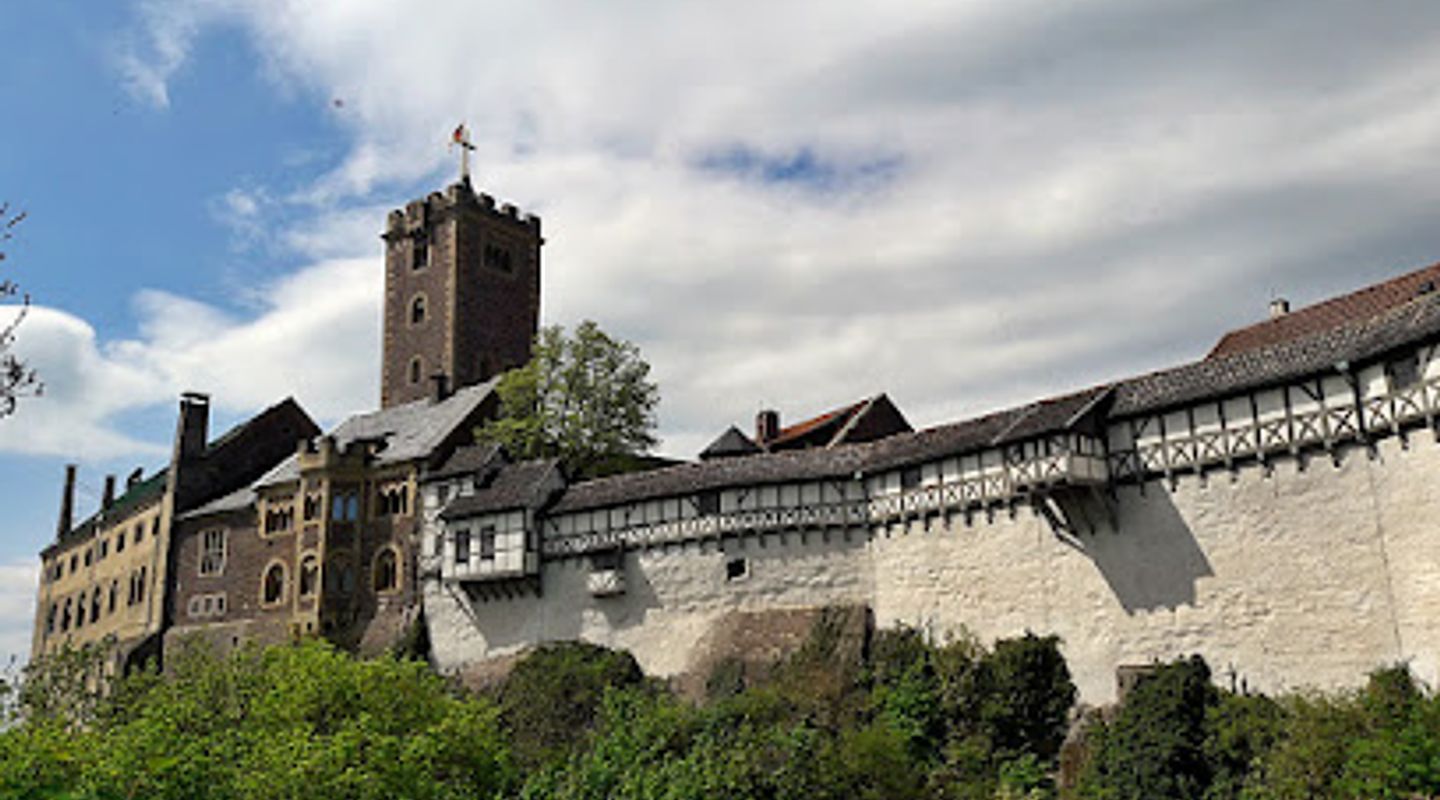
Wartburg, Thuringian Forest Travel Guide
Explore Wartburg Castle, a UNESCO World Heritage site in Eisenach, Germany, steeped in history, from Martin Luther's refuge to its medieval architecture and cultural significance.
Perched high above Eisenach, Germany, Wartburg Castle is a UNESCO World Heritage site steeped in history and legend. Founded in the 11th century, it served as a crucial Thuringian court, a refuge for Martin Luther where he translated the New Testament into German, and a gathering place for German unification advocates. Explore its well-preserved Romanesque architecture, wander through the courtyards, and immerse yourself in the stories of minstrels, saints, and reformers who shaped German identity. A visit here offers a captivating journey through over a millennium of art, architectural styles, and pivotal historical events, making it a must-see destination for history enthusiasts and culture seekers alike. Don't miss the stunning views of the Thuringian Forest from its ramparts.
A brief summary to Wartburg
- Auf d. Wartburg 1, Eisenach, 99817, DE
- Click to display
- Click to display
- Monday 9 am-5 pm
- Tuesday 9 am-5 pm
- Wednesday 9 am-5 pm
- Thursday 9 am-5 pm
- Friday 9 am-5 pm
- Saturday 9 am-5 pm
- Sunday 9 am-5 pm

Know before you go
Hi, I'm Eve. Here are a few practical things to know before exploring Wartburg.
- Arrive early, especially during peak season, to avoid crowds and fully appreciate the castle's atmosphere.
- Join a guided tour to delve deeper into the castle's history and explore its hidden corners; English tours are available.
- Wear comfortable shoes as there is a steep walk up to the castle from the parking area or bus stop.
- Check the schedule for concerts or events held in the castle's historic halls for a unique cultural experience.
- Allocate at least 2-3 hours to fully explore the castle grounds, museum, and interior spaces.
Do you manage this location?
Take control to get all the benefits, like improved information, better appearance, and stronger visibility across AI-powered discovery. Learn more about listing your business on Evendo
Activate your presenceOther nearby places you may find interesting
The closest places of the same kind, if this one is not quite what you had in mind.
Explore Wartburg on the Map
A handpicked selection of must-see spots near Wartburg, mapped for you.
Unlock the Best of Wartburg
Buy tickets
-
No tickets available
Book tours with entry
-
No tours available
Book tours without entry

Getting There
-
Public Transport
From Eisenach's Hauptbahnhof (main train station), take bus line 3 (Luthershuttle) directly to Wartburg Castle. The bus departs from Karlsplatz, near the train station, approximately every three hours. The ride takes about 15-20 minutes to the final stop, 'Eisenach, Wartburg'. From the bus stop, there is a final uphill walk of about 500 feet to the castle entrance. A ticket for the bus is approximately €1.70. Note that regional Thüringen-tickets or Schönes Wochenende tickets may not be valid on this route.
-
Taxi/Ride-Share
From Eisenach city center or the main train station, a taxi or ride-share to Wartburg Castle takes approximately 7 minutes, covering a distance of about 4 km. The estimated fare ranges from €9 to €11. Taxis are readily available at the train station. Be prepared for a short uphill walk from the taxi drop-off point to the castle entrance.
-
Driving
If driving, follow signs for Wartburg from the A4 Autobahn, taking the 'Eisenach-Ost' exit. Proceed through Eisenach onto Wartburgallee, following the winding road (B19) up to the castle. There is a parking area at the base of the castle, with a parking fee of €7 for cars. From the parking lot, you can either walk uphill approximately 500 feet to the castle entrance or take a shuttle bus for €3 per person, per trip. Parking fees for motorcycles are €3, and for RVs, €12.
-
Special Transport
A shuttle bus service operates from the parking lot at the base of the hill to the castle entrance for those with mobility issues or who prefer not to walk uphill. The shuttle costs €3 per person, per trip. During the summer months, children can enjoy donkey rides up a portion of the hill to the castle, adding a unique and memorable experience.
Discover more about Wartburg













Your all‑in‑one travel companion app
Explore expert travel guides, compare and book tours, experiences, hotels, and more—all from the palm of your hand. Download now for seamless trip planning wherever your wanderlust takes you.


Explore More of Thuringian Forest
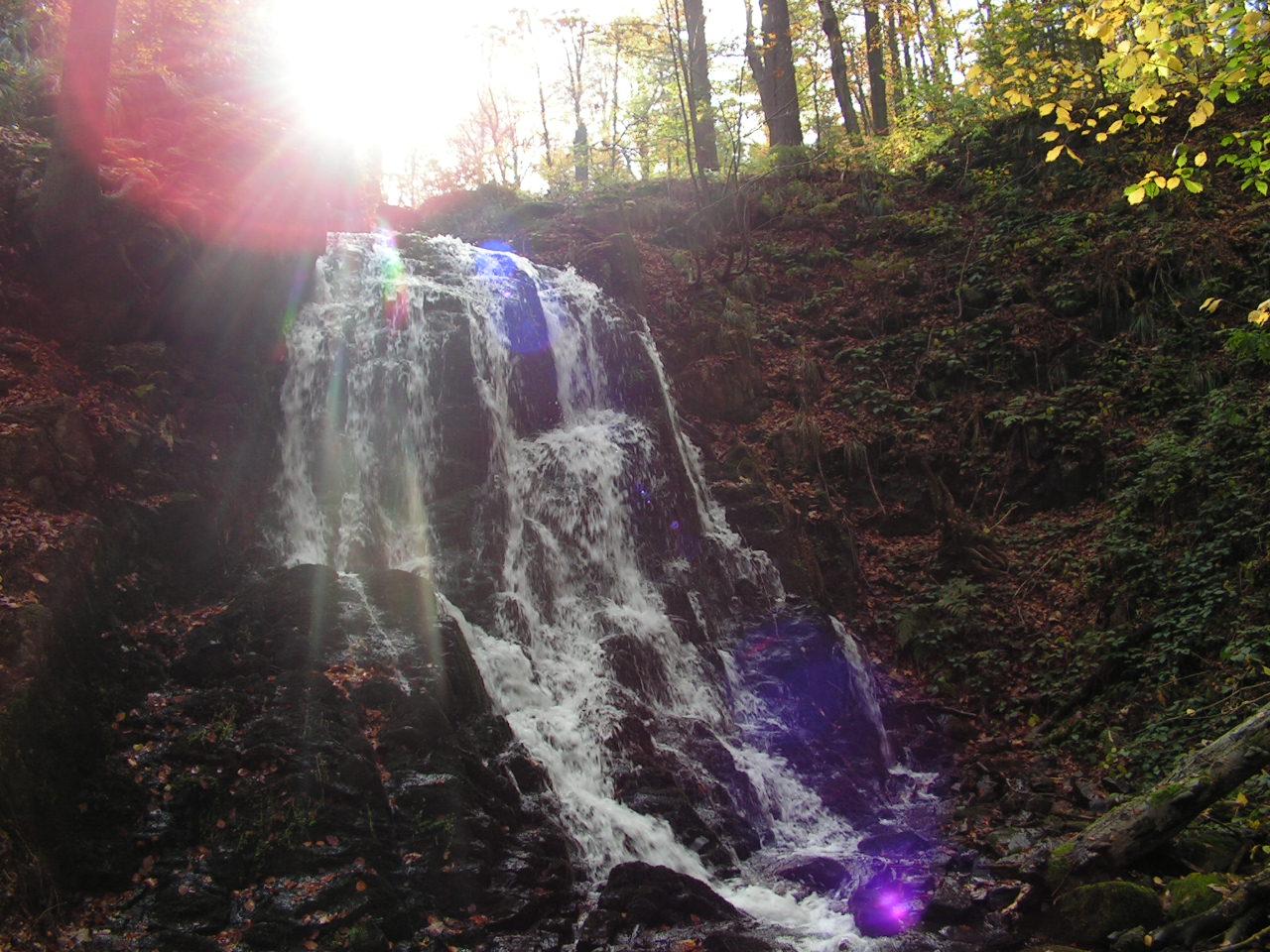
Looking beyond Wartburg? Discover Thuringian Forest for broader travel guides, local hot-spots, and regional highlights.
Explore Thuringian Forest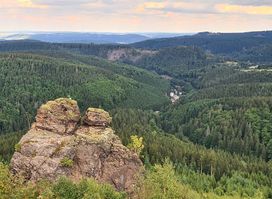
Discover panoramic views and historical charm at Felsenschlagturm in Gehlberg, a Thuringian Forest gem offering hiking, nature, and breathtaking scenery year-round.

Explore the enchanting town of Eisenach, home to the iconic Wartburg Castle and rich in history and culture, nestled in the heart of Germany.
