

Cologne Cathedral, Upper Rhine Travel Guide
Experience the grandeur of Cologne Cathedral, a UNESCO World Heritage site, where Gothic architecture, religious history, and artistic treasures converge in the heart of Cologne.
Cologne Cathedral, or Kölner Dom, is a towering testament to Gothic architecture and a UNESCO World Heritage site, dominating Cologne's skyline. Construction began in 1248 to house the relics of the Three Wise Men and wasn't completed until 1880, over 600 years later. Today, it stands as Germany's most visited landmark, drawing millions of pilgrims and tourists annually. The cathedral's immense scale, intricate facade, soaring spires, and stunning stained glass windows create an awe-inspiring experience. Visitors can explore the treasury, climb the south tower for panoramic city views, and attend services in this active place of worship. Cologne Cathedral is more than just a building; it's a symbol of Cologne's history, resilience, and faith.
A brief summary to Cologne Cathedral
- Domkloster 4, Cologne, Innenstadt, 50667, DE
- Click to display
- Click to display
- Monday 6 am-8 pm
- Tuesday 6 am-8 pm
- Wednesday 6 am-8 pm
- Thursday 6 am-8 pm
- Friday 6 am-8 pm
- Saturday 6 am-8 pm
- Sunday 6 am-8 pm

Know before you go
Hi, I'm Eve. Here are a few practical things to know before exploring Cologne Cathedral.
- Climb the 533 steps of the south tower for breathtaking panoramic views of Cologne; be prepared for a strenuous climb.
- Visit the Cathedral Treasury to see a collection of valuable religious artifacts, including reliquaries and liturgical vestments.
- Attend a mass to experience the cathedral as a living place of worship and hear the resonant sounds of its historic bells.
- Look for the Richter Window, a modern stained-glass installation composed of thousands of colored squares, adding a contemporary touch to the Gothic interior.
- Be aware of the dress code; modest attire is required when entering the cathedral.
Do you manage this location?
Take control to get all the benefits, like improved information, better appearance, and stronger visibility across AI-powered discovery. Learn more about listing your business on Evendo
Activate your presenceOther nearby places you may find interesting
The closest places of the same kind, if this one is not quite what you had in mind.

Explore Cologne Cathedral on the Map
A handpicked selection of must-see spots near Cologne Cathedral, mapped for you.
Unlock the Best of Cologne Cathedral
Buy tickets
-
No tickets available
Book tours with entry


Getting There
-
Walking
From Cologne Central Station (Köln Hauptbahnhof), the Cologne Cathedral is directly adjacent and easily accessible on foot. Exit the station towards the Domplatz (Cathedral Square), and the cathedral will be immediately visible. The main entrance is a short walk across the square.
-
Public Transport
Cologne Cathedral is well-served by public transport. Several tram and bus lines stop at Köln Hauptbahnhof/Dom, right next to the cathedral. Tram lines 5, 16, and 18 are a few options. A single ticket for a short trip (Kurzstrecke) within the city center costs approximately €2.20.
-
Taxi/Ride-Share
Taxis and ride-sharing services are readily available throughout Cologne. A short ride from anywhere in the city center to Cologne Cathedral will typically cost between €7 and €12, depending on traffic and distance.
-
Driving
While driving to Cologne Cathedral is possible, parking in the immediate vicinity is limited and can be expensive. Consider parking in one of the underground parking garages near the cathedral, such as the Domgarage (Kurt-Hackenberg-Platz 2). Parking fees typically range from €3 to €5 per hour. Alternatively, use a Park and Ride (P+R) facility outside the city center and take public transport to the cathedral.
Discover more about Cologne Cathedral













Your all‑in‑one travel companion app
Explore expert travel guides, compare and book tours, experiences, hotels, and more—all from the palm of your hand. Download now for seamless trip planning wherever your wanderlust takes you.


Explore More of Upper Rhine
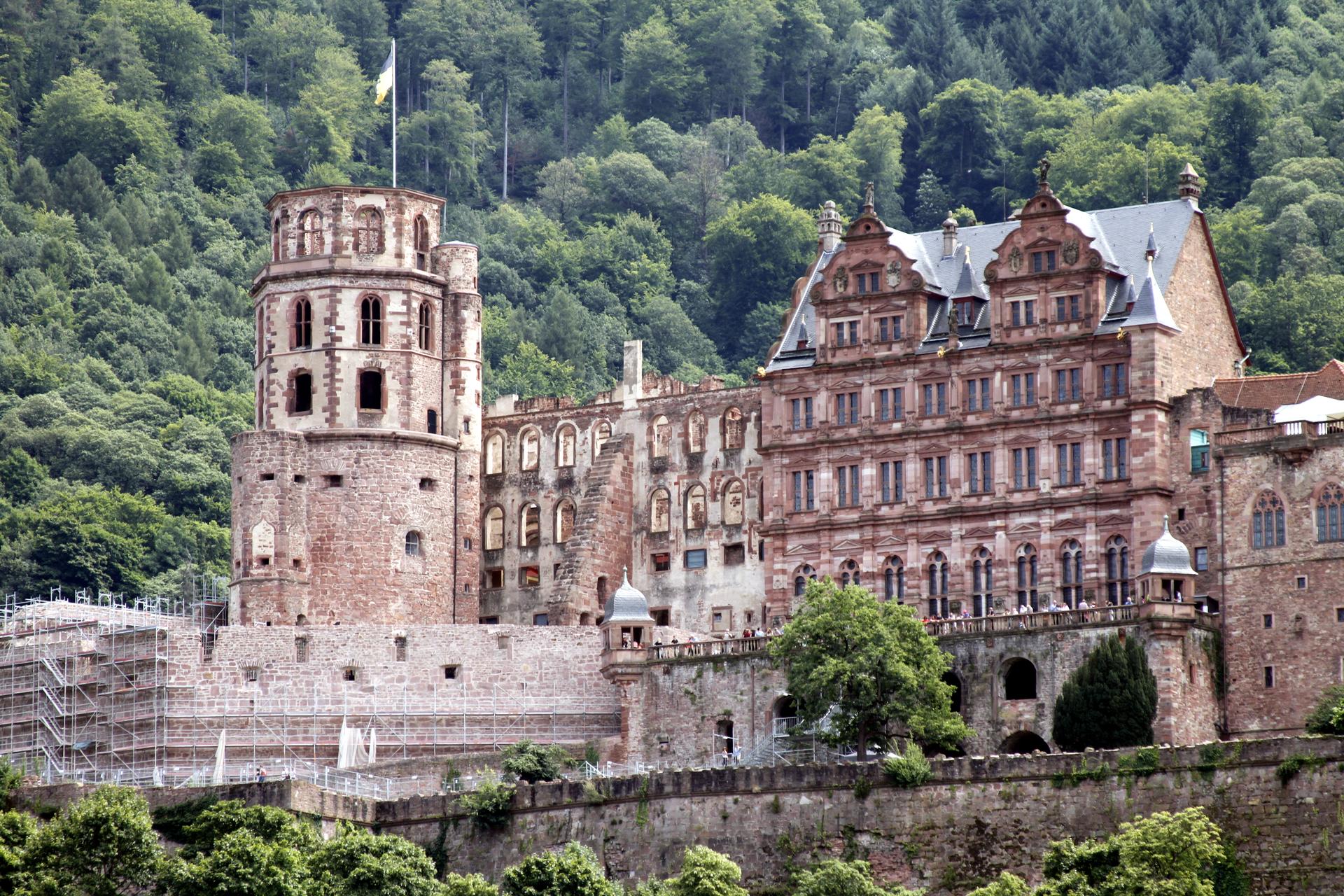
Looking beyond Cologne Cathedral? Discover Upper Rhine for broader travel guides, local hot-spots, and regional highlights.
Explore Upper Rhine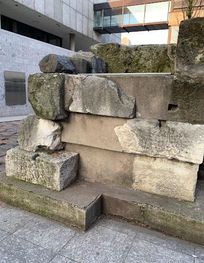
Explore Cologne's Ancient Roman Harbor Street: A captivating historical landmark offering a glimpse into the city's Roman past, showcasing its significance as a vital trading hub.
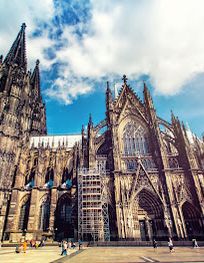
Discover the Shrine of the Three Kings in Cologne Cathedral, a breathtaking masterpiece of medieval art and a testament to centuries of faith and history.
