Brühl Castle Travel Guide
Free Guide: Discover the splendor of German Rococo at Brühl Castle, a UNESCO World Heritage site featuring opulent palaces, exquisite gardens, and a glimpse into the lives of German royalty.


A brief summary of Brühl Castle
Discover the splendor of German Rococo at Brühl Castle, a UNESCO World Heritage site featuring opulent palaces, exquisite gardens, and a glimpse into the lives of German royalty.
Brühl Castle, also known as Augustusburg Palace, is a stunning example of Rococo architecture located in Brühl, Germany, near Cologne and Bonn. Commissioned in the 18th century by Archbishop-Elector Clemens August of Bavaria, the palace and its surrounding gardens showcase the opulence and elegance of the era. The interior boasts intricate gold-leaf details, embossed leather wallpaper, and the breathtaking Balthasar Neumann-designed staircase. A visit offers a glimpse into the lives of German royalty and the architectural styles that influenced European courts for centuries. Along with the adjacent Falkenlust Hunting Lodge, Brühl Castle is a UNESCO World Heritage site, attracting visitors with its historical significance and artistic beauty. The palace is easily accessible and provides a memorable experience for history buffs and art enthusiasts alike.
Opening hours
- MonClosed
- Tue9 am–4 pm
- Wed9 am–4 pm
- Thu9 am–4 pm
- Fri9 am–4 pm
- Sat10 am–5 pm
- Sun10 am–5 pm
Opening hours as listed on the venue’s Google Business Profile. Hours can change for services and special events, so check with the venue before you go.
- Address
- Parkplatz, Max-Ernst-Allee, 50321 Brühl
- Phone
- Website
Getting there
Public Transport
Driving
Taxi/Ride-Share
Discover more about Brühl Castle
Overview
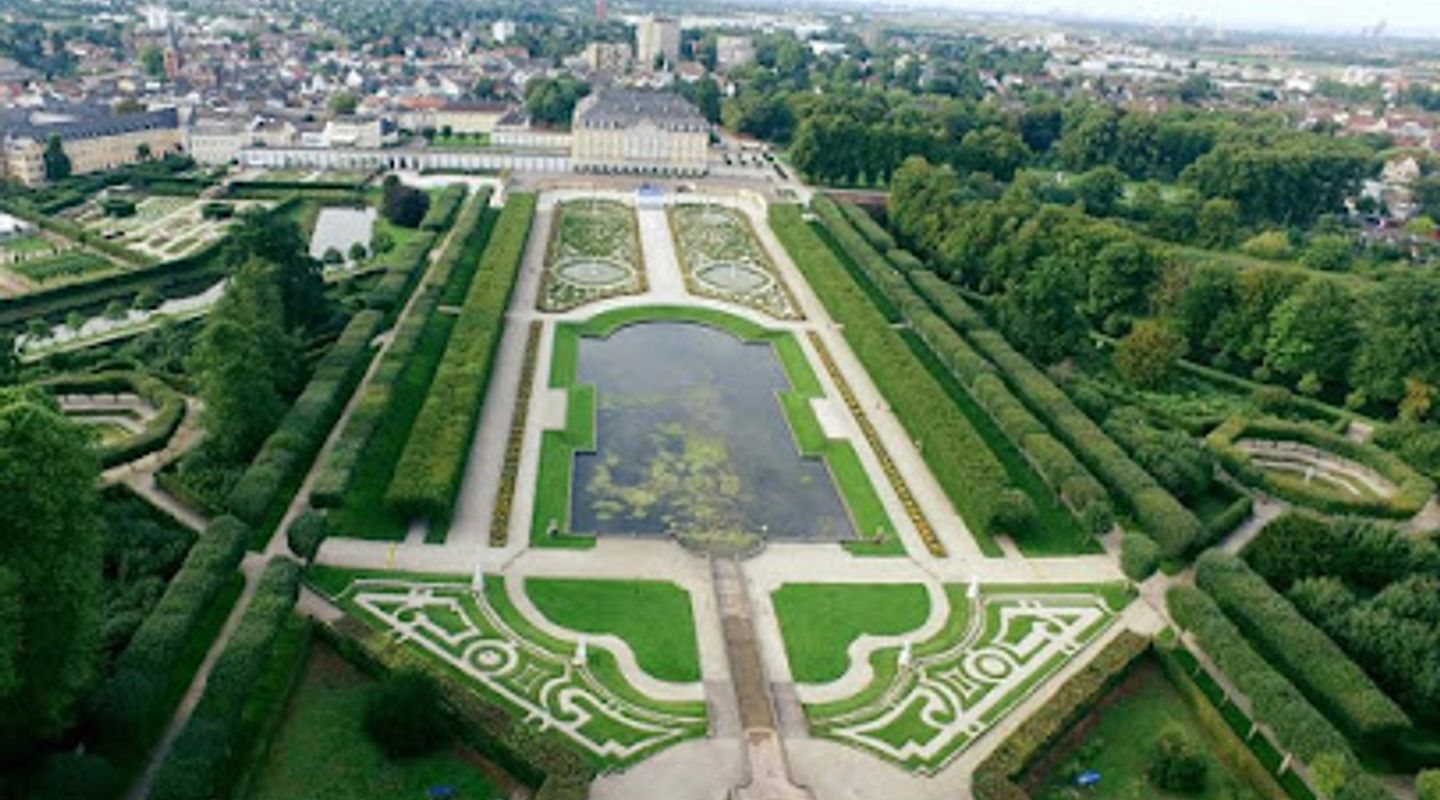
Brühl Castle, encompassing Augustusburg Palace and the Falkenlust Hunting Lodge, stands as a magnificent testament to the opulence and artistry of the Rococo period. Located in the town of Brühl, nestled between Cologne and Bonn, this UNESCO World Heritage site offers visitors a captivating journey through German history and architectural splendor. Commissioned by Clemens August of Bavaria, the Archbishop-Elector of Cologne, Augustusburg Palace began construction in 1725 on the foundations of a medieval moated castle. Clemens August, known for his refined tastes and love of lavish displays, envisioned a summer residence that would rival the grandest courts of Europe. Over the next four decades, renowned artists and architects, including Johann Conrad Schlaun, François de Cuvilliés, and Balthasar Neumann, contributed their talents to create a masterpiece of Rococo design. The palace's creamy yellow exterior and meticulously designed gardens immediately captivate visitors. Stepping inside, one is transported to a world of ornate details and breathtaking artistry. The Grand Staircase, designed by Balthasar Neumann, is a particular highlight, showcasing the dynamism and elegance of German Baroque architecture. Intricate gold-leaf detailing adorns the walls and ceilings, while embossed leather wallpaper adds a touch of luxury to the rooms. The interior of Augustusburg Palace is a carefully curated collection of rooms, each with its own unique character and purpose. The Summer Bedroom, Courtiers Room, and Clemens August's office offer glimpses into the daily life and political activities of the Archbishop-Elector. The Yellow Apartment, a private residence of the elector, exemplifies early Rococo style. Every corner of the palace reflects the refined tastes and extravagant lifestyle of its former residents. Just a short walk from Augustusburg Palace, nestled within a secluded forest, lies the Falkenlust Hunting Lodge. Built between 1729 and 1737 by François de Cuvilliés, this intimate retreat served as a place for Clemens August to indulge in his passion for falconry. The lodge's design was inspired by the Amalienburg hunting lodge in Munich, another work of Cuvilliés. Falkenlust features a series of exquisitely decorated rooms, each reflecting the Rococo style found in the main palace. The Mirror Cabinet, adorned with East Asian lacquer panels, and the tile-clad main stairwell are particularly noteworthy. Clemens August would often invite small groups of prominent guests to the lodge for intimate gatherings and parties, adding to its allure and mystique. Legend has it that even the famed Casanova graced the lodge with his presence. The gardens and parks surrounding Augustusburg Palace and Falkenlust Hunting Lodge are an integral part of the UNESCO World Heritage site. Designed in the French formal style by Dominique Girard, a student of Versailles, the gardens feature geometric arrangements of plants, fountains, and sculptures. The decorative parterre of the Augustusburg garden is considered one of the most authentic examples of an 18th-century French-style garden. In the 19th century, Peter Joseph Lenné transformed sections of the park into an English landscape garden, adding a touch of natural beauty to the formal designs. Today, visitors can stroll through the gardens, admiring the harmonious blend of French and English garden styles. Throughout its history, Brühl Castle has played a significant role in German politics and culture. From 1949 to 1994, Augustusburg Palace served as a representative palace for the Federal President and the Federal Government, hosting prominent state guests such as Queen Elizabeth II, Mikhail Gorbachev, Nelson Mandela, and Pope John Paul II. Today, Augustusburg Palace and Falkenlust Hunting Lodge are open to the public as museums, offering visitors a chance to step back in time and experience the grandeur of the Rococo era. Guided tours are available, providing insights into the history, architecture, and art of the palaces. Audio guides are also available in multiple languages. Whether you are a history buff, an art enthusiast, or simply seeking a beautiful and inspiring destination, Brühl Castle is sure to leave a lasting impression. Its stunning architecture, exquisite interiors, and picturesque gardens make it a must-see attraction in Germany. Beyond the palaces themselves, Brühl offers a charming town to explore. The Max Ernst Museum showcases the works of the renowned Dada and Surrealist artist, while the Rheinland Nature Park provides opportunities for hiking and outdoor recreation. The town also hosts various cultural events throughout the year, including the Brühl Castle Concerts, held in the palace gardens during the summer months. Visiting Brühl Castle is an easy day trip from Cologne or Bonn. The town is easily accessible by train, tram, or car, making it a convenient destination for travelers. With its rich history, stunning architecture, and beautiful surroundings, Brühl Castle offers a truly unforgettable experience.
Evendo Review Centre
 Google
Guest reviews
Explore Brühl Castle on the map
A handpicked selection of must-see spots near Brühl Castle, mapped for you.
Get your free copy of our complete guide to Brühl Castle, delivered straight to you.
Everything on this page, from opening hours and how to get there to Eve’s tips and the best time to go, in one PDF you can read offline, print or share.
Already have an account? Sign in
Your Brühl Castle guide is ready.
We'll send it to · Not you? Sign out

Getting your guide ready…
We are putting together a fresh copy of the Brühl Castle guide. This can take up to a minute.
This can take a few moments. If your browser asks, choose Allow so the download can start. You'll find the guide in your Downloads folder.
Nothing happened? Download it again
Sorry, the guide is taking longer than usual. Please try again in a minute, or get it by email instead.
Other nearby places you may find interesting
The closest places of the same kind, if this one is not quite what you had in mind.
-
-
-
-
-


Swipe for more places
More to explore near Brühl Castle

 Best experiences near Brühl Castle
 Best hotels near Brühl Castle
 Best landmarks near Brühl Castle
 Best attractions near Brühl Castle
 Best shops near Brühl Castle
 Best restaurants near Brühl Castle
 Best bars near Brühl Castle
Do you manage this location?
Take control to get all the benefits, like improved information, better appearance, and stronger visibility across AI-powered discovery.
Explore more

Explore more of Westphalia
Discover Westphalia: A blend of medieval charm, cultural heritage, and natural beauty in the heart of northwestern Germany.
Explore Westphalia
Explore more of Germany
Experience Germany: where history meets innovation, and urban energy blends with natural beauty. Discover diverse cultures, delicious cuisine, and stunning landscapes.
Explore Germany