

Free Westphalia Travel Guide & Mobile App
Explore Westphalia with free travel guides. Discover regional history, expert tips, proposed trips, and audio guides on web or mobile app.


Explore Westphalia in Germany for medieval cities, industrial heritage, forested hills, cycling routes, regional food and historic landscapes.
Read more about Westphalia
When is the best time to visit Westphalia?
Best: June–August · 19–22°C| Month | High (°C) | Rainfall (mm) |
|---|---|---|
| January | 2 | 50 |
| February | 3 | 45 |
| March | 7 | 50 |
| April | 11 | 55 |
| May | 16 | 60 |
| June (best) | 19 | 65 |
| July (best) | 22 | 70 |
| August (best) | 21 | 65 |
| September | 18 | 60 |
| October | 13 | 55 |
| November | 7 | 50 |
| December | 4 | 55 |
Getting to and around Westphalia
How to get there
Transportation
Top city travel guides in Westphalia
The cities of Westphalia, and the easiest places to base yourself.
-

-

-

-

-

-


Swipe for more cities
Destinations in Westphalia
Resorts, valleys and scenic spots worth a trip of their own.
-

-

-

-

-


Swipe for more destinations
Best attractions in Westphalia
Westphalia's attractions range from medieval city centres and episcopal treasures to former mines, forests and reservoirs. Münster rewards walking through its historic core, visiting St Paul's Cathedral and exploring the city's museums and university quarter, while Paderborn offers cathedral heritage and the remains of its medieval and Carolingian past. Soest is notable for its Romanesque churches and historic townscape. In the east, the Teutoburg Forest and Egge hills provide walking routes around the Hermannsdenkmal, the Externsteine and other wooded viewpoints. Dortmund and the wider eastern Ruhr present industrial heritage through former mining and railway sites, museums and cultural venues. The Münsterland is particularly suited to cycling between villages, moated manor houses and agricultural landscapes. Southwards, the Sauerland combines hill walking, reservoirs, caves and outdoor recreation, with activities changing markedly between summer and winter. Family-oriented visits can include wildlife parks, open-air museums and accessible lakeside areas, while historic towns such as Arnsberg and Höxter provide quieter architectural counterpoints to the region's industrial cities.
-
Cathedral
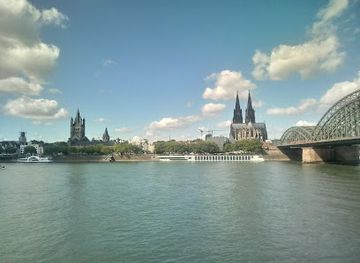
Cologne Cathedral
Discover the awe-inspiring Cologne Cathedral, a UNESCO World Heritage site and a stunning example of Gothic architecture in the heart of Germany.
-
Theme park
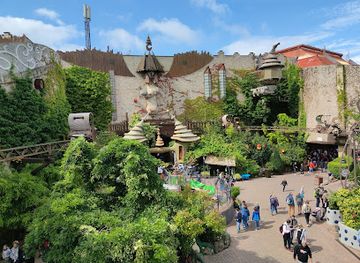
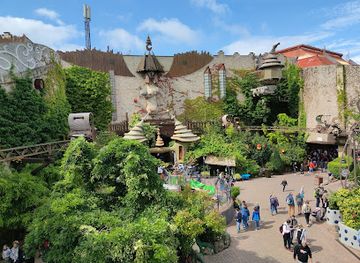
Phantasialand
Explore the enchanting world of Phantasialand, Germany's premier theme park featuring thrilling rides, captivating shows, and magical experiences for all ages.
-
Castle
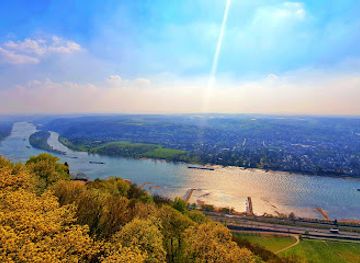
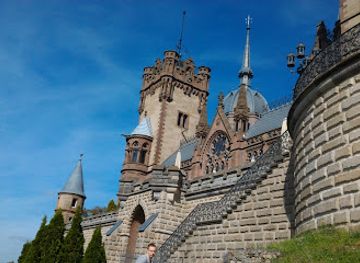
Schloss Drachenburg
Discover the enchanting Schloss Drachenburg, a stunning castle and cultural landmark nestled in the scenic hills of Königswinter, Germany.
-
Park
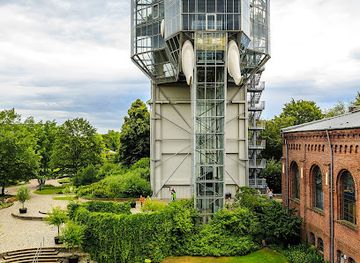
Maximilianpark Hamm
Discover Maximilianpark Hamm: A beautiful park and event venue in Germany, perfect for nature lovers and families seeking recreational activities.
Best landmarks in Westphalia
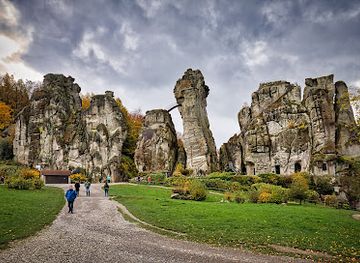
Westphalia's landmarks reveal the region's layered political, religious and industrial history. Münster's Prinzipalmarkt, lined with stepped-gable houses, is the city's most recognisable urban scene, while St Paul's Cathedral remains a major ecclesiastical landmark. Paderborn Cathedral and its associated historic centre express the city's long connection with the Carolingian and medieval church, and Soest's Romanesque churches give its old town a distinctive architectural profile. In the Teutoburg Forest, the Hermannsdenkmal near Detmold dominates a wooded ridge, while the Externsteine form a striking group of sandstone pillars with archaeological and cultural associations. Porta Westfalica, where the Weser passes through a gap between hills, is a defining geographical landmark of the north-east. Dortmund's former industrial structures, including the preserved Zollern colliery complex, represent the mining and metalworking landscape that shaped modern Westphalia. In the south, Arnsberg's hilltop historic quarter and the Sauerland's reservoirs provide contrasting landmarks created by settlement and engineering.
-
 Cathedral
Cologne Cathedral
Experience the awe-inspiring grandeur of Cologne Cathedral, a UNESCO World Heritage site and a masterpiece of Gothic architecture, steeped in history and spiritual significance.
-
Theme park
Phantasialand
Experience world-class thrills and immersive themed adventures at Phantasialand, one of Germany's top theme parks, offering unforgettable memories for families and thrill-seekers alike near Cologne.
-
Historical landmark
Externsteine
Explore the breathtaking Externsteine, a historical and cultural landmark showcasing stunning rock formations and rich heritage in the heart of Germany.
-
Castle
Schloss Drachenburg
Discover the enchanting beauty and rich history of Schloss Drachenburg, a stunning castle in Königswinter with breathtaking views and serene hiking trails.
Explore Westphalia on the map
Plan your trip on one map. See where the top cities, national parks and sights are, and book hotels and experiences in a few clicks.
Best hotels in Westphalia
Best restaurants in Westphalia
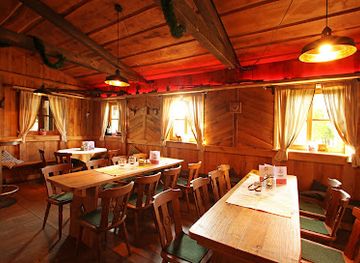
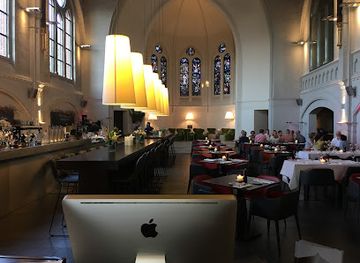
Westphalian food is shaped by rye cultivation, pork, seasonal vegetables and the practical cooking of rural and working communities. Pumpernickel and other dark rye breads are regional staples, while Westphalian ham, smoked meats, pickled accompaniments and hearty stews feature in traditional inns and butcher shops. In Münsterland and the Sauerland, restaurants often combine local produce with contemporary German cooking, and village cafés are useful stops for cakes and breads rather than elaborate meals. Dortmund and Münster have the broadest range of international restaurants, vegetarian cooking and modern dining rooms. Beer remains an important part of the region's culinary culture, with breweries and beer halls found in several towns, but Westphalian dining is not limited to drinking establishments. Farmers' markets and bakery counters offer a more direct way to encounter local food, particularly seasonal fruit, asparagus, breads and preserves.
-
Steak
Pfefferkorn NY Steakhouse
Experience exquisite steak dining at Pfefferkorn NY Steakhouse on Hafenpromenade in Dortmund – where taste meets elegance.
-
German
Overkamp
Discover Overkamp in Dortmund: A charming German restaurant offering exquisite cuisine, delightful café treats, and local farm-fresh products.
-
Restaurant
GlückundSeligkeit
Experience exceptional dining at GlückundSeligkeit in Bielefeld - where culinary artistry meets warm hospitality.
-
Steak
Steakhaus Pavic
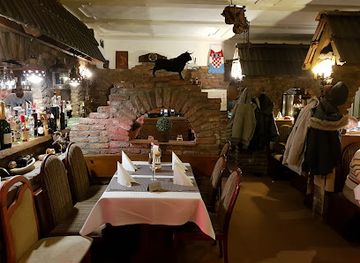
Experience authentic Croatian cuisine and succulent steaks at Steakhaus Pavic in Iserlohn - where every meal is a celebration of flavor.
Best bars in Westphalia
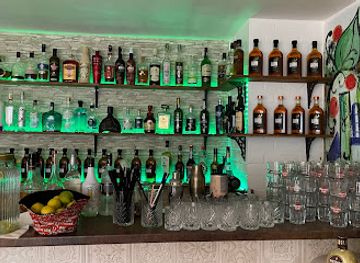
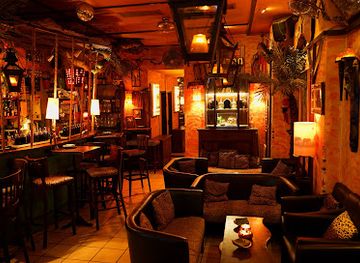
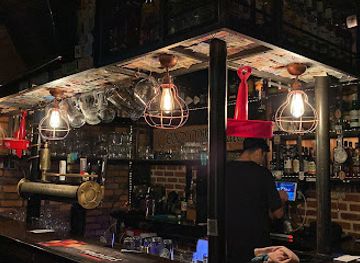
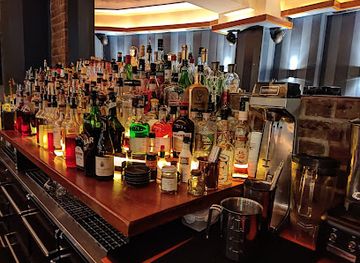
Evening life varies considerably across Westphalia. Münster has the region's most concentrated café, pub and student-oriented nightlife, with bars and restaurants around the old town and university areas. Dortmund offers a larger urban choice, including traditional pubs, contemporary bars, live music and venues linked to its football culture. In smaller towns, such as Paderborn, Bielefeld, Arnsberg and Soest, evenings generally centre on restaurants, pubs, beer gardens, cultural events and occasional clubs rather than a large late-night scene. The Sauerland and Münsterland are more likely to offer a sociable village inn, brewery or lakeside restaurant than a nightclub district. Seasonal festivals, concerts and theatre programmes can extend the choice, but dates and venues change, so visitors should consult local listings rather than assume nightly entertainment.
-
Function room facility
Cocktailkurse Düsseldorf
Discover the art of mixology at Cocktailkurse Düsseldorf, where every sip tells a story and every course is a celebration of flavors.
-
Cocktail bar
Daktari Cocktailbar
Discover the vibrant nightlife at Daktari Cocktailbar in Essen, where expertly crafted cocktails and a lively atmosphere await.
-
Irish pub
The Copper Pot - Köln
Discover The Copper Pot in Cologne - the perfect blend of Irish charm, live music, and delicious cocktails awaits you!
-
Cocktail bar
Spirits
Discover the vibrant cocktail culture at Spirits, Cologne's premier cocktail bar and gastropub, where tastes and experiences blend seamlessly.
Best nightclubs in Westphalia
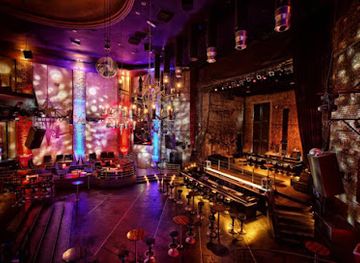
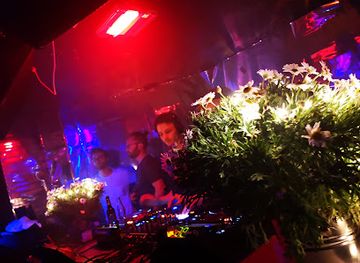
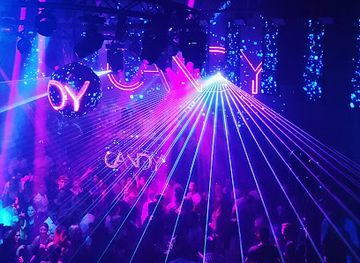
Evening life varies considerably across Westphalia. Münster has the region's most concentrated café, pub and student-oriented nightlife, with bars and restaurants around the old town and university areas. Dortmund offers a larger urban choice, including traditional pubs, contemporary bars, live music and venues linked to its football culture. In smaller towns, such as Paderborn, Bielefeld, Arnsberg and Soest, evenings generally centre on restaurants, pubs, beer gardens, cultural events and occasional clubs rather than a large late-night scene. The Sauerland and Münsterland are more likely to offer a sociable village inn, brewery or lakeside restaurant than a nightclub district. Seasonal festivals, concerts and theatre programmes can extend the choice, but dates and venues change, so visitors should consult local listings rather than assume nightly entertainment.
-
Disco club
The Nachtresidenz Düsseldorf
Dive into the pulsating nightlife of Düsseldorf at Nachtresidenz, where music, dance, and excitement await in a stylish club atmosphere.
-
Disco club
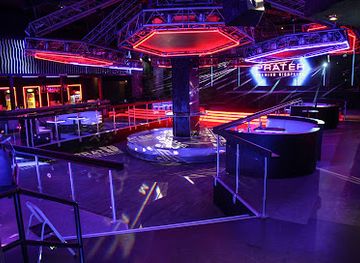
Prater
Discover the electrifying atmosphere of Prater, Bochum's renowned disco club, where unforgettable nights of dancing and fun await you.
-
Disco club
Club Favela
Discover the lively atmosphere of Club Favela, Münster's premier disco club, featuring eclectic music and an unforgettable nightlife experience.
-
Night club
Rudas Studios Club
Discover Rudas Studios Club, Düsseldorf's vibrant nightlife hotspot, where electrifying beats and unforgettable experiences await every weekend.
Best shops in Westphalia
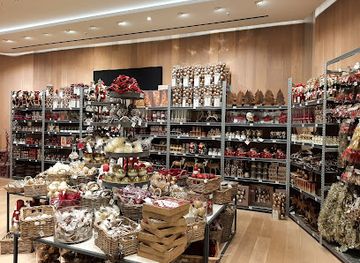
Shopping in Westphalia is strongest in historic market towns, city-centre pedestrian streets and neighbourhoods rather than in one single regional retail capital. Münster combines independent boutiques, bookshops, galleries and everyday high-street shopping with regular market activity around the cathedral area. Dortmund and Bielefeld provide broader urban selections, including department stores, fashion, design and specialist food shops. In Soest, Paderborn, Arnsberg and smaller towns, visitors will find craft studios, antiques, local galleries and traditional bakeries among historic streets. Regional purchases can include pumpernickel and other rye breads, Westphalian ham, preserves, beer, pottery and locally made craft goods. The Münsterland is also known for farm shops selling seasonal produce, although opening days vary. Markets and small independent businesses may accept cash more readily than large retailers, so carrying euros remains useful outside the principal city centres.
-
Shopping mall
Centro Oberhausen
Discover shopping, dining, and entertainment at Centro Oberhausen, the ultimate shopping destination in Germany.
-
Shopping mall
Westfield Ruhr Park
Discover Westfield Ruhr Park in Bochum, a vibrant shopping mall with diverse stores, delightful dining options, and entertainment for all ages.
-
Shopping mall
Thier-Galerie Dortmund
Discover Thier-Galerie Dortmund: a vibrant shopping mall featuring diverse shops, dining options, and entertainment in the heart of Dortmund.
-
Outlet mall
Designer Outlet Neumünster
Discover unbeatable deals and a delightful shopping experience at Designer Outlet Neumünster, where style meets savings in a vibrant atmosphere.
Get your free copy of our complete guide to Westphalia, delivered straight to you.
Everything on this page, from attractions and restaurants to essentials and local phrases, in one PDF you can read offline, print or share.
Already have an account? Sign in
Your Westphalia guide is ready.
We'll send it to · Not you? Sign out

Getting your guide ready…
We are putting together a fresh copy of the Westphalia guide. This can take up to a minute.
This can take a few moments. If your browser asks, choose Allow so the download can start. You'll find the guide in your Downloads folder.
Nothing happened? Download it again
Sorry, the guide is taking longer than usual. Please try again in a minute, or get it by email instead.
Westphalia essentials
Currency and Payment
Safety
Emergency Situations
Do's and Don'ts
Local Tips
From Eve
Local phrases worth knowing
You don't need to get them perfect. A few words go a long way, and locals appreciate the effort.
Basics
| English | Local | Say it |
|---|---|---|
| Hello | Hallo | [Hah-loh] |
| Goodbye | Auf Wiedersehen | [Owf Vee-dair-zayn] |
| Yes | Ja | [Yah] |
| No | Nein | [Nine] |
| Please/You're welcome | Bitte | [Bit-tuh] |
| Thank you | Danke | [Dahn-kuh] |
| Excuse me/Sorry | Entschuldigung | [Ent-shool-dee-goong] |
| How are you? | Wie geht's? | [Vee gates?] |
| Fine. And you? | Gut. Und dir? | [Goot. Oond deer?] |
| Do you speak English? | Sprechen Sie Englisch? | [Spreck-en Zee Eng-lish?] |
| I don't understand | Ich verstehe nicht | [Ish fer-shtay-uh nikt] |
Eating & Drinking
| English | Local | Say it |
|---|---|---|
| I'd like to see the menu, please | Ich hätte gerne die Speisekarte, bitte | [Ish het-teh gair-neh dee Shpy-zeh-kahr-teh, bit-tuh] |
| I don't eat meat | Ich esse kein Fleisch | [Ish es-seh kine Flysh] |
| Cheers! | Prost! | [Prohst!] |
| I would like to pay, please | Ich möchte bezahlen, bitte | [Ish mer-chte beh-tsah-len, bit-tuh] |
Emergencies
| English | Local | Say it |
|---|---|---|
| Help! | Hilfe! | [Hil-fuh!] |
| Go away! | Geh weg! | [Gay veg!] |
| Call the Police! | Rufen Sie die Polizei! | [Roo-fen Zee dee Poh-lee-tsai!] |
| Call a doctor! | Rufen Sie einen Arzt! | [Roo-fen Zee eye-nen Artst!] |
| I'm lost | Ich bin verloren | [Ish bin fer-lo-ren] |
| I'm ill | Ich bin krank | [Ish bin krahng] |
Shopping
| English | Local | Say it |
|---|---|---|
| I'd like to buy... | Ich möchte ... kaufen | [Ish mer-chte ... kow-fen] |
| I'm just looking | Ich schaue nur | [Ish shau-eh noor] |
| How much is it? | Wie viel kostet es? | [Vee feel kah-stet es?] |
| That's too expensive | Das ist zu teuer | [Dahs ist tsoo toy-er] |
| Can you lower the price? | Können Sie den Preis senken? | [Kurn-en Zee den Pryce zen-ken] |
Time & Numbers
| English | Local | Say it |
|---|---|---|
| What time is it? | Wie spät ist es? | [Vee shpat ist es?] |
| It's one o'clock | Es ist ein Uhr | [Es ist ine Oor] |
| Half past (10) | Halb (10) | [Halb (10)] |
| Morning | Morgen | [Mor-gen] |
| Afternoon | Nachmittag | [Nach-mit-tahg] |
| Evening | Abend | [Ah-bent] |
| Yesterday | Gestern | [Geh-stern] |
| Today | Heute | [Hoy-tuh] |
| Tomorrow | Morgen | [Mor-gen] |
| 1 | Eins | [I-ns] |
| 2 | Zwei | [Tsvy] |
| 3 | Drei | [Dry] |
| 4 | Vier | [Feer] |
| 5 | Fünf | [Foonf] |
| 6 | Sechs | [Zex] |
| 7 | Sieben | [Zee-ben] |
| 8 | Acht | [Aht] |
| 9 | Neun | [Noyn] |
| 10 | Zehn | [Tsen] |
Transport & Directions
| English | Local | Say it |
|---|---|---|
| Where's a/the...? | Wo ist ein/das ...? | [Voh ist ine/dahs ...?] |
| What's the address? | Wie ist die Adresse? | [Vee ist dee Ah-dres-se?] |
| Can you show me (on the map)? | Können Sie mir (auf der Karte) zeigen? | [Kurn-en Zee meer (owf dare Kar-teh) tzi-gen?] |
| When's the next (bus)? | Wann kommt der nächste (Bus)? | [Vahn kommt dare nay-shteh (Boos)?] |
| A ticket (to ....) | Ein Ticket (nach ....) | [Ine Tick-et (nahkh ....)] |
History of Westphalia
Prehistoric and Roman-Period Westphalia
Westphalia contains archaeological evidence of settlement from prehistoric periods, including remains associated with farming communities and later Germanic peoples. Roman expansion reached the region during the early imperial period, but the territory east of the Rhine was never permanently incorporated into the Roman Empire. The defeat of a Roman army in the wider Teutoburg Forest area in AD 9 became an important episode in Roman-Germanic history, although the exact battlefield location remains debated. The landscape's forests and uplands preserve the setting of this frontier history.
Saxon Lands and the Carolingian Conquest
During the early Middle Ages, much of Westphalia formed part of the lands associated with the Saxons. Charlemagne's campaigns against the Saxons in the late eighth century brought political and religious transformation, including the establishment of Christian institutions and royal centres. Paderborn became especially important under the Carolingians, hosting royal assemblies and the meeting between Charlemagne and Pope Leo III in 799. Churches, diocesan structures and later monasteries helped establish the medieval political geography of the region.
Medieval Towns, Bishoprics and Trade
From the tenth to the fifteenth centuries, Westphalia developed through a mixture of ecclesiastical territories, noble lordships and self-governing towns. Münster, Paderborn, Soest and Dortmund gained importance through markets, crafts and long-distance trade, while smaller settlements such as Arnsberg and Höxter occupied strategic positions along routes and rivers. The Hanseatic network linked several Westphalian towns with wider northern European commerce. Surviving churches, town walls, guild buildings and market squares reflect this period of urban growth and political competition.
The Reformation and the Münster Rebellion
The Reformation divided Westphalia unevenly between Protestant and Catholic territories. Münster became the scene of the Münster Rebellion of 1534–35, when radical Anabaptist leaders seized control of the city and proclaimed a theocratic regime. The rebellion was defeated after a siege, and the city returned to Catholic rule under its prince-bishop. Its aftermath left a complicated historical legacy, visible in the city's churches, museums and public interpretation. Elsewhere, confessional divisions shaped education, governance and church architecture for centuries.
The Peace of Westphalia, 1648
The treaties collectively known as the Peace of Westphalia were negotiated in Münster and in the neighbouring city of Osnabrück between 1643 and 1648. They ended the Thirty Years' War and the Dutch War of Independence, while confirming important principles concerning the political and religious order of the Holy Roman Empire. Münster's role gave Westphalia an international place in diplomatic history. The negotiations also influenced later ideas about sovereign states, although the modern concept of international relations developed over a much longer period.
Mining, Metalworking and Industrialisation
Industrialisation transformed parts of Westphalia from the nineteenth century onwards. The eastern Ruhr, including Dortmund, developed coal mining, iron and steel production, engineering and rail connections, drawing workers and accelerating urban growth. Sauerland valleys had earlier metalworking traditions that expanded through improved transport and industrial techniques. Canals, railway yards, mines and factories reshaped the region's economy and social life. Many sites have since closed or been converted into museums, cultural venues and public spaces, allowing visitors to trace the transition from heavy industry to a more diverse economy.
War, Reconstruction and Regional Identity
Westphalian towns and industrial districts suffered extensive damage during the Second World War, particularly where railways and heavy industry were concentrated. Post-war reconstruction took place within the new state of North Rhine-Westphalia, created in 1946, while the historical association of Westphalia and Lippe remained important in regional administration and culture. The decline of coal and steel later prompted economic restructuring, environmental restoration and heritage conservation. Contemporary Westphalia therefore combines medieval urban identities, rural traditions and an industrial past that remains central to its public memory.
Westphalia in Photos
Browse through our photo collection highlighting the charm and character of the destination.
Neighbouring regions of Westphalia
The closest regions to Westphalia, if you have time for more than one.
-

-

-

-

-


Swipe for more regions
Explore more

Explore more of Germany
Experience Germany: where history meets innovation, and urban energy blends with natural beauty. Discover diverse cultures, delicious cuisine, and stunning landscapes.
Explore Germany