Background

Elmina Castle: A Testament to History

Explore Elmina Castle, a UNESCO World Heritage site in Ghana, and confront the poignant history of the transatlantic slave trade through its haunting dungeons and the 'Door of No Return'.

4.5

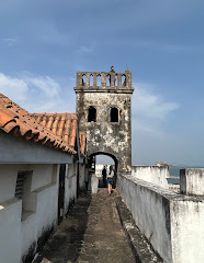
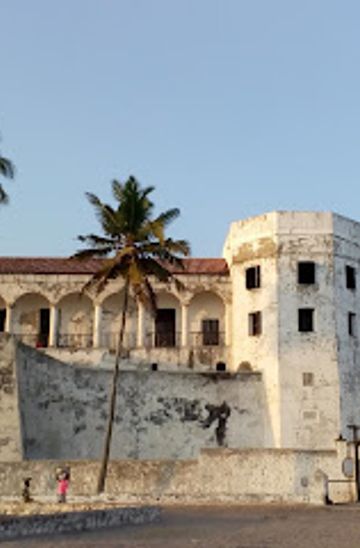
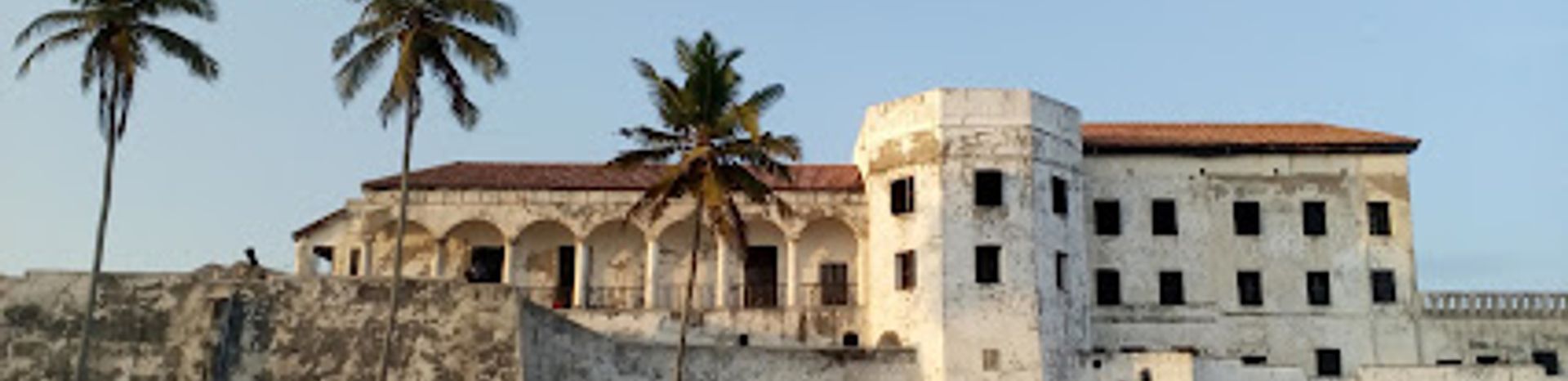
Elmina Castle, a UNESCO World Heritage site, stands as a poignant reminder of the transatlantic slave trade. Built by the Portuguese in 1482 as a trading post, it later became a central hub for the Dutch West India Company. The castle's imposing white walls belie the dark history held within its dungeons, where countless Africans were imprisoned before being shipped across the Atlantic. Today, Elmina Castle serves as a museum and a place of remembrance, offering guided tours that provide a sobering glimpse into the past. Visitors can explore the dungeons, the 'Door of No Return,' and other significant sites within the castle, gaining a deeper understanding of the human cost of slavery. Located in the vibrant fishing town of Elmina, the castle is a must-see for anyone seeking to connect with this important chapter in history.

A brief summary to Elmina Castle

Local tips

  • Hire a local guide for a more personalized and insightful tour of the castle. Their knowledge and storytelling can greatly enhance your experience.
  • Dress respectfully and be mindful of the solemn nature of the site. Avoid loud or disruptive behavior.
  • Combine your visit with a trip to nearby Fort St. Jago for panoramic views of Elmina Castle and the coastline.
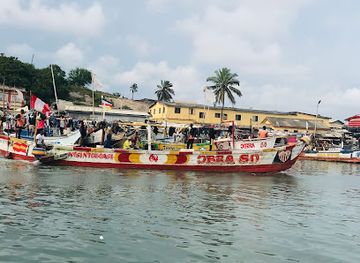
  • Visit the Elmina fishing harbor to witness the vibrant local culture and the daily life of the fishermen.
  • Consider visiting during the off-season for a less crowded and more contemplative experience.
widget icon

Getting There

  • Taxi/Ride-Share

    From anywhere in Elmina town, a taxi or ride-share is a convenient option for the final approach to Elmina Castle. Most drivers will know the location. The ride should be short and cost approximately GH₵5-GH₵10, depending on your starting point within the town.

  • Walking

    If you are already in the Elmina township, walking to the castle is feasible. From the center of town or the main Elmina market, follow the main road towards the coast. The castle is a prominent landmark and is easily visible. The walk is generally flat and should take no more than 15-20 minutes from most central locations. Be aware of pedestrian traffic and weather conditions.

  • Public Transport

    If arriving by tro-tro (shared minibus) from Cape Coast, disembark at the Elmina main station or market. From there, you can either take a short taxi ride (GH₵5-GH₵10) or walk to the castle following the main road towards the coast (approximately 15-20 minutes).

Unlock the Best of Elmina Castle

Buy tickets

    No tickets available

Book tours with entry

    No tours available

Book tours without entry

    No tours available

Discover more about Elmina Castle

Elmina Castle, or St. George's Castle, is a hauntingly beautiful yet deeply sorrowful landmark located in Elmina, Ghana. As the oldest European building in sub-Saharan Africa, its history stretches back to 1482 when the Portuguese constructed it as a fortified trading post. Initially intended for the gold trade, Elmina Castle's purpose shifted dramatically as the transatlantic slave trade gained prominence, transforming it into a major center for the enslavement and transportation of Africans to the Americas and the Caribbean. Over the centuries, Elmina Castle has witnessed a succession of European powers vying for control of the lucrative trade along the Gold Coast. After the Portuguese, the Dutch seized the castle in 1637 and significantly expanded its fortifications, solidifying its role in the slave trade. The British eventually took possession in 1872. Each colonial power left its mark on the castle's architecture and its grim legacy. Today, Elmina Castle stands as a UNESCO World Heritage site, a museum, and a memorial to the countless Africans who suffered within its walls. The stark white facade of the castle contrasts sharply with the darkness of its history, creating a powerful and unsettling visual. Visitors can take guided tours that delve into the castle's past, exploring the dungeons where enslaved people were crammed into inhumane conditions, often with hundreds of individuals packed into small, airless spaces. The dungeons are a visceral reminder of the suffering endured by those who were forcibly removed from their homes and families. The tour also includes a visit to the 'Door of No Return,' the infamous portal through which enslaved Africans were forced onto ships bound for the Americas. This symbolic gateway represents the final point of departure from their homeland, a point of no return for those who were about to embark on a harrowing journey across the Atlantic. The emotional impact of standing at this threshold is profound, offering a moment of reflection on the magnitude of the slave trade and its lasting consequences. In addition to the dungeons and the Door of No Return, visitors can explore other significant sites within the castle, including the former governor's quarters, the chapel, and the courtyard. These spaces offer a glimpse into the lives of the European traders and officials who resided within the castle walls, highlighting the stark contrast between their privileged existence and the suffering of the enslaved Africans. The Elmina Castle Museum, located within the castle complex, provides further context and information about the history of the castle and the transatlantic slave trade. Exhibits include artifacts, maps, and historical documents that shed light on the economic, social, and political forces that drove the slave trade. The museum also features displays on the resistance efforts of enslaved Africans and the ongoing struggle for racial justice and equality. Visiting Elmina Castle is a deeply moving and educational experience. It is a place to confront the horrors of the past, to honor the memory of those who suffered, and to reflect on the ongoing legacy of slavery in the world today. The castle serves as a powerful reminder of the importance of fighting against all forms of oppression and injustice, and of working towards a future where all people are treated with dignity and respect. Beyond the castle itself, the town of Elmina offers a glimpse into contemporary Ghanaian life. Elmina is a bustling fishing port, with colorful boats lining the harbor and a vibrant market where locals trade their wares. Visitors can explore the town, interact with the friendly residents, and experience the rich culture of the region. Nearby attractions include Fort St. Jago, located on a hill overlooking Elmina Castle. Fort St. Jago offers panoramic views of the castle, the town, and the coastline. It was built by the Dutch in the 17th century to protect Elmina Castle from attacks. Kakum National Park, a rainforest reserve with a famous canopy walkway, is also within driving distance of Elmina. Elmina Castle is more than just a historical site; it is a place of pilgrimage, a place of learning, and a place of remembrance. It is a testament to the resilience of the human spirit and a call to action to create a more just and equitable world.

Popular Experiences near Elmina Castle

Popular Hotels near Elmina Castle

Select Currency