Background

Lower Volta Bridge: A Gateway Between Worlds

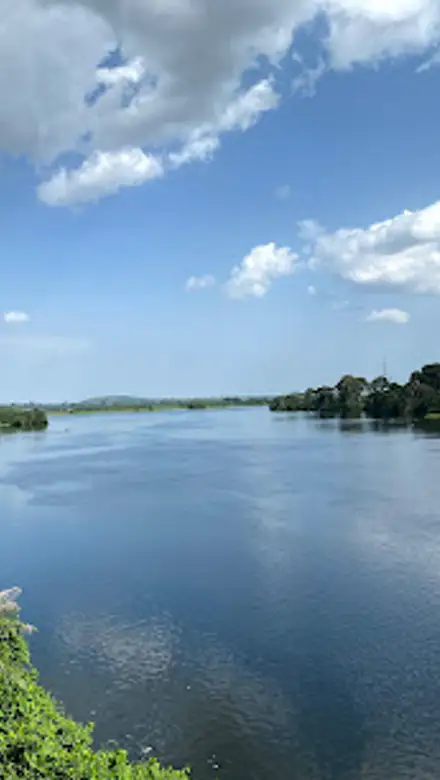
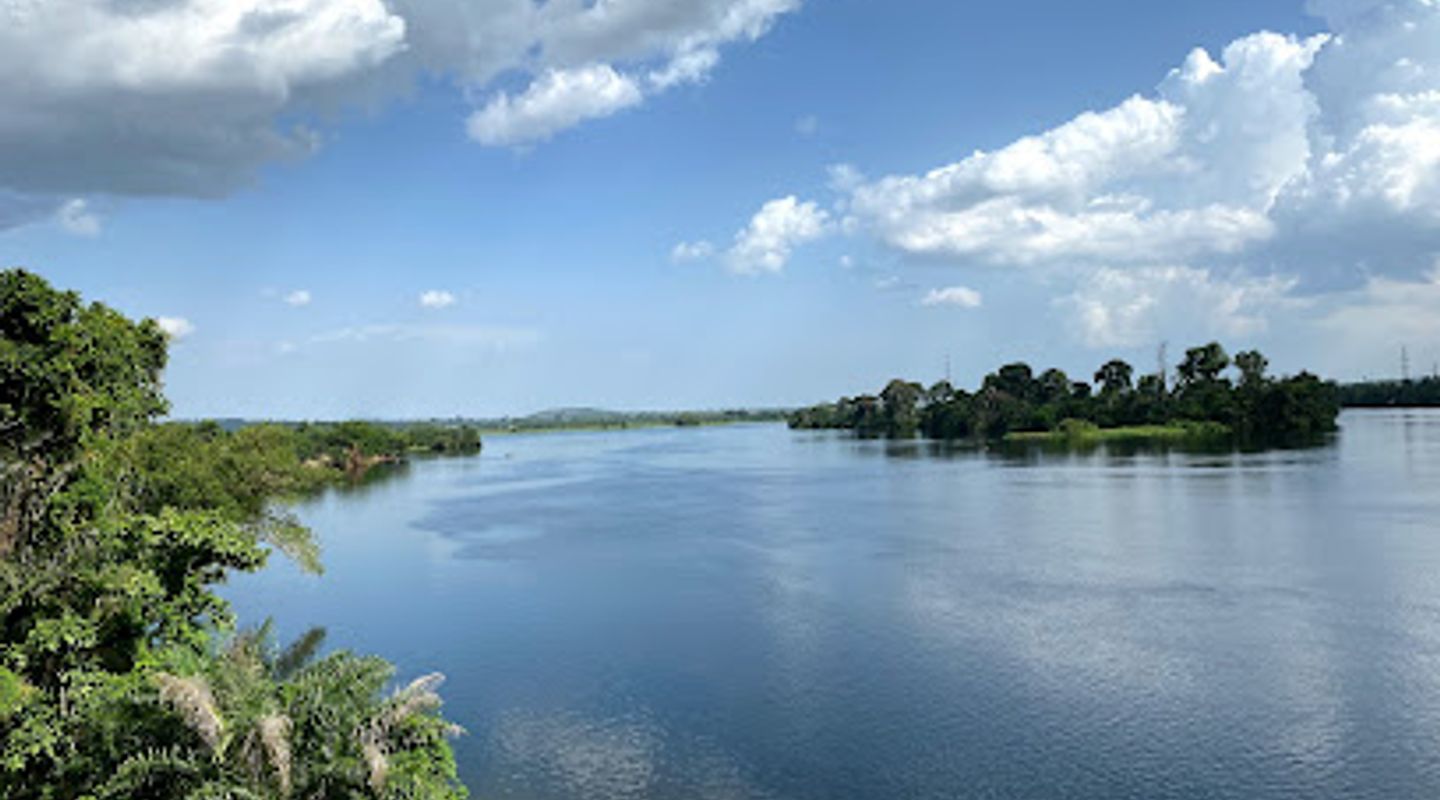
Experience the iconic Lower Volta Bridge, a vital link connecting communities and offering stunning views of the Volta River, a testament to Ghana's rich history and vibrant culture.

4.2
Find your perfect hotel, anywhere in the world.

When's your trip?

Who's coming?

Adult (18-90)
Min: 1 Max: 6
Add a child
At least one participant is required. Please adjust and try again.

The Lower Volta Bridge, also known as the Sogakope Bridge, is a vital transportation artery connecting Sogakope and Sokpoe over the Volta River in Ghana. Spanning 650 meters, this bridge is a key part of the N1 highway, linking Accra to Aflao and serving as a crucial connection for trade and travel within West Africa. Built between 1965 and 1967 by German contractors, the bridge has become a landmark, offering scenic views of the Volta River and the surrounding landscapes. While it has faced challenges with maintenance over the years, it remains an essential structure for the region, facilitating the movement of people and goods. Visitors can experience the local culture by exploring nearby markets and enjoying the river's beauty from the bridge or by taking a boat tour. The bridge not only serves a practical purpose but also offers a glimpse into Ghana's history and the importance of infrastructure in connecting communities.

A brief summary to Lower Volta Bridge

  • XHWP+34G, Accra - Aflao Rd, Sogakope, GH

Local tips

  • Visit during sunrise or sunset for the most breathtaking photographic opportunities of the bridge and the Volta River.
  • Explore the local food stalls near the bridge for an authentic taste of Ghanaian cuisine.
  • Bring binoculars for birdwatching along the riverbanks; the area is a haven for diverse bird species.
  • Consider taking a boat tour on the Volta River to experience the beauty of the area from a different perspective.
  • If visiting during Easter, witness the Tortsogbeza festival, a cultural event featuring diving off the bridge.
widget icon

Getting There

  • Public Transport

    From Sogakope main market, locate a 'trotro' (shared taxi) heading towards Aflao. Confirm with the driver that they will pass by or stop near the Lower Volta Bridge. The fare is typically around 2-3 GHS. The ride takes approximately 15-20 minutes, depending on traffic. You may need to walk a short distance from the trotro stop to the bridge itself.

  • Taxi/Ride-Share

    From anywhere in Sogakope, a taxi or ride-share can take you directly to the Lower Volta Bridge. Expect to pay around 10-15 GHS for a short trip within Sogakope to the bridge. The journey is quick, usually taking no more than 10 minutes, depending on your starting point and traffic conditions.

  • Walking

    If you are already in Sogakope, walking to the Lower Volta Bridge is a viable option. From the Sogakope main market area, head towards the Accra - Aflao Road (N1). Follow the road signs to the Lower Volta Bridge. The walk is approximately 15-20 minutes and offers a scenic route along the river.

Unlock the Best of Lower Volta Bridge

Buy tickets

    No tickets available

Book tours with entry

    No tours available

Book tours without entry

    No tours available

Discover more about Lower Volta Bridge

The Lower Volta Bridge, often referred to as the Sogakope Bridge, stands as a testament to Ghana's infrastructural development and its crucial role in connecting communities across the Volta River. Spanning 650 meters, this bridge is more than just a means of crossing; it's a landmark that embodies the spirit of connection and progress. Constructed between January 1965 and January 1967, the bridge was a collaborative effort between two German contractors, A.H.I. Bau AG (Düsseldorf) and Held & Francke Bau AG (Munich). Its construction marked a significant milestone in Ghana's post-independence era, symbolizing the nation's ambition to modernize and integrate its regions. The bridge's strategic location on the N1 highway, which links Accra to Aflao, underscores its importance as a vital artery for trade and transportation within West Africa. The bridge connects the vibrant town of Sogakope on the east side of the Volta River with the more tranquil Sokpoe on the west. Sogakope, the capital of the South Tongu District, is known for its bustling markets, river tourism, and the production of 'Mass bread,' a local delicacy. The bridge has facilitated the growth of Sogakope, making it a hub for economic and cultural exchange. Crossing the Lower Volta Bridge offers travelers a sensory experience. The panoramic views of the Volta River, with its shimmering waters and lush riverbanks, are captivating. Birdwatchers can spot various species along the riverbanks, while photographers can capture stunning sunrise or sunset shots with the bridge as a dramatic backdrop. The bridge also provides a vantage point to observe the daily lives of the local communities, from fishermen casting their nets to traders transporting goods. However, the Lower Volta Bridge has faced its share of challenges. Over the years, concerns have been raised about its structural integrity, with reports of rusting expansion joints and general deterioration. Despite these concerns, the bridge has remained operational, thanks to periodic maintenance efforts. The Ghanaian government has recognized the need for a more sustainable solution and has initiated plans to construct a new cable-stayed bridge, the New Volta Bridge, to complement the existing structure. This new bridge aims to enhance connectivity and address the evolving transportation needs of the region. The Lower Volta Bridge is not just a physical structure; it's also a cultural touchstone. It serves as the venue for the annual Tortsogbeza festival, a vibrant celebration held during Easter. This festival involves daring feats of diving off the bridge, showcasing the courage and skill of the local youth. The festival is a testament to the bridge's significance in the cultural identity of the communities it connects. Beyond its functional and cultural roles, the Lower Volta Bridge offers access to a range of attractions in the surrounding area. Visitors can explore the local markets in Sogakope, where they can find fresh produce, handicrafts, and other local goods. A boat tour on the Volta River provides an opportunity to experience the river's beauty up close and learn about its ecological importance. For those seeking relaxation, several resorts and spas are located near the bridge, offering a tranquil escape from the hustle and bustle of daily life. The Lower Volta Bridge stands as a symbol of resilience, connecting communities, facilitating trade, and offering a glimpse into Ghana's rich cultural heritage. Whether you're a traveler passing through or a local resident, the bridge is a reminder of the importance of infrastructure in fostering progress and unity. While in Sogakope, consider exploring other nearby attractions. The Keta Lagoon Protected Area offers a chance to experience the natural beauty of Ghana's coastal wetlands. The Nkyinkyim Museum, located a short drive away, showcases contemporary Ghanaian art and culture. For those interested in history, a visit to Cape Coast Castle, a UNESCO World Heritage Site, provides a sobering reminder of the transatlantic slave trade. The Lower Volta Bridge is more than just a bridge; it's a gateway to a world of experiences, connecting you to the heart of Ghana's Volta Region and its vibrant communities. As you cross this iconic structure, take a moment to appreciate its significance and the stories it holds, for it is a testament to the enduring spirit of connection and progress.

Popular Experiences near Lower Volta Bridge

Popular Hotels near Lower Volta Bridge

Select Currency