

Free Camp Bay Travel Guide & Mobile App
Explore Camp Bay with free travel guides. Discover regional history, expert tips, proposed trips, and audio guides on web or mobile app.


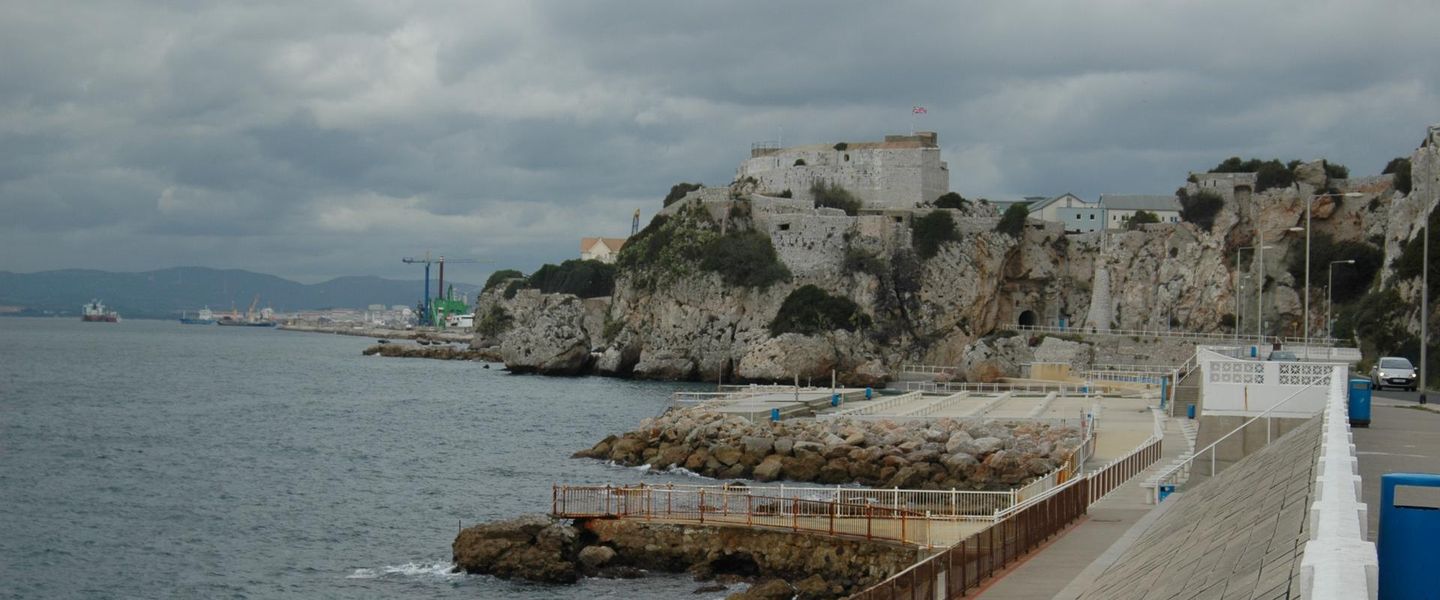


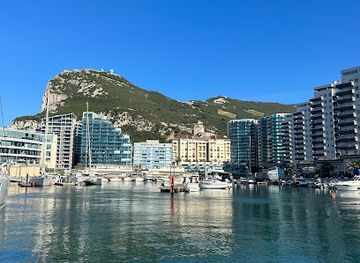
Camp Bay offers a quiet Gibraltar waterfront for swimming, sea views and southern-coast walks beneath the Rock and beside historic naval shores.
Read more about Camp Bay
When is the best time to visit Camp Bay?
Best: June–July, September · 25–28°C| Month | High (°C) | Rainfall (mm) |
|---|---|---|
| January | 16 | 80 |
| February | 17 | 70 |
| March | 18 | 60 |
| April | 20 | 50 |
| May | 22 | 40 |
| June (best) | 25 | 30 |
| July (best) | 28 | 20 |
| August | 28 | 30 |
| September (best) | 26 | 40 |
| October | 23 | 50 |
| November | 20 | 60 |
| December | 17 | 70 |
Getting to and around Camp Bay
How to get there
Transportation
Top city travel guides in Camp Bay
The cities of Camp Bay, and the easiest places to base yourself.
-

-

-

-
-
-


Swipe for more cities
Destinations in Camp Bay
Resorts, valleys and scenic spots worth a trip of their own.

Swipe for more destinations
Best attractions in Camp Bay
Camp Bay’s principal attraction is its modest waterfront, where visitors can swim, sit beside the sea and look across the Bay of Gibraltar towards the Andalusian coast. It is a small-scale experience rather than a major beach resort, and its appeal depends on the combination of water, open sky and the limestone mass of the Rock. Nearby Rosia Bay adds maritime interest, while the southern road provides access towards Gibraltar’s wider coastal viewpoints and the facilities around Europa Point, which is outside the Camp Bay locality. Visitors interested in history can combine the area with Gibraltar’s fortifications, military museums and surviving batteries elsewhere on the peninsula; these should be treated as nearby territory-wide attractions, not as Camp Bay sites. Walking is rewarding but can involve slopes, bright sun and busy roads. The central town, within easy reach, supplies museums, heritage streets and cultural venues, while boat trips and nature-focused excursions generally depart from other parts of Gibraltar. Camp Bay is consequently best used as one component of a compact itinerary focused on the territory’s extraordinary mixture of sea access, military history, urban life and Rock landscapes.
-
Beach
Valdevaqueros
Explore the stunning Valdevaqueros beach in Cádiz, where golden sands meet vibrant waters, perfect for relaxation and thrilling water sports.
-
Hiking area
Mediterranean Steps
Explore the Mediterranean Steps in Gibraltar for breathtaking views, rich history, and an unforgettable hiking adventure along the stunning coastline.
-
Beach
Sandy Bay
Explore Sandy Bay, a stunning beach in Gibraltar, known for its golden sands, clear waters, and vibrant coastal charm. An ideal destination for relaxation and fun.
-
Catholic church
Iglesia de San Mateo Apóstol
Explore the serene beauty and rich history of Iglesia de San Mateo Apóstol in Tarifa, a captivating Catholic church and cultural treasure.


Best landmarks in Camp Bay
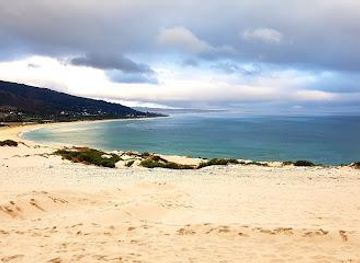
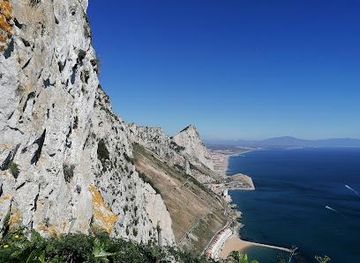
Camp Bay’s most recognisable landmark is the Rock of Gibraltar itself, rising immediately behind the western shoreline and giving the locality its defining geographical character. The bay’s seawall and bathing frontage are more modest landmarks, but they illustrate how a narrow, strategically important coast has been adapted for everyday recreation. Nearby Rosia Bay is historically significant for its connection with Gibraltar’s naval supply and dockyard functions, although it is a neighbouring waterfront rather than part of Camp Bay proper. The southern road leads towards Europa Point, Gibraltar’s southern extremity, where the coastline, lighthouse and views towards the Strait form a separate landmark group outside this small locality. Around the wider district, surviving military structures and batteries recall the territory’s fortress history, but access and visibility differ because some remain operational, enclosed or privately managed. Camp Bay is therefore best read as a meeting point between natural geology and constructed defence: the limestone Rock provides the dramatic backdrop, while the engineered shore records Gibraltar’s continuing relationship with the sea.
-
Tourist attraction
Saint Michael's Cave
Unveil the natural beauty and historical significance of Saint Michael's Cave in Gibraltar, a stunning destination for nature lovers and history enthusiasts alike.
-
Tourist attraction
Gibraltar Cable Car
Elevate your Gibraltar experience with breathtaking views from the iconic Gibraltar Cable Car, the gateway to stunning landscapes and rich history.
-
Tourist attraction
Europa Point Lighthouse
Visit the iconic Europa Point Lighthouse in Gibraltar, where history and breathtaking views of the Mediterranean await every traveler.
-
Mountain peak
Rock of Gibraltar
Explore the breathtaking Rock of Gibraltar, a natural wonder with stunning views, rich history, and unique wildlife experiences.


Explore Camp Bay on the map
Plan your trip on one map. See where the top cities, national parks and sights are, and book hotels and experiences in a few clicks.
Best hotels in Camp Bay
Best restaurants in Camp Bay
Camp Bay itself is not Gibraltar’s main dining centre, so restaurant choice is more limited than in the central town, marina and commercial streets. The wider territory offers a cross-cultural food scene shaped by British, Andalusian, Genoese, Maltese and North African influences, with seafood, Mediterranean cooking, grilled meats, pasta, pastries and café food commonly encountered. Calentita, a baked chickpea-flour dish strongly associated with Gibraltar, is an important local speciality, while calentita-style street food and traditional sweet or savoury pastries provide useful introductions to Gibraltarian tastes. Visitors staying near Camp Bay can seek simple refreshments during the day, then travel north for a broader selection of restaurants, pubs and cafés. Seafood is a natural choice around the waterfront, although menus and availability vary. Markets and food shops elsewhere in Gibraltar are useful for picnic supplies, fruit, snacks and locally familiar products. Tipping is discretionary rather than governed by a special Camp Bay custom; check the bill and reward good service according to the quality of the experience.
-
Restaurant
Jury's Café and Wine Bar
Discover the taste of Gibraltar at Jury's Café and Wine Bar – where local flavors meet exquisite dining.
-
Restaurant
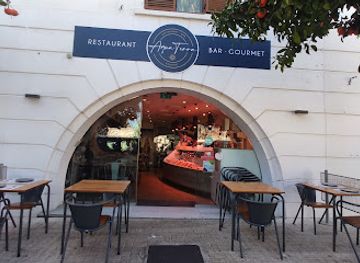
Aquaterra
Discover Aquaterra in Gibraltar: where local flavors meet international cuisine in a warm and inviting setting.
-
Restaurant
Biancas Restaurant
Experience Mediterranean flavors at Biancas Restaurant in Gibraltar's Marina Bay Square—where delicious food meets breathtaking views.
-
Indian
Little Bay Bar and Indian Restaurant
Experience exquisite Indian cuisine at Little Bay Bar & Restaurant in Gibraltar's scenic Ocean Village with stunning waterfront views.



Best bars in Camp Bay
Camp Bay is primarily a daytime residential and bathing area, with no concentrated nightlife district or notable club strip. Evening activity is more apparent in central Gibraltar, the old town, marina and commercial waterfront, where visitors find pubs, bars, restaurants and occasional live entertainment. The local scene reflects Gibraltar’s British connections as well as its Mediterranean setting: traditional pubs and casual bars sit alongside cafés, cocktail-led venues and restaurants suited to a late meal. Some venues may be busier at weekends or during public events, but opening arrangements and entertainment programmes change, so current information is worth checking locally. Visitors who prefer a quiet evening can return to the Camp Bay waterfront for sea views, provided public access and safety conditions allow. Nightlife is not essential to understanding the area; the strongest evening experience here is the contrast between the illuminated Rock, maritime traffic and the comparatively calm southern shore.
-
Restaurant
The Clipper
Experience the nautical charm of The Clipper in Gibraltar, where fresh seafood meets delightful local cuisine in a vibrant setting.
-
Pub
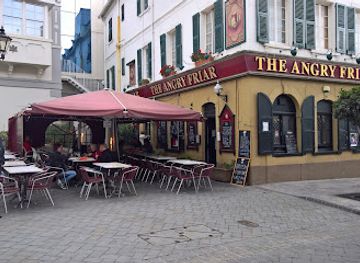
The Angry Friar
Experience Gibraltar at The Angry Friar, where hearty meals and a lively atmosphere await you in the heart of the city.
-
Pub
The Lord Nelson
Experience the charm of The Lord Nelson, a nautical-themed pub in Gibraltar, where great food, drinks, and local culture come together.
-
Indian
Little Bay Bar and Indian Restaurant
Discover the vibrant flavors of India at Little Bay Bar and Indian Restaurant, where authentic cuisine meets stunning ocean views in Gibraltar.



Best nightclubs in Camp Bay
Camp Bay is primarily a daytime residential and bathing area, with no concentrated nightlife district or notable club strip. Evening activity is more apparent in central Gibraltar, the old town, marina and commercial waterfront, where visitors find pubs, bars, restaurants and occasional live entertainment. The local scene reflects Gibraltar’s British connections as well as its Mediterranean setting: traditional pubs and casual bars sit alongside cafés, cocktail-led venues and restaurants suited to a late meal. Some venues may be busier at weekends or during public events, but opening arrangements and entertainment programmes change, so current information is worth checking locally. Visitors who prefer a quiet evening can return to the Camp Bay waterfront for sea views, provided public access and safety conditions allow. Nightlife is not essential to understanding the area; the strongest evening experience here is the contrast between the illuminated Rock, maritime traffic and the comparatively calm southern shore.
-
Bar
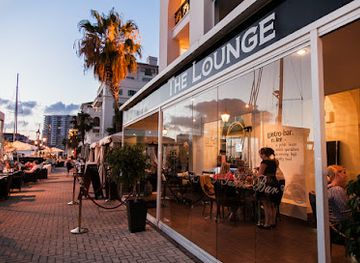
The Lounge Bar & Gastro Bar
Discover The Lounge Bar & Gastro Bar in Gibraltar for a perfect blend of stunning views, delightful cuisine, and a vibrant atmosphere.
-
Sports bar
Ivy Sports Bar & American Grill
Immerse yourself in the lively sports atmosphere at Ivy Sports Bar & American Grill, where American cuisine meets vibrant entertainment in beautiful Gibraltar.
-
Bar
Boat Owners Club
Discover the vibrant charm of the Boat Owners Club, a must-visit bar in Gibraltar, blending local culture with a lively atmosphere.
-
Bar
Wembley Bar
Experience the lively atmosphere and delicious drinks at Wembley Bar, a must-visit spot for tourists in Gibraltar.


Best shops in Camp Bay
Camp Bay has little dedicated retail of its own, so shopping is generally folded into a wider visit to central Gibraltar. The main commercial streets offer supermarkets, convenience shops, pharmacies, cafés, fashion retailers, jewellers and businesses serving both residents and visitors. Gibraltar’s tax and customs arrangements can make some purchases attractive, but duties, allowances and product rules change, particularly for travellers crossing the border into Spain or returning to another country; check the current regulations before buying tobacco, alcohol or high-value goods. For regional souvenirs, look for Gibraltar-themed books, postcards, maps, food products and crafts rather than assuming every item labelled locally was made in the territory. Central markets and food shops are useful for snacks, fresh produce and picnic supplies for the coast. Camp Bay is better suited to buying practical provisions before a swim or walk than to browsing antiques, designer goods or specialist crafts, which are concentrated elsewhere in Gibraltar.
-
Tourist attraction
Saint Michael's Cave
Explore the stunning natural beauty and rich history of Saint Michael's Cave, a must-visit attraction in Gibraltar for nature and history enthusiasts.
-
Marina
Ocean Village
Explore Ocean Village: Gibraltar's premier marina with stunning views, diverse dining, and endless recreational activities for every traveler.
-
Supermarket
Morrisons
Explore the vibrant flavors of Gibraltar at Morrisons, your trusted supermarket for local and international groceries.
-
Scenic spot
Apes Den
Explore Gibraltar's Apes Den, where playful Barbary macaques and stunning landscapes create an unforgettable experience for every visitor.


Get your free copy of our complete guide to Camp Bay, delivered straight to you.
Everything on this page, from attractions and restaurants to essentials and local phrases, in one PDF you can read offline, print or share.
Already have an account? Sign in
Your Camp Bay guide is ready.
We'll send it to · Not you? Sign out

Getting your guide ready…
We are putting together a fresh copy of the Camp Bay guide. This can take up to a minute.
This can take a few moments. If your browser asks, choose Allow so the download can start. You'll find the guide in your Downloads folder.
Nothing happened? Download it again
Sorry, the guide is taking longer than usual. Please try again in a minute, or get it by email instead.
Camp Bay essentials
Currency and Payment
Safety
Emergency Situations
Do's and Don'ts
Local Tips
From Eve
Local phrases worth knowing
You don't need to get them perfect. A few words go a long way, and locals appreciate the effort.
Basics
| English | Local | Say it |
|---|---|---|
| Hello | Hola | [O-la] |
| Goodbye | Adiós | [A-dee-os] |
| Yes | Sí | [See] |
| No | No | [No] |
| Please/You're welcome | Por favor | [Por fa-vor] |
| Thank you | Gracias | [Gra-thee-as] |
| Excuse me/Sorry | Perdón | [Per-don] |
| How are you? | ¿Cómo estás? | [Ko-mo es-tas] |
| Fine. And you? | Bien. ¿Y tú? | [Bee-en. E tu?] |
| Do you speak English? | ¿Hablas inglés? | [A-blas een-glez] |
| I don't understand | No entiendo | [No en-tee-en-do] |
Eating & Drinking
| English | Local | Say it |
|---|---|---|
| I'd like to see the menu, please | Me gustaría ver el menú, por favor | [Me gus-ta-ree-a ver el me-nu, por fa-vor] |
| I don't eat meat | No como carne | [No ko-mo car-ne] |
| Cheers! | ¡Salud! | [Sa-lud] |
| I would like to pay, please | Me gustaría pagar, por favor | [Me gus-ta-ree-a pa-gar, por fa-vor] |
Emergencies
| English | Local | Say it |
|---|---|---|
| Help! | ¡Ayuda! | [A-yu-da] |
| Go away! | ¡Vete! | [Ve-te] |
| Call the Police! | ¡Llama a la policía! | [Ya-ma a la po-li-cia] |
| Call a doctor! | ¡Llama a un médico! | [Ya-ma a un me-di-co] |
| I'm lost | Estoy perdido | [Es-toy per-di-do] |
| I'm ill | Estoy enfermo | [Es-toy en-fer-mo] |
Shopping
| English | Local | Say it |
|---|---|---|
| I'd like to buy... | Quisiera comprar... | [Kee-see-e-ra com-prar] |
| I'm just looking | Solo estoy mirando | [So-lo es-toy mee-ran-do] |
| How much is it? | ¿Cuánto cuesta? | [Kwan-to kwes-ta] |
| That's too expensive | Eso es demasiado caro | [E-so es de-ma-si-a-do ca-ro] |
| Can you lower the price? | ¿Puedes bajar el precio? | [Pwe-des ba-har el pre-sio] |
Time & Numbers
| English | Local | Say it |
|---|---|---|
| What time is it? | ¿Qué hora es? | [Ke o-ra es] |
| It's one o'clock | Es la una | [Es la u-na] |
| Half past (10) | Y media (10) | [E me-dia (10)] |
| Morning | Mañana | [Ma-nya-na] |
| Afternoon | Tarde | [Tar-de] |
| Evening | Noche | [No-che] |
| Yesterday | Ayer | [A-yer] |
| Today | Hoy | [Oy] |
| Tomorrow | Mañana | [Ma-nya-na] |
| 1 | Uno | [Oo-no] |
| 2 | Dos | [Dos] |
| 3 | Tres | [Tres] |
| 4 | Cuatro | [Kwa-tro] |
| 5 | Cinco | [Sin-co] |
| 6 | Seis | [Seis] |
| 7 | Siete | [Sye-te] |
| 8 | Ocho | [O-cho] |
| 9 | Nueve | [Nwe-ve] |
| 10 | Diez | [Dyez] |
Transport & Directions
| English | Local | Say it |
|---|---|---|
| Where's a/the...? | ¿Dónde está...? | [Don-de es-ta] |
| What's the address? | ¿Cuál es la dirección? | [Kwal es la di-rek-syon] |
| Can you show me (on the map)? | ¿Puedes mostrarme (en el mapa)? | [Pwe-des mos-trar-me (en el ma-pa)] |
| When's the next (bus)? | ¿Cuándo pasa el próximo (autobús)? | [Kwan-do pa-sa el pro-ksi-mo (au-to-boos)] |
| A ticket (to ....) | Un billete (a....) | [Un bi-ye-te (a....)] |
History of Camp Bay
Prehistoric Gibraltar and Neanderthal Heritage
Gibraltar’s limestone Rock contains important prehistoric caves, including sites associated with Neanderthal occupation. Although these caves lie away from the small Camp Bay shoreline, they provide the earliest major historical context for the territory. The Rock’s caves and sheltered coastal position helped make Gibraltar significant to successive human populations. Evidence from the wider peninsula shows that its importance began long before fortifications, naval bases or modern settlement transformed the waterfront around Camp Bay.
Phoenician, Roman and Mediterranean Sea Routes
The Strait of Gibraltar has been a major maritime gateway since antiquity. Phoenician and later Roman navigators used the approaches between the Mediterranean and Atlantic, while the Rock became associated with the ancient Pillars of Hercules. Camp Bay was not an ancient city in its own right, but its position on the western coast belongs to the same strategic maritime landscape. Control of Gibraltar has repeatedly depended on the ability to observe and supply shipping through the strait.
Moorish Rule and the Medieval Fortress
Muslim forces captured Gibraltar in 711, and the settlement remained under Islamic rule for much of the medieval period before Castile conquered it in 1462. The name Gibraltar derives from Jabal Tariq, or ‘mountain of Tariq’. The principal medieval settlement and fortifications developed around the northern and eastern sides of the Rock, but the territorial importance of the whole peninsula established during this period later shaped the defensive and maritime use of the southern and western shores.
The British Capture and the Treaty of Utrecht
An Anglo-Dutch force captured Gibraltar in 1704 during the War of the Spanish Succession. The 1713 Treaty of Utrecht ceded Gibraltar to Britain, after which Spain made several attempts to recover it, most notably during the Great Siege of 1779–1783. The western coastline around today’s Camp Bay formed part of a fortress whose value lay in controlling the entrance to the Mediterranean. Batteries, naval facilities and roads gradually strengthened Gibraltar’s military character.
Naval Development at Rosia Bay and the Western Shore
During the eighteenth and nineteenth centuries, Gibraltar developed into a major British naval station and victualling base. Nearby Rosia Bay became especially important for naval supply and repair, while the western shore acquired docks, storehouses, batteries and coastal infrastructure. Camp Bay’s present-day bathing and residential setting therefore sits within a landscape shaped by military engineering and maritime logistics. Some defensive structures survive around the wider southern waterfront, although access to individual sites varies.
The Second World War and Gibraltar’s Strategic Role
Gibraltar was a crucial Allied base during the Second World War because it controlled the western entrance to the Mediterranean. The territory was heavily fortified, and many civilian residents were evacuated to other parts of the British Empire and Europe. Tunnels, gun positions, docks and communications facilities were expanded across the Rock. Camp Bay and the neighbouring western shore were part of a highly controlled military environment, a legacy still visible in Gibraltar’s restricted areas and defensive remains.
Modern Gibraltar and the Opening of the Waterfront
After the war, Gibraltar gradually shifted from an overwhelmingly military economy towards a mixed society based on shipping, services, tourism, finance and cross-border commerce. The border with Spain reopened fully in 1985 after years of severe restriction, improving practical links with Andalusia. Areas such as Camp Bay became more accessible as everyday recreational waterfronts, even though naval, port and defence uses remain important. Modern Gibraltar continues to combine British constitutional traditions, Mediterranean surroundings and a strongly maritime identity.
Camp Bay in Photos
Browse through our photo collection highlighting the charm and character of the destination.
Neighbouring regions of Camp Bay
The closest regions to Camp Bay, if you have time for more than one.
-

-

-

-

-


Swipe for more regions
Explore more

Explore more of Gibraltar
Discover Gibraltar, a unique blend of British and Spanish cultures, stunning natural beauty, and rich history at the gateway to the Mediterranean.
Explore Gibraltar