

Rosia Bay, Gibraltar Travel Guide
Discover Rosia Bay in Gibraltar, a serene seaside haven rich in history and natural beauty, perfect for swimming, snorkeling, and exploring maritime heritage.
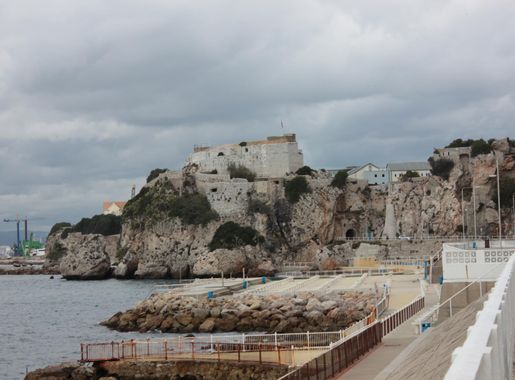
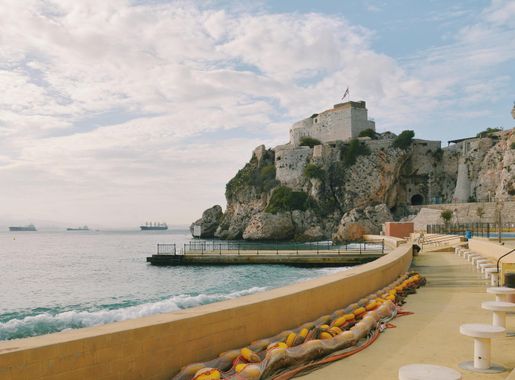
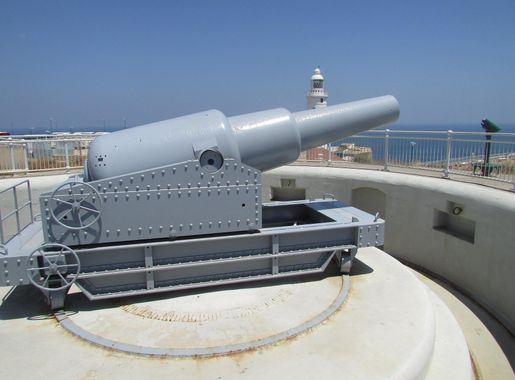
Rosia Bay, located in the southwestern part of Gibraltar, is a captivating blend of history and natural beauty. This quaint bay is known for its clear blue waters and serene atmosphere, making it a perfect spot for relaxation. Historically, Rosia Bay served as a vital anchorage for the British Royal Navy, providing a glimpse into Gibraltar's rich maritime heritage. The area is home to the historic Rosia Water Tanks, which were used to supply fresh water to the naval fleet. Today, Rosia Bay offers visitors a peaceful retreat from the bustling city center. The bay's calm waters are ideal for swimming and snorkeling, allowing tourists to explore the underwater world teeming with marine life. The nearby limestone cliffs provide a stunning backdrop and are perfect for leisurely walks along the coastline. For those interested in history, a visit to the nearby 100 Ton Gun and the Parson's Lodge Battery is a must, offering insight into Gibraltar's military past. Nature enthusiasts will appreciate the diverse flora and fauna in the surrounding area. Birdwatchers can spot various species of seabirds, while the coastal paths provide opportunities for scenic hikes. Rosia Bay is also a great place to enjoy a picnic, with plenty of spots to relax and take in the beautiful views. Whether you're looking to unwind by the sea or delve into Gibraltar's historical treasures, Rosia Bay offers a unique and memorable experience for all visitors.

Know before you go
Hi, I'm Eve. Here are a few practical things to know before exploring Rosia Bay.
- Visit early in the morning to avoid crowds and enjoy the tranquility of the bay.
- Bring snorkeling gear to explore the vibrant marine life in the clear waters.
- Wear comfortable shoes for walking along the coastal paths and exploring the historic sites.
- Pack a picnic to enjoy a meal with stunning views of the bay and surrounding cliffs.
- Check the weather forecast before your visit, as conditions can change quickly along the coast.
Top City Travel Guides in Rosia Bay
The cities of Rosia Bay, and the easiest places to base yourself.


Destinations in Rosia Bay
Resorts, valleys and scenic spots worth a trip of their own.

Explore Rosia Bay: Things to Do, Places to Eat, Hotels & More
Handpicked recommendations for top attractions, local dining, accommodations, and more

Top Attractions & Sightseeing in Rosia Bay
Top-rated picks
Best Attractions

Valdevaqueros
Discover the enchanting beauty of Valdevaqueros Beach in Cádiz, where golden sands meet turquoise waters for an unforgettable coastal experience.

Mediterranean Steps
Experience the stunning views and historical significance of the Mediterranean Steps, a must-visit hiking trail in Gibraltar.

O'Hara's Battery
Explore the rich history and breathtaking views at O'Hara's Battery, one of Gibraltar's top historical landmarks and tourist attractions.

Iglesia de San Mateo Apóstol
Discover the tranquil beauty and cultural heritage of Iglesia de San Mateo Apóstol, a must-visit destination in Tarifa, Spain.

Best landmarks in Rosia Bay
Top-rated picks
Best Landmarks

Saint Michael's Cave
Explore Gibraltar's iconic limestone cave, featuring stunning formations, rich history, and captivating light and sound experiences.

Gibraltar Cable Car
Reach the Top of the Rock in minutes for breathtaking views, meet the Barbary macaques, and explore Gibraltar's rich history.

Europa Point Lighthouse
Experience Gibraltar's maritime history at Europa Point Lighthouse, where the Atlantic and Mediterranean meet, offering stunning views of Africa.

Ocean Village
Experience Gibraltar's vibrant waterfront at Ocean Village: luxury living, diverse dining, and exciting entertainment in a modern marina setting.

Best restaurants in Rosia Bay
Top-rated picks
Best Restaurants

The Clipper
Experience authentic cuisine at The Clipper in Gibraltar—where tradition meets contemporary flair in a charming setting.

Aquaterra
Discover Aquaterra in Gibraltar – where gourmet cuisine meets local charm in an unforgettable dining experience.

Biancas Restaurant
Experience exquisite dining at Biancas Restaurant in Gibraltar's Marina Bay Square, offering stunning views and diverse culinary delights.

Little Bay Bar and Indian Restaurant
Experience authentic Indian cuisine at Little Bay Bar & Restaurant with stunning waterfront views in Gibraltar.

Best bars in Rosia Bay
Top-rated picks
Best Bars

The Angry Friar
Experience the vibrant atmosphere and local flavors at The Angry Friar, Gibraltar's beloved pub offering a taste of home and hearty meals.

The Lord Nelson
Discover The Lord Nelson, a vibrant pub in Gibraltar's Casemates Square, perfect for drinks, local culture, and unforgettable experiences.

O'Reilly's Irish Pub & Steakhouse
Experience the charm of Ireland at O'Reilly's Irish Pub & Steakhouse in Gibraltar, where hearty meals and a vibrant atmosphere await.

Bruno's Bar Restaurant
Experience the best of Gibraltar's culinary scene at Bruno's Bar Restaurant, where local flavors meet international cuisine in a stunning waterfront setting.

Best nightclubs in Rosia Bay
Top-rated picks
Best Nightclubs

The Lounge Bar & Gastro Bar
Experience culinary delight at The Lounge Bar & Gastro Bar in Gibraltar, where exquisite dining meets vibrant social scenes.

The Skull
Experience the vibrant nightlife of Gibraltar at The Skull, where unique decor meets exceptional drinks in a lively atmosphere.

The Hendrix Pub
Experience the vibrant atmosphere of The Hendrix Pub in Gibraltar, where great drinks and live music create unforgettable moments.

The Ship
Experience the vibrant atmosphere and stunning views at The Ship, Gibraltar's favorite bar in Marina Bay, where every drink is a celebration.

Best shops in Rosia Bay
Top-rated picks
Best Shops

Trends
Discover the latest trends in fashion at Trends, Gibraltar's must-visit clothing store with an extensive selection and exceptional service.

SM Seruya
Explore SM Seruya in Gibraltar for an exquisite selection of cosmetics and perfumes, perfect for enhancing your beauty routine during your travels.

Newton Store - Apple Authorised Reseller
Discover the latest Apple products and exceptional customer service at the Newton Store in Gibraltar, your go-to destination for all things Apple.

Antonio Diamond Boutique
Discover unique diamonds and exquisite jewelry at Antonio Diamond Boutique in Gibraltar, where craftsmanship and beauty come together.

Explore Rosia Bay on the Map
A handpicked selection of must-see spots in Rosia Bay, mapped for you.
Rosia Bay Essentials
-
Rosia Bay is located in the southwestern part of Gibraltar. The nearest airport is Gibraltar International Airport (GIB). From the airport, you can take a taxi or a local bus to reach Rosia Bay, which is approximately 2.5 kilometers away. Alternatively, if you're traveling from Spain, you can cross the border at La Línea de la Concepción and then take a short taxi ride or walk to Rosia Bay.
-
Gibraltar is a small territory, and most attractions are within walking distance. Public buses are available and are a convenient way to travel around the area. Taxis are also readily available and can be hailed on the street or booked in advance. If you prefer to explore at your own pace, renting a car is an option, although parking can be limited. Scooters and bicycles are popular for navigating the narrow streets.
-
The official currency in Gibraltar is the Gibraltar Pound (GIP), which is pegged at par with the British Pound (GBP). Both GIP and GBP are accepted interchangeably. Credit and debit cards are widely accepted in hotels, restaurants, and shops. ATMs are plentiful, and you can withdraw cash in both GIP and GBP. It's advisable to carry some cash for smaller establishments and street vendors.
-
Gibraltar is generally a safe destination for tourists, with low crime rates. However, it's always wise to take standard precautions. Avoid walking alone at night in poorly lit areas and keep an eye on your belongings, especially in crowded places. There are no specific high-crime areas targeting tourists in Gibraltar, but it's always best to stay vigilant and aware of your surroundings.
-
In case of emergency, dial 112 or 199 for immediate assistance. Gibraltar has well-equipped medical facilities, including the St. Bernard's Hospital. It's recommended to have travel insurance that covers medical emergencies. For minor health issues, pharmacies are available and usually well-stocked with over-the-counter medications.
-
Fashion: Do dress comfortably and appropriately for the climate. Lightweight clothing is advisable in summer, but bring a light jacket for cooler evenings. Religion: Do respect local customs and traditions. If visiting religious sites, dress modestly and cover your shoulders and knees. Public Transport: Do be respectful and give up your seat to elderly passengers. Don’t eat or drink on public transport. Greetings: Do greet people with a friendly 'Hello' or 'Good day'. A handshake is common but not obligatory. Eating & Drinking: Do try local delicacies and seafood specialties. Don’t refuse hospitality, as it is considered impolite.
-
To experience Rosia Bay like a local, take a stroll along the waterfront and enjoy the scenic views. Visit the local markets to buy fresh produce and unique souvenirs. Engage with locals, as they are friendly and often willing to share stories about Gibraltar's history and culture. Don’t miss visiting the 100 Ton Gun, an iconic historical attraction in Rosia Bay. For a unique dining experience, try the local fish and chips or a traditional Gibraltarian meal at one of the bay's eateries.
When is the best time to visit Rosia Bay?
Useful Local Phrases for Rosia Bay
You don't need to speak the language perfectly. Even learning a few simple words can make conversations warmer—and locals usually appreciate the effort.
— Eve

Here are the phrases I use most often in Rosia Bay. Try a few—you'll be surprised how far they go! 😊
❤️
-
- HelloHola
[Ola] - GoodbyeAdiós
[Adee-os] - YesSí
[See] - NoNo
[No] - Please/You're welcomePor favor/De nada
[Por fah-vor/Deh nah-dah] - Thank youGracias
[Gra-thee-as] - Excuse me/SorryPerdón
[Pair-dohn] - How are you?¿Cómo estás?
[Koh-moh es-tahs] - Fine. And you?Bien. ¿Y tú?
[Bee-en. Eee too] - Do you speak English?¿Hablas inglés?
[Ah-blahs een-glez] - I don't understandNo entiendo
[No en-tee-en-doh]
- HelloHola
-
- I'd like to see the menu, pleaseMe gustaría ver el menú, por favor
[May goos-tah-ree-ah vair el meh-noo, por fah-vor] - I don't eat meatNo como carne
[No koh-mo kar-neh] - Cheers!¡Salud!
[Sah-loood] - I would like to pay, pleaseMe gustaría pagar, por favor
[May goos-tah-ree-ah pah-gar, por fah-vor]
- I'd like to see the menu, pleaseMe gustaría ver el menú, por favor
-
- Help!¡Ayuda!
[A-yoo-dah] - Go away!¡Vete!
[Veh-teh] - Call the Police!¡Llama a la policía!
[Ya-ma ah la poh-lee-sia] - Call a doctor!¡Llama a un doctor!
[Ya-ma ah oon dok-tor] - I'm lostEstoy perdido
[Es-toy pair-dee-doh] - I'm illEstoy enfermo/a
[Es-toy en-fer-mo/a]
- Help!¡Ayuda!
-
- I'd like to buy...Me gustaría comprar...
[May goos-tah-ree-ah kom-prar] - I'm just lookingSolo estoy mirando
[So-lo es-toy mee-ran-doh] - How much is it?¿Cuánto cuesta?
[Kwan-toh kwes-tah] - That's too expensiveEs demasiado caro
[Es deh-ma-see-ah-doh kah-roh] - Can you lower the price?¿Puedes bajar el precio?
[Pweh-des bah-har el preh-sio]
- I'd like to buy...Me gustaría comprar...
-
- What time is it?¿Qué hora es?
[Ke oh-ra es] - It's one o'clockEs la una
[Es la oo-na] - Half past (10)Y media (10)
[Ee meh-dee-ah (10)] - MorningMañana
[Man-yah-na] - AfternoonTarde
[Tar-deh] - EveningNoche
[Noh-cheh] - YesterdayAyer
[Ah-yer] - TodayHoy
[Oy] - TomorrowMañana
[Man-yah-na] - 1Uno
[Oo-no] - 2Dos
[Dohs] - 3Tres
[Tres] - 4Cuatro
[Kwah-troh] - 5Cinco
[Seen-koh] - 6Seis
[Says] - 7Siete
[See-eh-teh] - 8Ocho
[Oh-cho] - 9Nueve
[Nweh-beh] - 10Diez
[Dyez]
- What time is it?¿Qué hora es?
-
- Where's a/the...?¿Dónde está un/una...?
[Don-deh es-tah oon/oo-na] - What's the address?¿Cuál es la dirección?
[Kwal es la dee-rek-syon] - Can you show me (on the map)?¿Puedes mostrarme (en el mapa)?
[Pweh-des mos-trar-me (en el mah-pah)] - When's the next (bus)?¿Cuándo sale el próximo (autobús)?
[Kwan-doh sah-le el prok-see-mo (ow-to-boos)] - A ticket (to ....)Un billete (a ...)
[Oon bee-yet-teh (ah ...)]
- Where's a/the...?¿Dónde está un/una...?
History of Rosia Bay
-
Rosia Bay played a crucial role during the Great Siege of Gibraltar, a military campaign where Spanish and French forces attempted to capture Gibraltar from the British. The bay served as a strategic point for the British navy, allowing them to resupply their troops and fend off the prolonged siege. The bay's natural harbor provided a safe anchorage for British ships, which was essential for maintaining British control over Gibraltar.
-
In 1805, after the Battle of Trafalgar, Admiral Lord Nelson's flagship, HMS Victory, arrived at Rosia Bay carrying the body of the fallen hero. Nelson's body was subsequently transferred to a cask of brandy to preserve it for the journey back to England. This event marked Rosia Bay as a significant historical waypoint in the aftermath of one of the most famous naval battles in history.
-
In the early 19th century, the British military constructed a series of water tanks at Rosia Bay to address Gibraltar's water supply issues. These tanks, known as the Rosia Water Tanks, were carved into the rock and could hold a substantial amount of fresh water. This engineering feat was vital for sustaining the British garrison and the growing civilian population, showcasing the strategic importance of Rosia Bay in Gibraltar's history.
-
During World War II, Rosia Bay served as a key logistical hub for the Allied forces. Its strategic location allowed for the refueling and resupplying of Allied naval vessels operating in the Mediterranean. The bay's facilities were upgraded to support the increased military activity, and the area was heavily fortified to protect against potential Axis attacks. This period highlighted Rosia Bay's ongoing military significance.
-
In the post-war period, Rosia Bay began to transition from a purely military installation to a site with civilian amenities. The bay's natural beauty and historical significance attracted attention, leading to the development of leisure facilities and residential areas nearby. This transformation marked a new chapter in Rosia Bay's history, blending its rich heritage with modern-day use.
-
Today, Rosia Bay is not only a historical landmark but also a popular spot for locals and tourists alike. The bay offers recreational activities such as swimming, diving, and fishing. The surrounding area features historical markers and information boards that educate visitors about the bay's storied past. This blend of culture, history, and leisure makes Rosia Bay a unique destination in Gibraltar.
Neighbouring Regions of Rosia Bay
The closest regions to Rosia Bay, if you have time for more than one.


Your all‑in‑one travel companion app
Explore expert travel guides, compare and book tours, experiences, hotels, and more—all from the palm of your hand. Download now for seamless trip planning wherever your wanderlust takes you.


Explore More of Gibraltar

Looking beyond Rosia Bay? Discover Gibraltar for broader travel guides, local hot-spots, and regional highlights.
Explore GibraltarRosia Bay in Photos
Browse through our photo collection highlighting the charm and character of the destination.






Rosia Bay: Gibraltar's Historic Seaside Gem
Rosia Bay, located in the southwestern part of Gibraltar, is a captivating blend of history and natural beauty. This quaint bay is known for its clear blue waters and serene atmosphere, making it a perfect spot for relaxation. Historically, Rosia Bay served as a vital anchorage for the British Royal Navy, providing a glimpse into Gibraltar's rich maritime heritage. The area is home to the historic Rosia Water Tanks, which were used to supply fresh water to the naval fleet. Today, Rosia Bay offers visitors a peaceful retreat from the bustling city center. The bay's calm waters are ideal for swimming and snorkeling, allowing tourists to explore the underwater world teeming with marine life. The nearby limestone cliffs provide a stunning backdrop and are perfect for leisurely walks along the coastline. For those interested in history, a visit to the nearby 100 Ton Gun and the Parson's Lodge Battery is a must, offering insight into Gibraltar's military past. Nature enthusiasts will appreciate the diverse flora and fauna in the surrounding area. Birdwatchers can spot various species of seabirds, while the coastal paths provide opportunities for scenic hikes. Rosia Bay is also a great place to enjoy a picnic, with plenty of spots to relax and take in the beautiful views. Whether you're looking to unwind by the sea or delve into Gibraltar's historical treasures, Rosia Bay offers a unique and memorable experience for all visitors.