

Ragged Staff Cave, St Michael S Cave Travel Guide
Explore Gibraltar's Ragged Staff Cave: Where natural beauty meets centuries of military history along the iconic harbor.
Ragged Staff Cave, nestled along Gibraltar's harbor, offers a glimpse into the Rock's layered past. Originally discovered during 19th-century tunneling, it was transformed into a military magazine in 1901. Today, it stands as a unique site blending natural cave features with historical significance.
A brief summary to Ragged Staff Cave
- Gibraltar, GI

Know before you go
Hi, I'm Eve. Here are a few practical things to know before exploring Ragged Staff Cave.
- Wear sturdy shoes as the cave floor can be uneven.
- Consider visiting in the morning or late afternoon for cooler temperatures.
- Bring a camera to capture the unique cave formations and harbor views.
- Check for guided tour availability to enhance your visit with historical insights.
Do you manage this location?
Take control to get all the benefits, like improved information, better appearance, and stronger visibility across AI-powered discovery. Learn more about listing your business on Evendo
Activate your presenceOther nearby places you may find interesting
The closest places of the same kind, if this one is not quite what you had in mind.


Explore Ragged Staff Cave on the Map
A handpicked selection of must-see spots near Ragged Staff Cave, mapped for you.
Getting There
-
Walking
From the Trafalgar Cemetery, head east along Ragged Staff Road. The entrance to Ragged Staff Cave will be on your left, a short walk from the cemetery. There are no specific costs involved in this final approach.
-
Public Transport
Take bus routes 1, 2, 3, 4, 7, 9, 10, N1, or N8 S to the Trafalgar Cemetery - Boyd St bus stop. From there, walk east along Ragged Staff Road to the cave entrance. A single bus fare within Gibraltar typically costs around £2. The cave is a short walk from the bus stop.
Discover more about Ragged Staff Cave













Your all‑in‑one travel companion app
Explore expert travel guides, compare and book tours, experiences, hotels, and more—all from the palm of your hand. Download now for seamless trip planning wherever your wanderlust takes you.


Explore More of St Michael S Cave
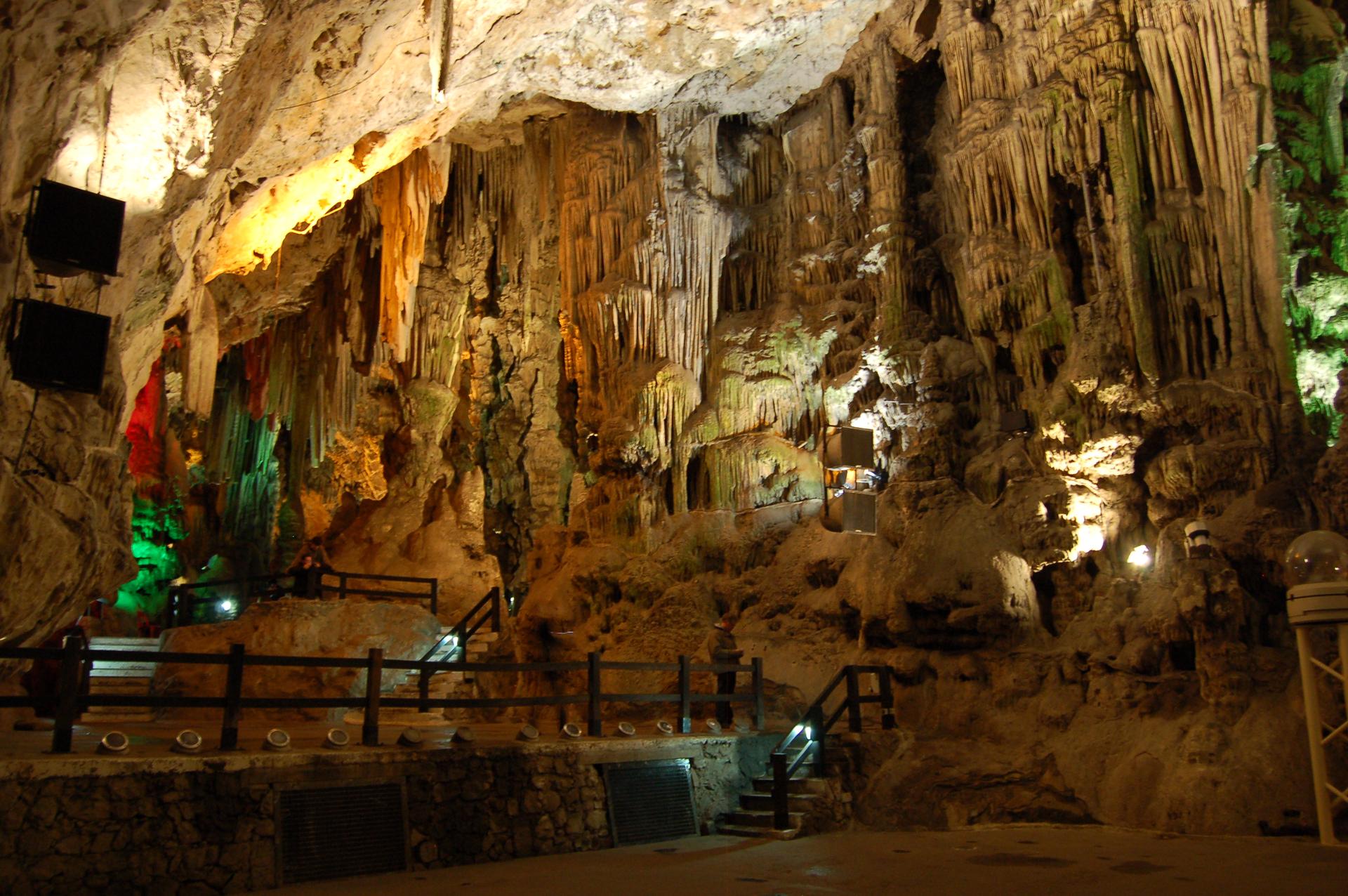
Looking beyond Ragged Staff Cave? Discover St Michael S Cave for broader travel guides, local hot-spots, and regional highlights.
Explore St Michael S Cave
Discover the enchanting Apes Den in Gibraltar, home to playful Barbary macaques and breathtaking views over the Mediterranean.

Explore the historic Port of Gibraltar, a strategic crossroads where the Atlantic meets the Mediterranean, offering maritime history and stunning views.
