Roman Stoa, Athens Travel Guide
Free Guide: Explore the Roman Stoa in Athens: A historical landmark showcasing ancient architecture and serene botanical beauty in the heart of the city.


A brief summary of Roman Stoa
Explore the Roman Stoa in Athens: A historical landmark showcasing ancient architecture and serene botanical beauty in the heart of the city.
The Roman Stoa in Athens, near the Roman Agora, showcases Roman architectural influence with its grand colonnades. Once a bustling hub for commerce and civic life, its ruins offer a glimpse into Athens' transition from Classical Greece to Roman rule.
- Address
- Lisikratous, Athina 105 58
- Website
Getting there
Walking
Public Transport
Discover more about Roman Stoa
Overview
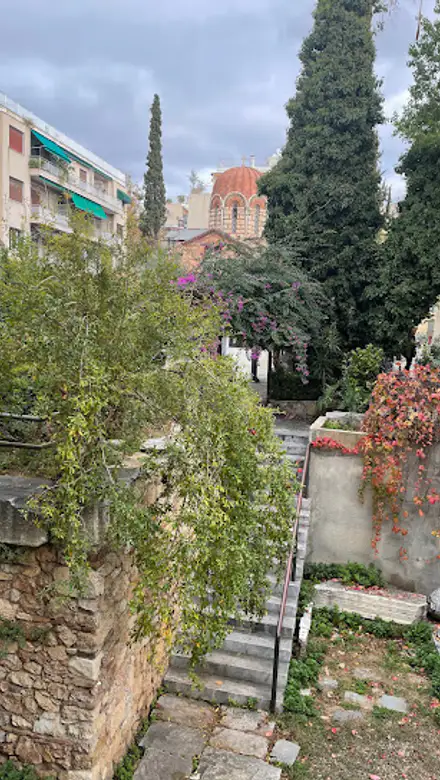
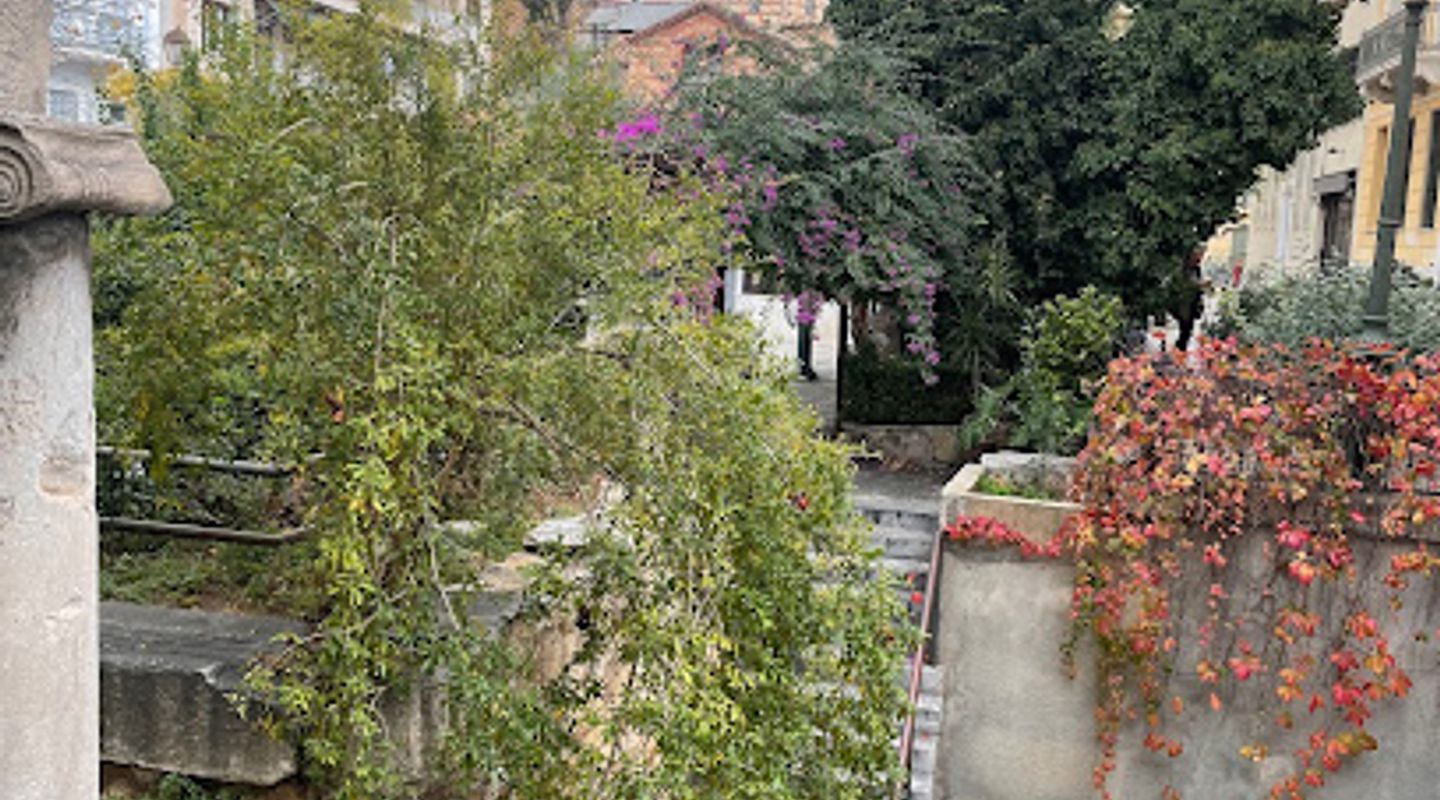
The Roman Stoa, located in the Monastiraki area of Athens, stands as a testament to the city's rich history under Roman influence. Situated near the Roman Agora and Hadrian's Library, it was a key part of the expansive archaeological zone in the city center. Roman stoas, evolving from earlier Greek designs, were covered colonnades used for commercial, administrative, and civic activities. Unlike their simpler Greek predecessors, Roman stoas boasted greater architectural grandeur, featuring marble construction, symmetrical layouts, and ornate details.Visitors to the site can observe fragments of columns, capitals, bases, and other structural components that hint at the stoa's original scale and refinement. These remains provide insight into how the stoa would have looked in its prime: long, arcaded galleries serving as walkways, marketplaces, gathering spots, and venues for legal and civic functions. Although partially ruined, the Roman Stoa remains an integral part of Athens' historical landscape, allowing visitors to trace the architectural transition from Classical Greece to the Roman period. Its proximity to other key landmarks, such as the Tower of the Winds, the East Gate of the Roman Agora, and the Church of Saint Philip, enhances the area's historical and visual experience.Today, the Roman Stoa provides a serene botanical area, inviting visitors to stroll among lush greenery while admiring the ancient architectural remnants. The juxtaposition of nature and historical ruins creates a peaceful atmosphere for reflection and photography.
Evendo Review Centre
 Google
Guest reviews
Explore Roman Stoa on the map
A handpicked selection of must-see spots near Roman Stoa, mapped for you.
Get your free copy of our complete guide to Roman Stoa, delivered straight to you.
Everything on this page, from opening hours and how to get there to Eve’s tips and the best time to go, in one PDF you can read offline, print or share.
Already have an account? Sign in
Your Roman Stoa guide is ready.
We'll send it to · Not you? Sign out

Getting your guide ready…
We are putting together a fresh copy of the Roman Stoa guide. This can take up to a minute.
This can take a few moments. If your browser asks, choose Allow so the download can start. You'll find the guide in your Downloads folder.
Nothing happened? Download it again
Sorry, the guide is taking longer than usual. Please try again in a minute, or get it by email instead.
Other nearby places you may find interesting
The closest places of the same kind, if this one is not quite what you had in mind.
-
-
-
-
-


Swipe for more places
More to explore near Roman Stoa

 Best experiences near Roman Stoa
 Best hotels near Roman Stoa
 Best landmarks near Roman Stoa
 Best attractions near Roman Stoa
 Best shops near Roman Stoa
 Best restaurants near Roman Stoa
 Best bars near Roman Stoa
Do you manage this location?
Take control to get all the benefits, like improved information, better appearance, and stronger visibility across AI-powered discovery.
Explore more

Explore more of Plaka
Discover Plaka, Athens' most picturesque neighborhood, where ancient history meets vibrant modern culture beneath the majestic Acropolis.
Explore Plaka
Explore more of Athens
Discover Athens: A journey through time in the cradle of Western civilization, where ancient wonders and modern vibrancy create an unforgettable experience.
Explore Athens