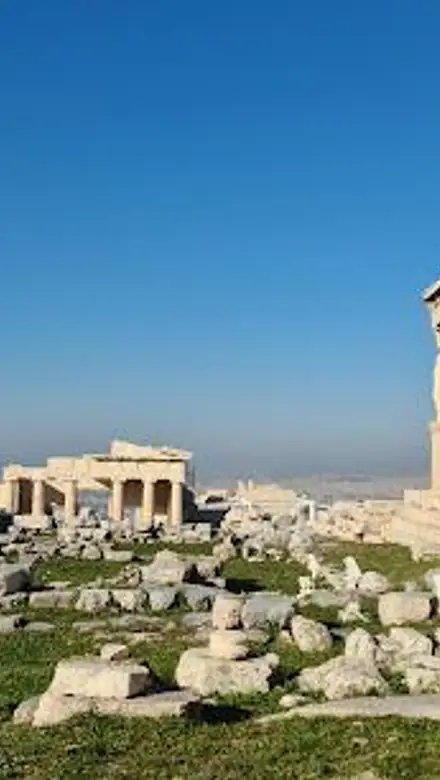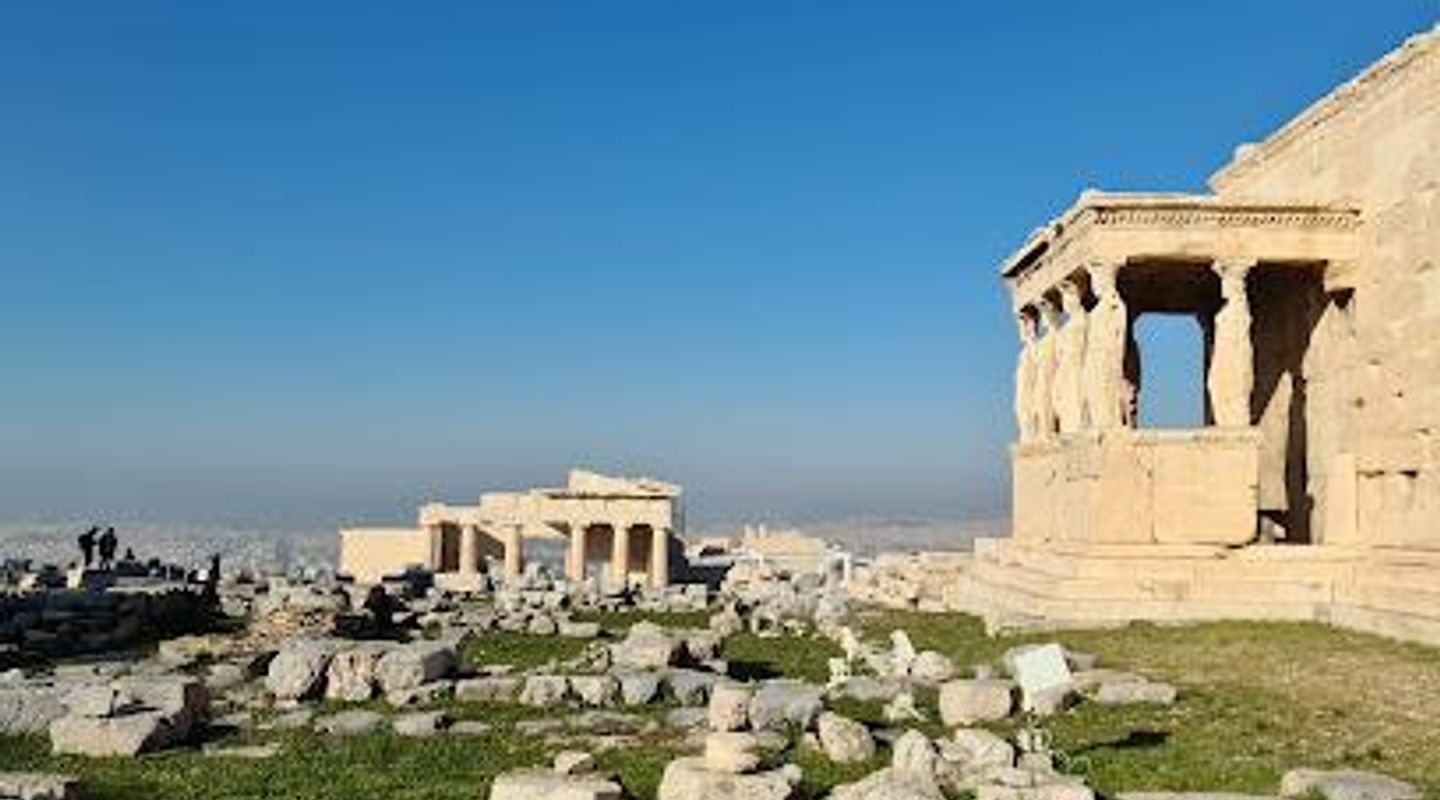
Erechtheion, Athens Travel Guide
Discover the Erechtheion, an iconic temple on the Acropolis of Athens, famed for its unique architecture, sacred history, and the Porch of the Caryatids.
The Erechtheion, an ancient Greek Ionic temple on the Acropolis in Athens, is a unique and sacred structure dedicated primarily to Athena Polias and Poseidon-Erechtheus. Constructed between 421 and 406 BC, it stands as a testament to the artistic and architectural prowess of classical Greece, distinguished by its asymmetrical design and the iconic Porch of the Caryatids.
A brief summary to Erechtheion
- Athens, 105 58, GR
- Click to display
- Click to display

Know before you go
Hi, I'm Eve. Here are a few practical things to know before exploring Erechtheion.
- Visit early in the morning or late in the afternoon to avoid crowds and experience the site in the best light.
- Wear comfortable shoes with a good grip, as the marble surfaces can be slippery.
- Purchase your Acropolis ticket online in advance to avoid long queues.
- Visit the Acropolis Museum to see the original Caryatids and other artifacts from the Acropolis site.
- Check the official Acropolis website for updated opening hours and any closures before your visit.
Do you manage this location?
Take control to get all the benefits, like improved information, better appearance, and stronger visibility across AI-powered discovery. Learn more about listing your business on Evendo
Activate your presenceOther nearby places you may find interesting
The closest places of the same kind, if this one is not quite what you had in mind.



Explore Erechtheion on the Map
A handpicked selection of must-see spots near Erechtheion, mapped for you.
Unlock the Best of Erechtheion
Buy tickets
-
No tickets available
Book tours with entry


Getting There
-
Walking
From the Acropolis entrance, follow the main path towards the Parthenon. The Erechtheion is located on the north side of the Acropolis, a short walk from the Parthenon. The path is well-marked, and the temple is easily visible. Note that the ground can be uneven and slippery in places.
-
Public Transport
Take the Athens Metro Line 2 (Red Line) to the Acropoli station. From the station, it's a short uphill walk to the Acropolis entrance. Follow the signs to the Acropolis and then walk towards the Erechtheion, located on the north side of the Acropolis. A single metro ticket costs €1.20.
-
Taxi
From anywhere in central Athens, a taxi to the Acropolis entrance will typically cost between €4 and €6, depending on traffic and the exact starting point. Ride-sharing services like Uber are also available. From the taxi drop-off point, walk uphill to the Acropolis entrance and then follow the path to the Erechtheion.
Discover more about Erechtheion













Your all‑in‑one travel companion app
Explore expert travel guides, compare and book tours, experiences, hotels, and more—all from the palm of your hand. Download now for seamless trip planning wherever your wanderlust takes you.


Explore More of Athens
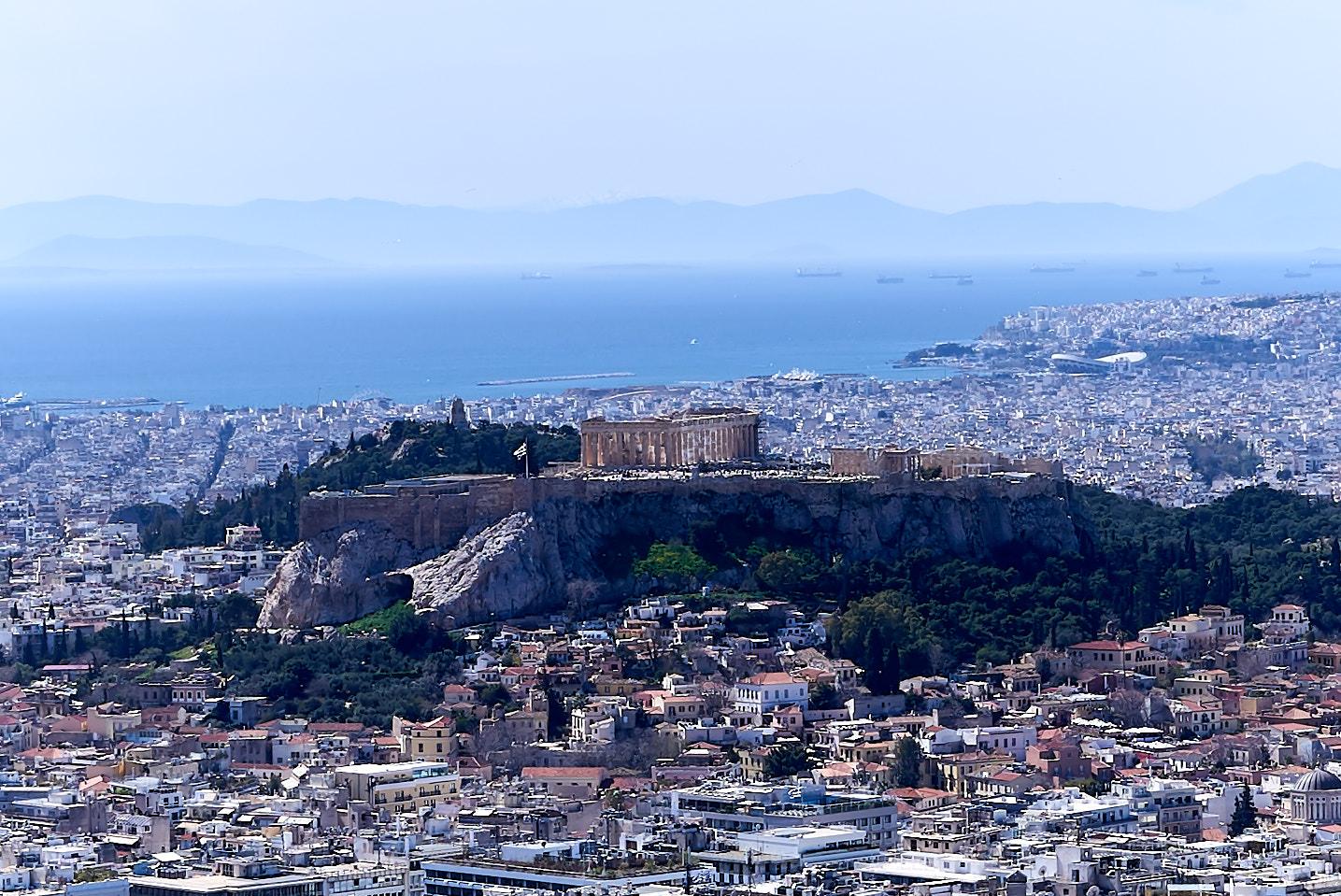
Looking beyond Erechtheion? Discover Athens for broader travel guides, local hot-spots, and regional highlights.
Explore Athens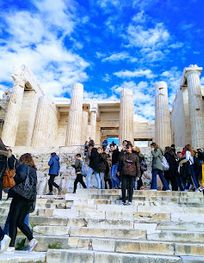
A symbol of victory and architectural brilliance, the Temple of Athena Nike offers a glimpse into ancient Athenian aspirations and artistic achievements.
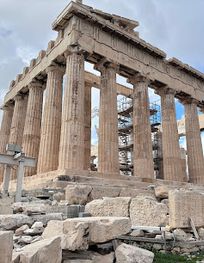
Admire the graceful Caryatids, sculpted female figures supporting the Erechtheion on the Acropolis, a symbol of ancient Athens' artistic legacy.