The Archaeological Site of the Lyceum of Aristotle: Where Philosophy Took a Walk
Walk where Aristotle walked! Explore the birthplace of the Peripatetic School and discover the foundations of Western thought in ancient Athens.
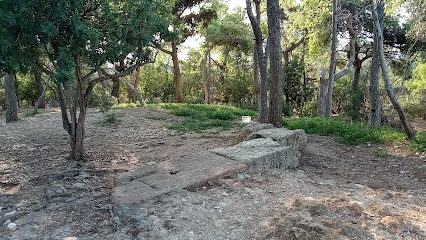
Explore the remains of Aristotle's Lyceum, the philosopher's school in ancient Athens. Wander the grounds where Aristotle walked and taught, shaping Western thought. Though the ruins are modest, the site's historical significance is immense.
A brief summary to Archaeological Site of the Lyceum of Aristotle
- Rigillis 11, Athens, 106 75, GR
- Visit website
Local tips
- Visit early in the morning or late in the afternoon to avoid crowds and experience a more peaceful exploration of the site.
- Wear comfortable shoes, as the site involves walking on uneven, gravel surfaces.
- Bring water, especially during the hot summer months, as there is no cafe or restaurant on site.
- Check the opening hours in advance, as they vary depending on the season.
- Consider visiting on a free admission day, such as the first Sunday of the month from November to March, or other designated holidays.

Getting There
-
Public Transport
The Archaeological Site of the Lyceum of Aristotle is accessible via the Athens Metro and bus. From Syntagma Square, walk north along Vasilissis Sofias Avenue for about 10 minutes until you reach Rigillis Street. Turn right onto Rigillis Street, and the site will be on your left at Rigillis 11. A single metro or bus ticket costs €1.40 and is valid for 90 minutes. Alternatively, a 24-hour ticket costs €4.50.
-
Taxi
Taxis are readily available throughout Athens. From Syntagma Square, a taxi ride to the Archaeological Site of the Lyceum will be short. Expect to pay around €8-€11 for the trip, including the base fare of €1.80 and the per-kilometer charge. Be sure the driver sets the meter at the beginning of the journey.
-
Walking
From Syntagma Square, the Archaeological Site of the Lyceum is approximately a 10-15 minute walk. Head north on Vasilissis Sofias Avenue until you reach Rigillis Street. Turn right, and the site will be on your left. The walk is generally flat and straightforward.
Discover more about Archaeological Site of the Lyceum of Aristotle
Iconic landmarks you can’t miss

Maximus Mansion
0.3 km
Visit the official workplace of the Greek Prime Minister, a historic landmark in the heart of Athens, next to the Presidential Mansion.

National Garden Roman Ruins
0.6 km
Discover ancient Roman remnants nestled within Athens' National Garden, a serene escape offering a unique blend of history and nature.
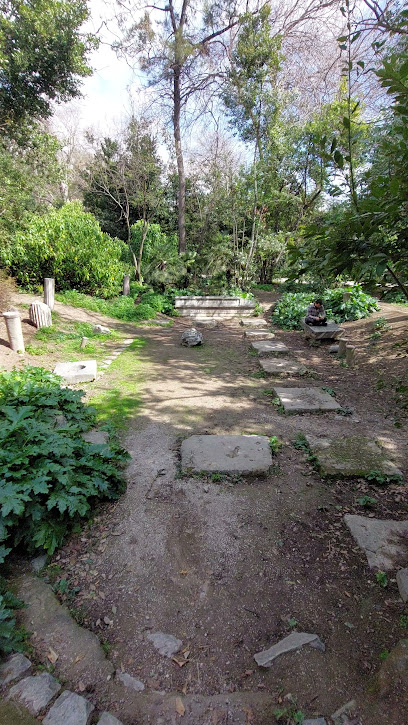
Statue of George Karaiskakis
0.6 km
Honoring a Greek War of Independence hero, this statue stands as a symbol of bravery and the fight for freedom in the heart of Athens.
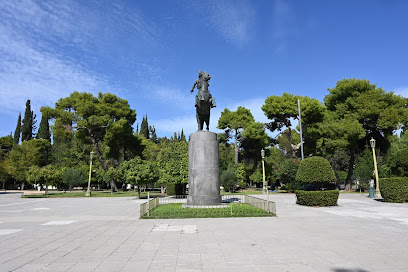
Statue
0.7 km
Discover the Statue of Athens, a captivating historical landmark showcasing the artistry and heritage of ancient Greece in the heart of the city.
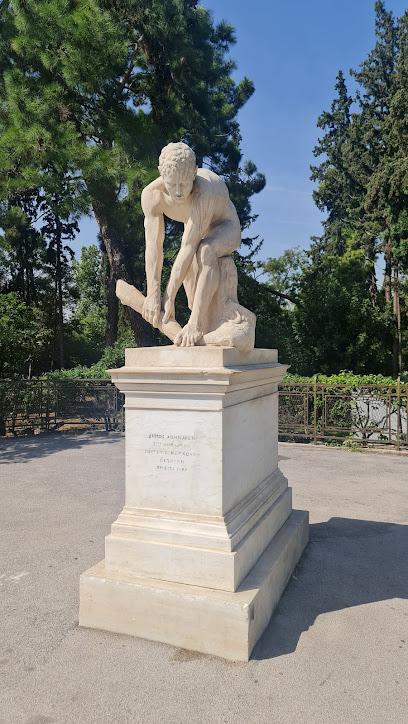
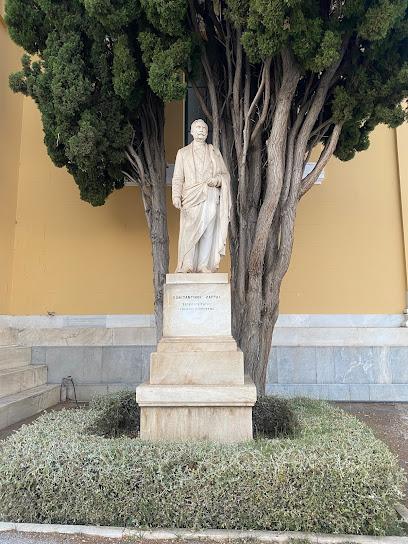
Konstantinos Zappas Statue
0.7 km
A marble tribute to Konstantinos Zappas, a Greek benefactor who helped revive the Olympic Games, located near the historic Zappeion Hall in Athens.
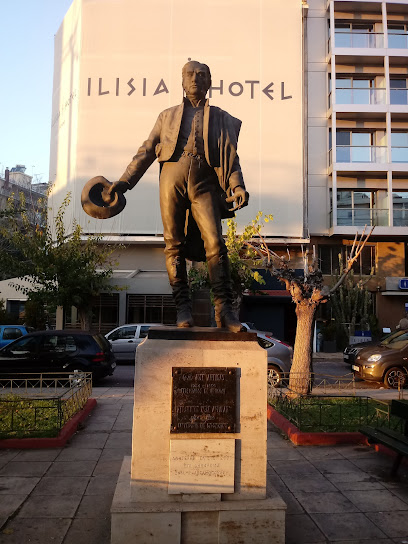
Uruguay Square
0.7 km
Discover a hidden gem in Athens: Uruguay Square, a tribute to Uruguayan hero José Gervasio Artigas and the bond between two nations.
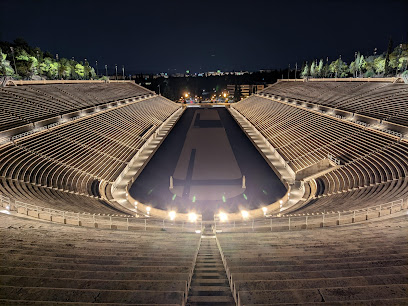
Panathenaic Stadium
0.8 km
Visit the Panathenaic Stadium in Athens, the world's only all-marble stadium and the birthplace of the modern Olympic Games.
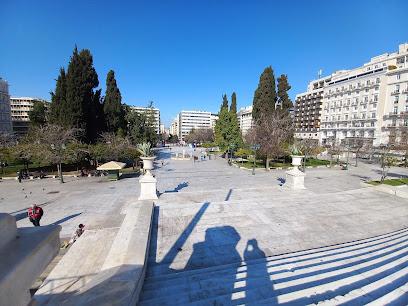
Pl. Sintagmatos
0.8 km
Experience the heart of Athens at Syntagma Square: history, culture, and vibrant city life converge in this iconic central hub.
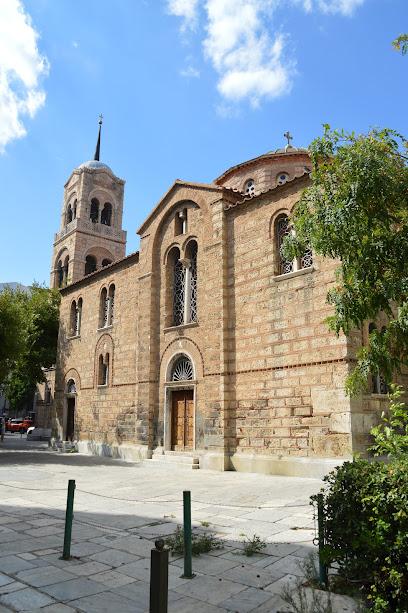
Holy Church of the Holy Trinity - Soteira Lykodemos (11th c.)
0.8 km
Discover the serene beauty and rich history of this 11th-century Byzantine church, a peaceful sanctuary in the heart of Athens.
Athens Free Tour
0.9 km
Explore the rich history and vibrant culture of Athens with the Athens Free Tour, a must-have experience for every traveler in Greece.
Phaedrus Living | Redefining Accommodation | Hellas
0.9 km
Experience Athens in style with centrally located apartments and professional property management services on Stadiou Street.
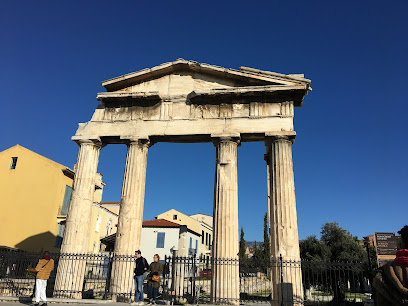
Temple of Athena-Tyche
0.9 km
Discover the ancient wonders of the Temple of Athena-Tyche, a historical landmark in Athens that showcases stunning architecture and rich cultural heritage.
Commander-in-Chief Theodoros Kolokotronis Mounted
1.0 km
A striking monument in Athens honoring Theodoros Kolokotronis, a pivotal figure in the Greek War of Independence, symbolizing courage and national pride.
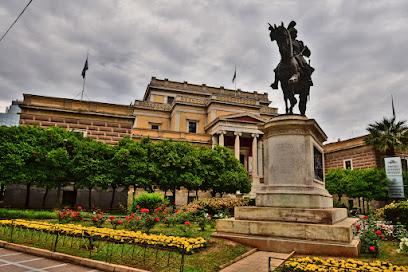
National Historical Museum - Old Parliament House
1.0 km
Explore Greece's modern history in the heart of Athens, from the fall of Constantinople to the mid-20th century, within the walls of the Old Parliament.
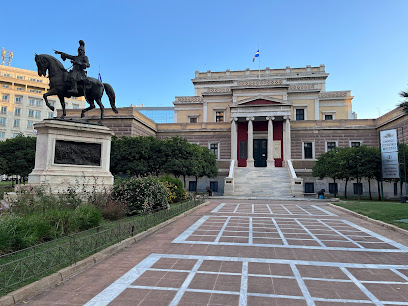
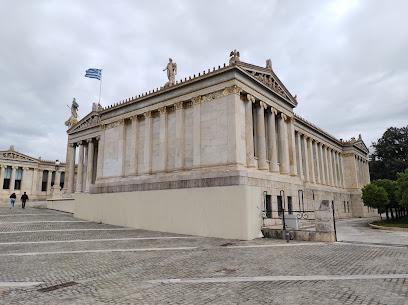
Academy of Athens
1.0 km
Discover the Academy of Athens, a stunning neoclassical marvel embodying Greece's rich intellectual heritage and a hub of art and science.
Unmissable attractions to see

Monument
0.1 km
Discover the Monument in Athens, a historical gem showcasing the city's rich heritage and architectural beauty, perfect for every traveler.
Byzantine and Christian Museum
0.1 km
Explore the Byzantine and Christian Museum in Athens, a rich repository of art and history showcasing the splendor of Byzantine culture.
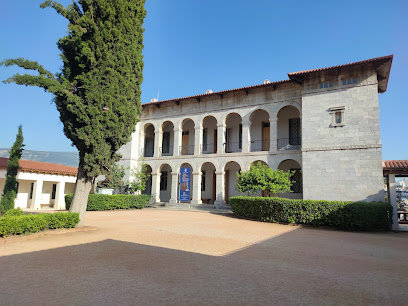
Museum of Cycladic Art
0.1 km
Explore the Museum of Cycladic Art in Athens, where ancient Greek culture comes to life through exquisite artifacts and contemporary exhibitions.
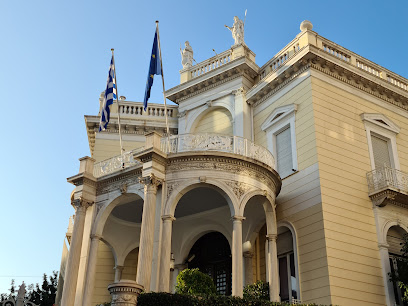
War Museum Athens
0.2 km
Uncover the rich military history of Greece at the War Museum Athens, featuring thousands of artifacts and engaging exhibits for every history enthusiast.
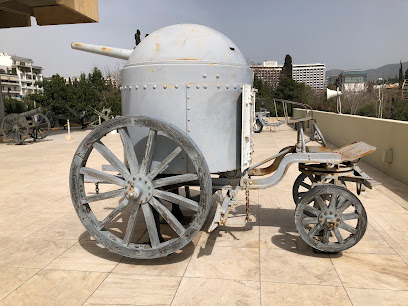
Benaki Museum Cafe Restaurant / Benaki Museum of Greek Culture
0.3 km
Explore Greek culture and culinary delights at the Benaki Museum Cafe, a serene oasis within Athens' rich artistic landscape.
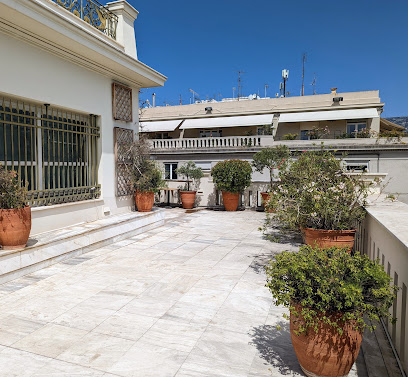
Benaki Museum
0.3 km
Explore the rich tapestry of Greek art and history at the Benaki Museum, a cultural gem in the heart of Athens.
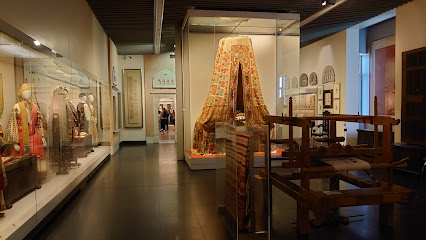
Contemporary Art | Zoumboulakis Galleries
0.3 km
Explore the vibrant contemporary art scene at Zoumboulakis Galleries in Athens, showcasing innovative works and cultural events that inspire.
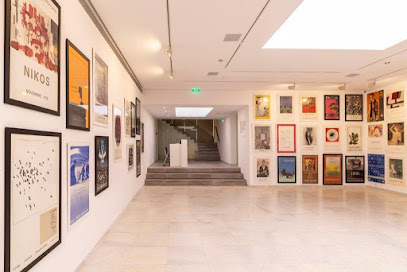
Rizari Park
0.3 km
Explore the lush landscapes and cultural charm of Rizari Park, a tranquil retreat in the heart of Athens, ideal for relaxation and social gatherings.
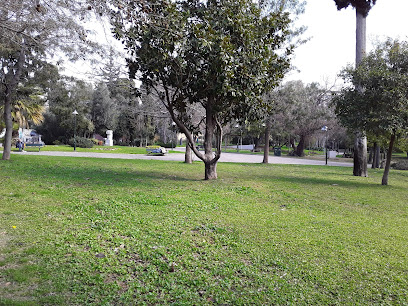
Presidential Palace
0.3 km
Explore the grandeur of Athens' Presidential Palace, a historical landmark that embodies Greece's rich political heritage and stunning neoclassical architecture.
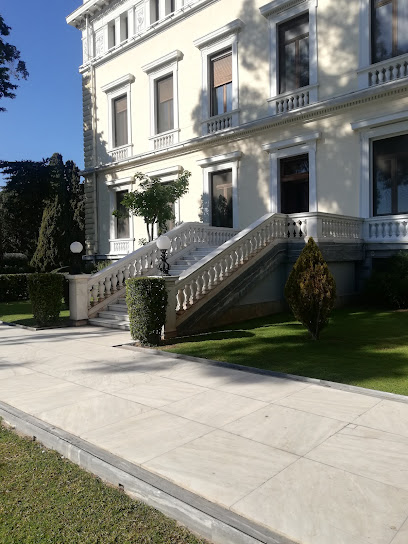
Botanical Museum of the National Gardens
0.4 km
Explore the serene beauty and ecological wonders at the Botanical Museum of the National Gardens in Athens, a must-visit for nature lovers.
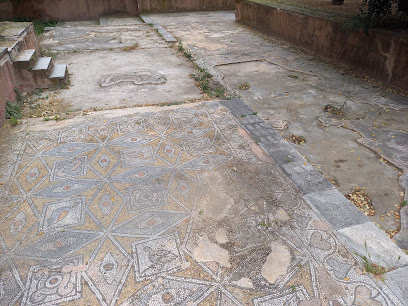
Mosaic
0.4 km
Explore the enchanting Mosaic in Syntagma, Athens, where art and history beautifully intertwine to create a unique cultural experience.
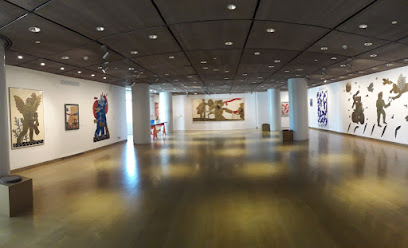
B. & M. Theocharakis Foundation for the Fine Arts & Music
0.5 km
Discover Athens' artistic spirit at the B. & M. Theocharakis Foundation for the Fine Arts & Music, a must-visit art museum celebrating culture and creativity.
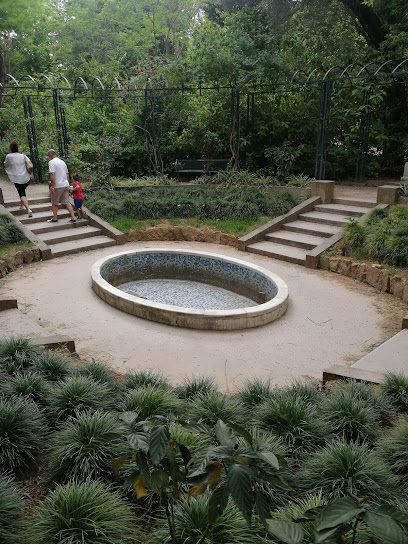
Spanish Fountain
0.5 km
Discover the serene beauty of the Spanish Fountain in Athens, a stunning blend of architecture and history set in the heart of the city.
National Gallery - Alexandros Soutsos Museum
0.5 km
Explore the rich heritage of art at the National Gallery - Alexandros Soutsos Museum in Athens, showcasing masterpieces from Greek and European artists.
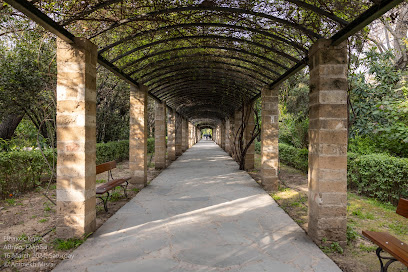
Queen Amalia's Pergola
0.5 km
Experience the serene beauty and historical charm of Queen Amalia's Pergola, a must-visit scenic spot in the heart of Athens.
Essential places to dine

Mpirmpilo
0.3 km
Discover authentic Greek flavors at Mpirmpilo in Athens - where tradition meets modern culinary artistry.
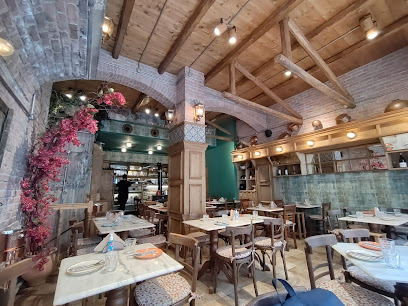
OROSCOPO restaurant
0.7 km
Experience exquisite Mediterranean dining at OROSCOPIO Restaurant in Athens – where Greek tradition meets Italian flair.
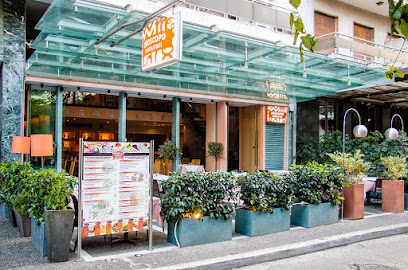
Vezené Athens
0.7 km
Discover culinary brilliance at Vezené Athens - where authentic Greek flavors meet modern Mediterranean flair in an unforgettable dining experience.
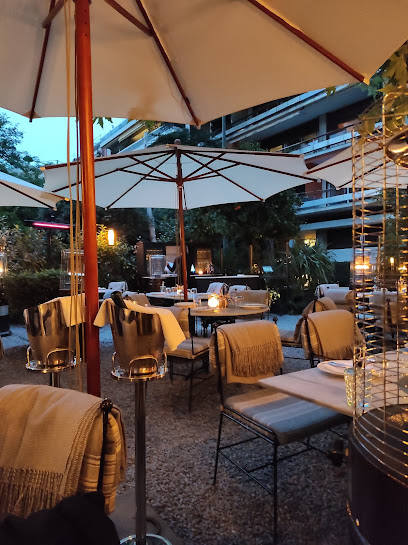
Kiouzin - Greek cuisine with a twist
0.7 km
Experience authentic Greek cuisine with a modern twist at Kiouzin in Athens - where tradition meets innovation.
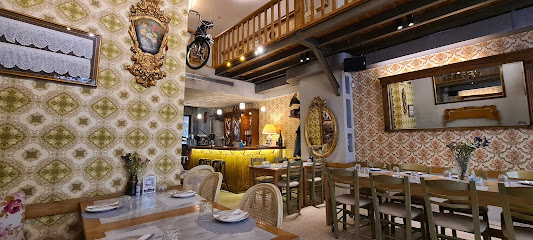
Simul
0.7 km
Experience exquisite cuisine at Simul in Athens—where traditional flavors meet modern culinary artistry.
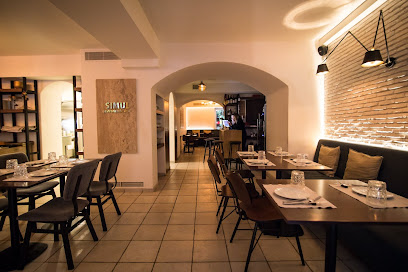
Agora Select
0.7 km
Savor authentic Mediterranean flavors at Agora Select, Athens' premier destination for exquisite Greek cuisine.
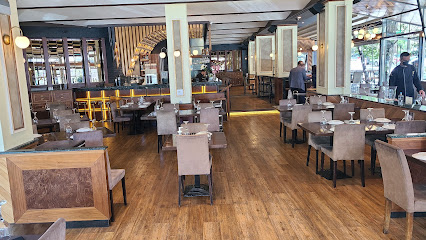
Cookoovaya
0.7 km
Discover the flavors of Greece at Cookoovaya, where traditional dishes meet modern culinary artistry in an unforgettable dining experience.
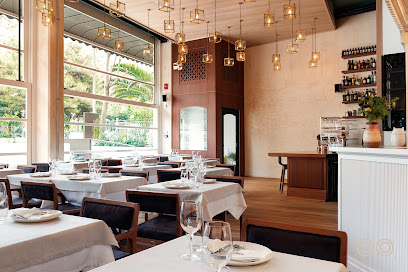
Tudor Hall
0.8 km
Discover the elegance of fine dining at Tudor Hall in Athens, where traditional Greek cuisine meets modern culinary artistry.

Athénée
0.8 km
Experience luxury dining at Athénée in Athens; where exquisite cuisine meets an elegant atmosphere.
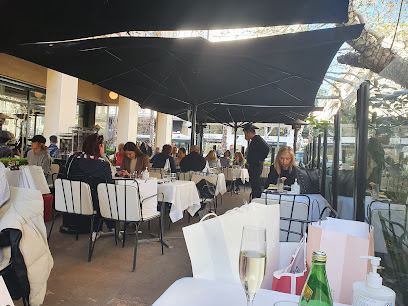
Pasaji
0.8 km
Experience the fusion of European, Mediterranean & Asian flavors at Pasaji - Athens' premier dining destination.
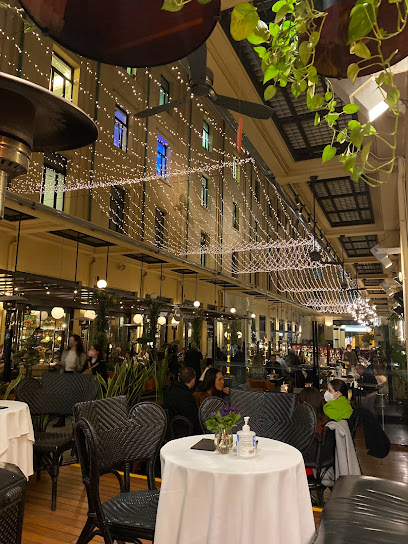
The Greco's Project
0.9 km
Experience authentic Greek cuisine at The Greco's Project in Athens – where tradition meets modern culinary artistry.
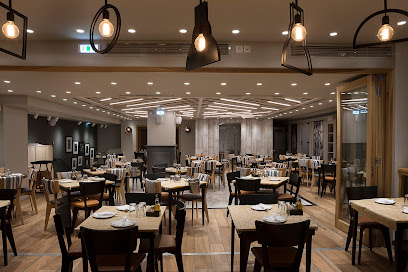
Soil restaurant
0.9 km
Experience exquisite Greek cuisine at Soil Restaurant in Athens—where tradition meets innovation in every dish.
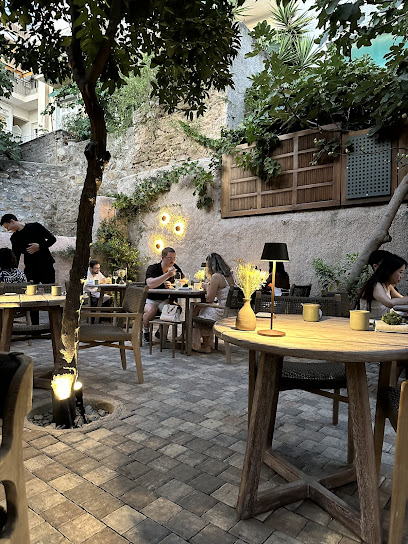
Athena 's Cook
0.9 km
Experience the essence of Greek cuisine at Athena's Cook, where tradition meets innovation in every dish.
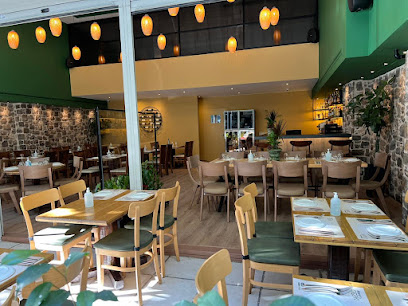
ΑΝΕΤΟΝ
0.9 km
Discover the essence of Greek cuisine at ANETON – where tradition meets flavor in the heart of Athens.
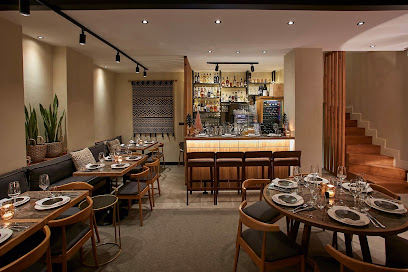
Milos Restaurant
0.9 km
Discover Milos Restaurant in Athens for an exquisite seafood dining experience infused with authentic Greek flavors and Mediterranean elegance.
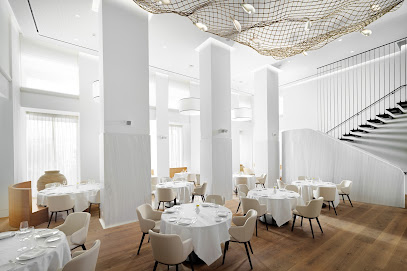
Markets, malls and hidden boutiques

Benaki Museum Shop | Museum of Greek Culture
0.3 km
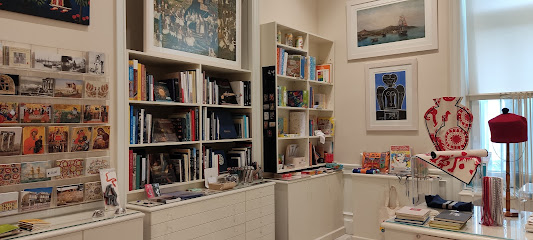
Explore the Benaki Museum Shop for unique gifts and authentic Greek cultural treasures in the heart of Athens.
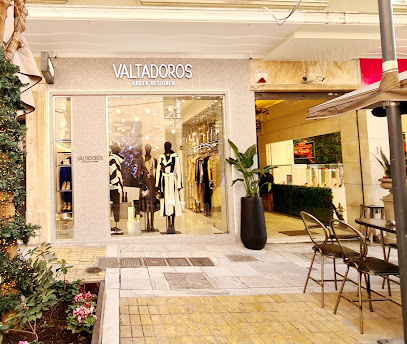
Paris Valtadoros (Athens Boutique)
0.6 km
Explore Paris Valtadoros in Athens for stylish clothing and elegant accessories that capture the essence of contemporary Greek fashion.
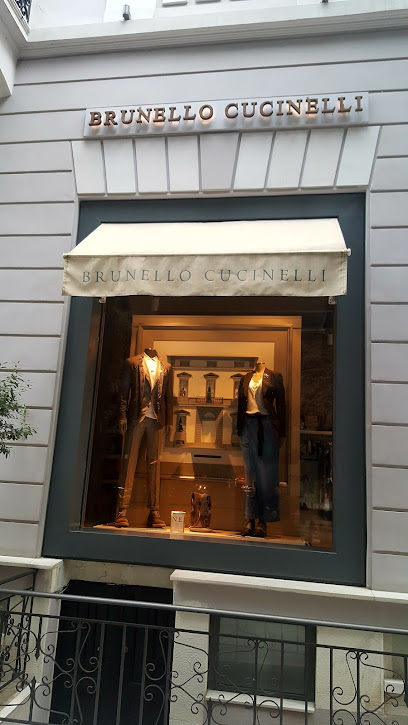
artica parking
0.6 km
Explore Artica Parking in Athens - a vibrant shopping experience blending local culture with modern retail and dining.
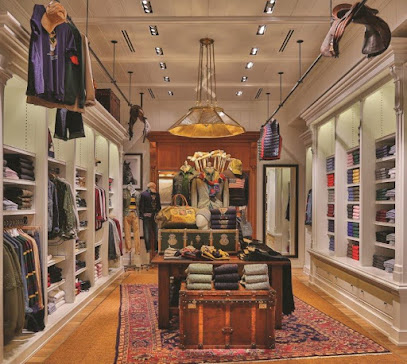
Polo Ralph Lauren Athens
0.7 km
Explore timeless elegance and luxury at Polo Ralph Lauren Athens, a premier clothing store in the heart of Syntagma Square.
calle aristidou 1
0.7 km
Discover the vibrant shopping and cultural experience at Calle Aristidou 1 in the heart of Athens, surrounded by rich history and local charm.
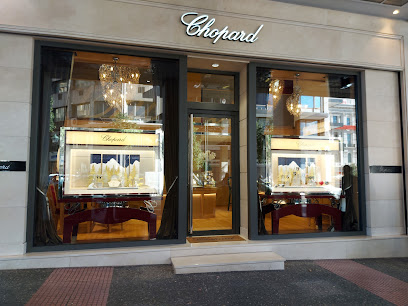
Chopard Boutique
0.8 km
Explore the luxurious Chopard Boutique in Athens for exquisite watches and jewelry, blending elegance with timeless craftsmanship.
Pinko Boutique 9 Panepistimiou, Athens
0.8 km
Explore the latest in women's fashion at Pinko Boutique in Athens, where style meets elegance in a chic shopping experience.

Brooks Brothers - Women's - Attica City Link
0.8 km
Discover timeless elegance at Brooks Brothers - Women's in the heart of Athens, where classic fashion meets modern sophistication.

City Link
0.8 km
Discover City Link, Athens' premier shopping mall blending retail, culture, and culinary delights in a vibrant urban setting.
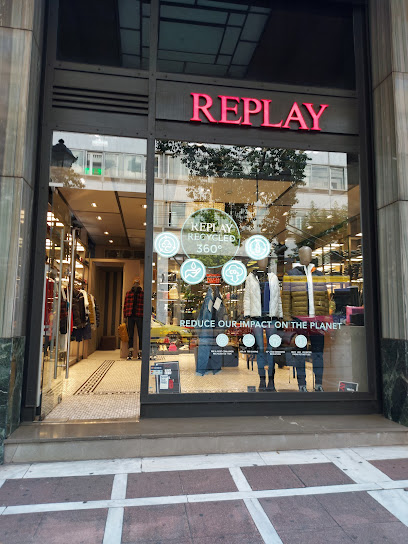
Replay Corner | "Attica - City Link"
0.8 km
Discover the latest fashion trends at Replay Corner in Athens, a premier clothing store offering quality apparel for every style.
Pinko Boutique
0.8 km
Explore modern elegance at Pinko Boutique, a premier women's clothing store in Athens for stylish and trendy fashion finds.

Shopping Street
0.9 km
Ermou Street in Athens: A vibrant shopping paradise blending local charm with international flair, perfect for every traveler.
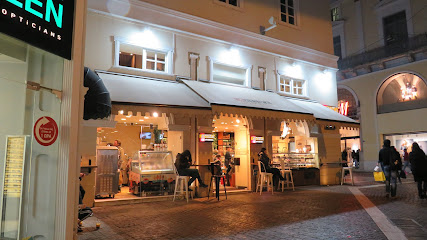
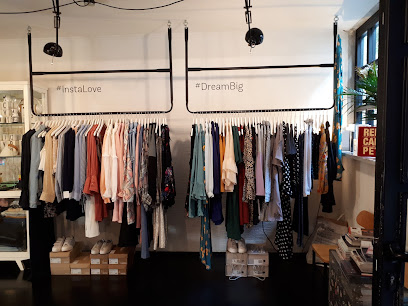
ΑNAMESA CONCEPT STORE
0.9 km
Explore the unique blend of fashion, children's items, and coffee at ΑNAMESA CONCEPT STORE in Athens, where modern style meets Greek charm.
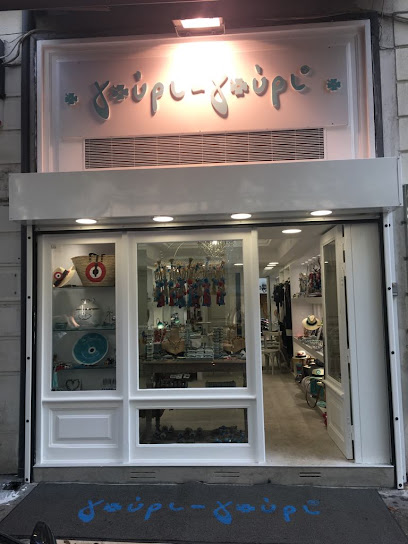
gouri-gouri! - Syntagma
0.9 km
Explore Gouri-Gouri, the charming gift shop in Athens offering unique handmade treasures and local artisan crafts.
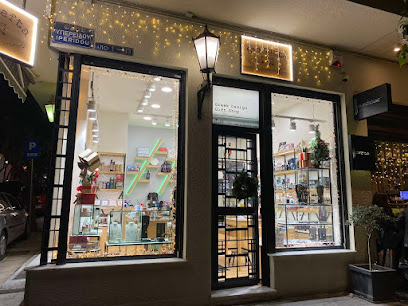
Dia Tauta Greek Design Gift Shop
0.9 km
Explore the vibrant Dia Tauta Gift Shop in Athens for unique Greek souvenirs and artisanal treasures that capture the spirit of Greece.
Essential bars & hidden hideouts

ZIGGY Cocktail Bar
0.6 km
Discover ZIGGY Cocktail Bar in Athens: a vibrant spot for creative cocktails, friendly vibes, and an unforgettable nightlife experience.

Galaxy Bar
0.9 km
Experience the vibrant nightlife of Athens at Galaxy Bar, where innovative cocktails and stunning views create an unforgettable evening.
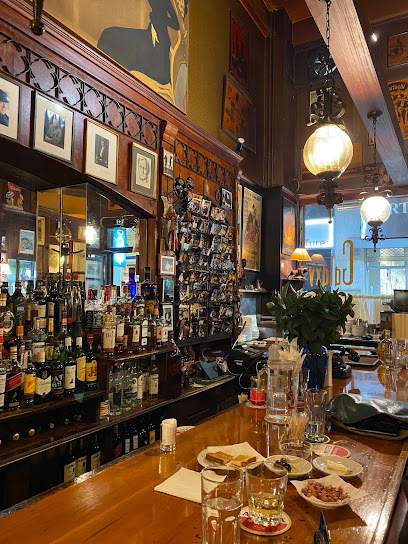
42 Barstronomy Athens
0.9 km
Experience innovative cocktails and Mediterranean delights at 42 Barstronomy, Athens' premier cocktail bar and restaurant.
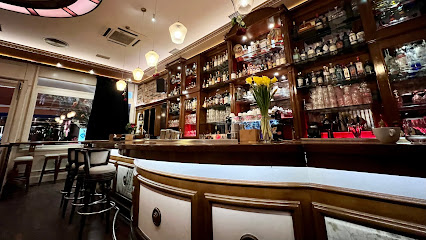
Barreldier
0.9 km
Discover the lively atmosphere of Barreldier, a top Athenian bar known for its creative cocktails and welcoming vibe amidst the city's vibrant nightlife.
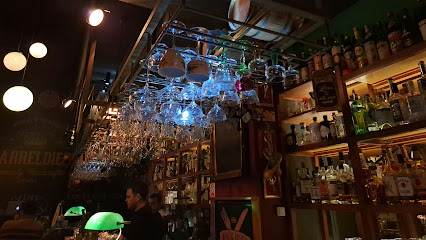
The 7 Jokers Coffee & Cocktail Bar
0.9 km
Discover the vibrant nightlife at The 7 Jokers Coffee & Cocktail Bar in Athens, where unique cocktails and a stylish ambiance await you.
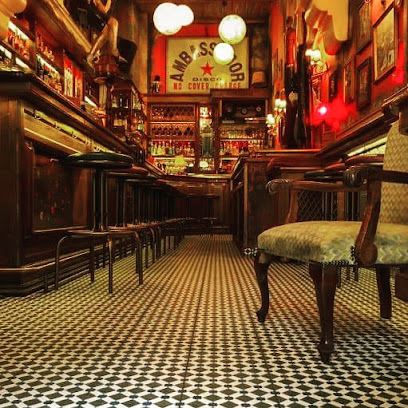
Warehouse CO2
0.9 km
Experience the Finest Wines and Gourmet Delights at Warehouse CO2, Athens' Premier Wine Bar and Deli Offering a Cozy Atmosphere.
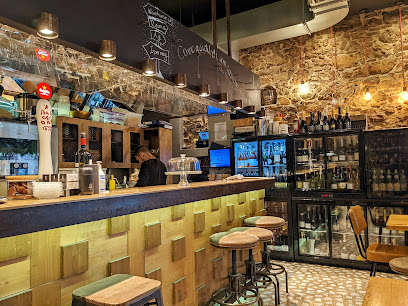
Drunky Goat
1.0 km
Experience the best of Athens' wine culture at Drunky Goat, where exquisite wines meet delicious tapas in a cozy atmosphere.
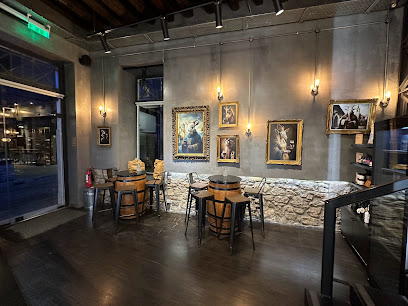
Loser Bar
1.0 km
Experience the vibrant nightlife of Athens at Loser Bar, where expertly crafted cocktails meet a lively atmosphere and unforgettable vibes.
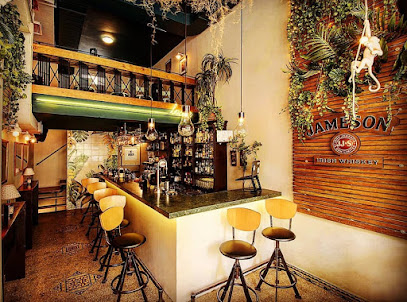
THE BAR IN FRONT OF THE BAR
1.0 km
Experience vibrant nightlife at The Bar in Front of the Bar in Athens, where exceptional drinks and a lively atmosphere await.

The Huge Bar
1.0 km
Experience the vibrant nightlife of Athens at The Huge Bar, where creative cocktails meet a lively atmosphere and eclectic music.
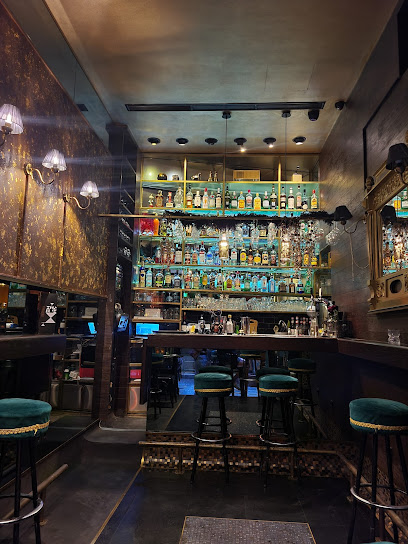
Tazza All day bistro & wine bar
1.0 km
Experience the blend of exquisite wines and delightful bistro cuisine at Tazza All Day Bistro & Wine Bar in the heart of Athens.
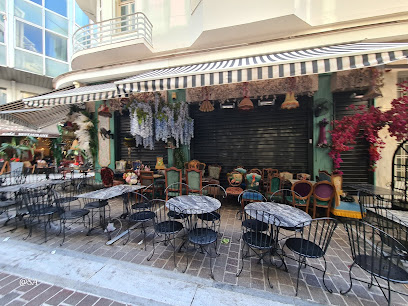
Blue Bird
1.0 km
Experience the vibrant nightlife at Blue Bird, Athens' premier bar for cocktails, music, and unforgettable moments.
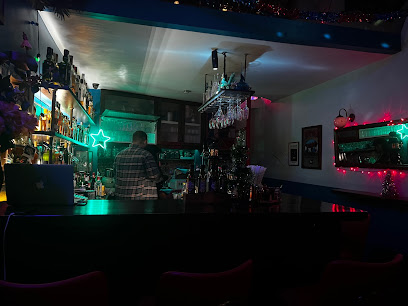
Kiki de grèce
1.0 km
Discover the essence of Greek viticulture at Kiki de Grèce, a must-visit wine bar in the heart of Athens.
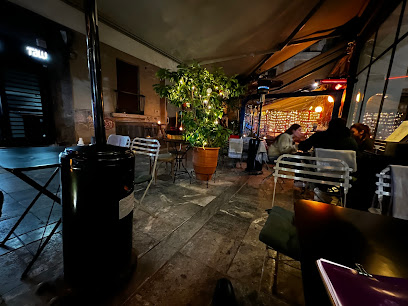
Ipitou The Bar
1.0 km
Discover the lively Ipitou The Bar in Athens, where craft beers and creative cocktails meet a vibrant atmosphere for unforgettable nights.
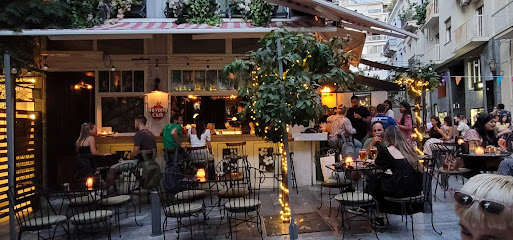
Thea Terrace
1.1 km
Discover the charm of Athens at Thea Terrace, where stunning views and delightful drinks create the perfect atmosphere for relaxation.