

Χώρος Στάθμευσης Θεάτρου Ανατολικής Τάφρου, Chania Travel Guide
Free parking near Chania's Old Town and Eastern Moat Theatre, offering convenient access to historical and cultural attractions.
Χώρος Στάθμευσης Θεάτρου Ανατολικής Τάφρου is a free, large parking area located just east of Chania Harbour, near Koum Kapi Beach. It provides convenient access to Chania's Old Town and the Eastern Moat Theatre.
A brief summary to Χώρος Στάθμευσης Θεάτρου Ανατολικής Τάφρου
- Kiprou 16, Chania, 731 32, GR

Know before you go
Hi, I'm Eve. Here are a few practical things to know before exploring Χώρος Στάθμευσης Θεάτρου Ανατολικής Τάφρου.
- Arrive early, especially on weekends or during peak tourist season, to secure a parking spot.
- Be aware of potential scams from individuals offering parking assistance in exchange for money; parking is free.
- Consider alternative parking options, such as Talos Square or private parking facilities, if the lot is full.
Do you manage this location?
Take control to get all the benefits, like improved information, better appearance, and stronger visibility across AI-powered discovery. Learn more
Activate your presenceOther nearby places you may find interesting
The closest places of the same kind, if this one is not quite what you had in mind.



Explore Χώρος Στάθμευσης Θεάτρου Ανατολικής Τάφρου on the Map
A handpicked selection of must-see spots near Χώρος Στάθμευσης Θεάτρου Ανατολικής Τάφρου, mapped for you.
Getting There
-
Walking
From Chania's central square (Eleftherios Venizelos Square), walk towards Halidon Street, the main street. Continue until the intersection with Kydonias Street. Turn left onto Kydonias Street, then right onto Kiprou Street. The parking area is a short walk along Kiprou Street on the left. No costs involved.
-
Public Transport
From Chania's central bus station, take bus line 21 towards Kastelli. Get off at the Kiprou stop, and walk straight for about 5 minutes along Kiprou Street to reach the parking area. A single bus fare within Chania typically costs around €1.10 - €1.20.
-
Taxi
Taxis are readily available throughout Chania. Request a ride to Χώρος Στάθμευσης Θεάτρου Ανατολικής Τάφρου on Kiprou 16. The ride from the city center typically takes 5-10 minutes, depending on traffic. Expect to pay around €5-€8 for a short taxi ride within the city.
Discover more about Χώρος Στάθμευσης Θεάτρου Ανατολικής Τάφρου
More to explore near Χώρος Στάθμευσης Θεάτρου Ανατολικής Τάφρου
-

Best experiences near Χώρος Στάθμευσης Θεάτρου Ανατολικής Τάφρου
-

Best hotels near Χώρος Στάθμευσης Θεάτρου Ανατολικής Τάφρου
-

Best attractions near Χώρος Στάθμευσης Θεάτρου Ανατολικής Τάφρου
-

Best shops near Χώρος Στάθμευσης Θεάτρου Ανατολικής Τάφρου
-

Best restaurants near Χώρος Στάθμευσης Θεάτρου Ανατολικής Τάφρου
-

Best bars near Χώρος Στάθμευσης Θεάτρου Ανατολικής Τάφρου







Your all‑in‑one travel companion app
Explore expert travel guides, compare and book tours, experiences, hotels, and more—all from the palm of your hand. Download now for seamless trip planning wherever your wanderlust takes you.


Explore More of Chania
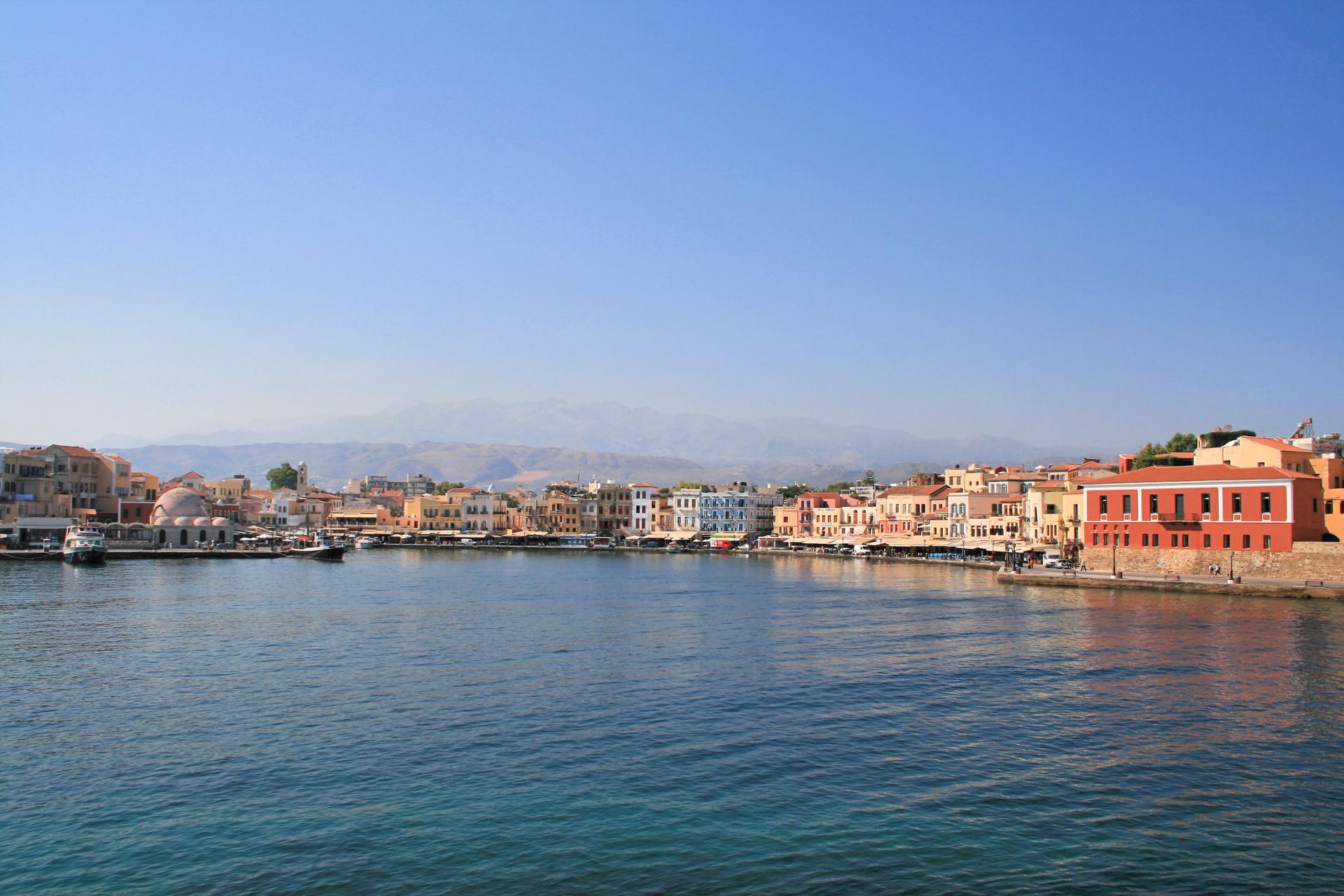
Looking beyond Χώρος Στάθμευσης Θεάτρου Ανατολικής Τάφρου? Discover Chania for broader travel guides, local hot-spots, and regional highlights.
Explore Chania