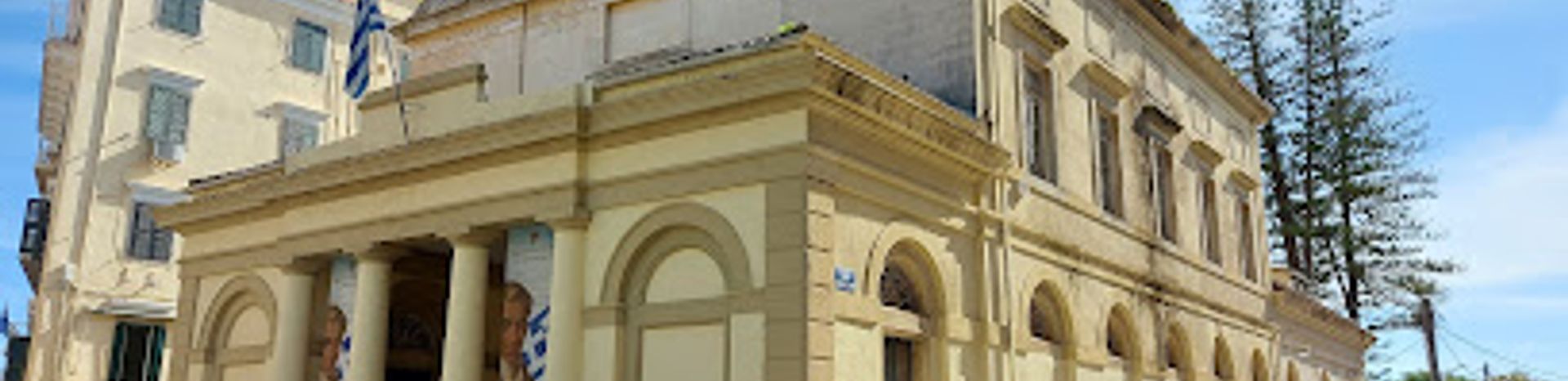
Ionian Parliament: A Neoclassical Landmark in Corfu
Visit the Ionian Parliament in Corfu Town: a neoclassical landmark with a rich history of democracy and unification.
The Ionian Parliament, a neoclassical building in Corfu Town, stands as a testament to the island's rich history and its eventual unification with Greece. Built in 1855, it's an architectural gem that has served various purposes, from a parliament to an Anglican church, and now hosts cultural events.
A brief summary to Ionian Parliament
- Moustoxidi 3, Corfu, 491 00, GR
- +302661025555
Local tips
- Visit early in the morning to avoid crowds and enjoy a more intimate experience.
- Combine your visit with a stroll to nearby attractions like the Old Fortress and Liston.
- Check for guided tour timings to enhance your understanding of the site's historical significance.

Getting There
-
Walking
From Spianada Square, the largest square in Greece, walk towards the Old Fortress. Before reaching the fortress entrance, turn left onto Moustoxidi Street. The Ionian Parliament is a short walk down this street on the right. No costs are associated with this route.
-
Public Transport
From Corfu's central bus station (KTEL), take a blue bus towards the city center. Get off at the 'Liston' stop. From there, walk towards Spianada Square and follow the walking directions. Bus tickets cost €1.10 if purchased at a kiosk or €1.50 when bought on board.
-
Taxi
Taxis are readily available throughout Corfu Town. Ask the driver to take you to Moustoxidi Street or the Ionian Parliament. The ride should be short and convenient. Expect to pay around €6-€11 for a 5 km trip.
Discover more about Ionian Parliament
Iconic landmarks you can’t miss

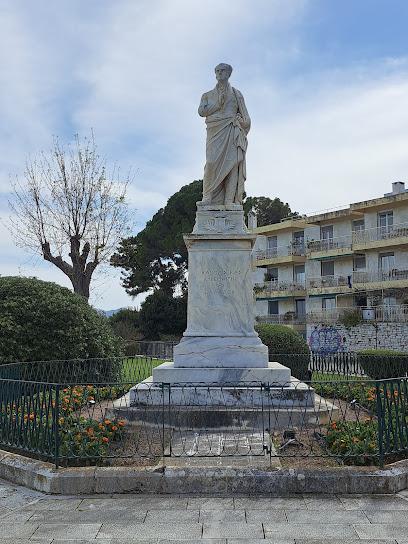
Ioannis Kapodistrias Statue
0.2 km
Honor the legacy of Ioannis Kapodistrias, the first governor of independent Greece, at this striking monument in Corfu Town's Spianada Square.
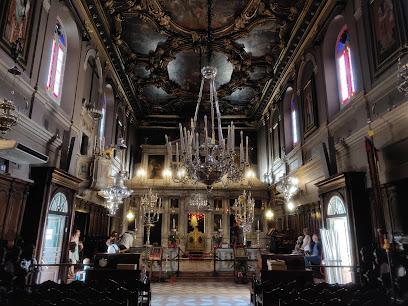
Holy Church of Saint Spyridon
0.4 km
Visit the Holy Church of Saint Spyridon in Corfu Town, a beacon of faith and history, and explore the legacy of Corfu's patron saint.
Savorgnan Bastion
0.4 km
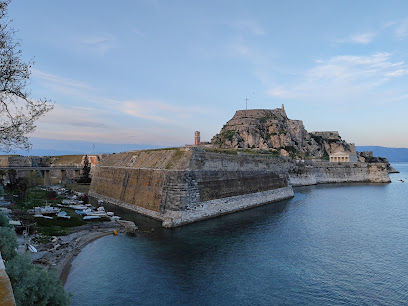
Explore the Savorgnan Bastion in Corfu's Old Fortress: a Venetian-era marvel offering panoramic views and a glimpse into the island's rich history.
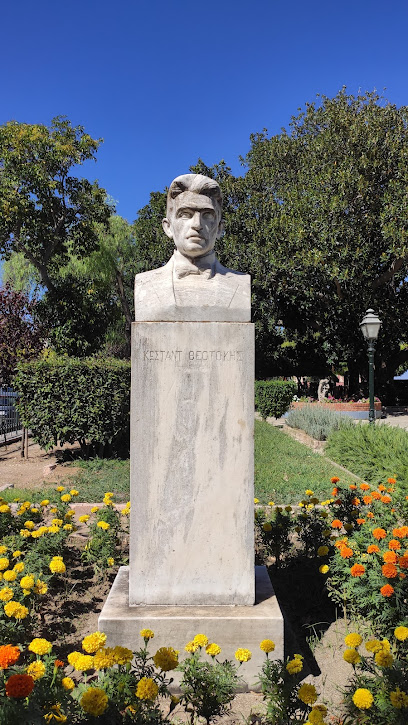
Statue of Konstantinos Theotokis
0.4 km
A tribute to the Corfiot novelist Konstantinos Theotokis, nestled in the serene Boschetto Garden of Corfu Town.
Latin Chapel of Madonna of the Karmelitae
0.5 km
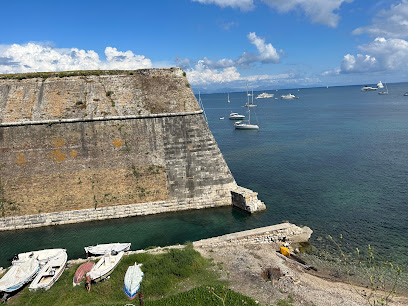
Discover the serene Latin Chapel of Madonna of the Karmelitae in Corfu's Old Fortress, a testament to Venetian history and architectural beauty.
Jewish Holocaust Memorial of Corfu
0.5 km
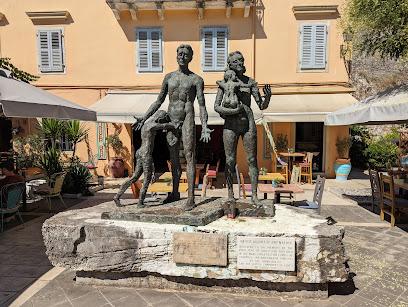
A moving tribute to the Jewish community of Corfu who perished in the Holocaust, serving as a reminder of the importance of tolerance and remembrance.
Municipal Gallery of Corfu
0.5 km
Discover the enchanting Municipal Gallery of Corfu, where art and history intertwine in a beautiful setting, showcasing the island's rich cultural heritage.
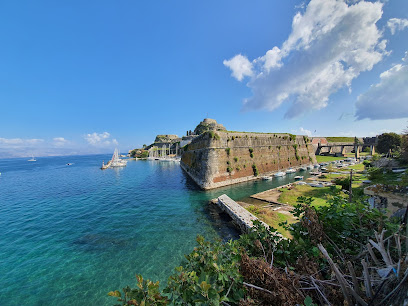
Porta Ottourata
0.5 km
Explore Porta Ottourata in Corfu Town: A captivating Venetian-era landmark offering a glimpse into the island's rich history and architectural heritage.
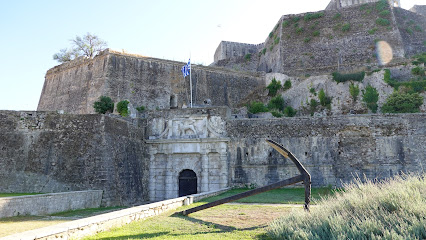
Gate of Saint Nicholas
0.6 km
Explore the Gate of Saint Nicholas in Corfu Town, a historic Venetian gate offering a glimpse into the island's fortified past.
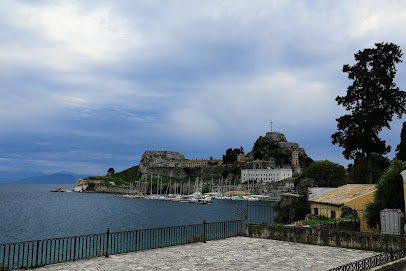
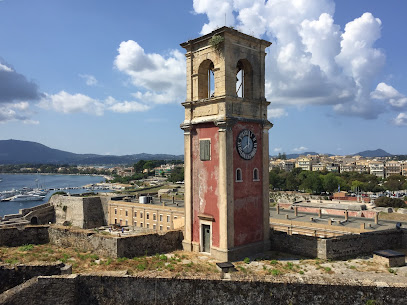
Clock Tower
0.6 km
A historic clock tower in Corfu's Old Fortress, offering panoramic views and a glimpse into the island's Venetian, French, and British past.
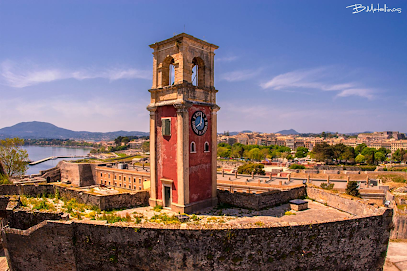
Versiada Circular Tower
0.6 km
Explore the Versiada Circular Tower in Corfu's Old Fortress for panoramic Ionian Sea views and a glimpse into the island's Venetian past.
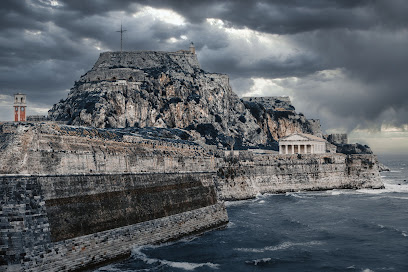
The British Cemetery
0.6 km
Discover a peaceful historical site in Corfu Town, the British Cemetery, with its tranquil gardens and stories etched in stone.
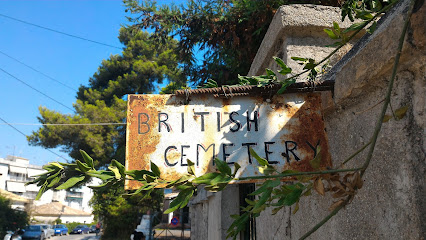
Funeral Monument to Menekrates
0.6 km
Explore the ancient Funeral Monument to Menekrates in Corfu, a captivating landmark offering a glimpse into the island's rich history and culture.
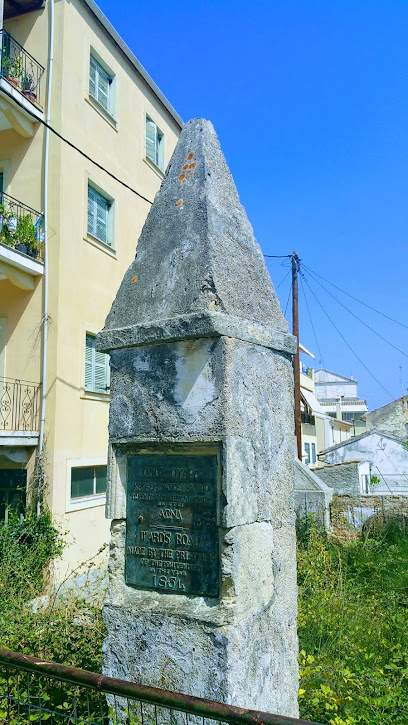
New Fortress
0.6 km
Explore Corfu's New Fortress: a Venetian-era marvel with panoramic views, rich history, and stunning architecture.
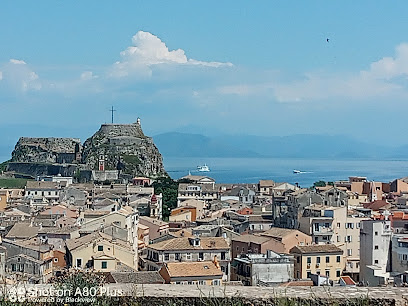
Kampana Fort
0.6 km
Explore Kampana Fort in Corfu's Old Fortress: a historic landmark with stunning views and Venetian ruins.
Unmissable attractions to see

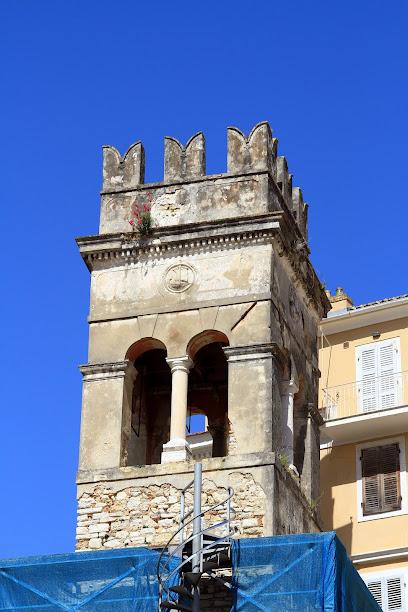
Bell Tower of the Annunziata Church
0.2 km
Explore the captivating Bell Tower of the Annunziata Church in Corfu, a historical landmark rich in culture and stunning architecture.
Maitland Monument
0.2 km
Discover the historical significance of Maitland Monument, a cultural landmark in the heart of Corfu, steeped in rich history and local charm.
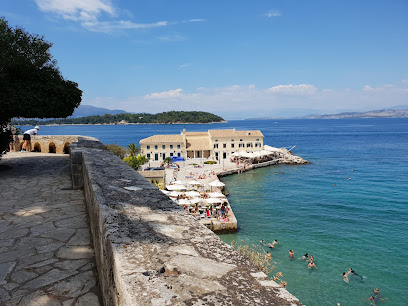
Spianada Square
0.3 km
Experience the charm of Spianada Square, Corfu's largest park, where history, culture, and natural beauty converge for an unforgettable visit.
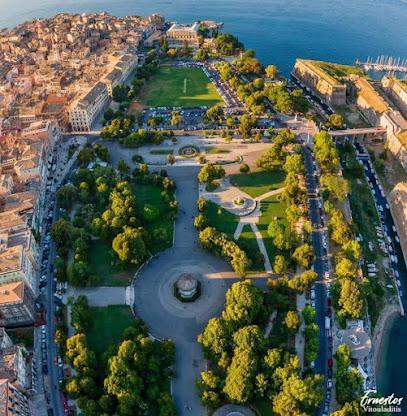
Liston - Eleftherias Street
0.3 km
Experience the enchanting Liston on Eleftherias Street, a cultural gem in Corfu, where Venetian architecture meets vibrant local life and delightful cuisine.
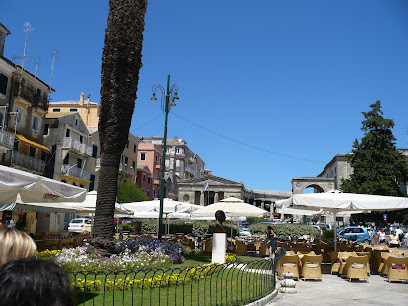
Casa Parlante Museum
0.3 km
Explore the rich history of Corfu at Casa Parlante Museum, where the past comes alive through immersive exhibits and beautiful displays.
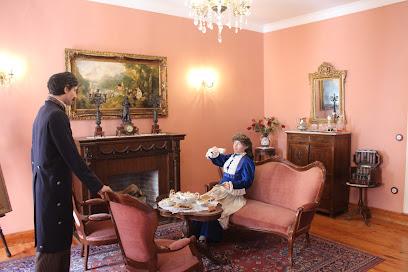
Banknote Museum of the Ionian Bank
0.3 km
Explore the rich history of currency at the Banknote Museum of the Ionian Bank in Corfu, showcasing fascinating banknotes and coins from across Greece.
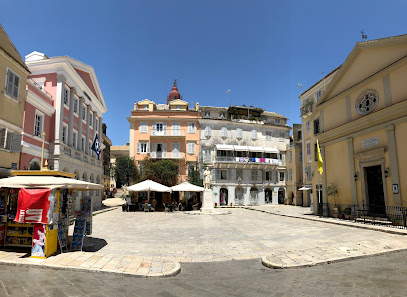
Book My Boat Trip
0.3 km
Explore the enchanting beauty of Corfu through unique boat trips, unveiling stunning coastlines and hidden gems in this Mediterranean paradise.

Plakada t' Agioú Spiridona Square
0.3 km
Experience the captivating charm of Plakada t' Agioú Spiridona Square, a historical landmark in Corfu that embodies the island's rich culture and vibrant community.
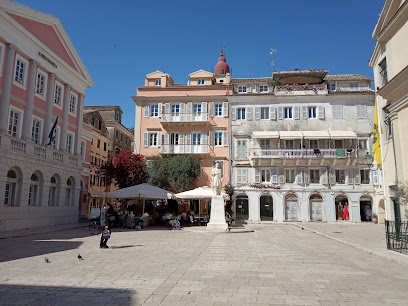
Jewish Synagogue of Corfu
0.3 km
Explore the Jewish Synagogue of Corfu, the last standing synagogue, reflecting the rich heritage and resilience of the island's Jewish community.
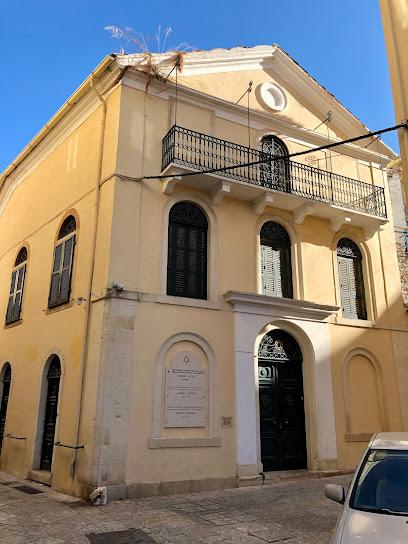
Archaeological Museum of Corfu
0.3 km
Explore the rich history of Corfu at the Archaeological Museum, where ancient artifacts tell the stories of Greece's vibrant past.
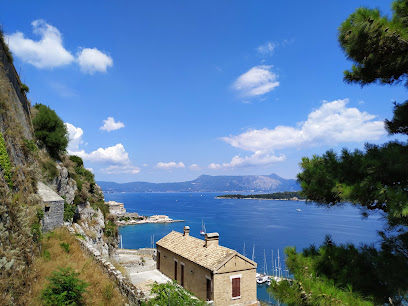
Corfu
0.3 km
Explore the stunning landscapes, rich history, and vibrant culture of Corfu, a captivating Greek island in the Ionian Sea.
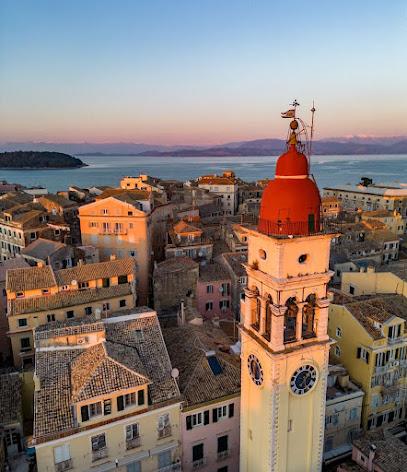
New Venetian Fortress
0.5 km
Explore the breathtaking New Venetian Fortress in Corfu, a historical landmark offering stunning views and rich heritage.
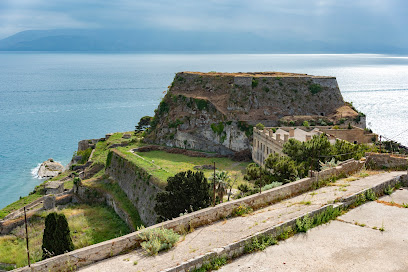
Mayor's Stairway Dock
0.5 km
Experience breathtaking views and local charm at Mayor's Stairway Dock, a picturesque tourist attraction in Corfu, Greece.
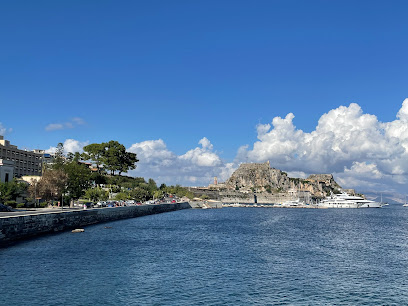
Corfu Museum of Asian Art
0.5 km
Explore the only museum in Greece dedicated to Asian art, showcasing a unique collection of artifacts from across the continent.
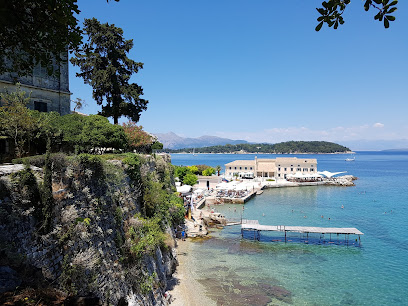
Aussichtspunkt
0.5 km
Discover the captivating beauty of Corfu from Aussichtspunkt, a stunning viewpoint offering breathtaking panoramic views and a peaceful escape into nature.
Essential places to dine

Del Sole
0.1 km
Discover Del Sole in Corfu: where authentic Italian cuisine meets family-friendly hospitality in an enchanting atmosphere.
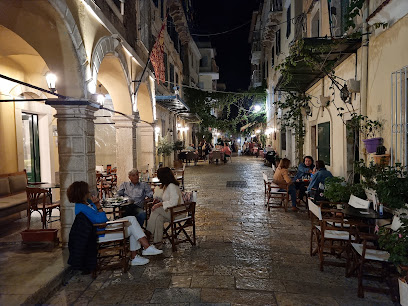
La Cucina - Oenos-Crudo
0.1 km
Experience authentic Italian cuisine with a twist at La Cucina - Oenos-Crudo in Corfu; where tradition meets innovation.
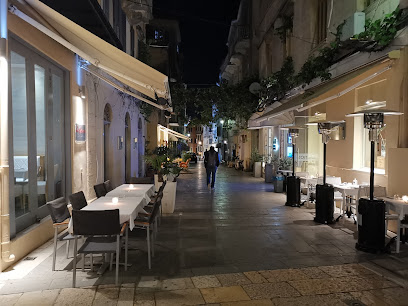
Bougainvillea
0.1 km
Discover Bougainvillea: A Culinary Haven in Corfu Offering Authentic Greek Dishes in an Inviting Atmosphere.
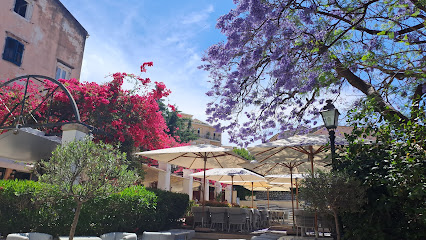
Pomo D'Oro Corfu
0.2 km
Discover exquisite Greek cuisine at Pomo D'Oro Corfu – where tradition meets innovation in a charming setting.
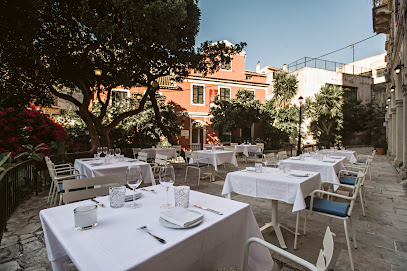
Spianada Meats & Greens
0.2 km
Experience the best of Mediterranean cuisine at Spianada Meats & Greens in Corfu – where flavor meets tradition!
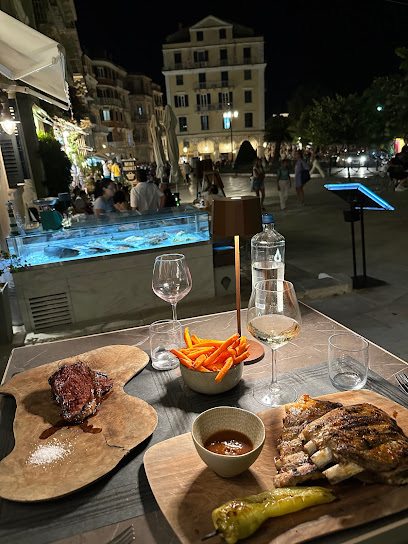
Tavola Calda
0.2 km
Experience authentic Italian flavors at Tavola Calda in Corfu - where every meal is a celebration of taste and tradition.
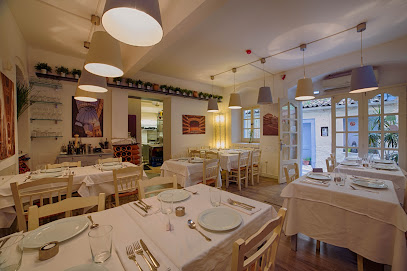
Old Times
0.2 km
Experience authentic Greek cuisine at Old Times in Corfu - where tradition meets flavor in every dish.
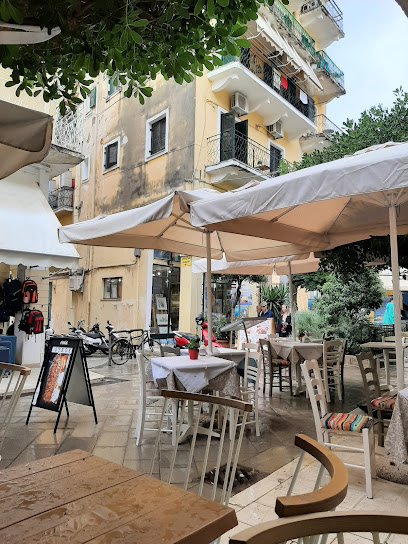
Diporto
0.2 km
Discover Diporto in Corfu - A Culinary Gem Offering Authentic Greek Cuisine in a Cozy Atmosphere.
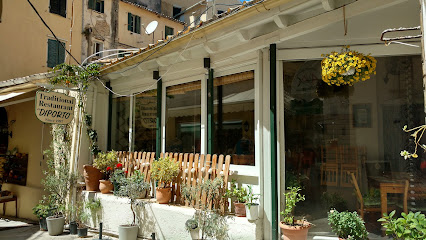
Taverna Ninos
0.3 km
Discover authentic Greek flavors at Taverna Ninos in Corfu - your destination for traditional barbecue delights.
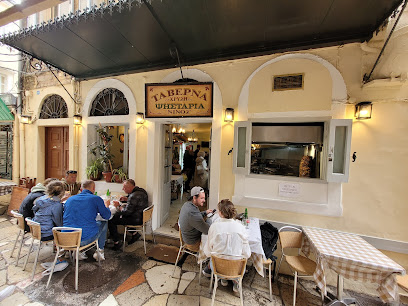
My Habit
0.3 km
Experience the essence of Corfu mornings at My Habit - where delightful breakfasts meet vibrant ambiance.
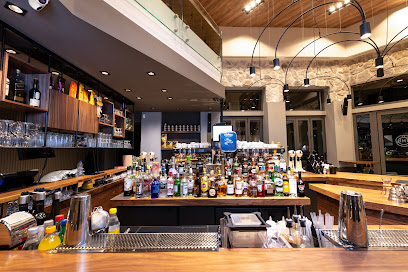
Fishalida
0.3 km
Discover Fishalida: A premier seafood restaurant in Corfu specializing in fresh angler fish dishes amidst charming island ambiance.
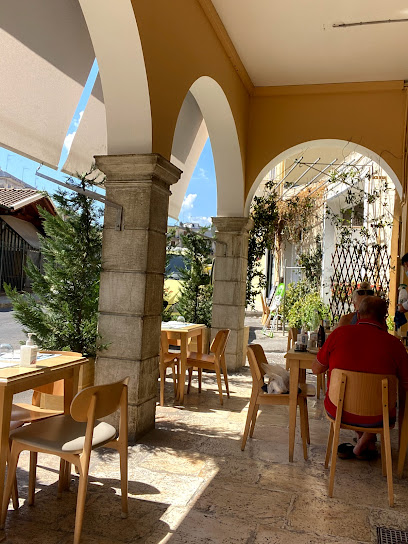
Pergola
0.3 km
Experience the essence of Greek cuisine at Pergola in Corfu—where every meal is a celebration of flavor and tradition.
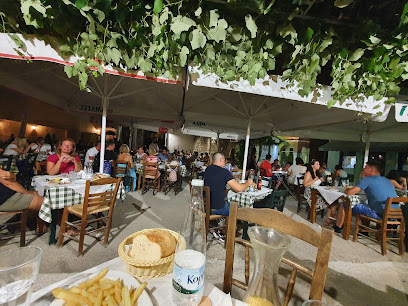
Rex Restaurant
0.3 km
Experience authentic Greek cuisine at Rex Restaurant in Corfu – where tradition meets taste in every dish.
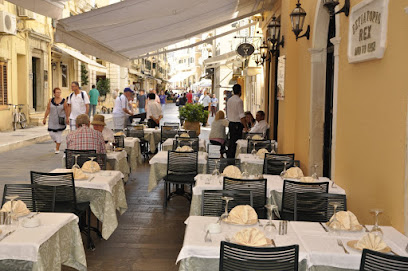
Gondola Restaurant
0.3 km
Discover delicious Greek and international cuisine at Gondola Restaurant in Corfu - where every meal is a flavorful journey.
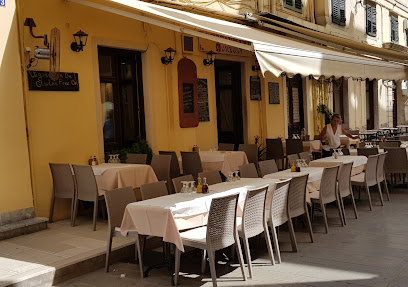
Aegli
0.3 km
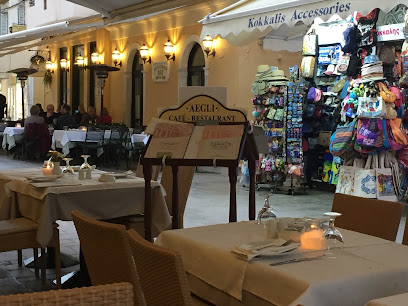
Experience exquisite Greek cuisine at Aegli in Corfu—where stunning views meet culinary artistry.
Markets, malls and hidden boutiques

Handmade by Armeni Antonia
0.1 km
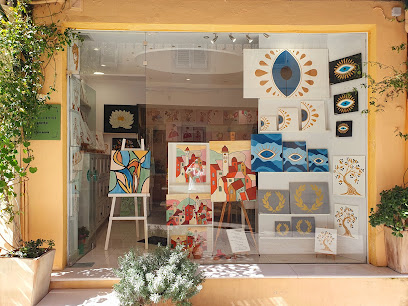
Explore the artistic essence of Corfu at Handmade by Armeni Antonia, a treasure trove of unique handicrafts and captivating art.
Barbara Anti-Kairoi
0.2 km
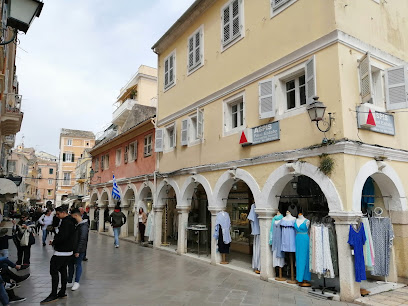
Explore Barbara Anti-Kairoi in Corfu for exquisite fashion accessories and creative scrapbooking supplies, showcasing the best of Greek craftsmanship.
Hashtag Boutique
0.2 km
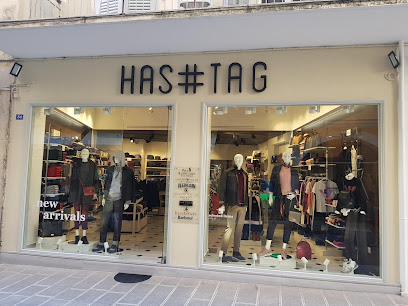
Explore Corfu's vibrant fashion scene at Hashtag Boutique, where unique styles meet local charm for an unforgettable shopping experience.
Sophia
0.2 km
Explore Sophia in Corfu for a unique shopping experience, blending local flair with high-quality fashion at unbeatable prices.
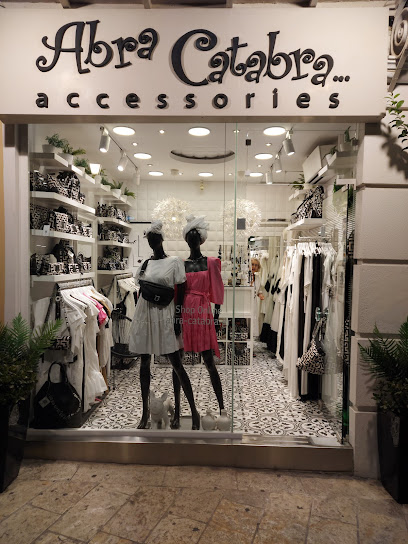
Abra Catabra
0.2 km
Discover unique fashion and local style at Abra Catabra, the premier clothing store in the heart of Corfu.
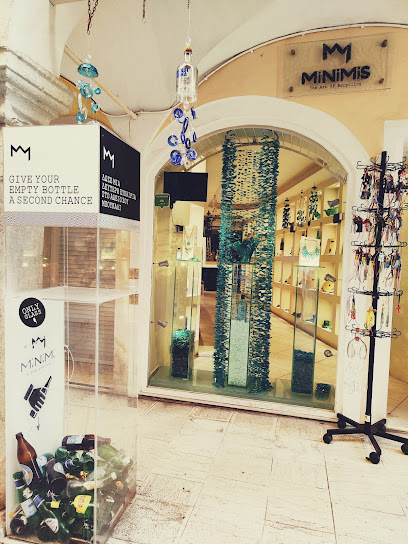
MiNiMiS
0.2 km
Explore MiNiMiS, a unique gift shop in Corfu offering handcrafted jewelry and eco-friendly souvenirs for a memorable shopping experience.
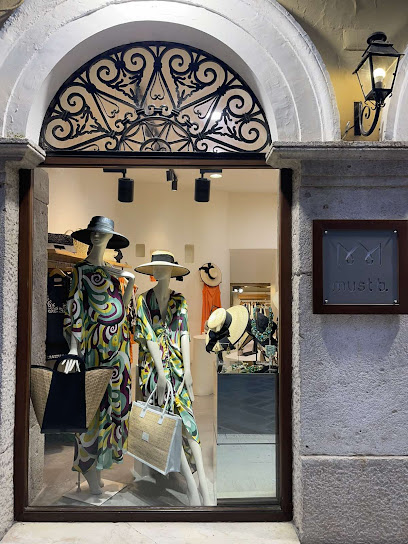
Must b.
0.2 km
Explore Must b. in Corfu for a unique shopping experience featuring chic fashion and accessories that capture the island's vibrant spirit.
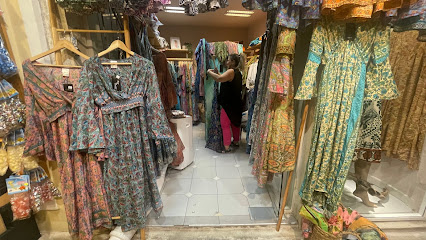
Funky Buddha
0.2 km
Discover the vibrant fashion scene of Corfu at Funky Buddha, offering stylish clothing and accessories for the whole family.
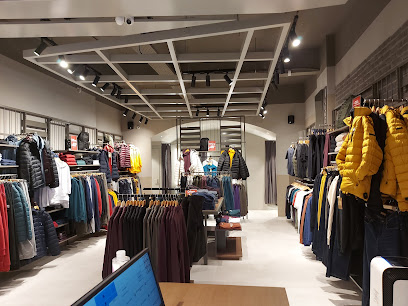
Danae Greek Boutique
0.2 km
Discover unique women's fashion at Danae Greek Boutique in Corfu, where contemporary style meets traditional Greek craftsmanship.
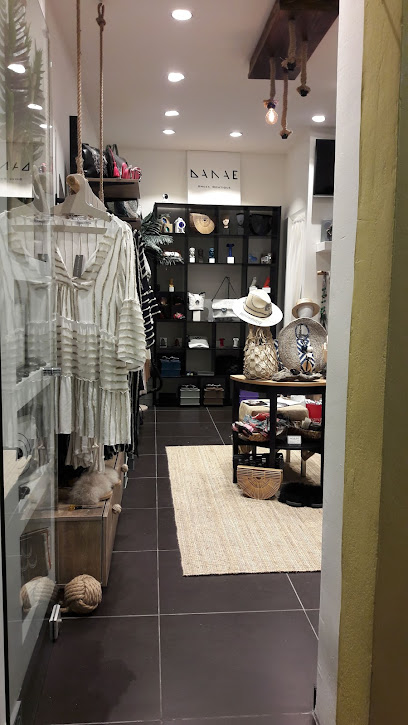
MUSES CORFU
0.3 km
Explore Muses Corfu: A Chic Fashion Accessories Store Offering Unique Styles and Timeless Elegance in the Heart of Corfu.
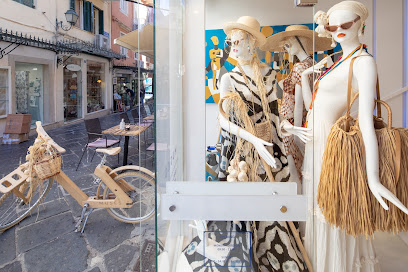
Koryfo - Fashion & Wine Spot
0.3 km
Explore Koryfo - Fashion & Wine Spot in Corfu for a unique shopping experience blending stylish women's fashion and exquisite wines.
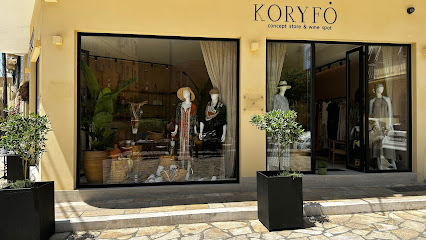
Chic & Chic | Women's Fashion Eshop | CCSHOP.GR
0.3 km
Explore Chic & Chic in Corfu for the latest women's fashion and accessories, blending contemporary style with timeless elegance.
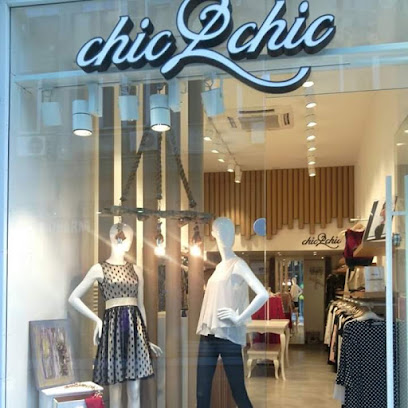
Ex Oriente Lux
0.3 km
Explore Ex Oriente Lux in Corfu for exquisite clothing and unique jewelry that captures the island's spirit and craftsmanship.
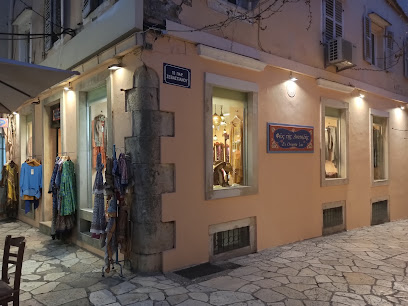
Mezzo Mezzo
0.3 km
Discover the latest trends and unique fashion pieces at Mezzo Mezzo, a stylish women's clothing and accessories store in the heart of Corfu.
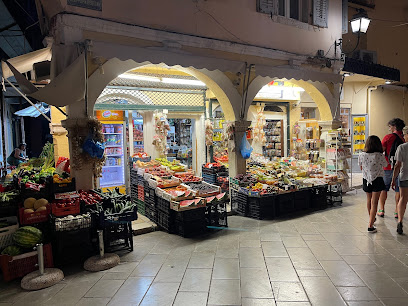
Velvet Corfu - Women's boutique store in Corfu Town
0.3 km
Discover Velvet Corfu, a premier women's boutique in Corfu Town, offering stylish clothing and accessories that blend contemporary fashion with timeless elegance.

Essential bars & hidden hideouts

Cale Larga
0.1 km
Discover the lively ambiance of Cale Larga, a must-visit bar and coffee shop in Corfu offering delightful drinks and snacks in a vibrant setting.
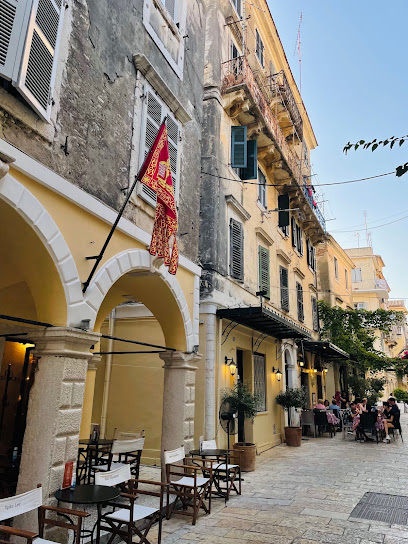
Dell'Acque - Music & more
0.2 km
Experience the vibrant culture of Corfu at Dell'Acque, where music, cocktails, and an inviting atmosphere await you.
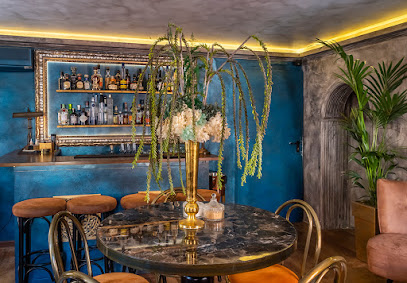
Bristol Café
0.2 km
Experience the vibrant atmosphere of Bristol Café in Corfu, where masterfully crafted cocktails meet an inviting ambiance for unforgettable moments.
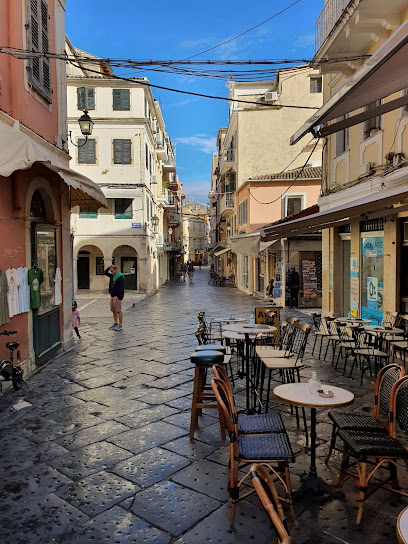
Brofessor Beans & Spirits
0.2 km
Experience the perfect blend of coffee and cocktails at Brofessor Beans & Spirits, Corfu's trendy bar for relaxation and socializing.
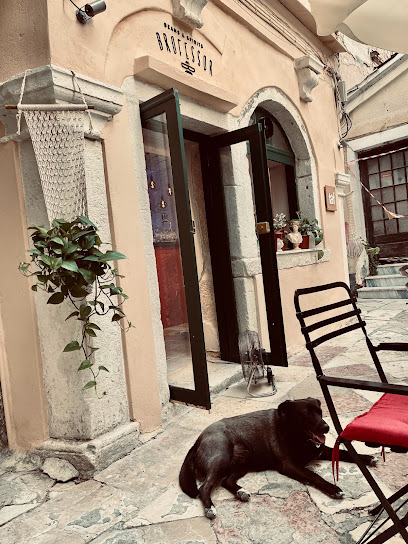
GREC
0.2 km
Discover GREC, the stylish cocktail bar in Corfu, where vibrant ambiance meets exquisite mixology, perfect for an unforgettable night out.
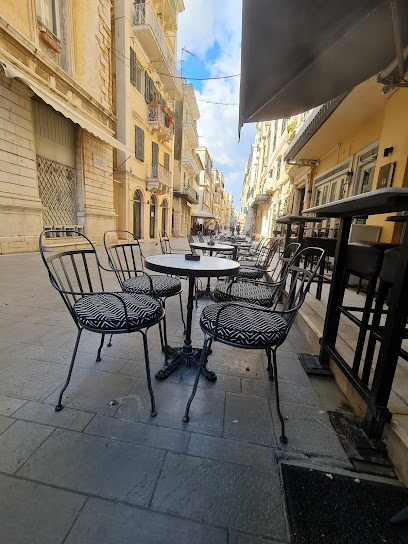
La Boheme
0.3 km
Discover La Boheme, a vibrant bar in Corfu offering a delightful atmosphere, exquisite drinks, and a taste of local culture.
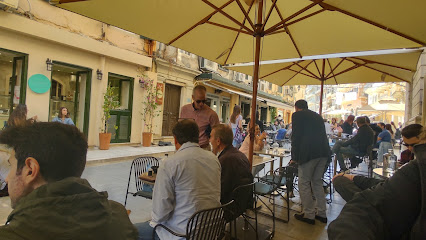
RIVOLI BISTRO-CAFE WINE BAR
0.3 km
Experience the charm of Corfu at Rivoli Bistro-Cafe Wine Bar, where delightful cuisine meets an extensive selection of wines in a cozy atmosphere.
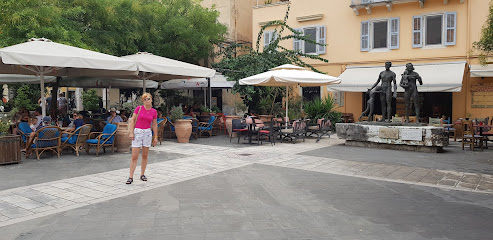
Eraldicon
0.3 km
Discover the vibrant atmosphere of Eraldicon, a charming brewpub in Corfu offering local brews and delicious fare at affordable prices.
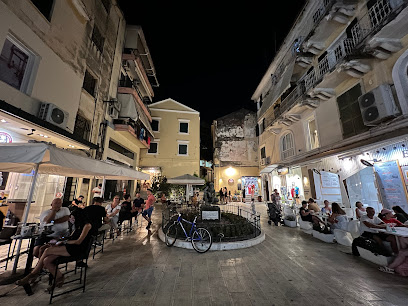
Pecorino Wine Bar
0.4 km
Discover the charm of Pecorino Wine Bar in Corfu, where fine wines and local delicacies create a delightful dining experience.
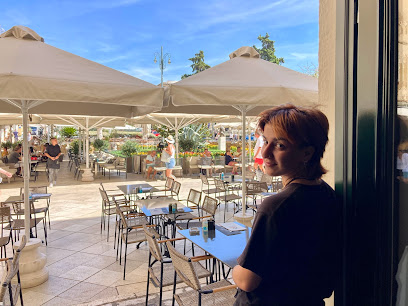
Arthaus Cafe Wine Bar
0.4 km
Discover the enchanting blend of art and fine wines at Arthaus Cafe Wine Bar, a cultural landmark in the heart of Corfu, Greece.
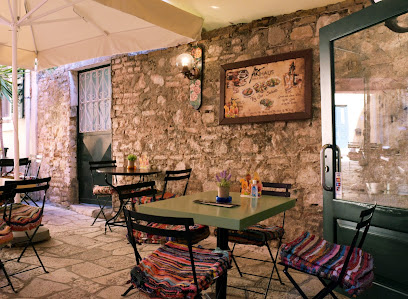
Strada
0.5 km
Discover the vibrant nightlife of Corfu at Strada, where exquisite cocktails and a lively atmosphere await you.
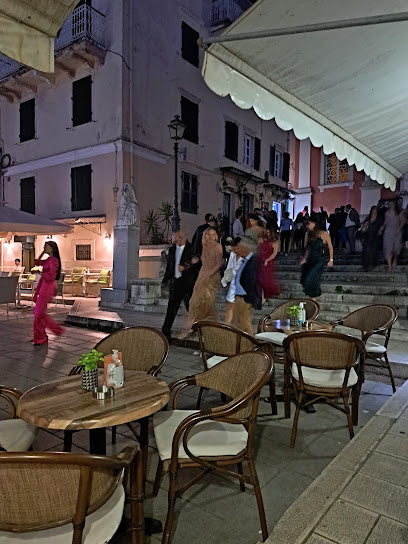
The Bar
0.8 km
Experience the vibrant nightlife at The Bar in Corfu, where exquisite cocktails and lively ambiance create unforgettable evenings.
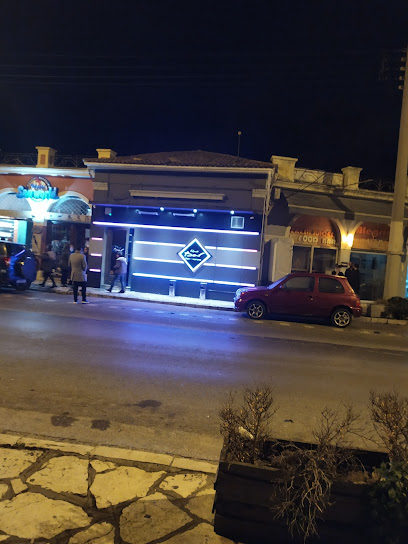
Why Cocktail Bar
2.4 km
Discover the lively nightlife and exquisite cocktails at Why Cocktail Bar in Corfu, a must-visit destination for every traveler.
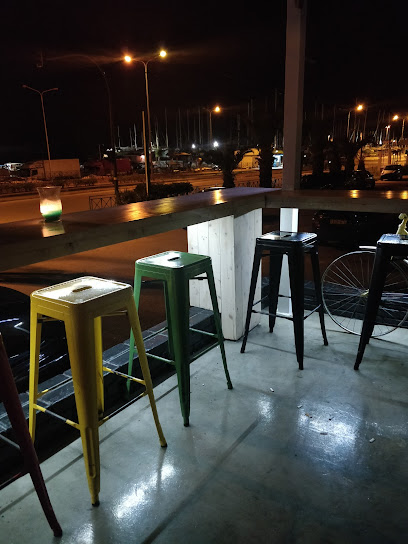
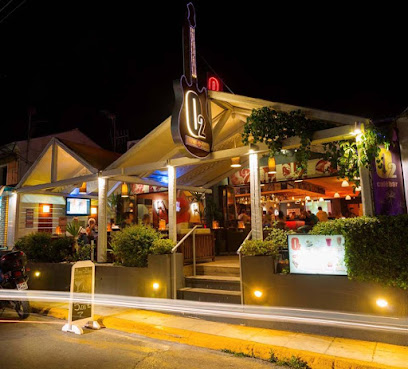
O2 Old School Rock Bar
7.4 km
Discover O2 Old School Rock Bar in Gouvia, a must-visit live music venue for rock enthusiasts and nightlife lovers in Corfu.
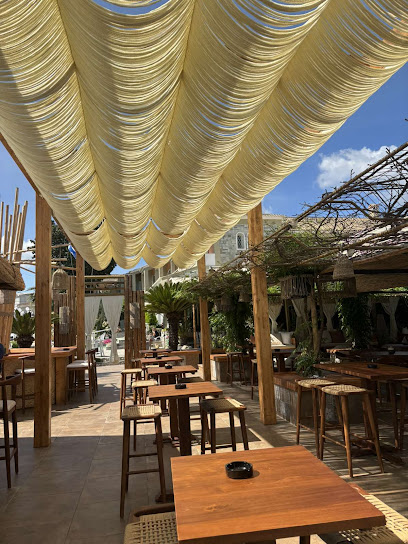
Kaktus Beach Bar | Corfu
7.5 km
Discover Kaktus Beach Bar in Gouvia, Corfu, where delicious grilled cuisine meets stunning sea views in a lively atmosphere.
Nightclubs & after hour spots

BOITE COFFEE BAR
0.2 km
Experience the charm of Boîte Coffee Bar in Corfu, where exceptional coffee meets a cozy atmosphere, ideal for relaxation and socializing.
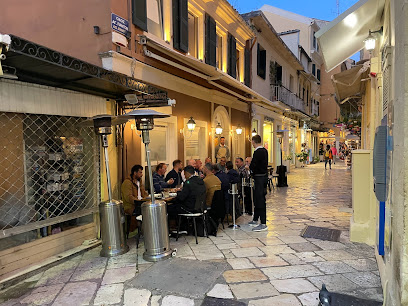
Πολύτεχνο (Polytechno)
0.4 km
Discover the vibrant nightlife at Πολύτεχνο (Polytechno) in Corfu, where unique cocktails and a lively atmosphere await every night.
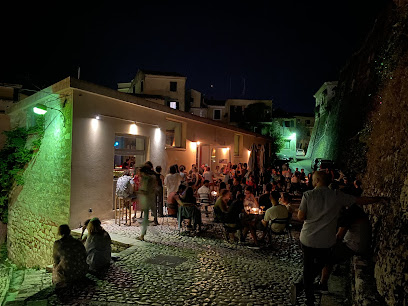
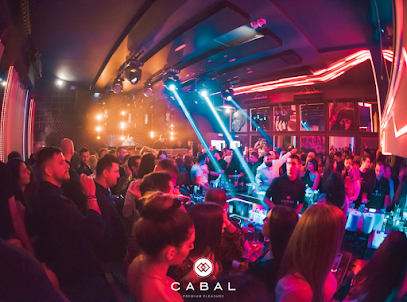
Cabal Club
0.8 km
Experience the vibrant nightlife of Corfu at Cabal Club, the ultimate destination for music lovers and party enthusiasts.
Epic
1.5 km
Discover the vibrant nightlife of Corfu at Epic, where lively ambiance meets exquisite drinks and cultural experiences.
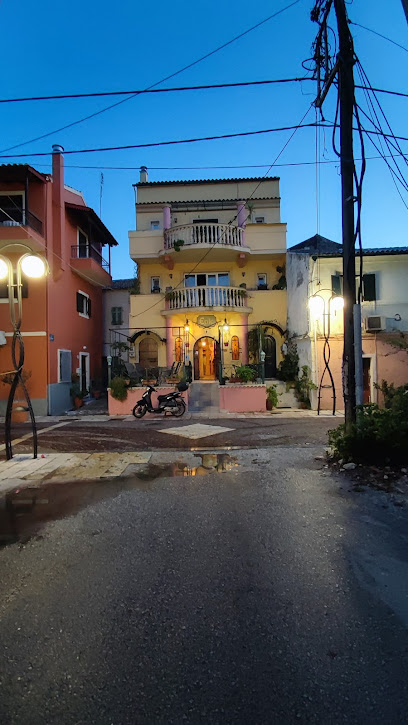
Καρνάγιο Club
2.5 km
Discover the vibrant nightlife of Corfu at Karnagio Club, where music, dance, and unforgettable memories come alive until dawn.
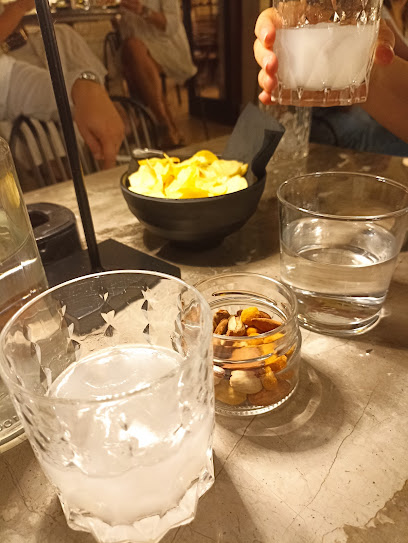
54 Dreamy Nights
2.8 km
Unleash your nightlife spirit at 54 Dreamy Nights, Corfu's vibrant dance club offering an electrifying atmosphere and unforgettable parties.

Elite Luxury Moments
2.8 km
Discover the vibrant nightlife of Corfu at Elite Luxury Moments, a top cocktail bar offering exquisite drinks and a chic ambiance.
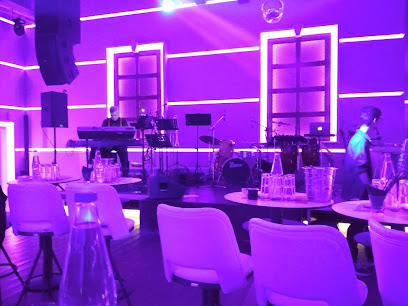
GnMs
6.5 km
Unleash your nightlife adventure at GnMs, the premier bar in Kontokali for cocktails, dancing, and unforgettable memories.
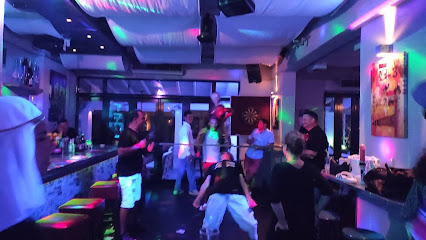
Loco Dance Club
7.7 km
Discover the vibrant nightlife of Gouvia at Loco Dance Club, where electronic beats and a lively atmosphere await every night.

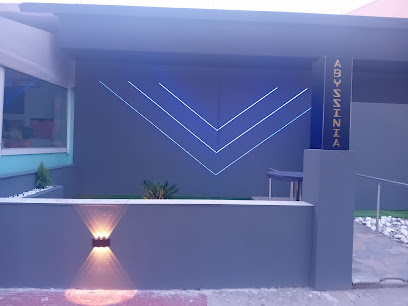
ABYSSINIA STRIP CLUB
8.3 km
Unleash your spirit at Abyssinia Strip Club, a vibrant nightlife destination with electrifying performances and an unforgettable atmosphere.
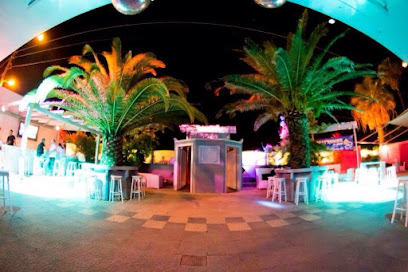
Montecristo Club
11.3 km
Discover the thrilling nightlife at Montecristo Club in Ipsos, a vibrant destination for dancing, cocktails, and unforgettable experiences under the stars.
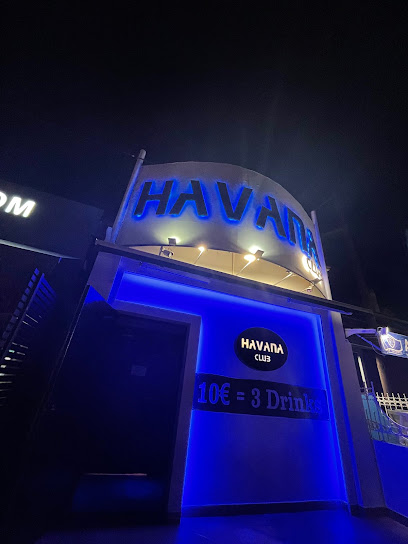
Havana Club Corfu Ipsos
11.3 km
Experience the vibrant nightlife of Corfu at Havana Club Ipsos, where cocktails, dancing, and unforgettable moments await every night.
VIDI VICI
11.4 km
Discover the electrifying nightlife at VIDI VICI, a premier night club in Ipsos, Greece, where music and fun come alive!

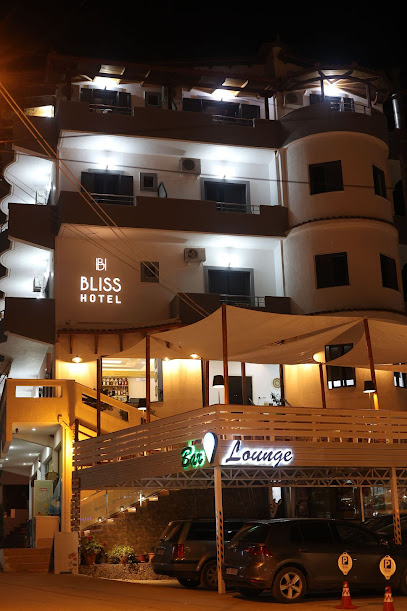
Bliss Lounge Bar
16.9 km
Discover the vibrant atmosphere of Bliss Lounge Bar in Ksamil, Albania, where relaxation meets nightlife with exquisite cocktails and stunning views.
MEDUSA BAR
17.2 km
Discover the vibrant Medusa Bar in Liapades, a top nightlife spot for unforgettable cocktails and lively entertainment under the stars.