

Free Ionian Islands Travel Guide & Mobile App
Explore Ionian Islands with free travel guides. Discover regional history, expert tips, proposed trips, and audio guides on web or mobile app.


Explore Greece's Ionian Islands for Venetian towns, mountain villages, sailing waters, turtle beaches, local food and distinctive western Greek culture.
Read more about Ionian Islands
Getting to and around Ionian Islands
How to get there
Transportation
Destinations in Ionian Islands
Resorts, valleys and scenic spots worth a trip of their own.

Swipe for more destinations
Best attractions in Ionian Islands
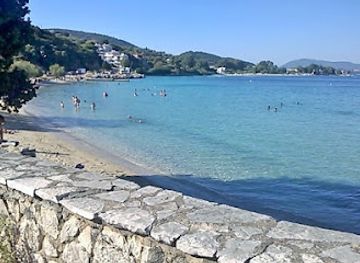
The Ionian Islands offer a varied collection of coastal, historic and outdoor attractions spread across several distinct islands. Corfu's principal draw is its Old Town, where Venetian fortifications, churches, arcades and museums create a dense urban heritage experience, complemented by beaches and wooded northern landscapes. Kefalonia combines mountain villages, monasteries, vineyards and beaches with natural sites such as Melissani Cave and the underground lake system near Sami. Zakynthos is associated with the marine environment of Laganas Bay, where carefully managed excursions can reveal the habitat of loggerhead turtles, as well as sea caves and limestone headlands. Lefkada is well suited to sailing, wind sports and coastal exploration, while Ithaca offers quieter walking routes, small harbours and landscapes connected with Homeric tradition. Paxos and nearby Antipaxos are particularly suited to swimming, boat trips and slow-paced exploration. Across the region, activities range from diving and kayaking to hiking through olive groves, though access rules and seasonal conditions vary considerably.
-
Tourist attraction
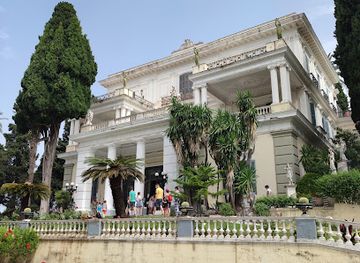
The Achilleion Palace
Experience the grandeur of the Achilleion Palace in Corfu, where history and breathtaking views blend seamlessly amidst royal elegance.
-
Tourist attraction
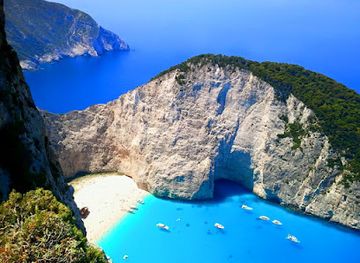
Port of Zakynthos
Discover the vibrant Port of Zakynthos, a lively hub offering stunning views, local culture, and access to Greece's breathtaking island adventures.
-
Tourist attraction
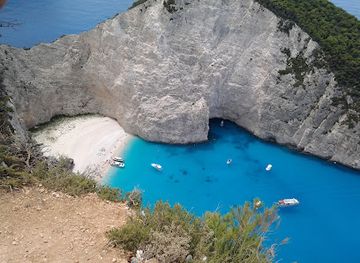
Solomos Square
Discover the charm of Solomos Square in Zakynthos, where history, culture, and vibrant local life blend seamlessly for an unforgettable experience.
-
Tourist attraction
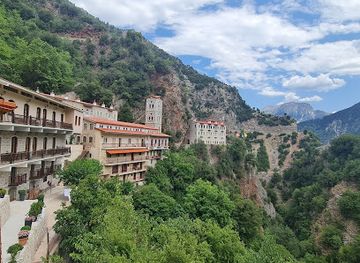
Holy Monastery of Prousos - Panagia Prousiotissa
Discover the Holy Monastery of Prousos, a serene oasis of spirituality and stunning views nestled in the heart of Greece's mountains.
Best landmarks in Ionian Islands
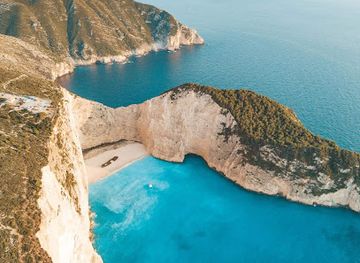
Corfu's Old Fortress and New Fortress are the most imposing reminders of the island's strategic Venetian and later military history, while the Liston arcade and surrounding Old Town express its later European civic character. The Palace of St Michael and St George, built during the British period, is another important urban landmark. On Kefalonia, the Monastery of Saint Gerasimos is a major religious site, and the rugged limestone slopes around Mount Ainos form a dominant natural feature. Melissani Cave near Sami, with its partly open roof and subterranean lake, is one of the island's most recognisable geological sites. Zakynthos is marked by its broad Bay of Laganas, protected nesting beaches and pale limestone coast, while the Venetian Castle above Zakynthos Town recalls the island's strategic past despite the destruction caused by earthquakes. Lefkada's western cliffs and Cape Lefkatas provide a dramatic geographical landmark, and Ithaca's sheltered bays, wooded ridges and traditional port settlements give the island a strong visual identity rooted in maritime and literary history.
-
Fortress
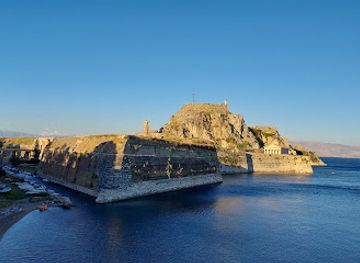
Old Fortress of Corfu
Explore Corfu's iconic Old Fortress: a historic Venetian stronghold with stunning views and captivating stories.
-
Island
Lefkada
Discover Lefkada: Greece's accessible island paradise with stunning beaches, charming villages, and a vibrant Ionian culture.
-
Island
Zakynthos
Discover Zakynthos: Iconic beaches, turquoise waters, Caretta turtles, and vibrant culture await on this Ionian paradise.
-
Fortress
Byzantine Fortress of Gardiki
Explore Corfu's medieval past at the Byzantine Fortress of Gardiki, a remarkably preserved castle with stunning views and rich history.

Explore Ionian Islands on the map
Plan your trip on one map. See where the top cities, national parks and sights are, and book hotels and experiences in a few clicks.
Best hotels in Ionian Islands
Best restaurants in Ionian Islands
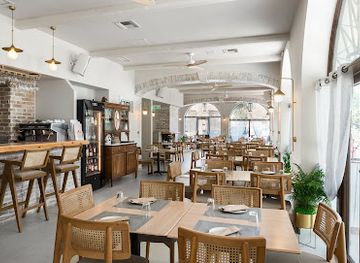
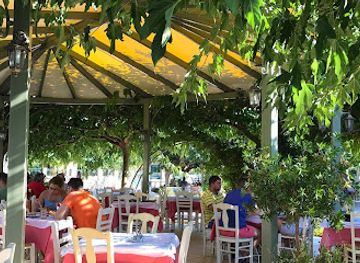
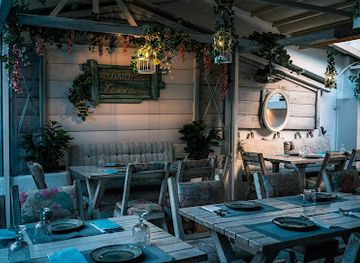
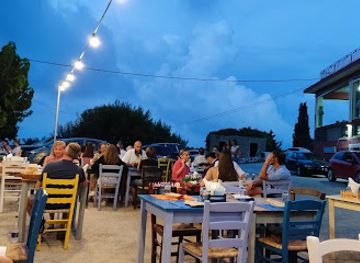
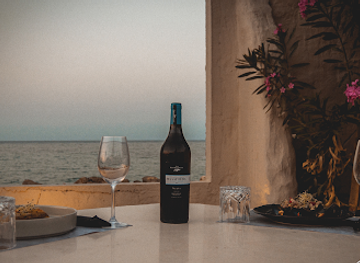
Ionian cooking reflects Greek foundations with noticeable Venetian and Italian influence. Olive oil, garlic, herbs, tomatoes, fresh vegetables, fish and seafood appear widely, while local menus may include dishes such as sofrito and pastitsada in Corfu, bourdeto in parts of the northern islands, and meat, cheese or vegetable specialities adapted to each island's household tradition. Kefalonia is known for local wines, including Robola, and many islands produce honey, olive oil and regional cheeses. Zakynthos has its own dishes and sweets, while Lefkada and Ithaca combine seafood with produce from small farms. Waterfront tavernas are common in harbours and resorts, but village restaurants and family-run establishments often provide a broader sense of everyday cooking. Bakeries, cafés and market stalls are useful for pies, bread, fruit and simple breakfasts. In larger towns, contemporary Greek restaurants and international dining sit alongside traditional tavernas, while the best food choices often depend on seasonal catch and locally available produce rather than a fixed menu.
-
Greek
Avli Restaurant Corfu
Experience authentic Greek flavors at Avli Restaurant in Corfu – where tradition meets taste amidst stunning scenery.
-
Restaurant
Alexandros Restaurant Grill
Discover delectable Greek cuisine in Myrtos at Alexandros Restaurant Grill - where tradition meets flavor.
-
Restaurant
Yard of Taste
Experience authentic Greek cuisine in Zakinthos at Yard of Taste, where every dish tells a story of flavor and tradition.
-
Restaurant
Ladokolla stin Plagia
Discover authentic Greek flavors at Ladokolla stin Plagia in Lixouri – where local ingredients meet culinary artistry.
Best bars in Ionian Islands
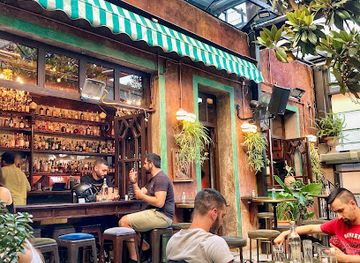
Evening life differs sharply between the islands. Corfu Town has the broadest urban choice, with traditional cafés, wine and cocktail bars, music venues and late-night establishments around the historic centre and surrounding districts. Popular resorts on Corfu, Zakynthos and Kefalonia develop a more seasonal nightlife scene, ranging from waterfront bars and live music to clubs that operate mainly during the summer high season. Zakynthos has a particularly concentrated resort-based party culture in parts of the southeast, whereas other parts of the island are oriented towards tavernas and quieter evenings. Lefkada Town and Argostoli provide sociable harbour-side dining and bars without the scale of a major city. On Ithaca and Paxos, nightlife is generally low-key, centred on port cafés, small bars, restaurants and late conversations rather than large clubs. Local wineries and craft drinks are increasingly visible, but opening patterns and entertainment listings change frequently, so check locally rather than relying on out-of-date schedules.
-
Cocktail bar
Upupa Epops
Discover Upupa Epops, an exceptional cocktail bar in Athens, where creativity meets comfort in a vibrant atmosphere.
-
Cocktail bar
Abbey
Experience the essence of nightlife at Abbey Cocktail Bar in Patras, where exceptional drinks, delightful cuisine, and vibrant energy converge.
-
Bar
Blue Island Bar, Monolithi
Experience the vibrant atmosphere and stunning views at Blue Island Bar, Monolithi – the perfect spot to unwind in Preveza.
-
Bar
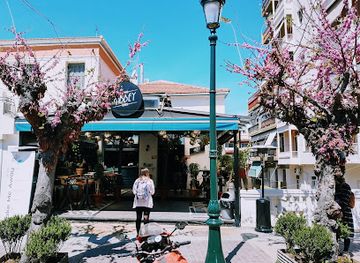
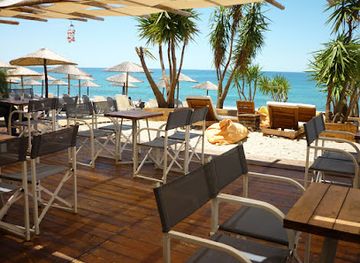
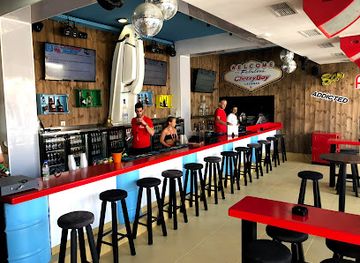
CherryBay Zante
Discover the exhilarating nightlife at CherryBay Zante, a premier bar and disco club in Laganas, offering stunning cocktails and electrifying events.
Best nightclubs in Ionian Islands
Evening life differs sharply between the islands. Corfu Town has the broadest urban choice, with traditional cafés, wine and cocktail bars, music venues and late-night establishments around the historic centre and surrounding districts. Popular resorts on Corfu, Zakynthos and Kefalonia develop a more seasonal nightlife scene, ranging from waterfront bars and live music to clubs that operate mainly during the summer high season. Zakynthos has a particularly concentrated resort-based party culture in parts of the southeast, whereas other parts of the island are oriented towards tavernas and quieter evenings. Lefkada Town and Argostoli provide sociable harbour-side dining and bars without the scale of a major city. On Ithaca and Paxos, nightlife is generally low-key, centred on port cafés, small bars, restaurants and late conversations rather than large clubs. Local wineries and craft drinks are increasingly visible, but opening patterns and entertainment listings change frequently, so check locally rather than relying on out-of-date schedules.
-
Disco club
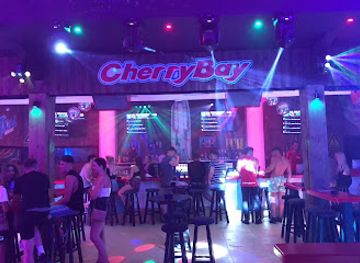
CherryBay Zante
Dive into the electrifying nightlife at CherryBay Zante, Laganas' top disco club known for its vibrant atmosphere and delicious cocktails.
-
Night club
Centro club
Discover the electrifying nightlife of Nidri at Centro Club, where great music and unforgettable experiences await in the heart of Lefkada.
-
Night club
54 Dreamy Nights
Discover the vibrant nightlife of Corfu at 54 Dreamy Nights, where music, dancing, and fun combine for an unforgettable night out.
-
Night club
Cebu
Explore Cebu's electrifying nightlife with vibrant bars, nightclubs, and authentic Japanese dining options for an unforgettable evening.


Best shops in Ionian Islands
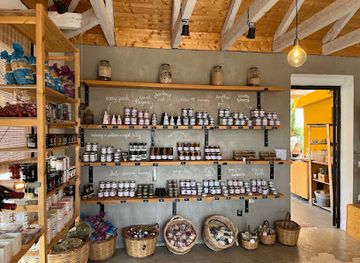
Shopping in the Ionian Islands is shaped more by local produce, crafts and small-town streets than by large retail centres. Corfu Town has the widest selection, including independent shops, galleries, leather goods, ceramics, jewellery, books and food shops around the historic centre. Across the islands, look for olive oil, herbs, honey, wines, traditional sweets, cheeses and local preserves, checking labels for origin rather than assuming every product is island-made. Lefkada, Argostoli, Zakynthos Town, Corfu Town and the main ports of Ithaca and Paxos offer practical shopping alongside tourist-oriented souvenirs. Village shops may stock woven goods, pottery and handmade items, while small galleries often display paintings or crafts inspired by the sea and landscape. Markets and produce stalls vary by place and season, so everyday food shopping can be as informative as browsing souvenir shops. Avoid removing archaeological objects, shells from protected areas or plants from the countryside, and favour responsibly made products over generic imports when seeking a lasting reminder of the islands.
-
Outlet mall
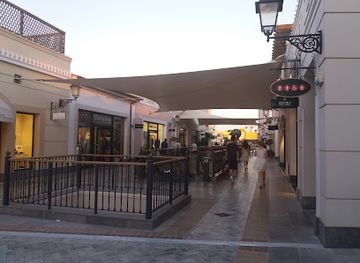
Designer Outlet Athens
Shop at Designer Outlet Athens for exclusive discounts on top brands in a beautiful, family-friendly shopping environment.
-
Market
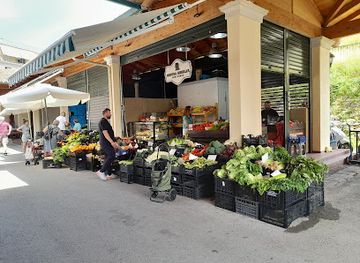
Corfu Central Market
Explore the vibrant atmosphere of Corfu Central Market, where local culture, fresh produce, and authentic flavors come together in a delightful experience.
-
Coffee shop
myrtillo
Discover Myrtillo, the charming coffee shop in Divarata, Greece, where local flavors meet warm hospitality in a cozy atmosphere.
-
Shoe store
Corfu Sandals
Explore the essence of Greek craftsmanship at Corfu Sandals, where stylish comfort meets traditional artistry in the heart of Corfu.
Get your free copy of our complete guide to Ionian Islands, delivered straight to you.
Everything on this page, from attractions and restaurants to essentials and local phrases, in one PDF you can read offline, print or share.
Already have an account? Sign in
Your Ionian Islands guide is ready.
We'll send it to · Not you? Sign out

Getting your guide ready…
We are putting together a fresh copy of the Ionian Islands guide. This can take up to a minute.
This can take a few moments. If your browser asks, choose Allow so the download can start. You'll find the guide in your Downloads folder.
Nothing happened? Download it again
Sorry, the guide is taking longer than usual. Please try again in a minute, or get it by email instead.
Ionian Islands essentials
Currency and Payment
Safety
Emergency Situations
Do's and Don'ts
Local Tips
From Eve
Local phrases worth knowing
You don't need to get them perfect. A few words go a long way, and locals appreciate the effort.
Basics
| English | Local | Say it |
|---|---|---|
| Hello | Γειά σου | [Yia sou] |
| Goodbye | Αντίο | [Adio] |
| Yes | Ναι | [Ne] |
| No | Όχι | [Ochi] |
| Please/You're welcome | Παρακαλώ | [Parakalo] |
| Thank you | Ευχαριστώ | [Efharisto] |
| Excuse me/Sorry | Συγγνώμη | [Signomi] |
| How are you? | Πώς είσαι; | [Pos ise?] |
| Fine. And you? | Καλά. Εσύ; | [Kala. Esy?] |
| Do you speak English? | Μιλάς Αγγλικά; | [Milas Anglika?] |
| I don't understand | Δεν καταλαβαίνω | [Den katalaveno] |
Eating & Drinking
| English | Local | Say it |
|---|---|---|
| I'd like to see the menu, please | Θα ήθελα να δω το μενού, παρακαλώ | [Tha ithela na do to menu, parakalo] |
| I don't eat meat | Δεν τρώω κρέας | [Den troo kreas] |
| Cheers! | Στην υγειά μας! | [Stin ygeia mas!] |
| I would like to pay, please | Θα ήθελα να πληρώσω, παρακαλώ | [Tha ithela na pliroso, parakalo] |
Emergencies
| English | Local | Say it |
|---|---|---|
| Help! | Βοήθεια! | [Voitheia!] |
| Go away! | Φύγε! | [Fyge!] |
| Call the Police! | Καλέστε την Αστυνομία! | [Kaleste tin Astynomia!] |
| Call a doctor! | Καλέστε έναν γιατρό! | [Kaleste enan giatro!] |
| I'm lost | Έχω χαθεί | [Echo chathei] |
| I'm ill | Είμαι άρρωστος/η | [Eimai arrostos/i] |
Shopping
| English | Local | Say it |
|---|---|---|
| I'd like to buy... | Θα ήθελα να αγοράσω... | [Tha ithela na agoraso...] |
| I'm just looking | Απλά κοιτάω | [Apla kitao] |
| How much is it? | Πόσο κοστίζει; | [Poso kostizei?] |
| That's too expensive | Είναι πολύ ακριβό | [Ine poli akrivo] |
| Can you lower the price? | Μπορείς να κατεβάσεις την τιμή; | [Boreis na katevaseis tin timi?] |
Time & Numbers
| English | Local | Say it |
|---|---|---|
| What time is it? | Τι ώρα είναι; | [Ti hora ine?] |
| It's one o'clock | Είναι μία | [Ine mia] |
| Half past (10) | Δέκα και μισή | [Deka ke misi] |
| Morning | Πρωί | [Proi] |
| Afternoon | Απόγευμα | [Apogeuma] |
| Evening | Βράδυ | [Vrady] |
| Yesterday | Χθες | [Chthes] |
| Today | Σήμερα | [Simera] |
| Tomorrow | Αύριο | [Avrio] |
| 1 | 1 | [1] |
| 2 | 2 | [2] |
| 3 | 3 | [3] |
| 4 | 4 | [4] |
| 5 | 5 | [5] |
| 6 | 6 | [6] |
| 7 | 7 | [7] |
| 8 | 8 | [8] |
| 9 | 9 | [9] |
| 10 | 10 | [10] |
Transport & Directions
| English | Local | Say it |
|---|---|---|
| Where's a/the...? | Πού είναι το...; | [Pou ine to...?] |
| What's the address? | Ποια είναι η διεύθυνση; | [Poia ine i diefthinsi?] |
| Can you show me (on the map)? | Μπορείς να μου δείξεις (στο χάρτη); | [Boreis na mou deixeis (sto charti)?] |
| When's the next (bus)? | Πότε είναι το επόμενο (λεωφορείο); | [Pote ine to epomeno (leoforio)?] |
| A ticket (to ....) | Ένα εισιτήριο (για ...) | [Ena isitirio (gia ...)] |
History of Ionian Islands
Prehistoric and Mycenaean Seafaring
The Ionian Islands have been inhabited since prehistoric times, with archaeological evidence recording farming, fishing and maritime exchange across the western Greek world. Kefalonia, Ithaca, Lefkada and Zakynthos all feature in the wider cultural landscape of the Bronze Age Aegean and the Mycenaean period, although the exact relationship between archaeological remains and later Homeric traditions remains debated. Their position between mainland Greece, Italy and the Adriatic encouraged movement of people and goods long before the islands became Venetian possessions. Ancient settlements, cemeteries and artefacts reveal societies connected to wider networks rather than isolated island communities.
Classical Greek and Roman Rule
During classical antiquity the islands were linked to the political world of the Greek city-states, with Corfu, known in antiquity as Corcyra, playing a particularly important role. Its conflicts with Corinth helped form part of the background to the wider tensions preceding the Peloponnesian War. The islands later came under Macedonian and Roman influence. Roman control integrated them into imperial trade and administration, while ports and agricultural production supported maritime links across the Adriatic. Roman remains and later archaeological layers demonstrate the continuing importance of the islands as a western gateway to Greece.
Medieval Powers and the Despotate of Epirus
After the weakening of the Byzantine Empire, the Ionian Islands passed through periods of Byzantine, Norman, Angevin and Epirote influence. Following the Fourth Crusade in 1204, parts of the islands were associated with the Despotate of Epirus and later with western European ruling houses. Fortifications became increasingly important as rival powers competed for ports and sea routes. The medieval period established political and architectural connections with the western Balkans and Italy, helping to distinguish the Ionian Islands from territories more directly shaped by Ottoman rule.
Venetian Rule and Western Greek Culture
Venice gradually established control over most of the Ionian Islands, retaining Corfu until the end of the eighteenth century and holding other islands for varying periods. Venetian rule influenced administration, architecture, agriculture, language and cuisine, while fortresses guarded harbours against Ottoman attacks and privateers. Corfu's Old Fortress, New Fortress and urban streetscape are especially visible legacies of this era. The islands remained predominantly Greek-speaking and Orthodox, but their prolonged western orientation produced a cultural blend of Greek traditions, Catholic and Venetian institutions, Italianate architecture and maritime commerce.
French, Russo-Ottoman and Septinsular Rule
The fall of the Venetian Republic in 1797 brought rapid political change. French forces arrived first, followed by a Russo-Ottoman arrangement that created the Septinsular Republic in 1800, an autonomous state under Ottoman sovereignty and Russian protection. Although short-lived, it was an important experiment in modern island self-government. The islands then came under French and British influence, and the British established the United States of the Ionian Islands in 1815. Roads, public buildings and administrative institutions from the British period remain particularly evident in Corfu and elsewhere.
Union with Greece and the Modern Era
The Ionian Islands were united with the Kingdom of Greece in 1864, marking a major political transformation after decades of western European administration. Their history since then has included emigration, agricultural change, tourism and repeated natural disasters. The earthquakes of 1953 devastated much of Kefalonia, Zakynthos and Ithaca, prompting extensive rebuilding and shaping the modern appearance of many settlements. Corfu developed a strong international tourism economy, while other islands combined tourism with farming, fishing, sailing and local commerce. Conservation of historic centres and coastal habitats is now central to the region's identity.
Ionian Islands in Photos
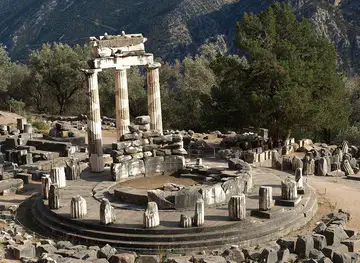
Browse through our photo collection highlighting the charm and character of the destination.
Neighbouring regions of Ionian Islands
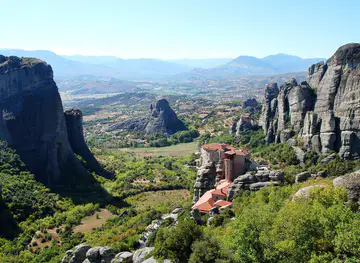
The closest regions to Ionian Islands, if you have time for more than one.
-
-

-
-

-


Swipe for more regions
Explore more
Explore more of Greece
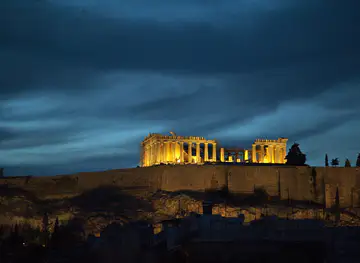
Discover Greece: A land where ancient history meets modern vibrancy, offering stunning islands, crystal-clear seas, and unforgettable cultural experiences.
Explore Greece