

Philippi, Kavala Travel Guide
Free Guide: Explore Philippi: Where ancient Macedonia meets Roman grandeur and early Christianity, a UNESCO World Heritage Site in northern Greece.


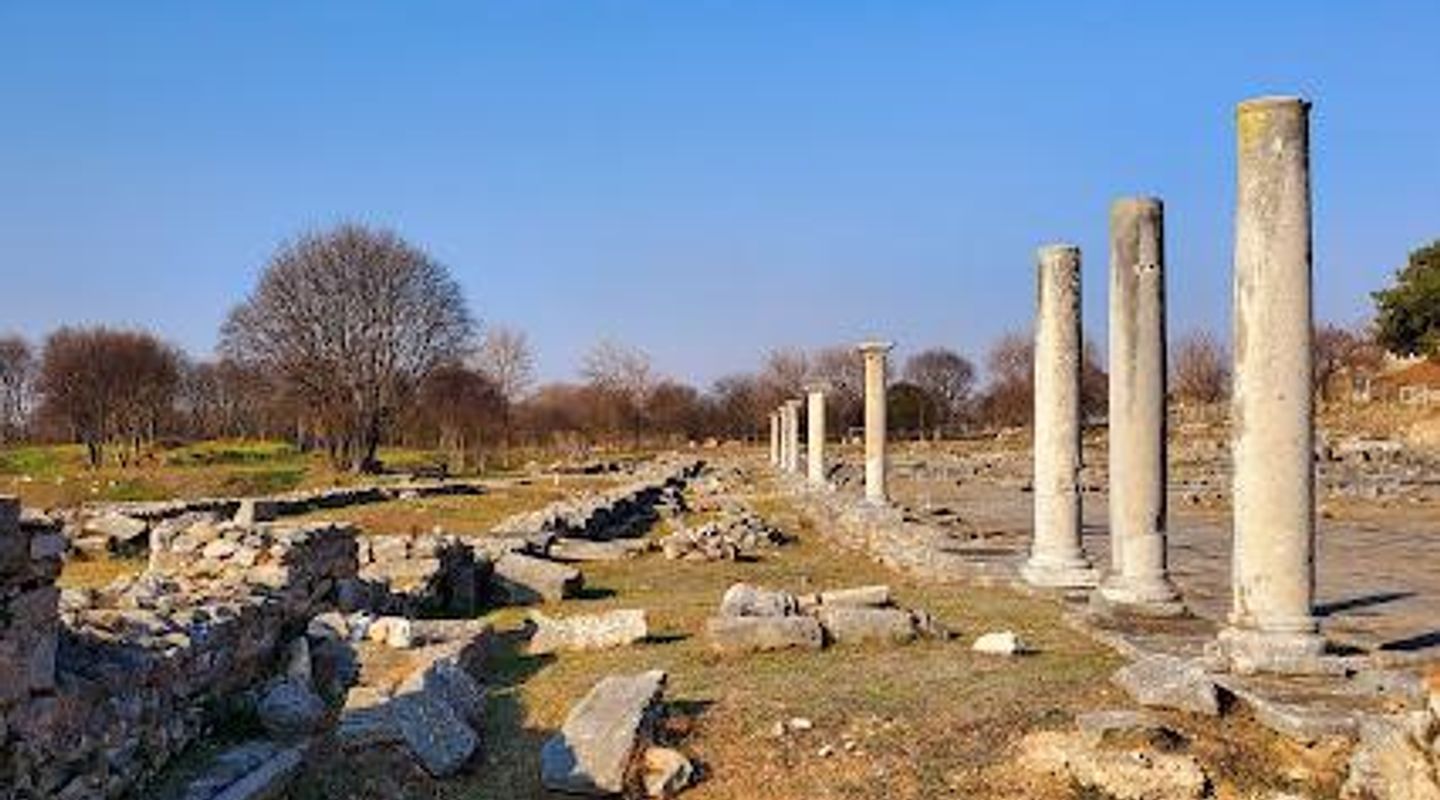
A brief summary of Philippi
Explore Philippi: Where ancient Macedonia meets Roman grandeur and early Christianity, a UNESCO World Heritage Site in northern Greece.
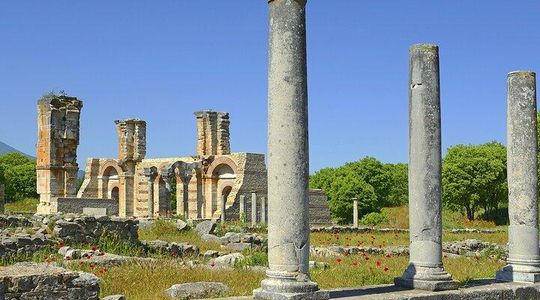
Explore the UNESCO World Heritage Site of Philippi, a city founded by Philip II of Macedon, which later became a significant Roman colony and an early center of Christianity in Europe. Discover its Hellenistic theater, Roman Forum, basilicas, and the prison of St. Paul, all set amidst the rolling hills of Eastern Macedonia.
- Address
- Filippi 640 03
Getting there
Bus
Taxi
Driving
Discover more about Philippi
Overview
The archaeological site of Philippi, located in Eastern Macedonia, Greece, offers a captivating journey through time, revealing layers of Hellenistic, Roman, and early Christian history. Originally named Krinides by Thassian colonists in 360/359 BC, the city was later fortified and renamed Philippi by Philip II of Macedon in 356 BC. Its strategic location along the Via Egnatia, a major Roman road connecting Europe and Asia, contributed to its growth as a vital commercial and military center.Under Roman rule, Philippi flourished, especially after the Battle of Philippi in 42 BC, when it became a Roman colony. The city's transformation included the construction of a Roman Forum, temples, and other public buildings. The impressive Hellenistic theater, initially built by Philip II, was redesigned by the Romans for various performances and events. Today, it hosts the Philippi Festival each summer.Philippi holds immense significance in Christian history as the first European city to embrace Christianity. The Apostle Paul visited in 49-50 AD, establishing the first Christian church in Europe and baptizing Lydia, a merchant woman, who became the first European Christian convert. The ruins of several early Christian basilicas, including Basilica A, Basilica B, and the Octagonal Church, stand as testaments to the city's importance in the spread of Christianity. Despite its prosperity, Philippi was gradually abandoned due to earthquakes and Slavic raids, especially in the 7th century AD, and after the Turkish conquest in the late 14th century, it was completely abandoned. Today, ongoing archaeological research continues to reveal more about this historically rich city.
Evendo Review Centre
 Google
Guest reviews
Explore Philippi on the map
A handpicked selection of must-see spots near Philippi, mapped for you.
Get your free copy of our complete guide to Philippi, delivered straight to you.
Everything on this page, from opening hours and how to get there to Eve’s tips and the best time to go, in one PDF you can read offline, print or share.
Already have an account? Sign in
Your Philippi guide is ready.
We'll send it to · Not you? Sign out

Getting your guide ready…
We are putting together a fresh copy of the Philippi guide. This can take up to a minute.
This can take a few moments. If your browser asks, choose Allow so the download can start. You'll find the guide in your Downloads folder.
Nothing happened? Download it again
Sorry, the guide is taking longer than usual. Please try again in a minute, or get it by email instead.
Unlock the best of Philippi
Skip-the-line tickets, guided tours with entry, and walking tours of the area, booked in a few clicks.
 Tour with entry
Kavala and Philippi Full Day Tour with Swim from Thessaloniki
from $41.65 Tour with entry
Private Philippi with Licensed Guide from Thessaloniki Tour
from $883.08 Tour with entry
Full-Day Private Tour of Philippi with Pick Up
from $2,234.31 Tour with entry
Walk The Bible in 5 Days Follow Apostle Pauls Missionary Journys
from $3,351.46
Other nearby places you may find interesting
The closest places of the same kind, if this one is not quite what you had in mind.
-
-
-
-
-


Swipe for more places
More to explore near Philippi

 Best experiences near Philippi
 Best hotels near Philippi
 Best landmarks near Philippi
 Best attractions near Philippi
 Best shops near Philippi
 Best restaurants near Philippi
 Best bars near Philippi
Do you manage this location?
Take control to get all the benefits, like improved information, better appearance, and stronger visibility across AI-powered discovery.
Explore more

Explore more of Kavala
Discover Kavala, the enchanting coastal city in Northern Greece, where history meets natural beauty and vibrant culture awaits at every corner.
Explore Kavala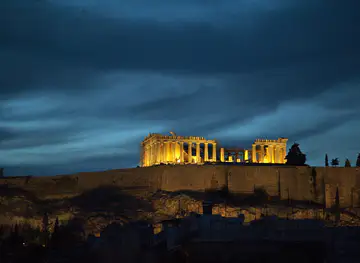
Explore more of Greece
Discover Greece: A land where ancient history meets modern vibrancy, offering stunning islands, crystal-clear seas, and unforgettable cultural experiences.
Explore Greece
