Tomb of Harmilos: A Glimpse into Ancient Kos
Uncover the secrets of the Tomb of Harmilos in Pyli, Kos: a journey through ancient history and island heritage.
Explore the Tomb of Harmilos in Pyli, Kos, a family grave dating back to 300 BC, possibly belonging to a mythical king or a wealthy landowner. Discover its unique architecture and historical significance, later used as a place of worship and shelter.
A brief summary to Tomb of Harmilos
- Πυλί, 853 00, GR
Local tips
- Combine your visit with a trip to the nearby traditional village of Pyli and its fresh water spring.
- Note that the tomb is located 2 meters below ground level; be prepared for a descent.
- Look for the marble remnants and inscription from the tomb that are now part of the Church of Ypsosis tou Timiou Stavrou.

Getting There
-
Walking
The Tomb of Harmilos is located approximately 300 meters east of the main square in Pyli. From the square, follow the signs towards the Tomb of Harmilos. The walk is short and manageable, taking you through the charming village streets.
-
Public Transport
If arriving by bus from Kos town, disembark at the Pyli bus stop. From there, walk to the main square and follow the walking directions to the Tomb of Harmilos, roughly 300 meters away. Bus tickets from Kos Town to Pyli cost approximately €2-€4. The bus from Kos to Pyli runs twice daily.
-
Taxi
Taxis are available throughout Kos. A taxi from Kos Town to Pyli will cost approximately €20-€25 and takes around 15 minutes. From the village center, it is a short walk to the tomb. Taxis can be found at official ranks or called by phone. The starting price for a taxi in Kos is 3.0 EUR, and each KM is priced at 1.5 EUR.
Discover more about Tomb of Harmilos
Iconic landmarks you can’t miss

Tomb of Harmilos
0.0 km
Uncover the secrets of the Tomb of Harmilos in Pyli, Kos: a journey through ancient history and island heritage.
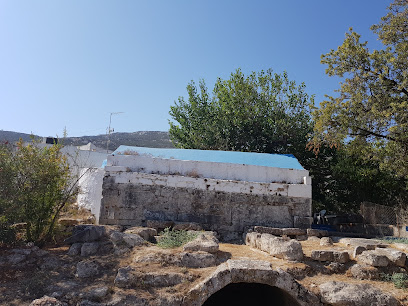
Peripatus Castle
0.5 km
Explore the enchanting Peripatus Castle in Kos, a historical fortress rich in medieval charm and captivating views, perfect for history lovers and adventurers alike.
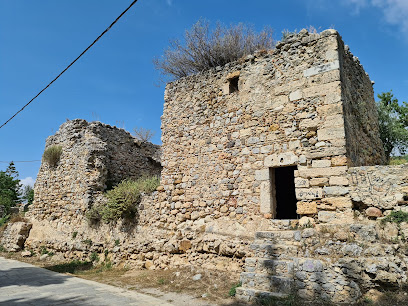
Palaio Pyli Castle
2.2 km
Explore the medieval ruins of Palaio Pyli Castle in Kos, offering panoramic Aegean views and a glimpse into the island's rich Byzantine history.
Kos Horse Riding Activities | The Ranch Kos Horse Riding | Ιππασία
3.5 km
Explore Kos's scenic beauty on horseback with guided tours and lessons at The Ranch Kos Horse Riding in Marmari. Suitable for all skill levels.
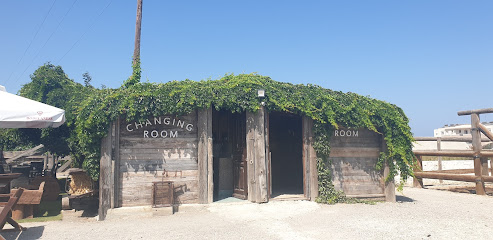
Rose Cafe Bar Pizzaria
3.6 km
Enjoy a vibrant mix of Greek and Italian flavors at this popular Marmari restaurant, known for its friendly service and cozy atmosphere.
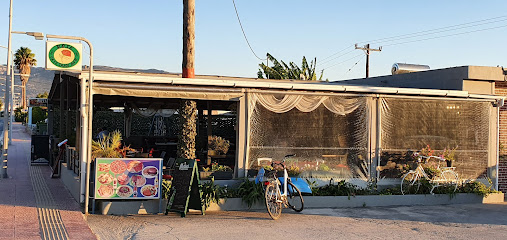
Marmari Go Kart Centre
3.6 km
Experience high-speed thrills for the whole family at Marmari Go Kart Centre, Kos! Fun for all ages and skill levels.
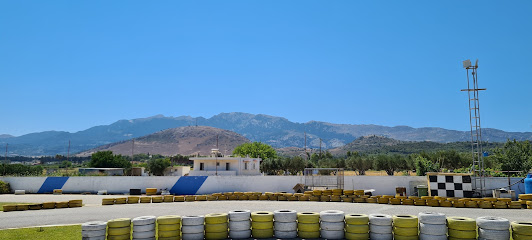
Action Moto Rent Buggy-Atv-Bicycle-Scooter-e-bikes marmari
3.9 km
Explore Kos Island your way with Action Moto Rent. Scooters, bikes, ATVs & buggies for unforgettable adventures in Marmari!
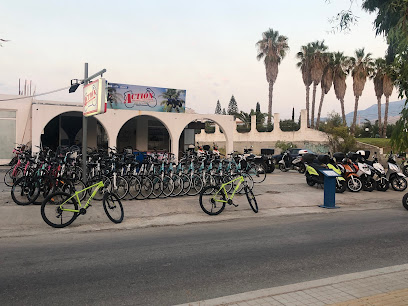
AlwaysBest Rentals | Autovermietung | Car Motos Quads Buggies | Kos island | Main Branch - Niriidon Street, Marmari
4.0 km
Explore Kos Island with AlwaysBest Rentals: Cars, motos, quads, and buggies for your perfect adventure. Family-owned, quality vehicles, and friendly service.
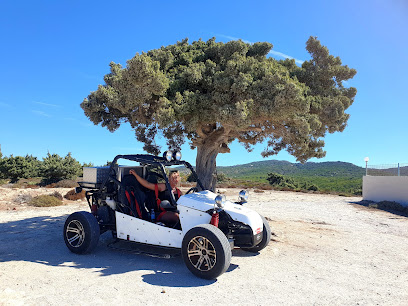
Marmari
4.2 km
Discover Marmari, Kos: a charming seaside village with sandy beaches, water sports, and easy access to island adventures.
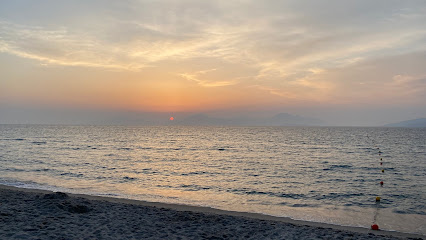
Atlantica Marmari Beach
4.2 km
Experience a relaxing beachfront getaway at Atlantica Marmari Beach in Kos, with family-friendly amenities and diverse dining options.

Sunset
4.4 km
Experience breathtaking sunsets and refreshing drinks at Sunset Bar in Dikeo, Kos – a perfect escape with stunning island views.
Caravia Beach Hotel
4.4 km
Experience beachfront bliss at Caravia Beach Hotel in Kos: pools, activities, and Greek hospitality await!
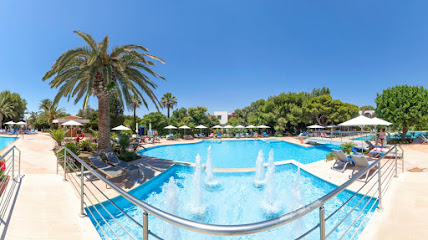
Marmari Windsurfing Center Kos
4.4 km
Ride the Aegean waves at Marmari Windsurfing Center, Kos: lessons, rentals, and a family-friendly atmosphere on a beautiful sandy beach.
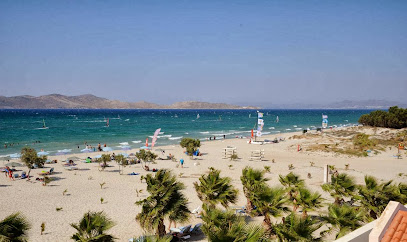
Ria's beach
4.5 km
Escape to Ria's Beach in Marmari, Kos: Where crystal-clear waters meet exceptional hospitality for a perfect day of relaxation and Aegean bliss.
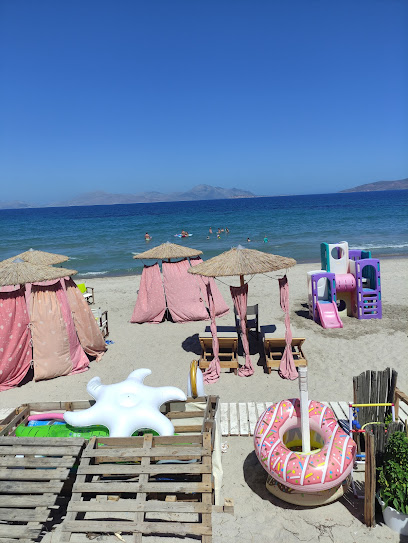
To Neo Kapilio
5.3 km
Experience authentic Greek flavors at To Neo Kapilio in Tigaki, Kos, where traditional recipes meet a warm, inviting atmosphere for a memorable meal.
Unmissable attractions to see

Piliverly Hills
0.6 km
Immerse yourself in the breathtaking beauty of Piliverly Hills on Kos, where nature, tranquility, and picturesque landscapes await every traveler.
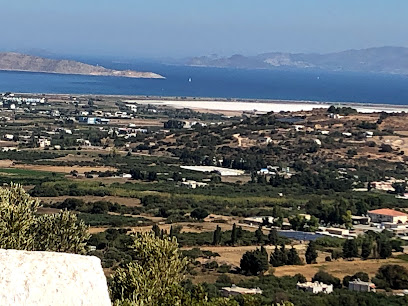
Σπήλαιο Καρδάμαινας
2.8 km
Explore the stunning natural beauty and rich history of Spilaio Kardamena, a captivating cave attraction in the heart of Kardamena, Greece.
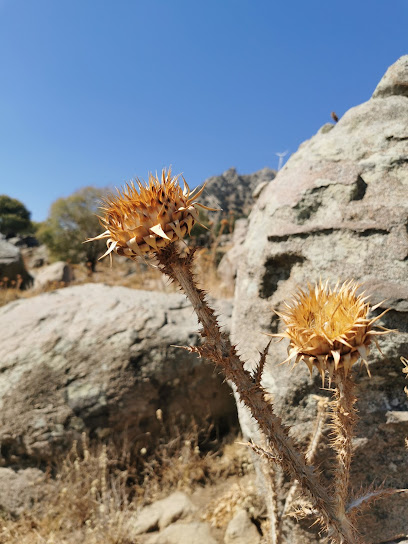
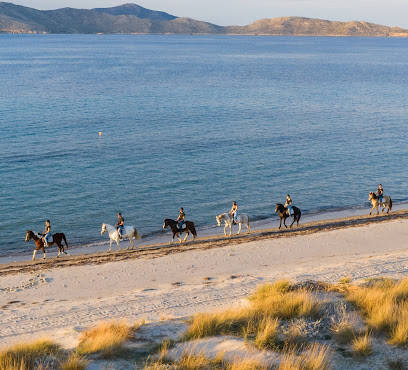
ERIKAS HORSE FARM | Kos Horse Riding
3.4 km
Discover the thrill of horseback riding and family-friendly fun at Erika's Horse Farm in Marmari, Kos, where adventure meets relaxation in a picturesque setting.
Geländeweg mit großen Oleanderbüschen
3.4 km
Explore the captivating Oleander Path in Irakleides, Greece, where vibrant blooms and serene surroundings create a perfect escape for nature lovers.
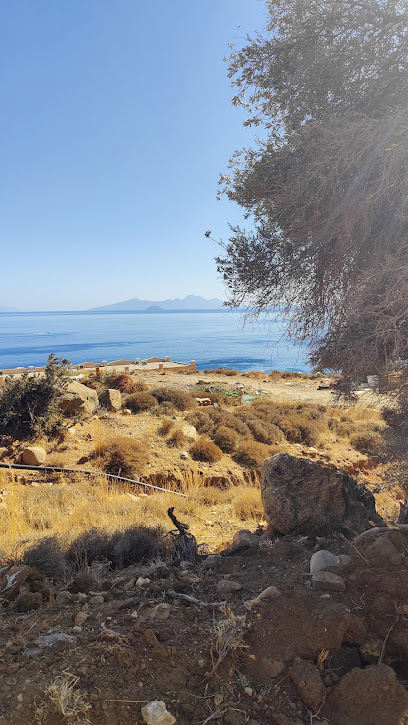
Θέα Ζιάς
3.7 km
Experience the stunning vistas and serene sunsets at Θέα Ζιάς in Lagoudi Zia, a must-visit scenic spot for travelers exploring Kos island.
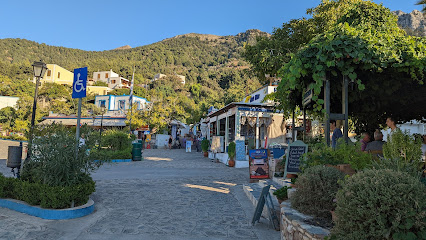
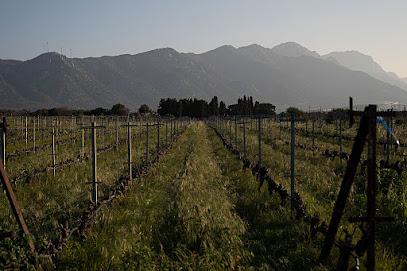
Ktima Akrani (Triantafyllopoulos Winery)
3.8 km
Explore Ktima Akrani Winery in Asfendiou, Greece – a hidden gem for wine lovers with breathtaking views and unforgettable tasting experiences.
Londoner’s restoration rock
3.9 km
Experience the stunning beauty and rich history of the Londoner’s Restoration Rock in Kos, Greece – a natural wonder and a cultural landmark.
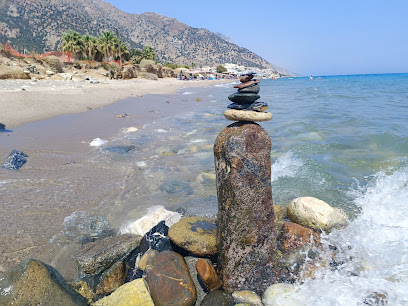
Kos Natural Park
4.0 km
Explore Kos Natural Park, a scenic gem in Greece, where lush landscapes, diverse wildlife, and family-friendly activities await.
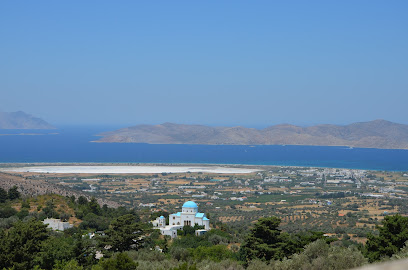
Πηγή Μινιέρα
4.1 km
Explore the serene beauty of Pigi Miniera in Kos, Greece, a captivating tourist attraction rich in natural landscapes and cultural heritage.
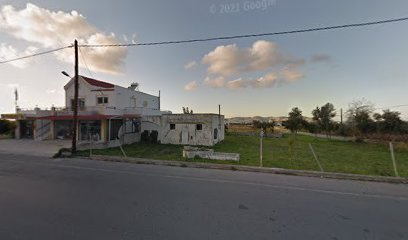
Hatziemmanouil Vineyards
4.2 km
Explore Hatziemmanouil Vineyards in Kos, where stunning views meet exquisite wines for an unforgettable experience.
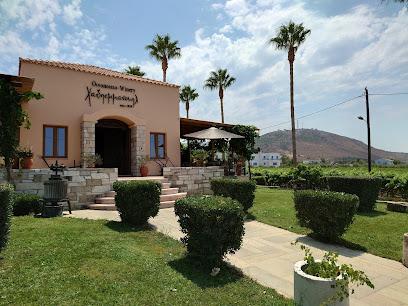
Paralia Marmari
4.4 km
Discover the breathtaking beauty of Paralia Marmari, a stunning beach on the island of Kos with golden sands and crystal-clear waters.
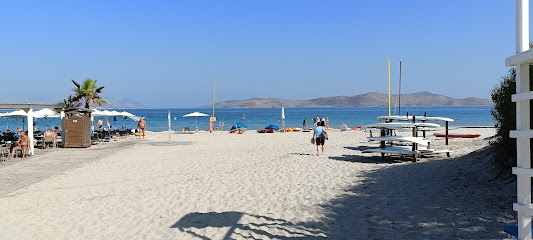
Olalathos
4.5 km
Explore Olalathos in Marmari, Greece, where history meets breathtaking landscapes and authentic local culture awaits.
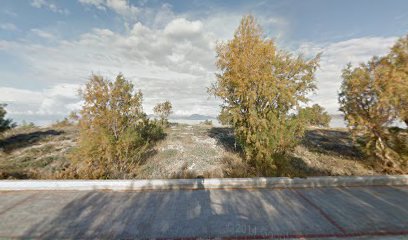
Salt Lake Stables Horse Riding Kos
4.6 km
Discover the beauty of Kos through horseback riding adventures at Salt Lake Stables, where every ride offers breathtaking scenery and unforgettable memories.
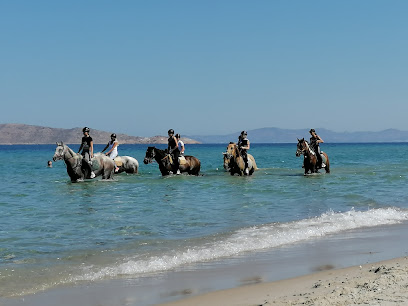
Urocza Kapliczka
5.2 km
Discover the tranquil beauty of Urocza Kapliczka in Tigaki, a stunning chapel that embodies the rich cultural heritage of Greece.
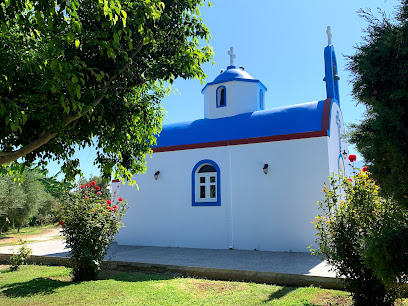
Alikes viewpoint
5.3 km
Discover the serene beauty of Alikes Viewpoint in Dikeo, where stunning landscapes meet tranquility, perfect for photography and relaxation.
Essential places to dine

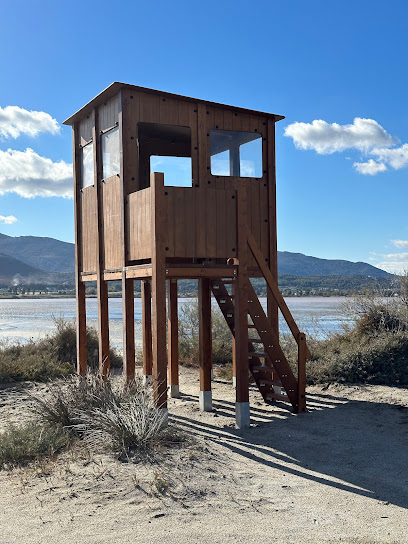
Sails on Kos Taverna
3.4 km
Experience authentic Greek flavors at Sails on Kos Taverna in Marmari – where tradition meets freshness in every dish.
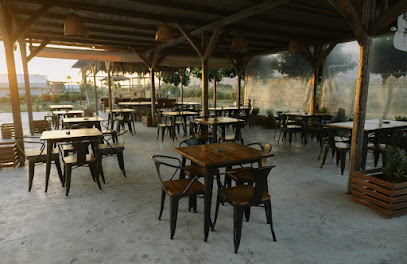
Restaurant Sertiko
3.5 km
Discover authentic Greek cuisine at Restaurant Sertiko in Marmari - where tradition meets flavor in every dish.
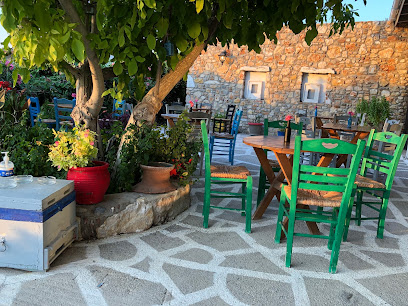
Destination Greek à la carte
3.6 km
Experience the essence of Greece at Destination Greek à la carte, where every dish tells a story and hospitality knows no bounds.
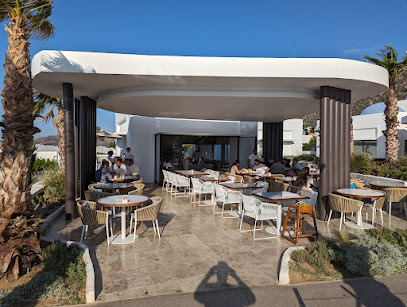
Restaurant “AEGEAN“
3.9 km
Experience authentic Greek cuisine at Restaurant 'AEGEAN' in Marmari - where every dish tells a story.
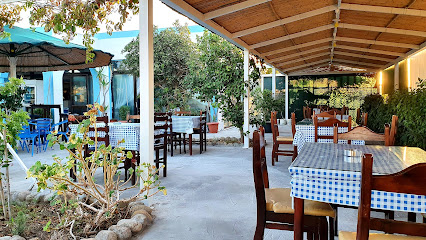
Olympia Zia
3.9 km
Discover authentic Greek cuisine with stunning views at Olympia Zia – an unforgettable dining experience awaits you.
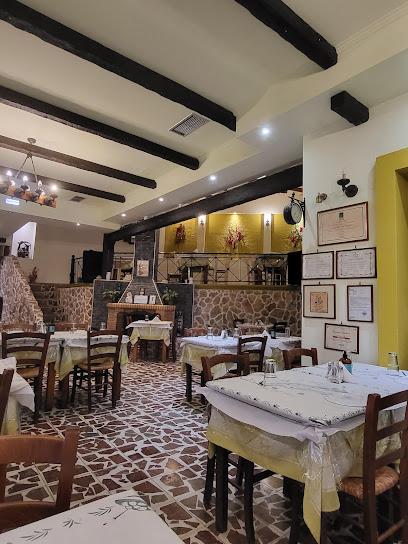
Olympia 2 Taverna
4.0 km
Discover authentic Greek flavors at Olympia 2 Taverna in Λαγουδι Ζία – where tradition meets taste in every dish.
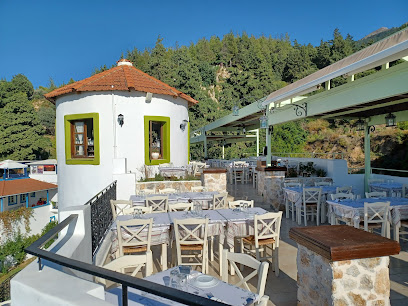
Mythos Bar
4.1 km
Discover delicious cuisine and vibrant atmosphere at Mythos Bar in Dikeo – where local flavors meet international flair.
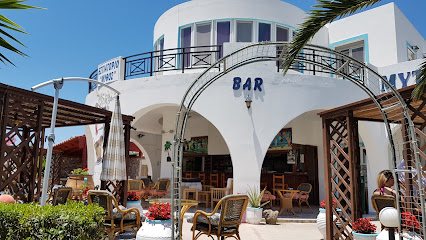
Green & Grill
4.2 km
Experience authentic Greek cuisine in Marmari at Green & Grill – where fresh flavors meet warm hospitality.
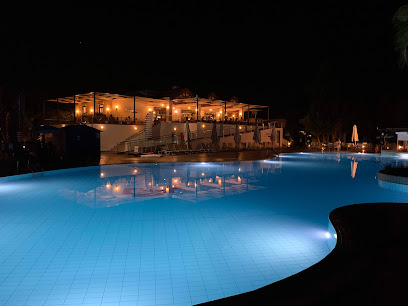
Mάina Gastro Bar
4.4 km
Experience exquisite dining at Mάina Gastro Bar on Marmari Beach; where fresh local flavors meet stunning sea views.
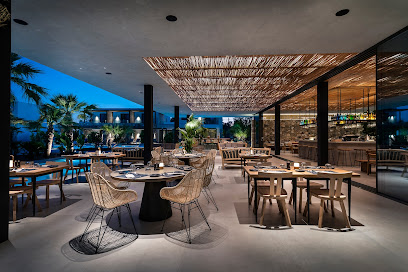
Taverne
4.4 km
Discover authentic Greek flavors at Taverne in Marmari - where every meal tells a story.
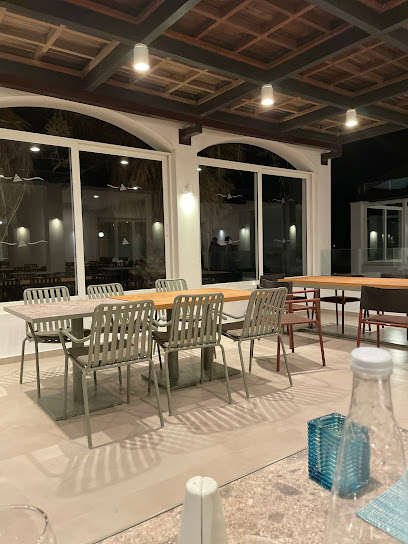
Smiley's Restaurant-Snack Bar
4.4 km
Experience authentic Greek cuisine at Smiley's Restaurant-Snack Bar in Marmari—where every dish tells a story.
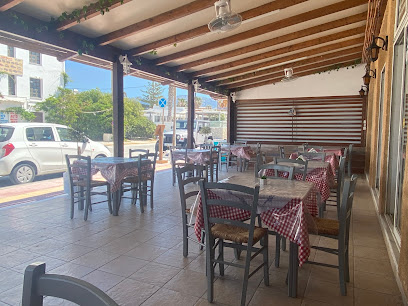
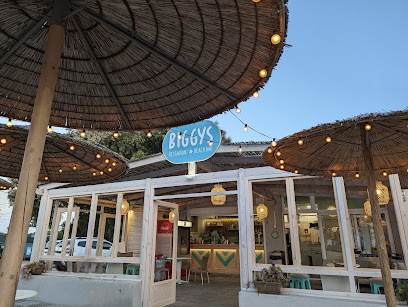
Biggys Restaurant & Beach Bar
4.4 km
Experience delightful flavors and stunning seaside views at Biggys Restaurant & Beach Bar in Marmari.
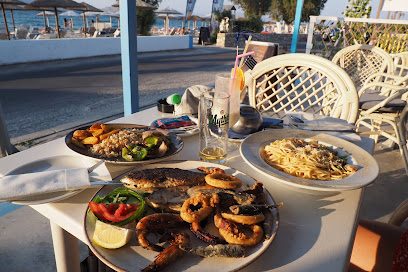
Artemis Beach Bar & Restaurant
4.5 km
Discover culinary bliss at Artemis Beach Bar & Restaurant in Marmari—where fresh flavors meet breathtaking sea views.
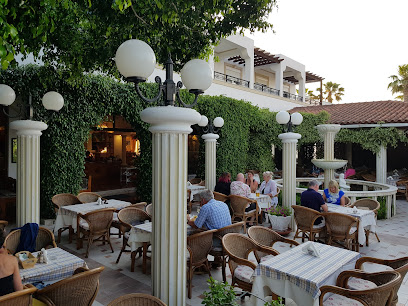
Sagittarius Restaurant
5.0 km
Experience culinary diversity at Sagittarius Restaurant in Tigkaki – where Greek meets Indian and Italian flavors for an unforgettable meal.
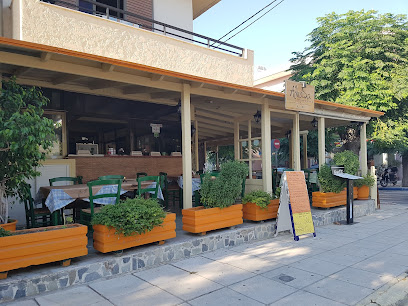
Aliada
5.1 km
Experience authentic Greek cuisine at Aliada in Tigaki – where fresh ingredients meet warm hospitality.
Markets, malls and hidden boutiques

Khmissa
2.4 km
Explore Khmissa in Marmari for unique local treasures and a taste of authentic Greek culture amidst stunning island views.
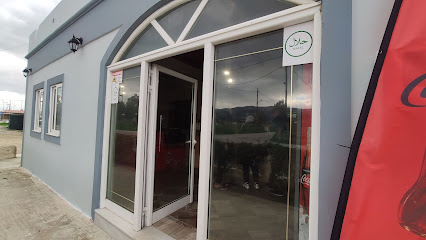
Super Market Plethora | Marmari - Pyli - Kos
2.4 km
Discover the best local produce and international snacks at Super Market Plethora in Marmari, Kos – a true shopping gem for every traveler.
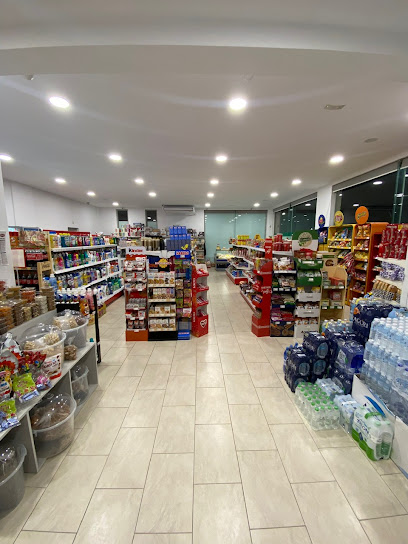
Super Market Anthi
3.5 km
Experience local flavors and essential goods at Super Market Anthi, your go-to grocery store in Marmari, Greece.
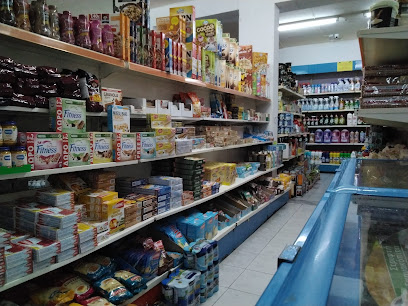
AEGEAN BLUE Art Shop
3.8 km
Explore the exquisite handcrafted jewelry at Aegean Blue Art Shop, a treasure trove of local craftsmanship in Λαγουδι Ζία.
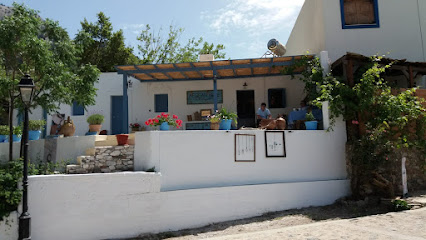
Supermarket Konstantinos
3.8 km
Discover the heart of Marmari at Supermarket Konstantinos, where local flavors and friendly service meet in a vibrant shopping experience.
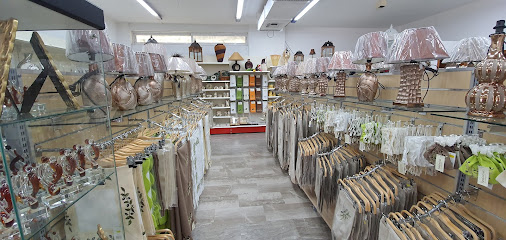
SUMMER FUN
4.2 km
Explore Summer Fun in Marmari for a unique shopping experience filled with local treasures and vibrant summer vibes.
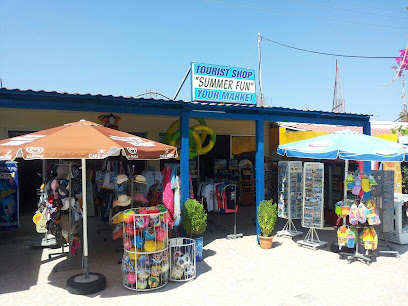
pandrosia Kos Showroom
4.3 km
Discover the unique beauty of Kos at the Pandrosia Kos Showroom, where local craftsmanship meets quality cosmetics for an unforgettable shopping experience.
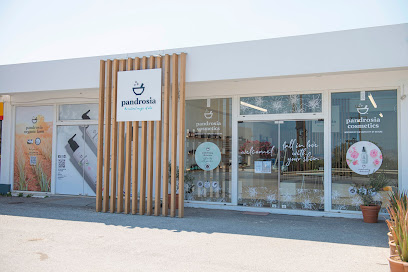
Supermarket Marmari
4.3 km
Discover the charm of Greek hospitality at Supermarket Marmari, your go-to gift shop for unique souvenirs and local essentials.
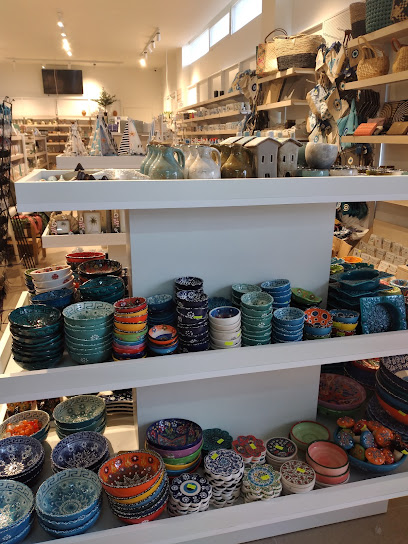
Minimarket
4.4 km
Experience the essence of Greece at Minimarket, Marmari’s charming gift shop offering unique souvenirs and local treasures.
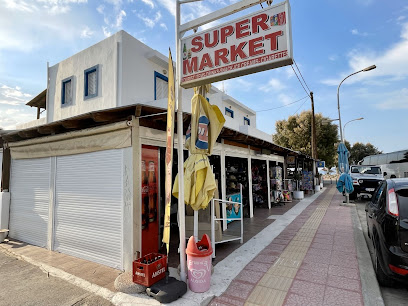
Hatzigiakoumis, K., S.A.
4.8 km
Explore Hatzigiakoumis in Tigkaki for an authentic shopping experience, showcasing local treasures and unique Greek craftsmanship.

Kōnstantínos
4.8 km
Discover Kōnstantínos in Tigaki, your go-to supermarket for groceries, local delicacies, and souvenirs in beautiful Greece.
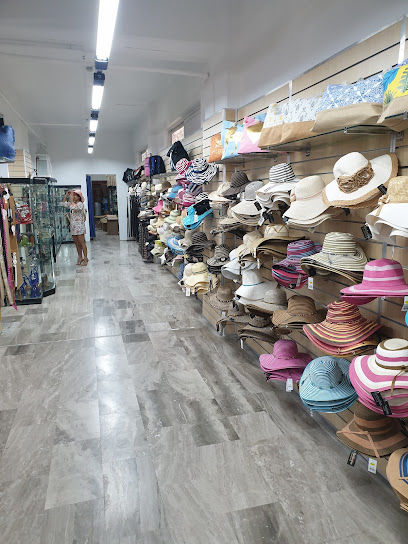
Fruits, oil and honey self-made.
5.0 km
Explore the authentic flavors of Greece with self-made fruits, oils, and honey in the charming Tigaki grocery store.
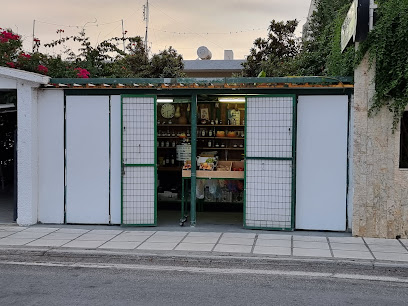
Bakery Shop Gianniotiko
5.0 km
Experience the sweet delights of Greece at Bakery Shop Gianniotiko in Tigaki, where every pastry tells a delicious story.
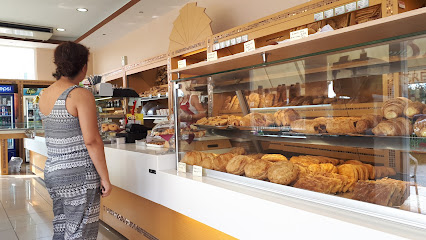
Mandala Handmade Jewelry
5.2 km
Explore the exquisite handmade jewelry at Mandala in Tigkaki, where local artistry meets unique craftsmanship for the perfect souvenir.
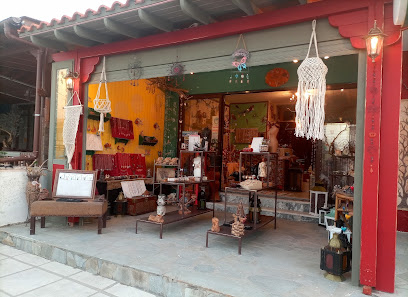
KG scents and events by Gina
5.4 km
Explore the enchanting world of fragrances and unique gifts at KG Scents and Events by Gina in Kos, the perfect spot for memorable souvenirs.
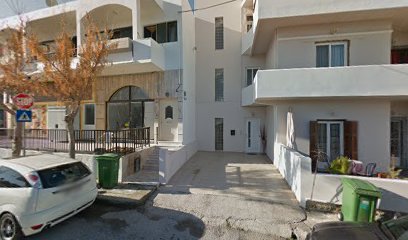
Essential bars & hidden hideouts

Fame Cafe Bar
3.9 km
Experience the vibrant nightlife of Marmari at Fame Cafe Bar, where great drinks and a welcoming atmosphere await.
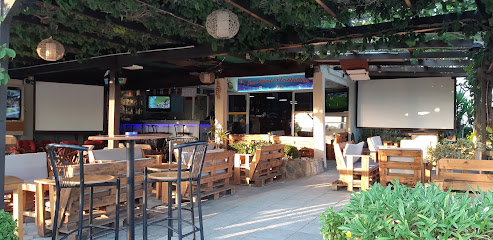
Caravaki Cafe-Bar
4.0 km
Discover the vibrant nightlife of Marmari at Caravaki Cafe-Bar, where friendly service meets a lively atmosphere and delicious cocktails await.
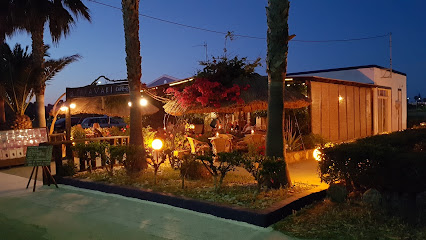
Alexander Bar
4.2 km
Experience the vibrant nightlife at Alexander Bar in Marmari, where expertly crafted cocktails meet a welcoming atmosphere.
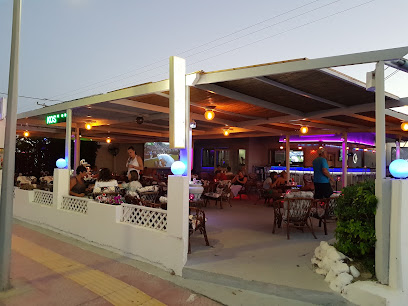
Rumba Tiki Bar & Yiamas Allday Restaurant
4.5 km
Discover the vibrant Rumba Tiki Bar & Yiamas Allday Restaurant in Marmari, where tropical vibes meet delicious cuisine and unforgettable experiences.
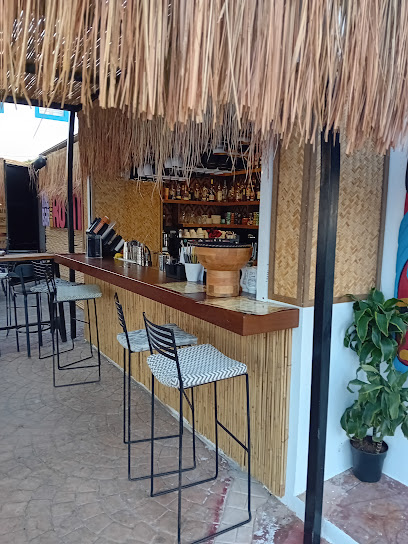
Taverna Sunshine
5.1 km
Discover the flavors of Greece at Taverna Sunshine, a charming bar and restaurant in Tigaki offering delightful cuisine and stunning beach views.
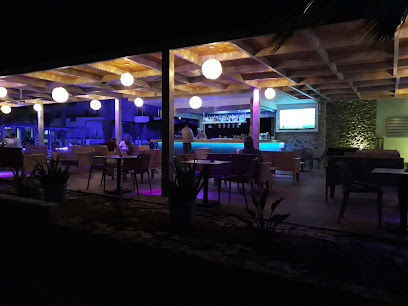
Booze brothers bar
5.1 km
Experience the vibrant nightlife at Booze Brothers Bar in Tigaki, where delicious drinks and a lively atmosphere await every visitor.
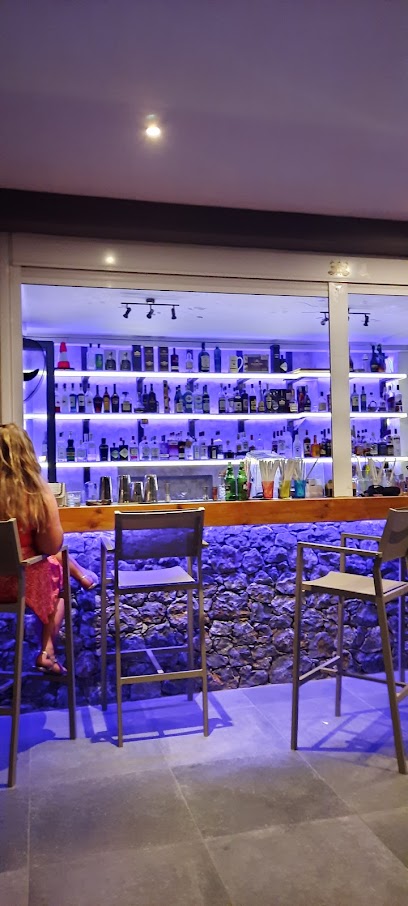
MASCOTTE Bar & Nightclub
5.4 km
Experience the vibrant nightlife at MASCOTTE Bar & Nightclub in Tigkaki, Kos, known for its cocktails, dynamic DJs, and unforgettable parties.
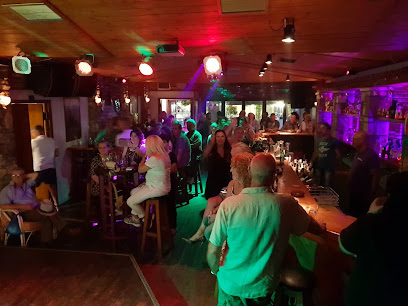
Karma
5.4 km
Discover the vibrant atmosphere of Karma Bar in Tigaki, where delightful drinks, friendly service, and unforgettable memories await you.
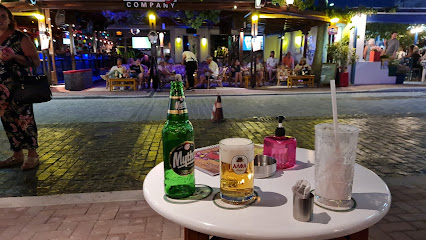
The Cosy Company
5.5 km
Experience the warmth and charm of The Cosy Company, a delightful bar in Tigaki perfect for relaxation and socializing with locals and travelers alike.
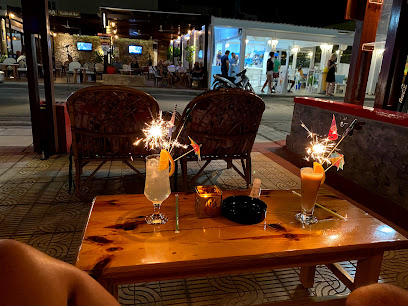
Captain Cook Bar
5.5 km
Discover the vibrant atmosphere of Captain Cook Bar in Tigkaki, where refreshing drinks and live music create the perfect island escape.
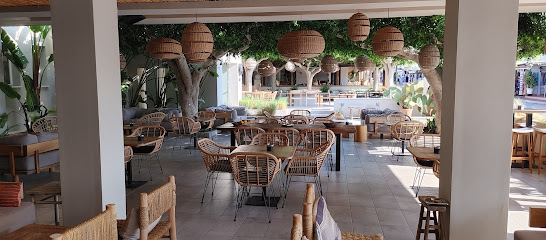
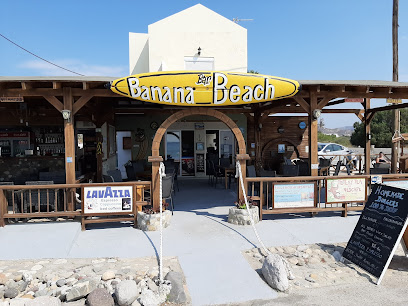
banana beach bar
6.2 km
Experience the vibrant atmosphere of Banana Beach Bar in Kardamena, a perfect spot for refreshing drinks and stunning sea views.
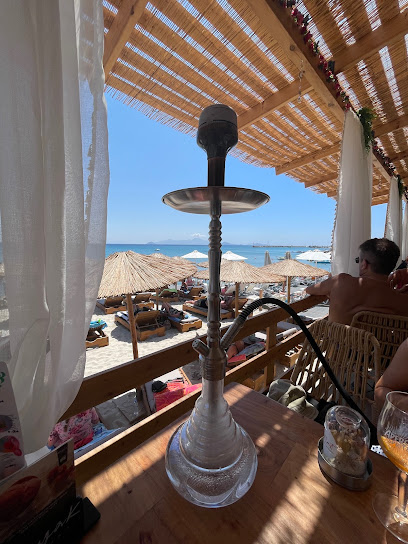
East Coast Beach Bar
6.4 km
Discover the vibrant atmosphere of East Coast Beach Bar, where cocktails, grilled delights, and stunning views of the Kardamena coast await.
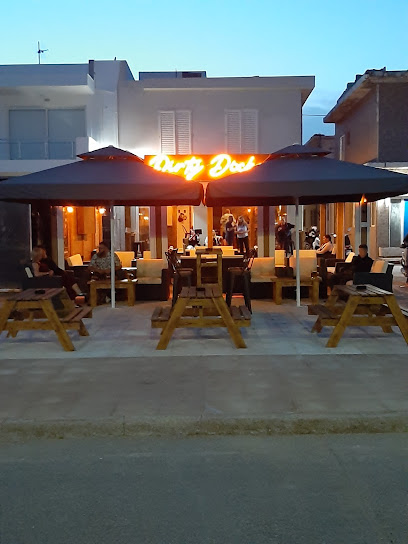
Dirty Dick's
6.6 km
Discover the lively vibes and creative cocktails at Dirty Dick's, a must-visit bar in Kardamena, Kos for an unforgettable nightlife experience.
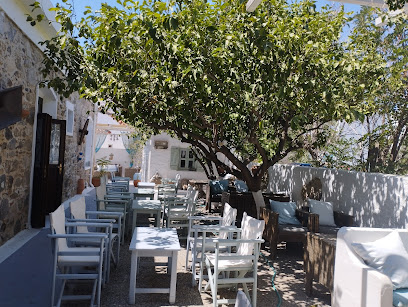
The Garden Bar & Kitchen
6.7 km
Discover a vibrant culinary oasis at The Garden Bar & Kitchen in Kardamaina, offering delightful cocktails and a delectable menu in a serene garden setting.
Cocktails and Dreams
6.7 km
Discover the vibrant nightlife of Kardamena at Cocktails and Dreams, where exceptional cocktails and a lively atmosphere await every visitor.
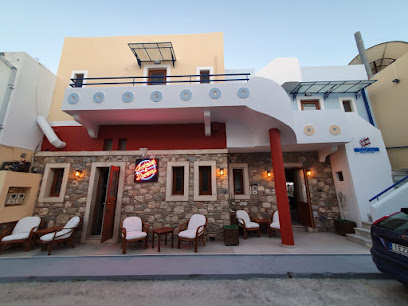
Nightclubs & after hour spots

Night Bar
3.5 km
Enjoy delightful cocktails and live music at the Night Bar, where stunning Aegean Sea views create an unforgettable nightlife experience.
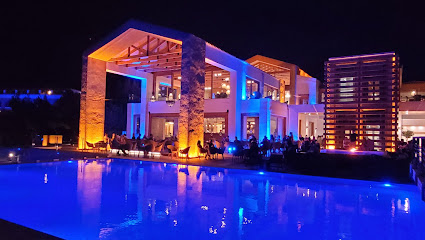
The Club Zone
3.5 km
Experience electrifying nights at The Club Zone in Kardamena, where vibrant music and friendly vibes create unforgettable memories.
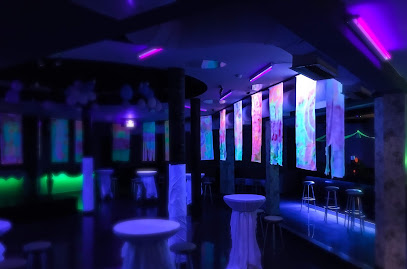
Malibu Beach Bar
5.5 km
Discover the idyllic Malibu Beach Bar in Kardamena, Greece, where relaxation meets the vibrant beach atmosphere for a perfect getaway.
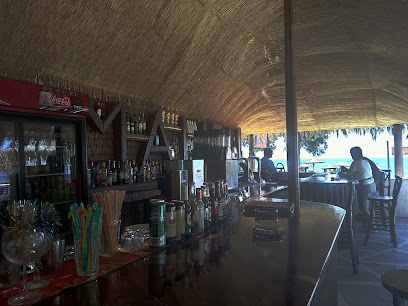
Downtown Club
6.7 km
Discover the heartbeat of Kardamena's nightlife at Downtown Club, where live music, cocktails, and dancing create unforgettable experiences.
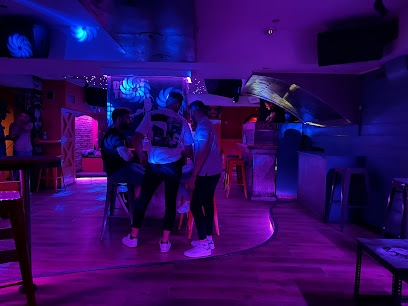
Infinity Club
6.8 km
Discover the pulsating nightlife at Infinity Club in Kardamena, where unforgettable experiences and vibrant music await every visitor.
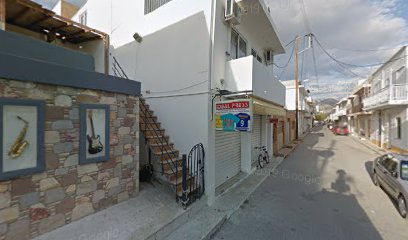
Sarai Club
6.9 km
Experience the electrifying nightlife at Sarai Club in Kardamaina, where vibrant music, stylish ambience, and great cocktails await you.
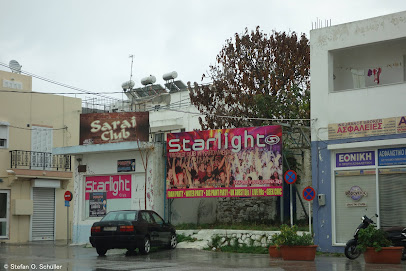
ORIGIN BAR
6.9 km
Discover the vibrant nightlife of Kardamena at Origin Bar, where music, dancing, and fun collide for an unforgettable experience.
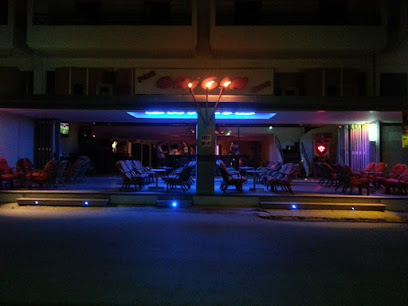
Black Amber Club Kos
12.3 km
Discover the electrifying nightlife of Black Amber Club Kos, where vibrant energy meets unforgettable entertainment in a stunning setting.
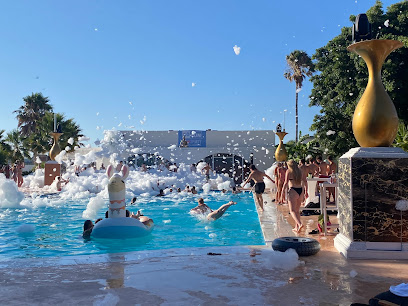
Playhouse Emmanouela
12.7 km
Discover the electrifying nightlife at Playhouse Emmanouela in Kos – the ultimate night club experience in Greece's vibrant party scene.
Strand Beach Club
12.7 km
Experience the vibrant atmosphere at Strand Beach Club in Kos, Greece, where delicious food meets stunning beach views for an unforgettable day.
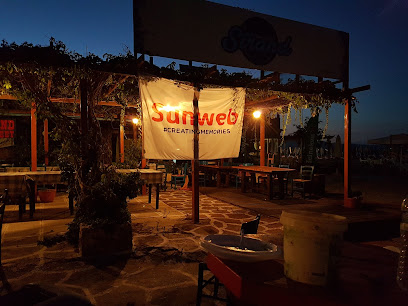
Club Charisma KOS
12.7 km
Experience the electrifying nightlife at Club Charisma KOS, where the beats are infectious and the atmosphere unforgettable.
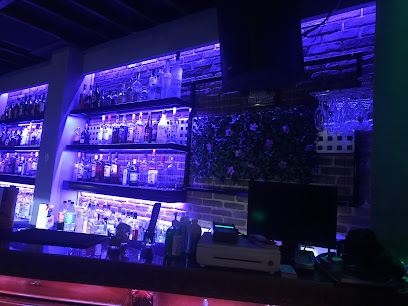
West bar
12.7 km
Experience Kos nightlife at West Bar, where vibrant music, delicious cocktails, and a lively crowd come together for unforgettable nights.
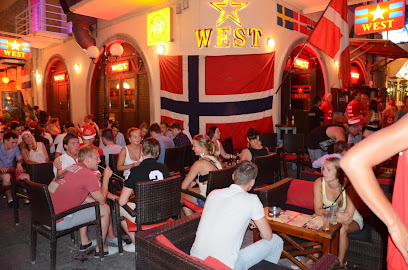
Kyttaro club
12.7 km
Experience the electrifying nightlife at Kyttaro Club, Kos' premier destination for dancing, music, and unforgettable memories.
Wild Bull Club
12.8 km
Immerse yourself in the vibrant nightlife of Kos at Wild Bull Club, a pulsating venue known for its electrifying atmosphere and diverse beats.
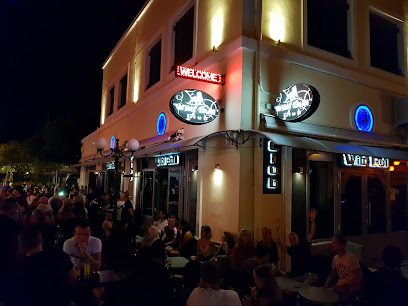
Hamam Kos
12.8 km
Discover the vibrant nightlife of Kos at Hamam Kos, a cocktail bar renowned for its creative drinks and lively atmosphere.