Vediusgymnasium, Samos Travel Guide
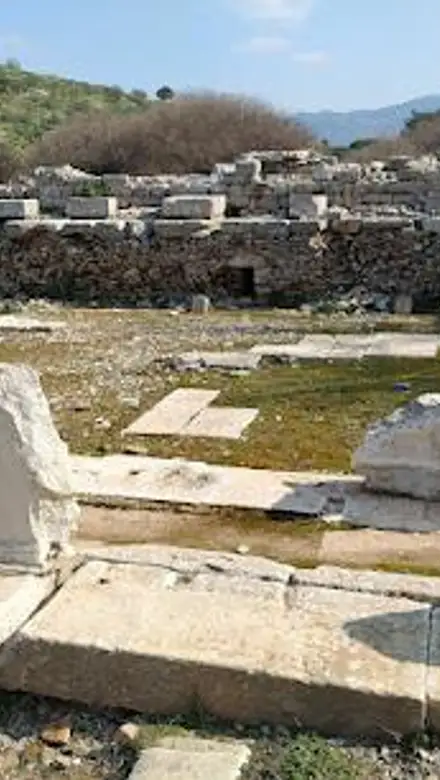
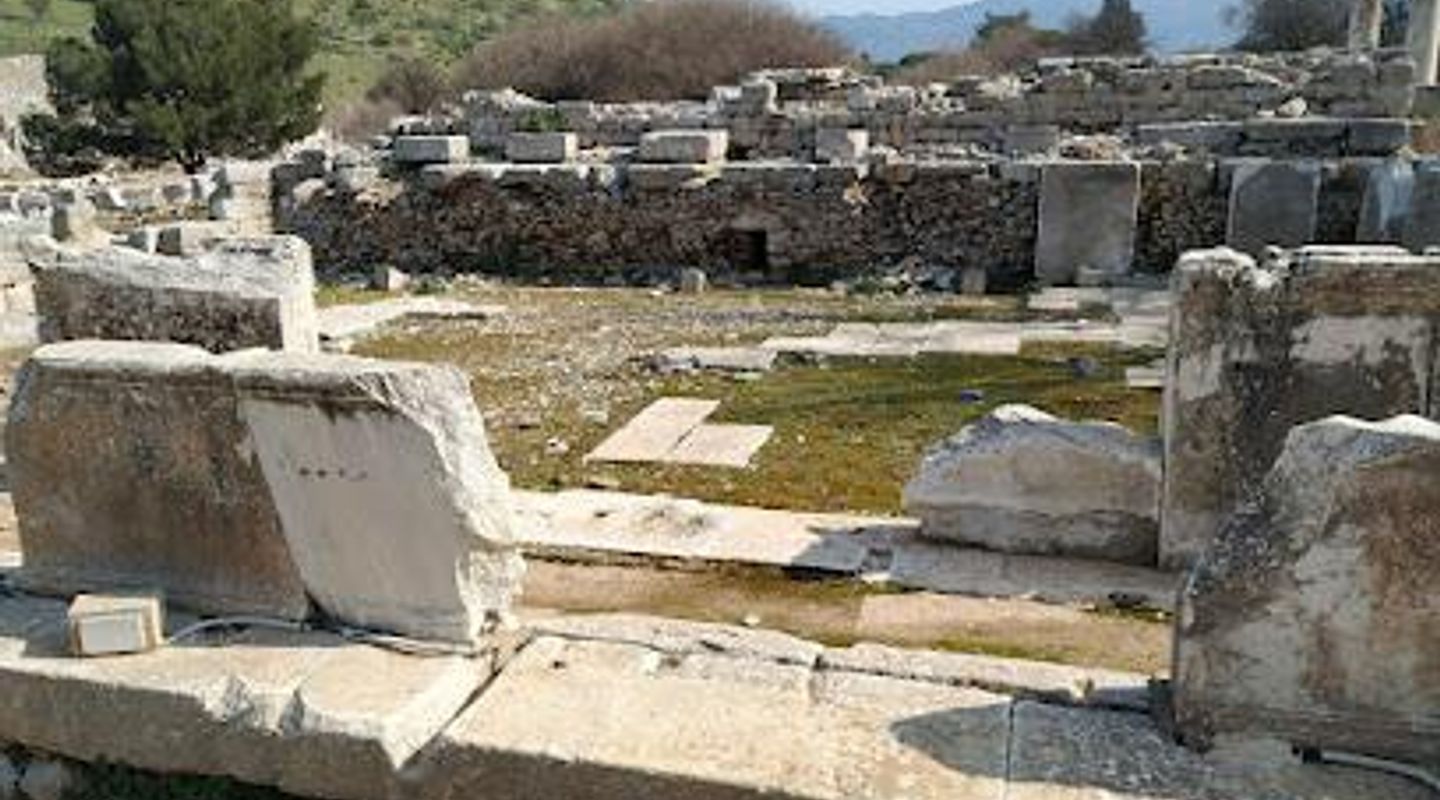
Explore the ruins of Vedius Gymnasium in Ephesus, an ancient Roman center for physical and intellectual development dedicated to Artemis and Antoninus Pius.
The Vedius Gymnasium in Ephesus, constructed in the 2nd century AD, was more than just a place for physical exercise. Dedicated to Artemis and Emperor Antoninus Pius, it served as a vital center for the city's youth, providing comprehensive education in arts, sports, literature, and public speaking. Today, its well-preserved ruins offer a glimpse into the daily life and cultural values of Roman Ephesus.
A brief summary to Vediusgymnasium
- Selçuk, Atatürk, İzmir, 35920, TR

Know before you go
Hi, I'm Eve. Here are a few practical things to know before exploring Vediusgymnasium.
- Wear comfortable shoes, as you'll be walking on uneven ground while exploring the ruins.
- Visit early in the morning or late in the afternoon to avoid the midday heat and crowds.
- Bring water and sunscreen, as there is limited shade available.
- Consider hiring a local guide to learn more about the history and significance of the gymnasium.
Do you manage this location?
Take control to get all the benefits, like improved information, better appearance, and stronger visibility across AI-powered discovery. Learn more about listing your business on Evendo
Activate your presenceOther nearby places you may find interesting
The closest places of the same kind, if this one is not quite what you had in mind.
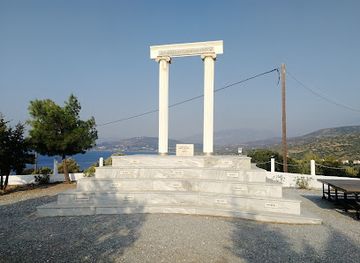
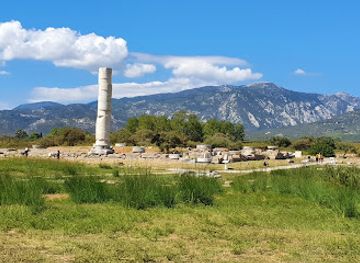
Explore Vediusgymnasium on the Map
A handpicked selection of must-see spots near Vediusgymnasium, mapped for you.
Unlock the Best of Vediusgymnasium
Buy tickets
-
No tickets available
Book tours with entry

Book tours without entry
-
No tours available
Getting There
-
Walking
From the Ephesus Archaeological Site entrance, the Vedius Gymnasium is easily accessible on foot. Follow the main path leading south; the gymnasium ruins will be visible on your right. The walk is relatively short and straightforward.
-
Public Transport
If arriving in Selçuk by train or bus, you can take a local minibus (dolmuş) towards Ephesus. Ask the driver to drop you off at the Ephesus Archaeological Site entrance. From there, follow the walking directions to the Vedius Gymnasium. A dolmuş from Selçuk to Ephesus costs approximately 40 Turkish Lira.
-
Taxi
Taxis are readily available in Selçuk. A taxi to the Ephesus Archaeological Site entrance, from where you can walk to the Vedius Gymnasium, will cost approximately 70 Turkish Lira. Confirm the fare with the driver before starting your journey.
Discover more about Vediusgymnasium













Your all‑in‑one travel companion app
Explore expert travel guides, compare and book tours, experiences, hotels, and more—all from the palm of your hand. Download now for seamless trip planning wherever your wanderlust takes you.


Explore More of Samos
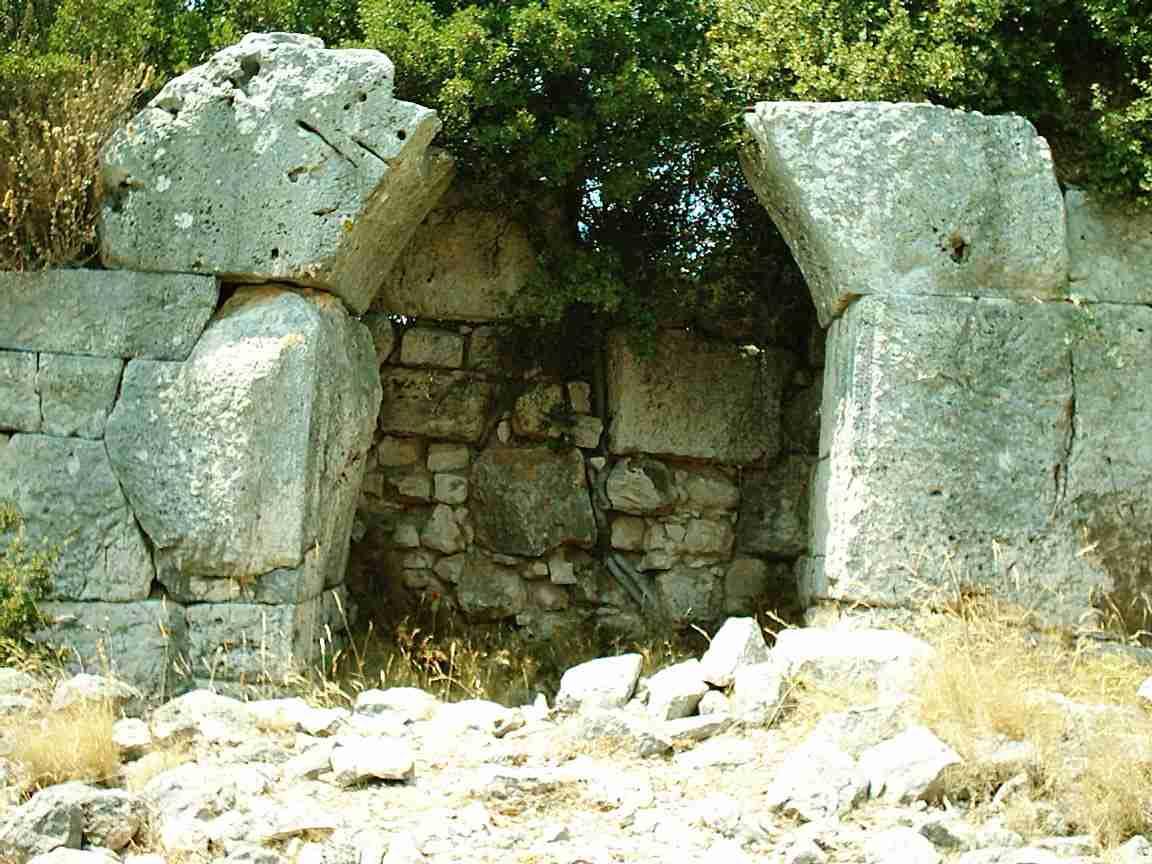
Looking beyond Vediusgymnasium? Discover Samos for broader travel guides, local hot-spots, and regional highlights.
Explore Samos
Explore the Cave of the Seven Sleepers, a historical landmark in Selçuk, Turkey, steeped in legend and rich cultural heritage.

Explore the Ancient City of Éphèse, a UNESCO World Heritage site filled with stunning ruins and rich history, showcasing the glory of the Roman Empire.