

Free Serres Travel Guide & Mobile App
Plan your Serres trip with Evendo. Get free guides to top attractions, restaurants, hotels, and bars. Web access or download the mobile app.


Serres, Greece combines Byzantine history, Ottoman architecture, Macedonian cuisine and easy access to Lailias, Lake Kerkini and the Strymon valley.
History Above the Modern City
Serres lies in northern Greece, between the Strymon valley and the foothills of Mount Vrontou, with the wooded slopes of Lailias rising to the north. Its position has made it a meeting point between the Aegean, the Balkans and the eastern Macedonian plain for more than two millennia. The upper town retains the remains of the Byzantine acropolis, while the centre reflects later Ottoman and modern Greek layers of settlement. From the hilltop castle, the city unfolds across a broad agricultural landscape rather than a dense metropolitan skyline.Read more about Serres
Markets, Squares and Macedonian Flavours
A Northern Greek Base
When is the best time to visit Serres?
Best: May, September–October · 24–29°C| Month | High (°C) | Rainfall (mm) |
|---|---|---|
| January | 12 | 46 |
| February | 14 | 43 |
| March | 17 | 39 |
| April | 21 | 34 |
| May (best) | 26 | 29 |
| June | 31 | 18 |
| July | 35 | 14 |
| August | 34 | 13 |
| September (best) | 29 | 18 |
| October (best) | 24 | 34 |
| November | 17 | 39 |
| December | 14 | 43 |
Getting to and around Serres
How to get there
Transportation
Best attractions in Serres
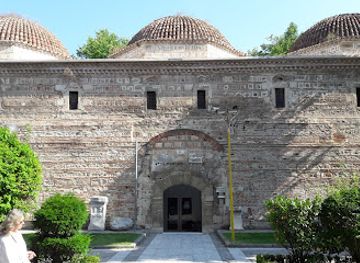
Serres is best explored through a sequence of contrasting settings rather than a single monumental sight. Start at the Archaeological Museum in the Bezesteni, the former Ottoman covered market, where artefacts illuminate the history of the city and the surrounding region. From the centre, streets climb towards Koula, the Byzantine castle, whose surviving walls and elevated position open views across the Strymon plain. The Church of Agios Nikolaos, associated with the castle area, adds an ecclesiastical dimension to the hillside. Back in town, Eleftherias Square and the adjoining pedestrian streets reveal everyday Serres through cafés, shops and local meeting places. Beyond the urban area, Lailias offers forested mountain scenery and seasonal recreation, while Lake Kerkini provides wetlands, open horizons and birdwatching opportunities. The ancient site of Amphipolis is a wider regional excursion rather than a city attraction, but its archaeological remains help explain the historical importance of eastern Macedonia.
-
Tourist attraction
Liberty Square
Discover Liberty Square in Serres: A beautiful park and cultural hub, perfect for relaxing strolls and immersing yourself in local experiences.
7 min walk · 0.5 km from city centre
-
Tourist attraction
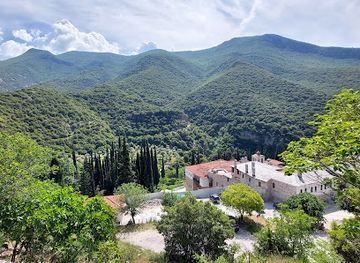
Holy Monastery of Saint John the Forerunner at Serres
Discover spiritual tranquility and Byzantine art at the Holy Monastery of Saint John the Forerunner near Serres, a historical gem in northern Greece.
24 min drive · 8.1 km from city centre
-
Park
Agioi Anargyroi Valley
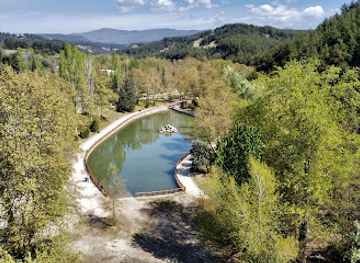
Escape to Serres' lush Agioi Anargyroi Valley: a green oasis offering recreation, relaxation, and natural beauty just minutes from the city center.
6 min drive · 2.0 km from city centre
-
Tourist attraction
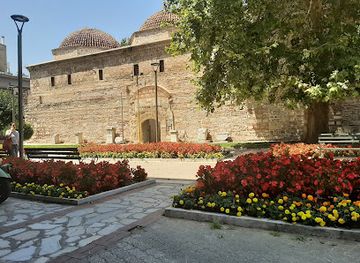
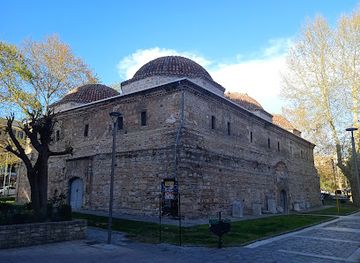
Archaeological Museum of Serres (Bezesteni)
Discover the treasures of Serres' past at the Archaeological Museum, housed in a historic Ottoman market building.
6 min walk · 0.5 km from city centre
Best landmarks in Serres
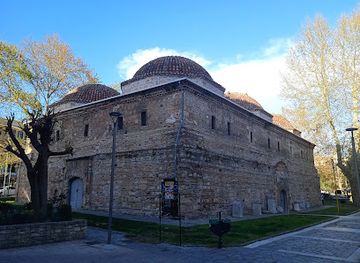
Koula, the Byzantine castle on the city’s northern rise, is Serres’s defining historic landmark. Its surviving fortifications mark the strategic value of the hill and frame views over the plain below, although the remains are more atmospheric than monumental. In the centre, the Bezesteni is an important Ottoman commercial building whose covered form recalls Serres’s role in regional trade; it now houses the Archaeological Museum. The Church of Agios Nikolaos, situated in the castle area, represents the city’s enduring Orthodox religious heritage and the continuity of worship around the old citadel. Eleftherias Square serves as the civic heart of modern Serres, bordered by later buildings and busy pedestrian routes. Together these sites trace the city’s movement from Byzantine stronghold to Ottoman market town and contemporary Greek regional centre.
-
Tourist attraction
Liberty Square
Discover Liberty Square in Serres: A serene park blending nature and history, perfect for relaxation and cultural immersion.
7 min walk · 0.5 km from city centre
-
Hotel
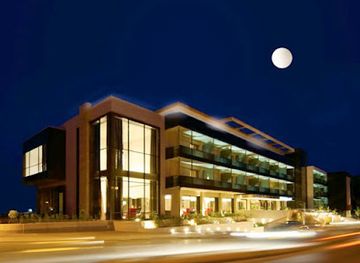
Philippos Xenia Hotel
Experience modern luxury and explore the beauty of Serres from the contemporary Philippos Xenia Hotel.
15 min walk · 1.2 km from city centre
-
Historical landmark
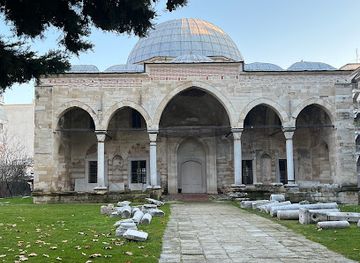
Τέμενος Ζιντζιρλί
Explore the Zincirli Mosque in Serres: A historical landmark showcasing Ottoman architecture and a vibrant exhibition space.
6 min walk · 0.5 km from city centre
-
Museum
Archaeological Museum of Serres (Bezesteni)
Explore Serres' ancient past at the Archaeological Museum, housed in a stunning Ottoman-era market building.
6 min walk · 0.5 km from city centre
Explore Serres on the map
Plan your Serres trip on one map. See where the top attractions, landmarks, restaurants, bars and hotels are, find what's near where you're staying, and book hotels and experiences in a few clicks.
Best hotels in Serres
Best restaurants in Serres
Serres’s food culture reflects the agricultural wealth and layered population history of eastern Macedonia. Local tables draw on beans, peppers, dairy, seasonal vegetables, grilled meats and preserved foods, while regional pastries and bakery traditions are prominent. The city is particularly associated with akane, a sesame-based sweet traditionally made with sugar and tahini, and with bougatsa and other filled pastries served from bakeries throughout the centre. Taverns and family-run restaurants commonly offer Greek and Macedonian cooking, while cafés provide coffee, light snacks and sweets around Eleftherias Square and the pedestrian streets. Tsipouradika, where small plates accompany tsipouro, offer a distinctly social way to eat, although menus and customs vary between establishments. Food markets and specialist shops are useful for finding local cheeses, cured products, sweets and seasonal produce from the surrounding plain.
-
Greek
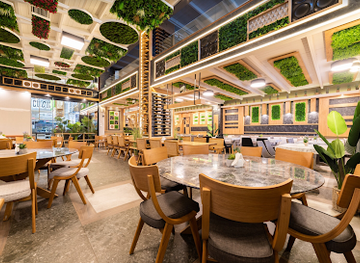
Ellinon Gefsis
Experience authentic Greek cuisine at Ellinon Gefsis in Serres - where tradition meets flavor in every dish.
6 min walk · 0.5 km from city centre
-
Restaurant
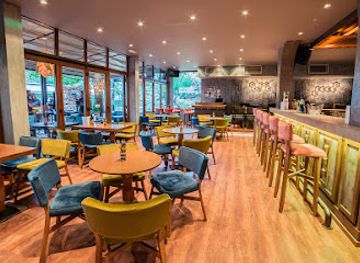
Cityζεν WINE · BAR · RESTAURANT
Experience the best of Greek cuisine at Cityzen Wine Bar & Restaurant in Serres – where tradition meets modernity in every bite.
16 min walk · 1.2 km from city centre
-
Restaurant
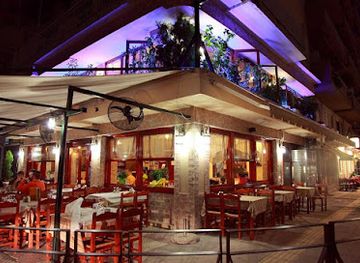
Tavern - Steakhouse The Kapileio Kostis
Savor the authentic taste of Greece at The Kapileio Kostis - where tradition meets flavor in every bite.
11 min walk · 0.9 km from city centre
-
Restaurant
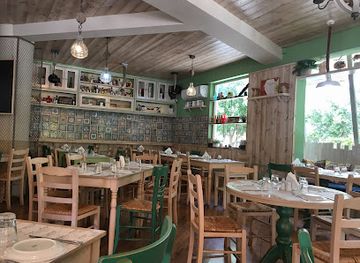
Κάππαρη
Experience authentic Greek cuisine at Κάππαρη in Serres—where tradition meets flavor in every dish.
10 min walk · 0.8 km from city centre
Best bars in Serres
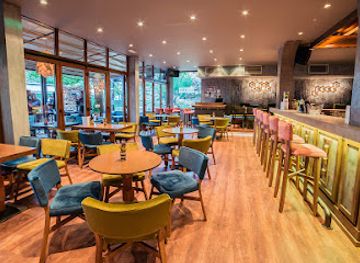
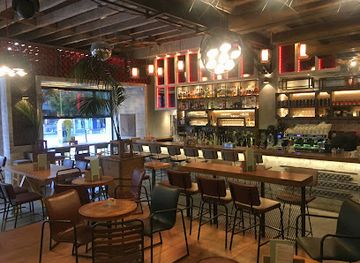
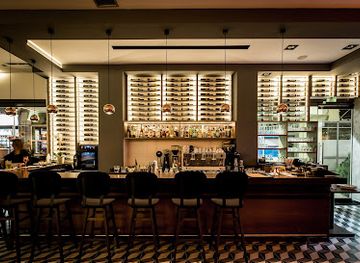
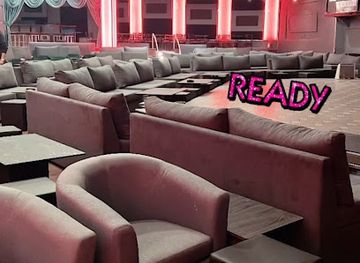
Serres’s evening life is concentrated rather than sprawling, with cafés and bars around Eleftherias Square, the central pedestrian streets and nearby commercial lanes. The atmosphere typically moves from coffee and dessert in the early evening to drinks, conversation and small plates later at night. Tsipouradika and relaxed bars provide a more local social setting than a dedicated club district, while younger crowds may favour venues with contemporary music and later closing times. Cultural programming, concerts and performances at local civic or arts venues add alternatives when scheduled. Nightlife is seasonal and can be quieter outside university periods and weekends, so the city is better understood as a café-led regional centre than as a major club destination. Visitors should follow normal precautions when walking between the centre and less busy residential streets after dark.
-
Wine bar
Cityζεν WINE · BAR · RESTAURANT
Experience the best of Greek cuisine and fine wines at Cityζεν WINE · BAR · RESTAURANT in Serres, a must-visit for every traveler.
16 min walk · 1.2 km from city centre
-
Cafe
Volta
Discover Volta in Serres: a charming café offering exceptional coffee and a welcoming atmosphere perfect for relaxing and socializing.
4 min walk · 0.3 km from city centre
-
Bar
1800 Cafe Bar
Discover 1800 Cafe Bar, a vibrant café and bar in Serres, Greece, offering delightful drinks and a lively atmosphere perfect for tourists.
4 min walk · 0.3 km from city centre
-
Restaurant
Kouzina Bar
Discover Kouzina Bar in Serres: a delightful fusion of restaurant, cafe, and wine bar, offering exceptional local cuisine and a vibrant atmosphere.
6 min walk · 0.5 km from city centre

Best nightclubs in Serres
Serres’s evening life is concentrated rather than sprawling, with cafés and bars around Eleftherias Square, the central pedestrian streets and nearby commercial lanes. The atmosphere typically moves from coffee and dessert in the early evening to drinks, conversation and small plates later at night. Tsipouradika and relaxed bars provide a more local social setting than a dedicated club district, while younger crowds may favour venues with contemporary music and later closing times. Cultural programming, concerts and performances at local civic or arts venues add alternatives when scheduled. Nightlife is seasonal and can be quieter outside university periods and weekends, so the city is better understood as a café-led regional centre than as a major club destination. Visitors should follow normal precautions when walking between the centre and less busy residential streets after dark.
-
Bar
Clubaki serres
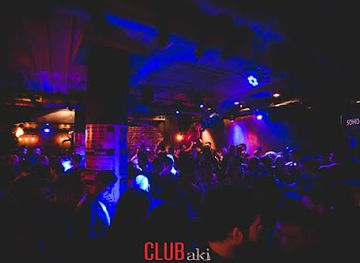
Discover the energetic nightlife of Clubaki Serres, where great cocktails and lively music create unforgettable experiences in the heart of Greece.
4 min walk · 0.3 km from city centre
-
Night club
Why Club
Discover the vibrant nightlife of Serres at Why Club, where electrifying music meets a lively atmosphere for an unforgettable experience.
4 min walk · 0.3 km from city centre
-
Night club
Opera Music Area
Discover the vibrant nightlife of Serres at Opera Music Area, the ultimate destination for music, dancing, and unforgettable memories.
7 min drive · 2.4 km from city centre
-
Night club
BRONX NIGHTCLUB
Discover the electrifying nightlife at Bronx Nightclub in Serres, where music, dance, and local vibes come together for an unforgettable experience.
4 min walk · 0.4 km from city centre

Best shops in Serres
Shopping in Serres is centred on the pedestrian streets and commercial routes leading from Eleftherias Square, where everyday Greek retail sits alongside cafés, bakeries and small specialist shops. The city’s shopping character is practical and local rather than dominated by large international brands. Bakeries and confectioners are the best places to look for akane, bougatsa and other regional sweets, while delicatessens stock cheeses, olives, honey and products from the surrounding Macedonian countryside. The market tradition associated with the Bezesteni survives more as architectural and cultural memory than as a fully functioning bazaar, but the central streets remain useful for observing ordinary commerce. Visitors seeking souvenirs may find ceramics, food products, textiles and small craft items, while larger modern retailers are concentrated in the wider commercial area outside the oldest core.
-
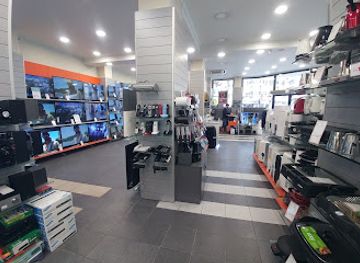
Electronics store
Welcome Stores
Discover the latest technology at Welcome Stores Serres, your top destination for cutting-edge electronics and gadgets.
6 min walk · 0.5 km from city centre
-
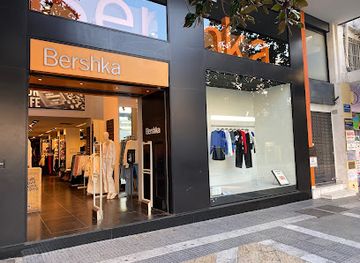
Clothing store
Bershka
Discover the latest trends in fashion at Bershka, a vibrant clothing store in Serres offering stylish apparel and accessories for all.
5 min walk · 0.4 km from city centre
-
Health food store
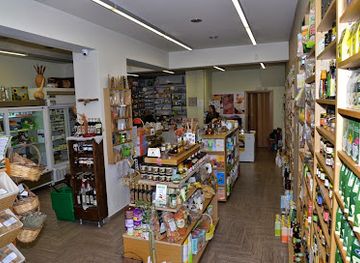
Bio shop - biopantopolio.gr
Explore Bio Shop in Serres for organic products, supplements, and a commitment to health and sustainability.
2 min walk · 0.1 km from city centre
-
Toy store
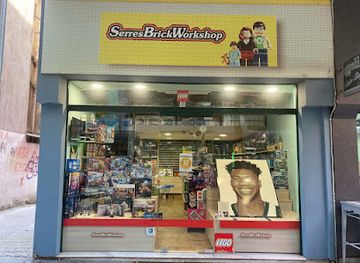
Serres Brick Workshop
Explore the enchanting Serres Brick Workshop, a unique toy store showcasing handmade creations that celebrate Greek craftsmanship and creativity.
3 min walk · 0.3 km from city centre
Get your free copy of our complete guide to Serres, delivered straight to you.
Everything on this page, from attractions and restaurants to essentials and local phrases, in one PDF you can read offline, print or share.
Already have an account? Sign in
Your Serres guide is ready.
We'll send it to · Not you? Sign out

Getting your guide ready…
We are putting together a fresh copy of the Serres guide. This can take up to a minute.
This can take a few moments. If your browser asks, choose Allow so the download can start. You'll find the guide in your Downloads folder.
Nothing happened? Download it again
Sorry, the guide is taking longer than usual. Please try again in a minute, or get it by email instead.
Serres essentials
Currency and Payment
Safety
Emergency Situations
Do's and Don'ts
Local Tips
From Eve
Local phrases worth knowing
You don't need to get them perfect. A few words go a long way, and locals appreciate the effort.
Basics
| English | Local | Say it |
|---|---|---|
| Hello | Γεια σας | [Ya sas] |
| Goodbye | Αντίο | [Adio] |
| Yes | Ναι | [Ne] |
| No | Όχι | [Ohi] |
| Please/You're welcome | Παρακαλώ | [Parakalo] |
| Thank you | Ευχαριστώ | [Efharisto] |
| Excuse me/Sorry | Συγνώμη | [Signomi] |
| How are you? | Τι κάνετε; | [Ti kanete?] |
| Fine. And you? | Καλά. Εσείς; | [Kala. Esis?] |
| Do you speak English? | Μιλάτε Αγγλικά; | [Milate Agglika?] |
| I don't understand | Δεν καταλαβαίνω | [Den katalaveno] |
Eating & Drinking
| English | Local | Say it |
|---|---|---|
| I'd like to see the menu, please | Θα ήθελα να δω το μενού, παρακαλώ | [Tha ithela na do to menu, parakalo] |
| I don't eat meat | Δεν τρώω κρέας | [Den troo kreas] |
| Cheers! | ΥΓΕΙΑ! | [Yia] |
| I would like to pay, please | Θα ήθελα να πληρώσω, παρακαλώ | [Tha ithela na plirosi, parakalo] |
Emergencies
| English | Local | Say it |
|---|---|---|
| Help! | Βοήθεια! | [Voi8eia] |
| Go away! | Φύγε! | [Fiye] |
| Call the Police! | Καλέστε την Αστυνομία! | [Kaleste tin Astynomia] |
| Call a doctor! | Καλέστε γιατρό! | [Kaleste giatro] |
| I'm lost | Έχω χαθεί | [Eho hathee] |
| I'm ill | Είμαι άρρωστος | [Ime arrostos] |
Shopping
| English | Local | Say it |
|---|---|---|
| I'd like to buy... | Θα ήθελα να αγοράσω... | [Tha ithela na agoraso] |
| I'm just looking | Απλώς κοιτάω | [Aplws kitao] |
| How much is it? | Πόσο κοστίζει; | [Poso kostizi?] |
| That's too expensive | Αυτό είναι πολύ ακριβό | [Afto ine poli akribo] |
| Can you lower the price? | Μπορείτε να κατεβάσετε την τιμή; | [Borite na katevasete tin timi?] |
Time & Numbers
| English | Local | Say it |
|---|---|---|
| What time is it? | Τι ώρα είναι; | [Ti ora ine?] |
| It's one o'clock | Είναι μία ώρα | [Ine mia ora] |
| Half past (10) | Μισή (10) | [Misi (10)] |
| Morning | Πρωί | [Proi] |
| Afternoon | Απόγευμα | [Apoyevma] |
| Evening | Βράδυ | [Vradi] |
| Yesterday | Χθες | [Hthes] |
| Today | Σήμερα | [Simera] |
| Tomorrow | Αύριο | [Avrio] |
| 1 | Ένα | [Ena] |
| 2 | Δύο | [Dyo] |
| 3 | Τρία | [Tria] |
| 4 | Τέσσερα | [Tessera] |
| 5 | Πέντε | [Pente] |
| 6 | Έξι | [Exi] |
| 7 | Επτά | [Epta] |
| 8 | Οχτώ | [Okto] |
| 9 | Εννιά | [Ennia] |
| 10 | Δέκα | [Deka] |
Transport & Directions
| English | Local | Say it |
|---|---|---|
| Where's a/the...? | Πού είναι ένα/το...; | [Pou ine ena/to...?] |
| What's the address? | Ποια είναι η διεύθυνση; | [Pia ine i diefthinsi?] |
| Can you show me (on the map)? | Μπορείτε να μου δείξετε (στο χάρτη); | [Borite na mou dixete (sto charti)?] |
| When's the next (bus)? | Πότε είναι το επόμενο (λεωφορείο); | [Pote ine to epomeno (leoforeio)?] |
| A ticket (to ....) | Ένα εισιτήριο (για ....) | [Ena isitirio (gia ....)] |
History of Serres
Ancient Siris and the Strymon Plain
The area around modern Serres was occupied in antiquity, and the ancient settlement commonly identified with Siris developed in the strategically important Strymon basin. The plain connected inland Macedonia with routes towards the Aegean and the lower Strymon River, making agriculture, movement and control of communications central to the region’s history. Ancient communities in the wider area lived amid Thracian and Macedonian influences before the expansion of Macedonian power and, later, Roman authority. The exact relationship between ancient Siris and the later urban settlement is not entirely straightforward, but the city’s enduring importance rests on the same geographical advantage: a defensible position overlooking fertile land and routes between the Balkans and northern Greece.
Roman and Byzantine Serres
Under Roman rule, the settlement formed part of the administrative and commercial world of the eastern empire, benefiting from regional roads and agricultural production. Christianity became increasingly influential during late antiquity, and Serres remained a significant centre in the Byzantine period. The hilltop fortress, known as Koula, reflects the city’s defensive role and contains remains associated with successive phases of fortification. Medieval Serres stood amid repeated struggles between Byzantine rulers, Bulgarian forces and other regional powers because the Strymon valley opened a route into Macedonia. Its churches, fortifications and ecclesiastical traditions connected the city to the wider political and religious life of the Byzantine Balkans.
Ottoman Rule and Commercial Growth
Serres became part of the Ottoman Empire in the fourteenth century and remained under Ottoman rule for several centuries. The city developed as a regional commercial and administrative centre, drawing together Muslim, Orthodox Christian and Jewish communities and trading agricultural goods from the surrounding plain. The Bezesteni, an Ottoman covered market, is the most visible surviving reminder of this period and now serves a cultural rather than commercial purpose. Ottoman Serres also acquired mosques, baths and other civic structures, although many were later altered or lost. The city’s mixed urban character, along with its position near major Balkan routes, shaped local society well into the modern era.
The Balkan Wars and Greek Incorporation
The early twentieth century brought rapid political change to Macedonia. During the Balkan Wars, Serres changed hands amid fighting between Ottoman, Bulgarian, Serbian and Greek forces, and the city was incorporated into the Kingdom of Greece in 1913. The period was marked by violence, displacement and severe damage; much of the urban fabric was affected by fires during the conflict. Greek administration subsequently reshaped public institutions, education and civic life, while population movements altered the city’s demographic balance. Serres’s modern identity therefore emerged not from a single transition but from the reorganisation of a long-established, multi-community Balkan centre after the collapse of Ottoman rule.
Refugee Settlement and Interwar Change
The population exchanges and refugee movements following the Greco-Turkish War brought new residents from Asia Minor and eastern Thrace to Serres and the surrounding region. Their arrival influenced neighbourhood development, commerce, agriculture, foodways and religious life, contributing to the Macedonian character visible today. The interwar years also saw the consolidation of Greek state institutions and the rebuilding of parts of the city after wartime destruction. Local cuisine and family traditions preserve traces of these migrations, particularly in pastries, preserved foods and styles of home cooking. Serres became increasingly integrated into the economic networks of northern Greece while retaining its role as a service centre for the surrounding agricultural plain.
Occupation, Reconstruction and Contemporary Serres
During the Second World War, Serres was again affected by occupation and the wider instability of northern Greece. Post-war reconstruction brought new roads, housing and public buildings, changing the appearance of the centre and extending the city beyond its older core. The economy continued to draw on agriculture, trade, public administration and services, while nearby natural areas gained importance for recreation and regional tourism. Today, the castle hill, the Bezesteni, surviving churches and the pattern of the central streets provide reminders of earlier eras, while cafés, schools, shops and civic institutions express the city’s contemporary role as a regional centre in eastern Macedonia.
Serres in Photos
Browse through our photo collection highlighting the charm and character of the destination.
Cities near Serres
The closest cities to Serres, if you have time for more than one stop.
-

-

-

-

-


Swipe for more cities
Explore more
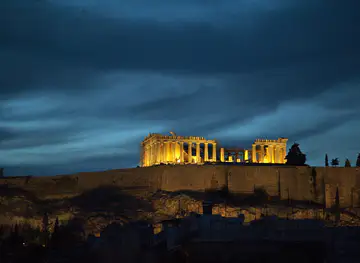
Explore more of Greece
Discover Greece: A land where ancient history meets modern vibrancy, offering stunning islands, crystal-clear seas, and unforgettable cultural experiences.
Explore Greece