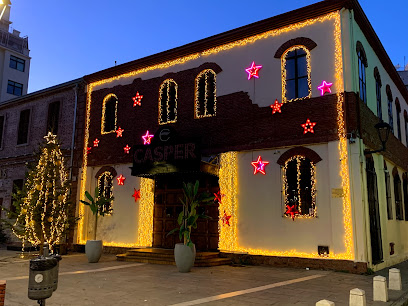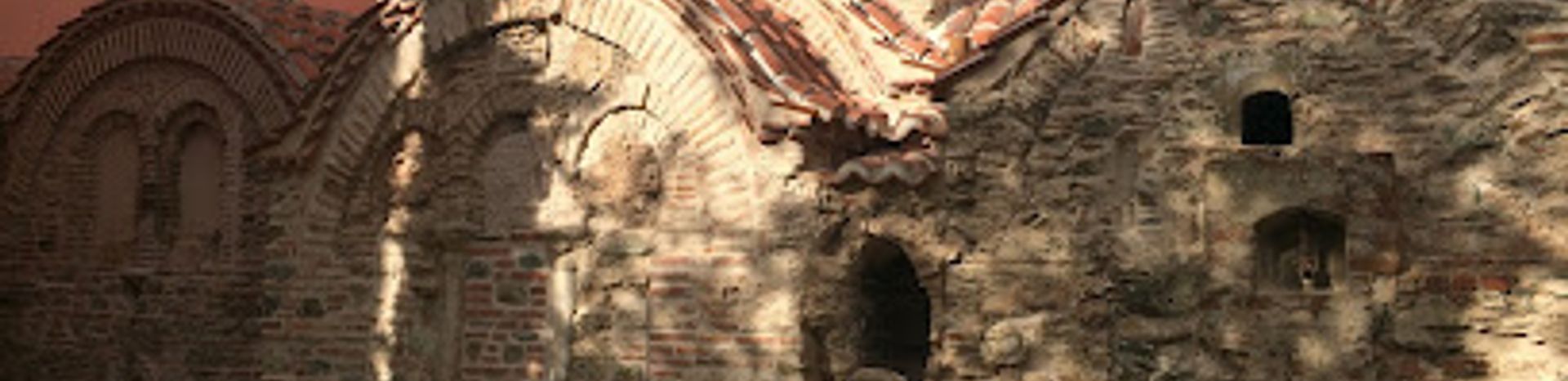
Byzantine Bath of Thessaloniki: A Glimpse into History
Explore a rare example of Byzantine bathing culture in Thessaloniki's Upper Town, a UNESCO World Heritage Site with centuries of history.
The Byzantine Bath of Thessaloniki, dating back to the late 12th or early 13th century, is a rare surviving example of a Byzantine bathhouse in Greece. Located in the Upper Town, it offers a unique insight into Byzantine and Ottoman daily life.
A brief summary to Byzantine Bath of Thessalonica
- Θεοτοκοπούλου, Κρίσπου, Χρυσοστόμου, Φιλοκτήτου &, Thessaloniki, 546 34, GR
- +302313310400
- Visit website
- Wednesday 10 am-1 pm
- Friday 10 am-1 pm
Local tips
- Check the opening hours before visiting, as they are limited and may vary.
- The site is located in the Upper Town, which offers panoramic views of Thessaloniki.
- Combine your visit with a trip to the nearby Church of Osios David or other historical sites in Ano Poli.

Getting There
-
Walking
From Aristotelous Square, walk north towards Egnatia Street. Turn right onto Egnatia Street and continue for approximately 800 meters. Turn left onto Kritis Street, then right onto Theotokopoulou Street. The Byzantine Bath of Thessaloniki will be on your left.
-
Public Transport
From Aristotelous Square, walk to the nearest bus stop on Egnatia Street. Take bus line 5 or 8 towards the city center. Get off at the 'Krystallopigi' stop. Walk along Kritis Street and turn right onto Theotokopoulou Street. The Byzantine Bath will be on your left. A single bus ticket costs €0.60.
-
Taxi
Hail a taxi from the street or use a ride-hailing app. Provide the driver with the address: Θεοτοκοπούλου, Κρίσπου, Χρυσοστόμου, Φιλοκτήτου &, Thessaloniki 546 34. The taxi ride should take approximately 10-15 minutes, depending on traffic. A 5km taxi ride in Thessaloniki would cost approximately €6.
Discover more about Byzantine Bath of Thessalonica
Iconic landmarks you can’t miss

Acropolis Walls
0.4 km
Explore the ancient Acropolis Walls in Sykies, a historic defense structure offering panoramic views of Thessaloniki and a glimpse into the city's past.
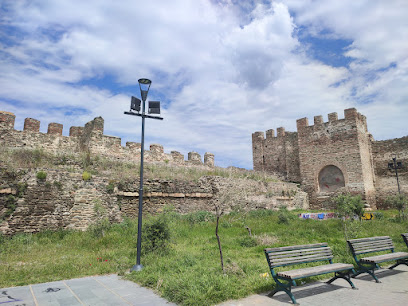
Byzantine Walls of Thessaloniki
0.5 km
Explore Thessaloniki's ancient defenses: Wander through history along the Byzantine Walls, offering stunning city views.
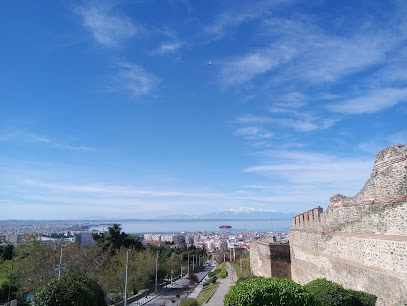
Gate on city old wall
0.5 km
Explore a historic gate in Thessaloniki's ancient fortifications, a testament to the city's rich Byzantine past and enduring cultural heritage.
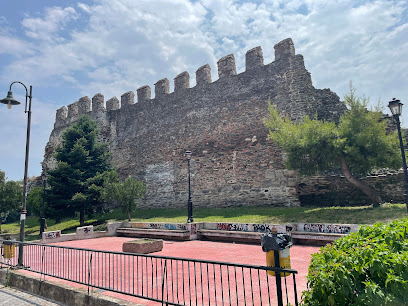
Οικία Ντίνου Χριστιανόπουλου
0.5 km
Discover the enchanting Oikia Ntinou Christianopoulou, a historical landmark in Thessaloniki showcasing stunning architecture and rich cultural heritage.
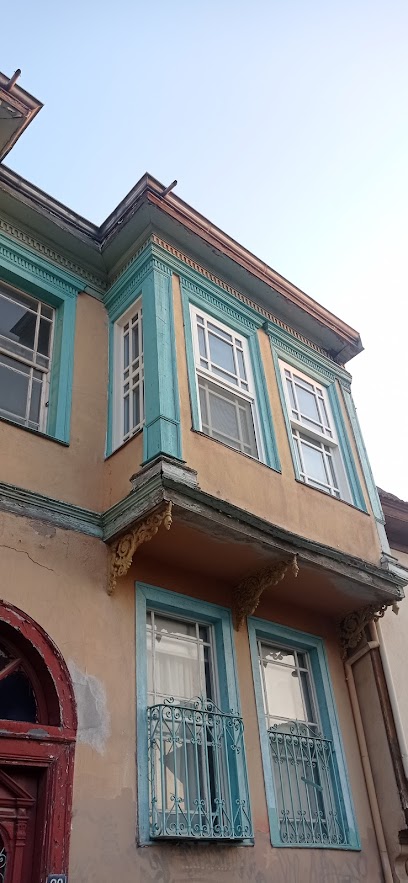
Portara (Main Gate)
0.6 km
Explore Thessaloniki's ancient past at the Portara, a historic gate offering stunning city views and a glimpse into Byzantine architecture.
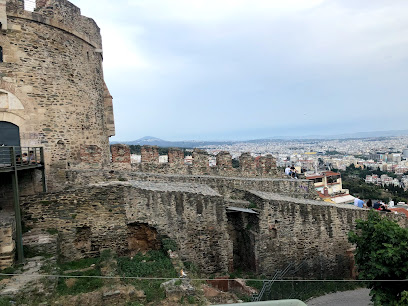
Anna Palaiologina Gate – Trigonio
0.6 km
Explore Thessaloniki's Byzantine past at the Anna Palaiologina Gate, a historic portal offering a glimpse into the city's medieval defenses.
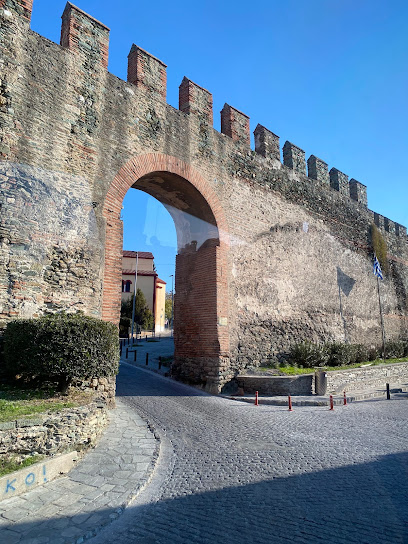
Ancient Agora Square
0.6 km
Explore Thessaloniki's Ancient Agora: a vibrant center of Roman history, culture, and architecture, located in the heart of the city.
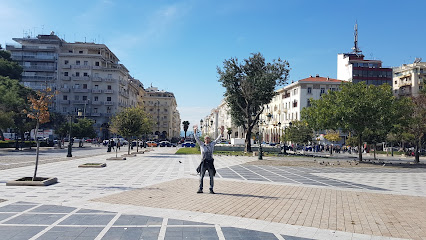
Hellenistic Baths
0.6 km
Explore Thessaloniki's ancient past at the Hellenistic Baths, a window into daily life in the Hellenistic era.
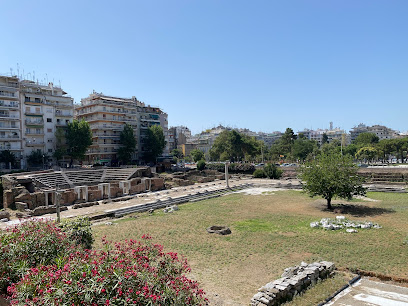
Agias Sofias
0.6 km
Explore Thessaloniki's Agia Sophia, a UNESCO World Heritage Site showcasing stunning Byzantine art, architecture, and centuries of religious history.
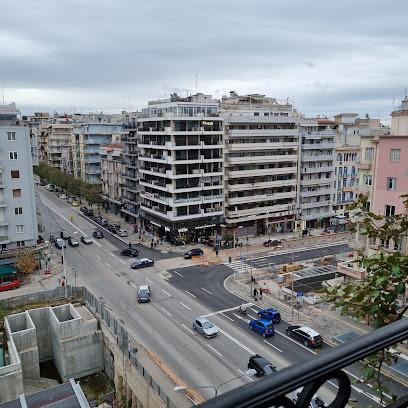
Holy Church of Saint Nicholas Tranos
0.7 km
Discover the serene beauty and rich history of this stunning Greek Orthodox church in the heart of Thessaloniki, a true Byzantine gem.
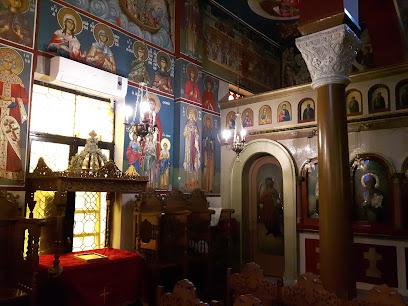
Holy Church of the Virgin Mary Acheiropoietos
0.7 km
Explore Thessaloniki's Byzantine past at the Holy Church of the Virgin Mary Acheiropoietos, a UNESCO World Heritage Site with stunning mosaics and architecture.
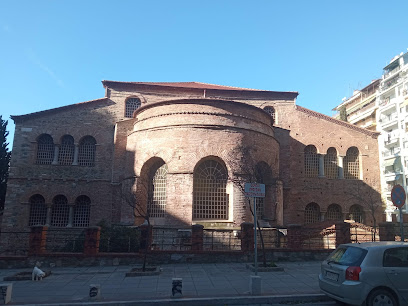
Athanasios Diakos Bust
0.8 km
Explore Thessaloniki's rich heritage at the Athanasios Diakos Bust, a remarkable memorial honoring a hero of Greece's War of Independence.
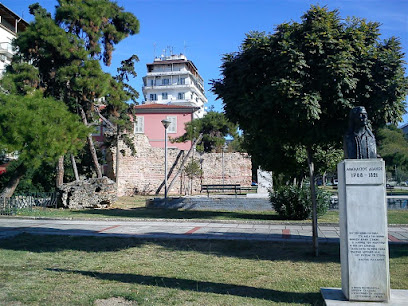
Τείχη Ακροπόλεως
0.8 km
Explore Thessaloniki's Heptapyrgion Fortress: A journey through Byzantine and Ottoman history with panoramic city views from its ancient walls.
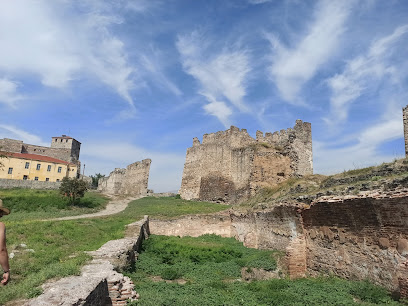
Column of the Snakes
1.0 km
Discover the Column of the Snakes in Thessaloniki, a vestige of Roman grandeur and a silent keeper of the city's historical secrets.
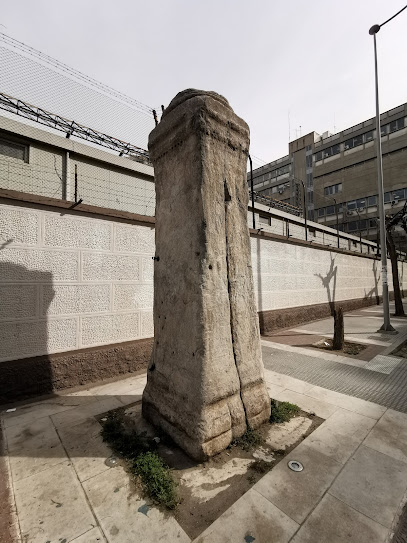
Platia Aristotelous
1.0 km
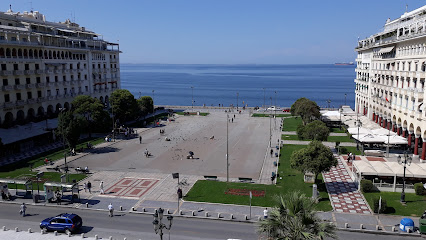
Experience the grandeur of Thessaloniki at Platia Aristotelous, a vibrant waterfront square blending neoclassical architecture with modern city life.
Unmissable attractions to see

Latomos Monastery - Holy Church of Hosios David
0.2 km
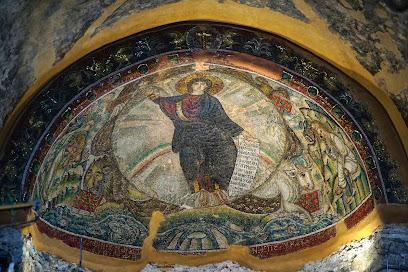
Discover the beauty and tranquility of Latomos Monastery in Thessaloniki, a historic gem showcasing Byzantine art and spiritual heritage.
The Peach House
0.3 km
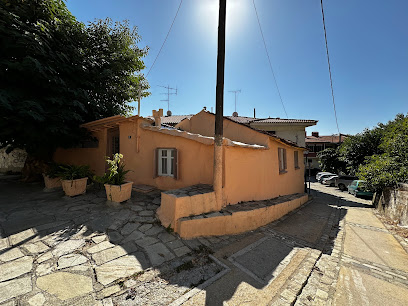
Discover Thessaloniki's historic charm at The Peach House in Ano Poli, where culture, beauty, and panoramic views await.
Vlatadon Monastery
0.3 km
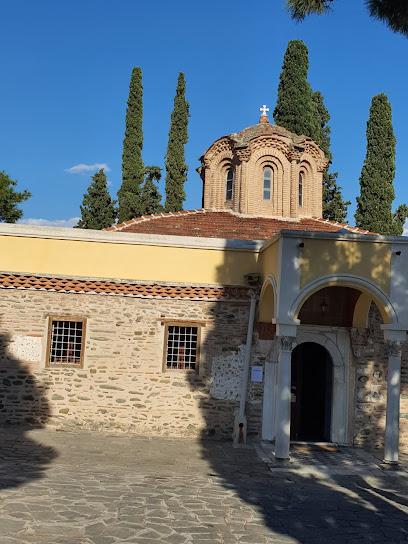
Discover Thessaloniki's Byzantine past at the Vlatadon Monastery, a UNESCO World Heritage Site with stunning views and rich history.
Città antica di Tessalonica
0.3 km
Discover Thessaloniki's ancient heart: Explore cobblestone streets, Byzantine churches, and panoramic views in the captivating Città Antica.
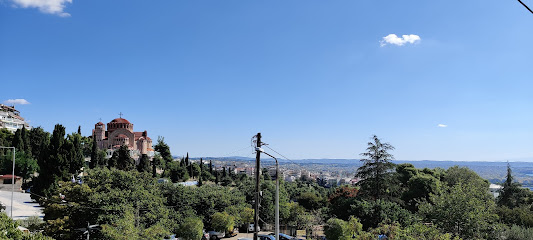
Holy Church of Saint Nicholas Orphanos
0.4 km
Discover Thessaloniki's hidden gem: a 14th-century Byzantine church with stunning frescoes, a UNESCO World Heritage Site, and a serene escape.
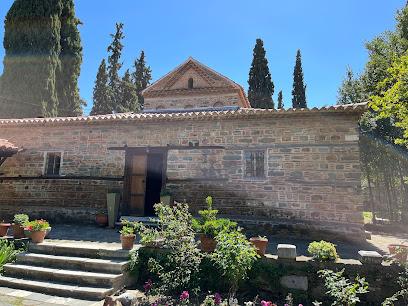
Holy Church of Saint Demetrius, Patron Saint of Thessalonica
0.4 km
Explore the stunning Byzantine mosaics and historical crypt of Thessaloniki's Holy Church of Saint Demetrius, a UNESCO World Heritage Site.
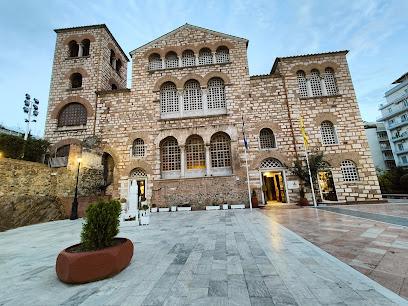
Atatürk Museum
0.4 km
Explore the birthplace of Mustafa Kemal Atatürk, founder of modern Turkey, in this historic Thessaloniki museum.
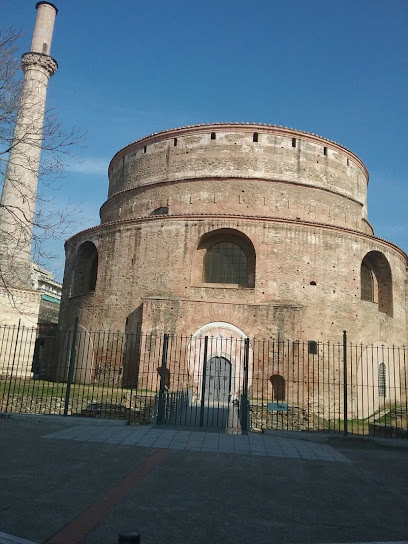
Old town panorama terrace
0.6 km
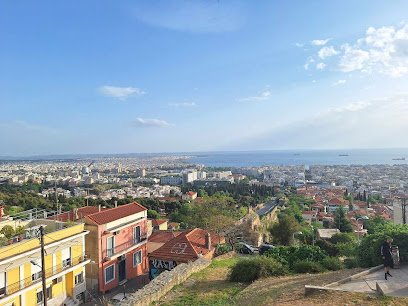
Breathtaking panoramic views of Thessaloniki's historic Old Town, offering a serene escape and a glimpse into the city's rich past.
Trigoniou (Chain) Tower
0.6 km
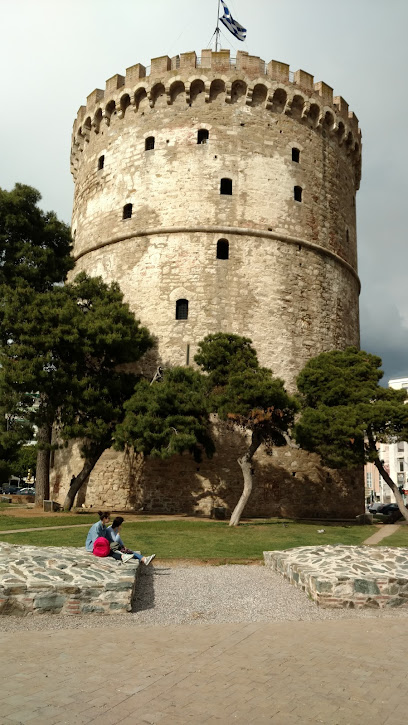
Explore Thessaloniki's Trigoniou Tower: a historic fortress with breathtaking panoramic views of the city and Thermaic Gulf.
Roman Forum of Thessaloniki
0.6 km
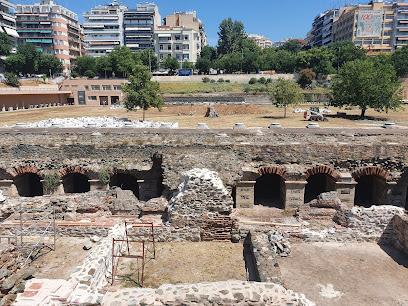
Explore Thessaloniki's Roman heart: Uncover the ruins of the ancient forum, marketplace, and theater in the city center.
Rotunda
0.7 km
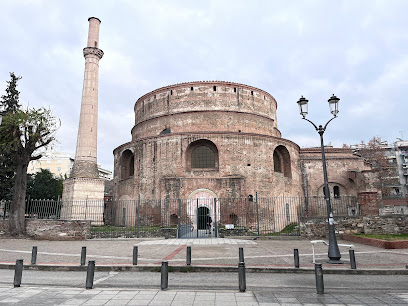
Explore Thessaloniki's iconic Rotunda: a journey through Roman, Byzantine, and Ottoman history, adorned with stunning mosaics.
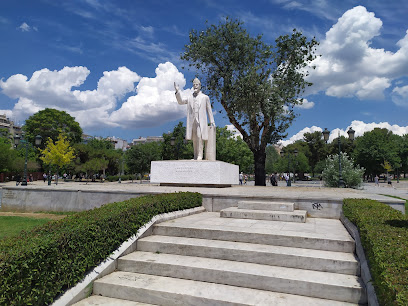
Statue of Eleftherios Venizelos
0.8 km
Explore the Statue of Eleftherios Venizelos in Thessaloniki, a captivating monument celebrating the legacy of Greece's transformative leader.
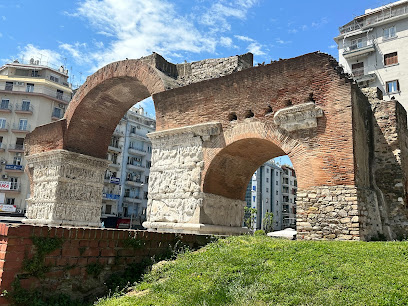
Arch of Galerius
0.8 km
Discover the Arch of Galerius in Thessaloniki, a historic marvel showcasing ancient Roman artistry and architectural brilliance, steeped in rich cultural heritage.
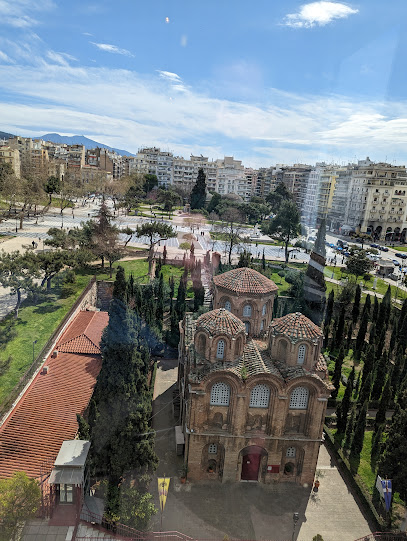
Church of Panagia Chalkeon
0.8 km
Explore Thessaloniki's 'Red Church,' a UNESCO-listed Byzantine masterpiece with stunning frescoes and a rich history dating back to the 11th century.
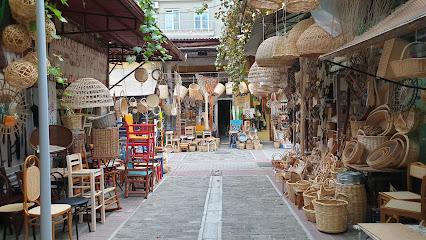
Athonos Square
0.9 km
Discover the vibrant energy and authentic Greek flavors at Athonos Square, the cultural heart of Thessaloniki, perfect for every tourist's itinerary.
Essential places to dine

Konaki
0.2 km
Savor authentic Greek cuisine at Konaki - a culinary treasure in Thessaloniki offering delightful dishes in a warm atmosphere.
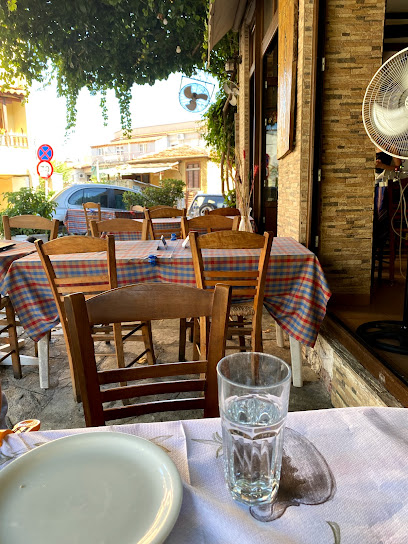
Nea Folia
0.2 km
Experience authentic Greek cuisine at Nea Folia in Thessaloniki – where every dish tells a story!
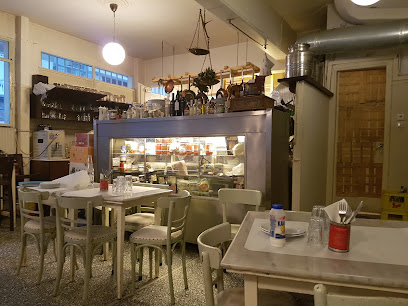
Phiskárdo
0.2 km
Experience authentic Mediterranean flavors at Phiskárdo in Thessaloniki - where fresh ingredients meet culinary tradition.
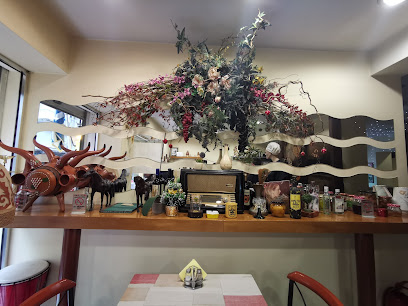
Igglis
0.4 km
Discover the flavors of Mediterranean cuisine at Igglis in Thessaloniki – where every dish is crafted with passion and tradition.
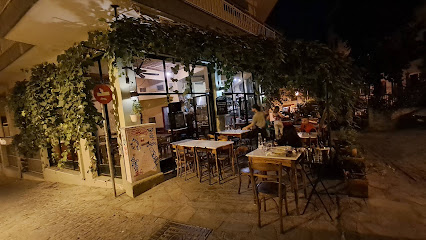
Η στάση (συνεργατικόν καφενείον)
0.4 km
Discover authentic Greek flavors at Η στάση in Thessaloniki - where every dish tells a story.
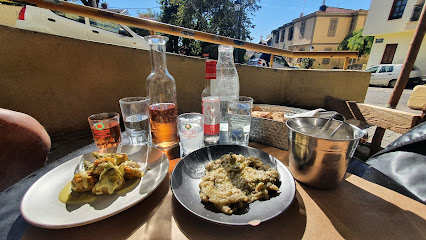
Wall by Wall
0.4 km
Experience authentic Greek flavors at Wall by Wall, a Mediterranean gem in Thessaloniki offering delicious tapas and traditional dishes.
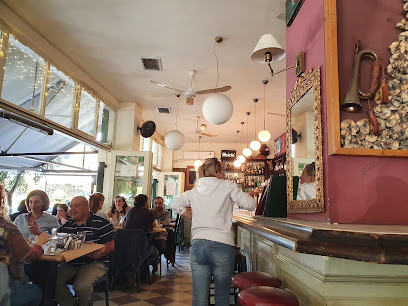
Koukida Fun-Seafood
0.5 km
Discover the taste of Greece at Koukida Fun-Seafood in Thessaloniki - where fresh seafood meets warm hospitality.
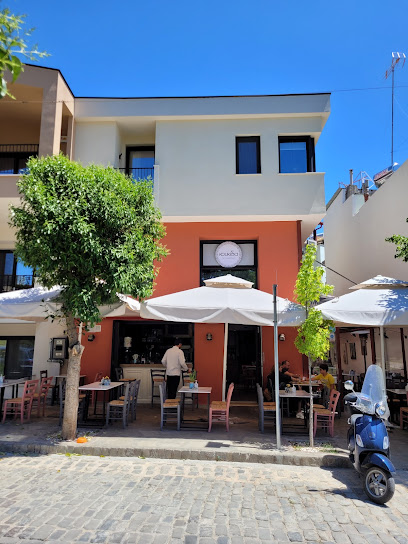
Oinohoos
0.5 km
Experience traditional Greek flavors at Oinohoos in Thessaloniki—where every dish tells a story.
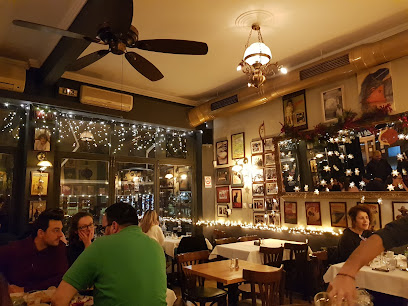
Mourga
0.5 km
Experience authentic Greek cuisine at Mourga in Thessaloniki – where tradition meets taste in a warm and inviting atmosphere.
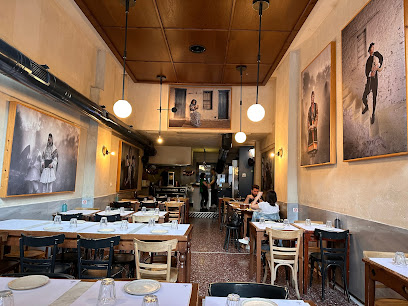
Tsinari tavern
0.6 km
Discover Tsinari Tavern in Thessaloniki: A must-visit for authentic Greek cuisine and unforgettable dining experiences.
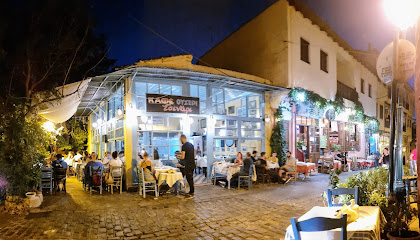
Prytanio
0.6 km
Discover authentic Greek flavors at Prytanio, a top-rated restaurant in Thessaloniki offering delightful dishes in a warm ambiance.
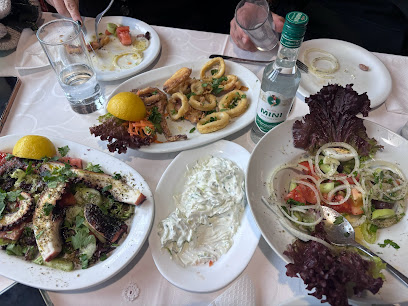
Daisi Restaurant
0.6 km
Experience authentic Georgian cuisine at Daisi Restaurant in Thessaloniki, where tradition meets flavor in every dish.
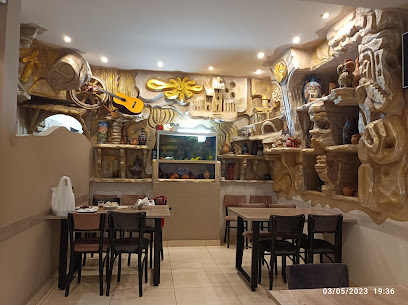
Το Πρυτανείο
0.6 km
Discover the rich flavors of Greece at Το Πρυτανείο in Thessaloniki - where tradition meets culinary excellence.
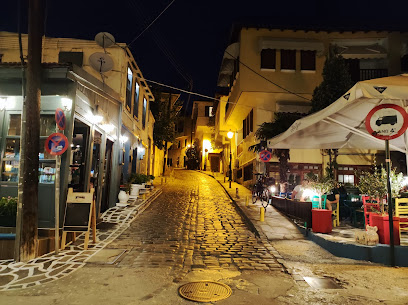
Kanoula
0.6 km
Discover authentic Greek cuisine at Kanoula in Thessaloniki - where every dish tells a story!
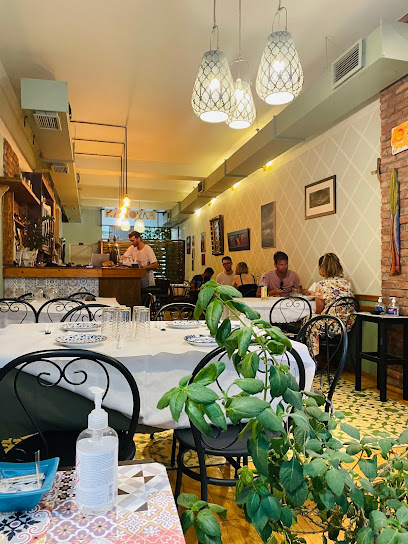
Tsarouchas Restaurant
0.7 km
Discover the essence of Greek cuisine at Tsarouchas Restaurant in Thessaloniki - where tradition meets taste in every dish.
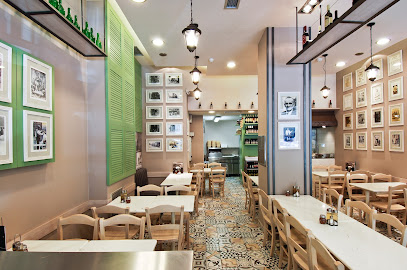
Markets, malls and hidden boutiques

IXNK ΕΙΚΟΝΕΣ - ΑΓΙΟΓΡΑΦΙΕΣ
0.5 km
Explore IXNK ΕΙΚΟΝΕΣ - ΑΓΙΟΓΡΑΦΙΕΣ for unique souvenirs and local art in Thessaloniki, capturing the spirit of Greece in every piece.
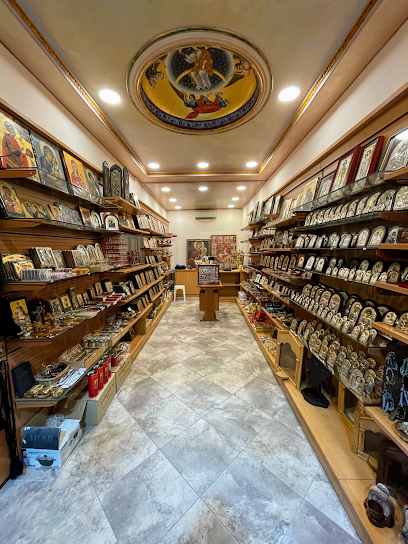
TILT! gifts
0.7 km
Explore TILT! Gifts in Thessaloniki for unique souvenirs that embody the spirit of Greece, supporting local artisans and culture.
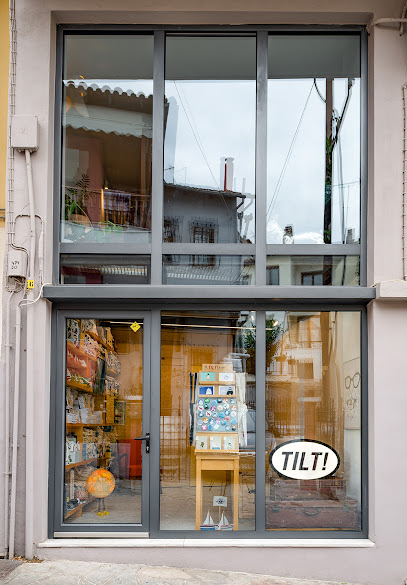
V for Vintage
0.7 km
Explore V for Vintage in Thessaloniki for a unique shopping experience filled with timeless clothing treasures and local fashion flair.
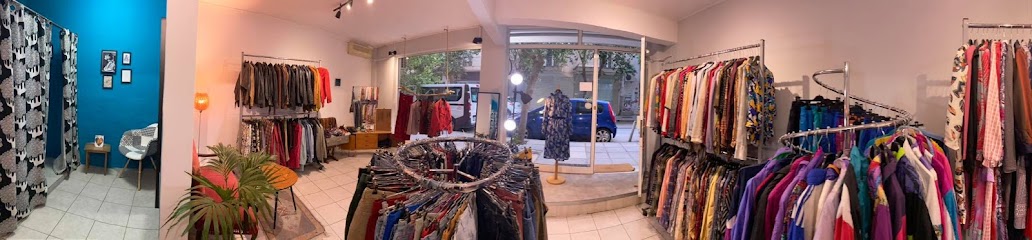
ATELIEANASTASIA
0.7 km
Explore the charm of Thessaloniki with unique handcrafted gifts and local treasures at ATELIEANASTASIA, your go-to gift shop.
Vaudeville Room
0.7 km
Explore Thessaloniki's fashion scene at Vaudeville Room, where unique styles and exceptional service create a memorable shopping experience.
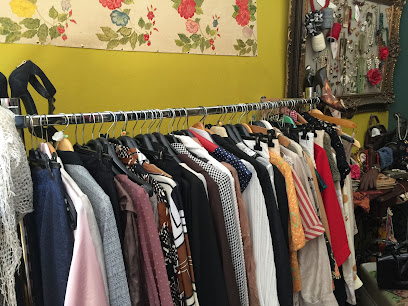
hatch.gr
0.7 km
Explore Thessaloniki's premier fashion accessories store for unique leather goods, stylish sunglasses, and vintage clothing that elevate your style.
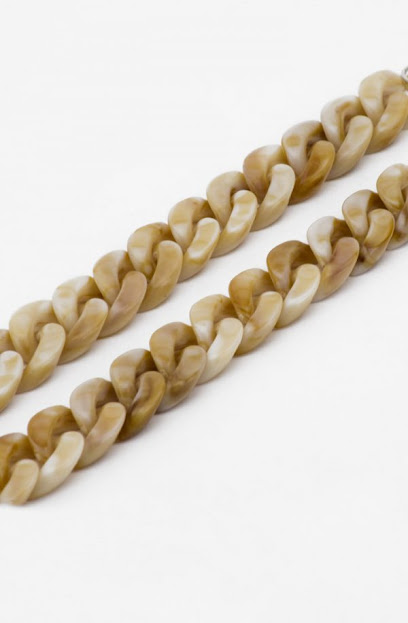
ANTIQUE MARKET
0.7 km
Explore Thessaloniki's Antique Market for unique treasures and a glimpse into the city's rich cultural history.
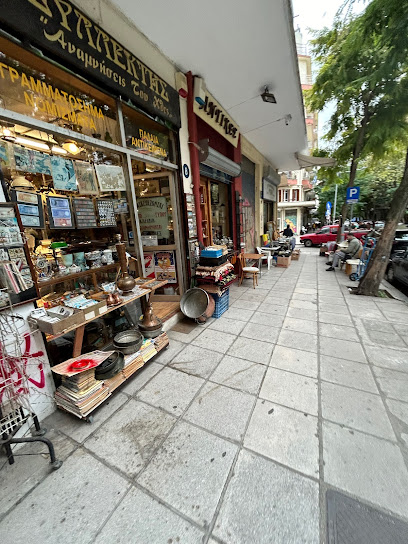
FETOKIS DIMITRIOS
0.7 km
Explore the charm of history at Fetokis Dimitrios, an antique store in Thessaloniki with a unique collection of vintage treasures.
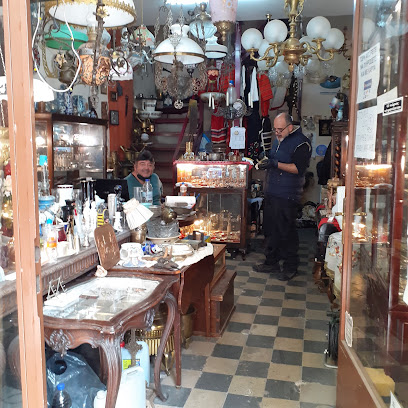
Merci Boutique
0.8 km
Explore unique fashion and curated styles at Merci Boutique in Thessaloniki, where elegance meets contemporary trends.

Flying Tiger Copenhagen
0.8 km
Discover a treasure trove of fun and unique gifts at Flying Tiger Copenhagen in Thessaloniki, where creativity meets affordability.
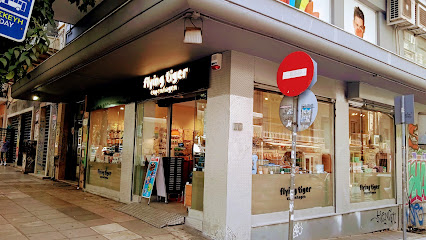
Oldd Fashion - Vintage Clothing
0.8 km
Explore Oldd Fashion in Thessaloniki for a unique vintage clothing experience with a personal touch and timeless treasures.
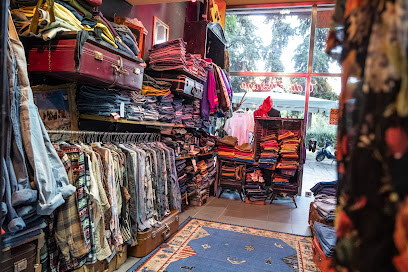
Loko's
0.9 km
Explore Loko's Gift Shop in Thessaloniki for unique souvenirs and local crafts that embody the spirit of Greece.
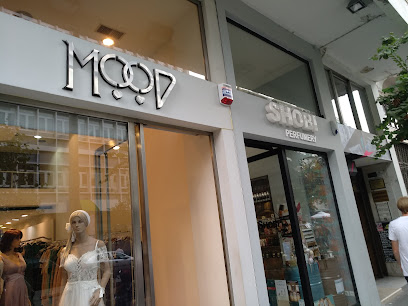
Mood Boutique
0.9 km
Explore the stylish offerings at Mood Boutique in Thessaloniki, where modern fashion meets timeless elegance for every woman's wardrobe.
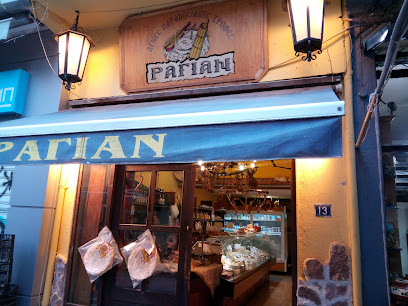
Ragian S.A.
0.9 km
Explore the culinary treasures of Ragian S.A. in Thessaloniki - a grocery store offering local delicacies and international favorites in a vibrant atmosphere.
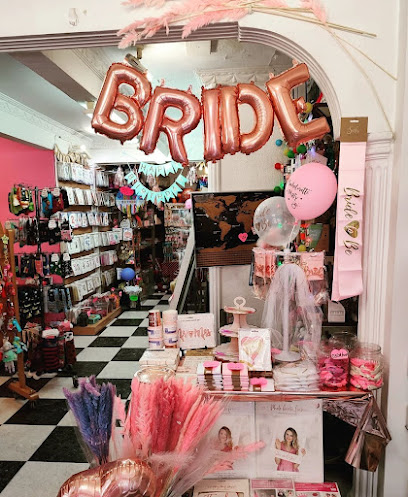
It's All Greek On Me
0.9 km
Explore contemporary Greek fashion at It's All Greek On Me, a unique clothing store in the vibrant heart of Thessaloniki.
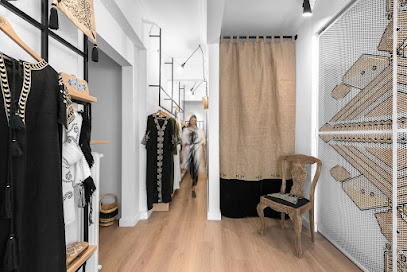
Essential bars & hidden hideouts

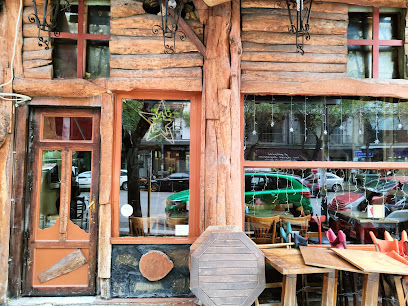
Ερείπιο rock bar
0.4 km
Discover the vibrant energy of Ερείπιο Rock Bar in Thessaloniki, where rock music meets a lively atmosphere and affordable drinks.
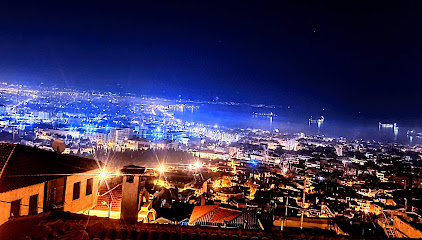
Castra- All Day Terrace Bar
0.5 km
Discover the vibrant atmosphere and breathtaking views at Castra, Thessaloniki's premier terrace bar for cocktails and coffee.
The Blues Bar
0.5 km
Discover the vibrant atmosphere of The Blues Bar in Thessaloniki, where delightful drinks and live music create an unforgettable experience.
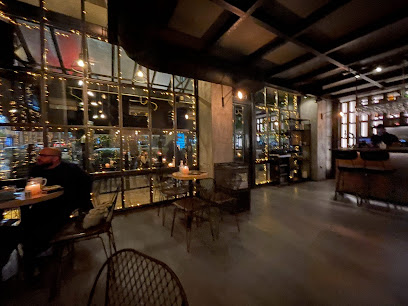
Le Coq tail mix bar
0.6 km
Discover the vibrant nightlife of Thessaloniki at Le Coq Tail Mix Bar, where innovative cocktails and a cozy atmosphere await.
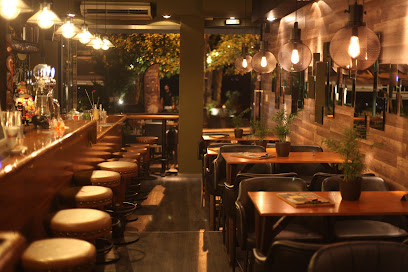
The Nectar Distillery
0.8 km
Experience the vibrant nightlife at The Nectar Distillery, Thessaloniki's premier bar for artisanal cocktails and unforgettable moments.
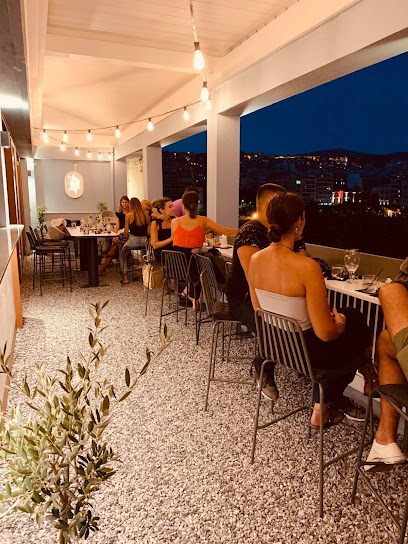
Kafodeio Greek
0.9 km
Discover the vibrant atmosphere of Kafodeio Greek in Thessaloniki, where exceptional coffee, live music, and a welcoming ambiance await.
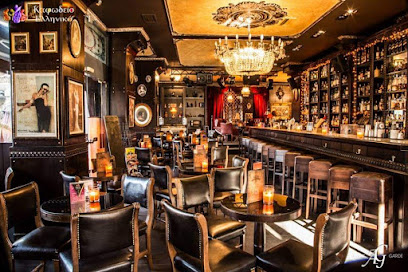
Pulp
0.9 km
Experience the vibrant nightlife at Pulp, a trendy bar in Thessaloniki offering a wide selection of drinks and lively entertainment.
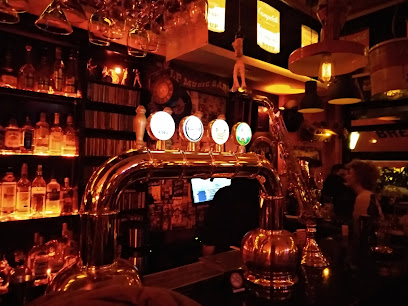
Funky Monkey SKG
1.0 km
Experience the lively nightlife at Funky Monkey SKG, a trendy bar in Thessaloniki known for its creative cocktails and vibrant atmosphere.
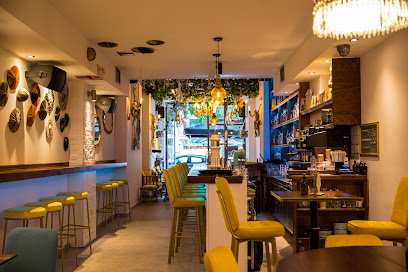
Ενοχές Bar
1.0 km
Discover the vibrant atmosphere of Ενοχές Bar, where art meets entertainment in the heart of Thessaloniki's nightlife.
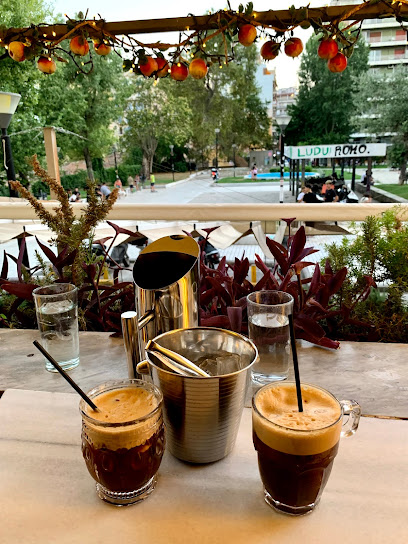
Arrogant Bar
1.1 km
Discover the vibrant nightlife of Thessaloniki at Arrogant Bar, where exquisite cocktails and a lively atmosphere await.
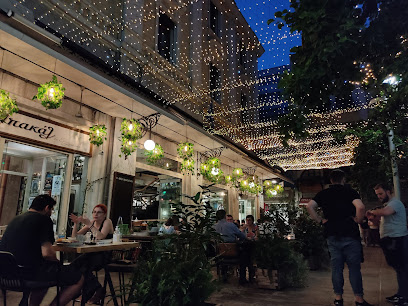
Lipuu Bar
1.1 km
Discover the vibrant nightlife of Thessaloniki at Lipuu Bar, where locals and visitors gather for drinks, snacks, and unforgettable experiences.
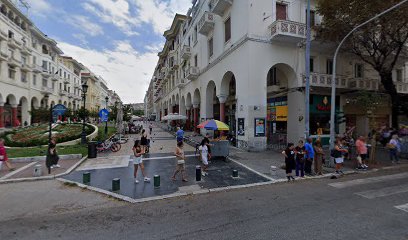
Bolivar
1.1 km
Discover Bolivar, a vibrant bar in Thessaloniki, where local culture meets refreshing drinks and a lively social scene.
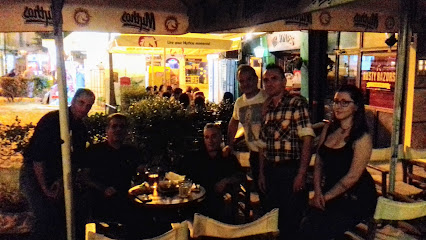
Alea Winebar
1.2 km
Discover the vibrant heart of Thessaloniki at Alea Winebar, where exceptional wines and a cozy atmosphere create unforgettable moments.
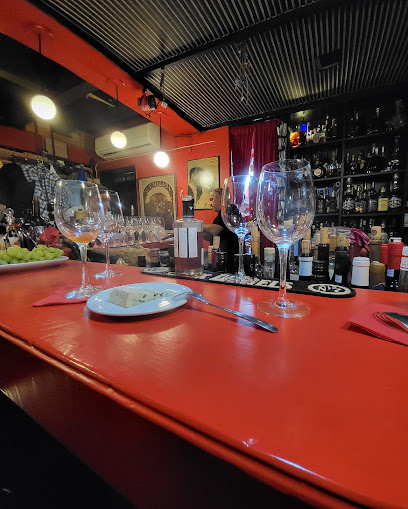
OLD str. Downtown Bar
1.2 km
Discover the lively atmosphere and delicious drinks at OLD str. Downtown Bar in Thessaloniki, a perfect spot for unwinding after a day of exploration.
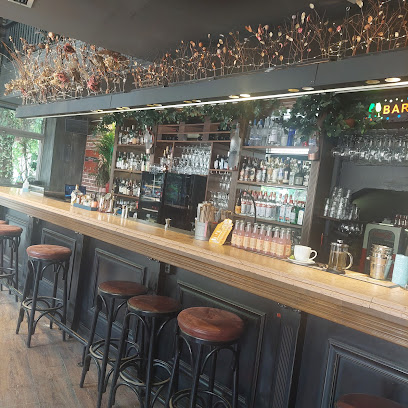
Tenoro
1.2 km
Experience the lively atmosphere and diverse drink selection at Tenoro, a must-visit bar in the heart of Thessaloniki, Greece.
Nightclubs & after hour spots

Aigli Geni Hamam
0.4 km
Discover Thessaloniki's nightlife at Aigli Geni Hamam - a vibrant club offering cocktails, dining, and dancing in a unique atmosphere.
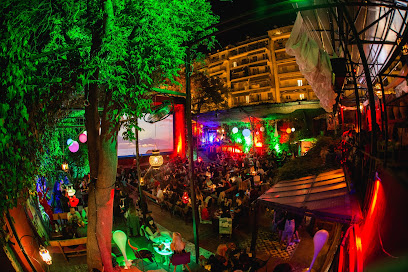
Muse in chorus Thessaloniki
1.2 km
Discover the vibrant nightlife of Thessaloniki at Muse in Chorus, the ultimate destination for music lovers and party seekers alike.
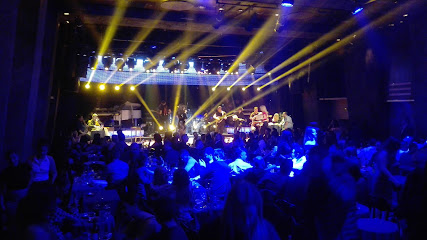
Keramoti
1.2 km
Discover the vibrant nightlife of Keramoti, Greece, where lively nightclubs and breathtaking coastal views create unforgettable evening experiences.
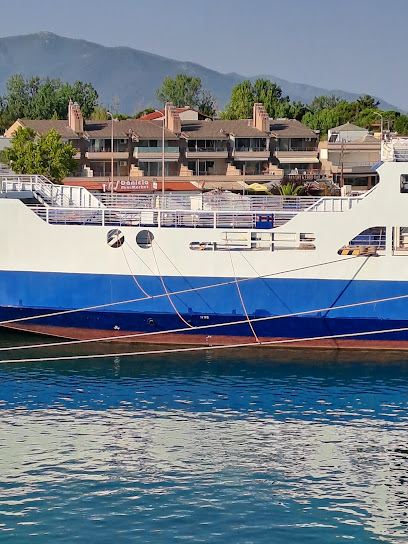
Doúkissa
1.2 km
Dive into Thessaloniki's nightlife at Doúkissa, a premier night club offering electrifying music, vibrant atmosphere, and unforgettable memories.
Soulshakers bar services
1.3 km
Dive into Thessaloniki's nightlife at Soulshakers Bar Services, where innovative cocktails and electrifying music create an unforgettable evening.
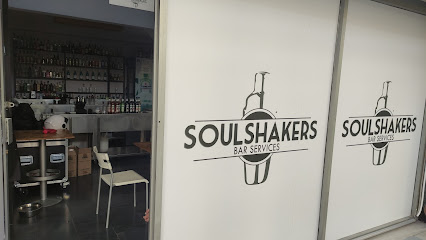
Route 88
1.3 km
Dive into Thessaloniki's nightlife at Route 88, where electrifying rock music, great drinks, and a vibrant atmosphere await every music lover.
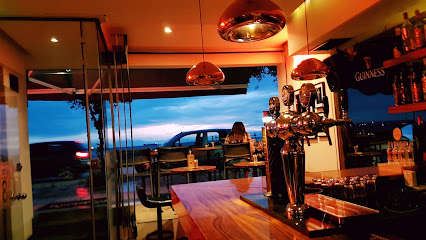
Brockolo
1.3 km
Discover the vibrant nightlife of Thessaloniki at Brockolo, where Greek music and a lively atmosphere create unforgettable nights.
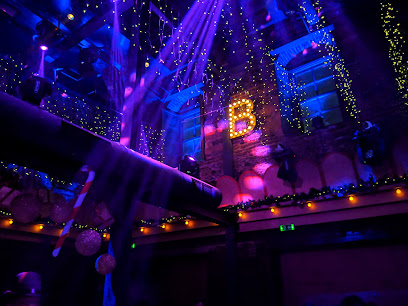
Blue Iguana
1.4 km
Dive into the vibrant nightlife of Thessaloniki at Blue Iguana Night Club, where music, dancing, and unforgettable memories await.
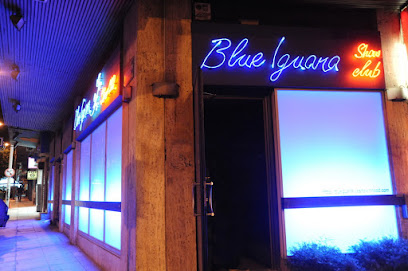
Partytura
1.4 km
Discover Thessaloniki's dynamic nightlife at Partytura, where music and dance ignite the spirit of celebration.
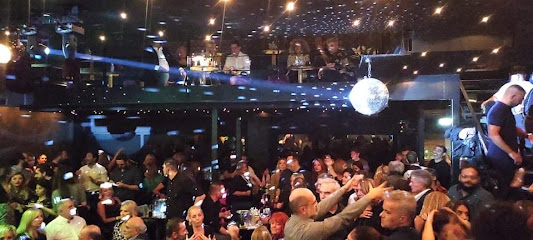
MABÉL Bar Club Thessaloniki
1.4 km
Discover Thessaloniki's vibrant nightlife at MABÉL Bar Club, where music, dance, and unforgettable memories await.
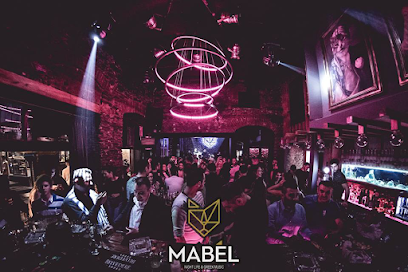
Bijou
1.4 km
Discover the electrifying nightlife of Thessaloniki at Bijou, a top nightclub known for its dynamic atmosphere and unforgettable music.
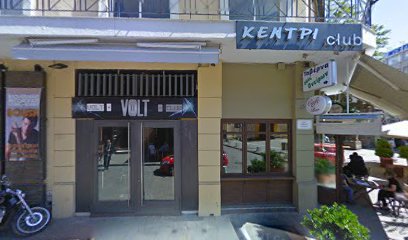
PÊTRA CLUB
1.4 km
Discover Thessaloniki's vibrant nightlife at PÊTRA CLUB, where the music never stops and the fun never ends.
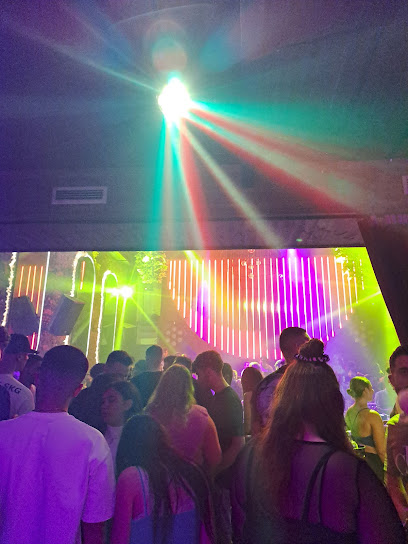
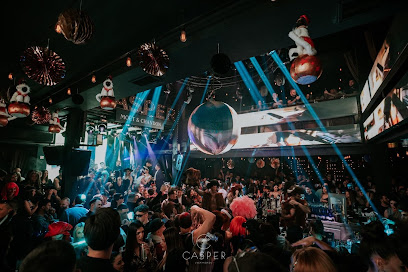
Casper
1.4 km
Discover the electrifying atmosphere and vibrant nightlife at Casper, Thessaloniki's premier dance club, where every night is a celebration.
AMOR NIGHTCLUB
1.4 km
Discover the electrifying nightlife of Thessaloniki at AMOR Nightclub, where unforgettable moments await in a vibrant atmosphere.
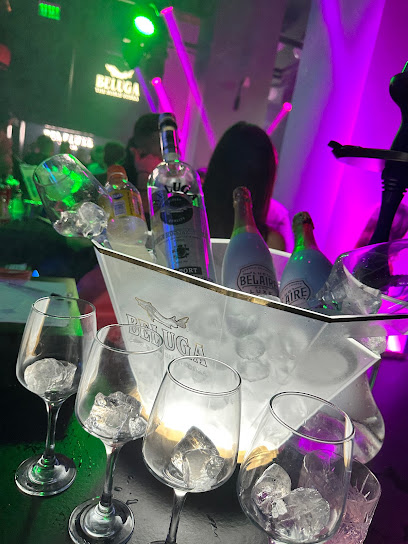
Eightball
1.5 km
Dive into Thessaloniki's nightlife at Eightball, where electrifying beats and a vibrant atmosphere keep you dancing until dawn.