Arch of Galerius: A Triumphal Gateway Through Time
A majestic Roman monument in Thessaloniki, the Arch of Galerius commemorates imperial victory and showcases intricate ancient artistry.
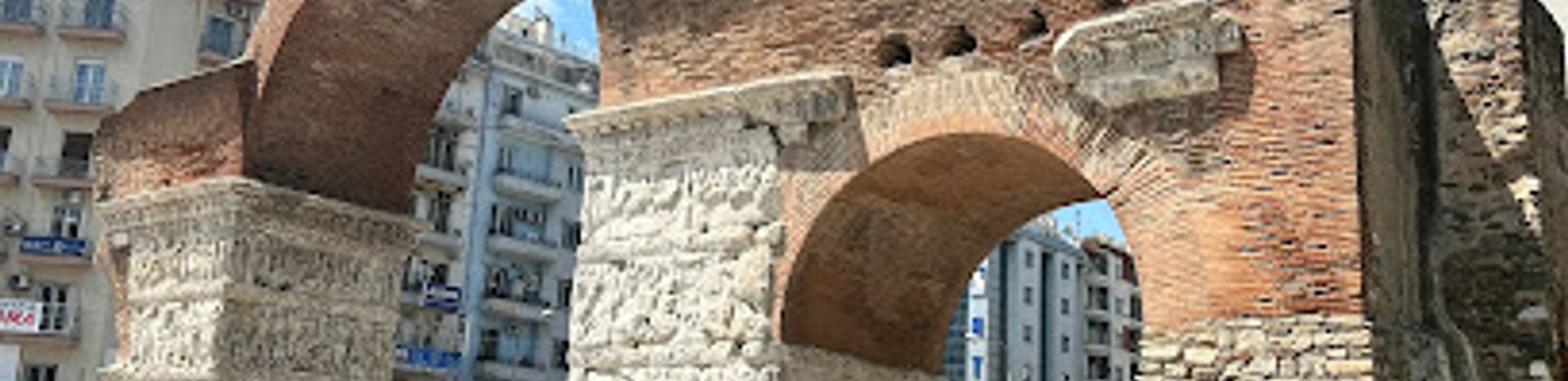
The Arch of Galerius, locally known as Kamara, is a prominent Roman monument in Thessaloniki, Greece, erected in the early 4th century AD to honor Emperor Galerius' victory over the Persians. Today, it stands as a captivating landmark, showcasing intricate marble relief panels depicting scenes from Roman military campaigns and imperial life.
A brief summary to Arch of Galerius
- Egnatia 144, Thessaloniki, 546 22, GR
- +302313310400
- Visit website
Local tips
- Visit during the day to fully appreciate the intricate details of the marble relief panels.
- Combine your visit with a trip to the nearby Rotunda and the ruins of Galerius' palace to explore the broader historical context.
- Take a stroll along Egnatia Street, where the arch is located, to experience Thessaloniki's vibrant city life.
- Visit in the early morning or late afternoon to avoid crowds and enjoy a more peaceful experience.

Getting There
-
Walking
From Aristotelous Square, walk east along Egnatia Street for approximately 15 minutes. The Arch of Galerius is located at the intersection of Egnatia and Dimitriou Gounari streets. The walk is straightforward and passes by numerous shops and cafes.
-
Public Transport
From the Thessaloniki New Railway Station, take the Metro Line 1 to Sintrivani station. The arch is a short walk from the station. A single metro ticket costs €3.50.
-
Taxi
A taxi from the Thessaloniki Airport (SKG) to the Arch of Galerius typically costs between €24 and €30 and takes approximately 16 minutes. A taxi from Aristotelous Square to the Arch of Galerius costs approximately €4 - €6.
Discover more about Arch of Galerius
Iconic landmarks you can’t miss

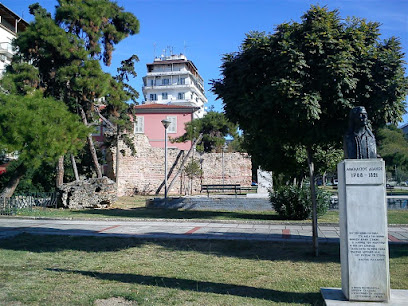
Athanasios Diakos Bust
0.2 km
Explore Thessaloniki's rich heritage at the Athanasios Diakos Bust, a remarkable memorial honoring a hero of Greece's War of Independence.
Palace of Galerius
0.3 km
Step back in time and explore the ruins of Emperor Galerius' Palace in the heart of Thessaloniki, a window into the city's Roman past.
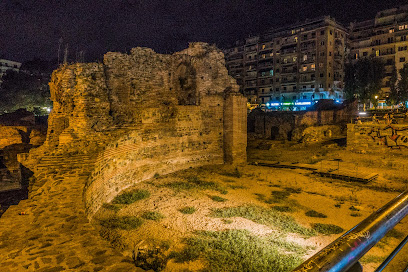
The Roman Hippodrome of Thessalonica
0.3 km
Explore the echoes of chariot races and ancient spectacles at the Roman Hippodrome of Thessaloniki, a window into the city's Roman past.
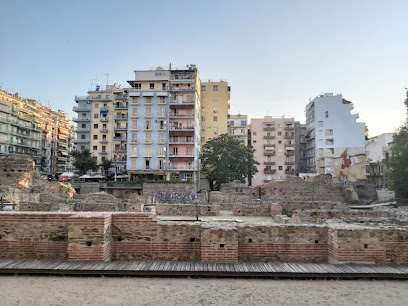
Basilica of the Galerian Complex
0.3 km
Explore the Basilica of the Galerian Complex in Thessaloniki, a remarkable landmark showcasing Roman grandeur and early Christian history.
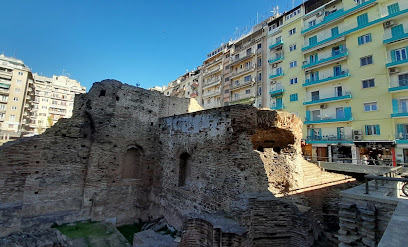
Thessaloniki History Center
0.4 km
Explore Thessaloniki's past through archives, exhibitions, and research at the History Center in Hippodrome Square.
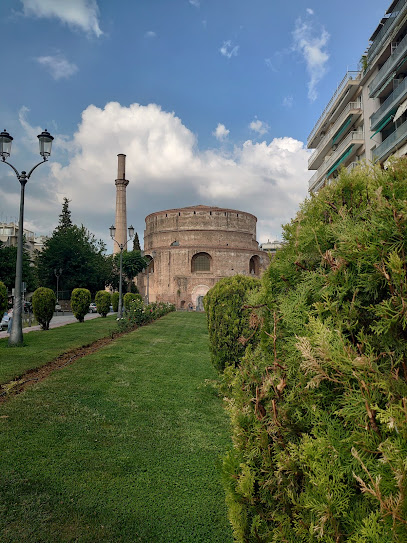
Holy Church of the Virgin Mary Acheiropoietos
0.5 km
Explore Thessaloniki's Byzantine past at the Holy Church of the Virgin Mary Acheiropoietos, a UNESCO World Heritage Site with stunning mosaics and architecture.
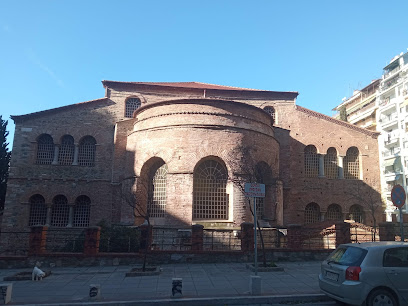
Μέγαρο Κομπούλη
0.5 km
Explore Thessaloniki's architectural gem, the Μέγαρο Κομπούλη, a historic mansion on the bustling Tsimiski Street.
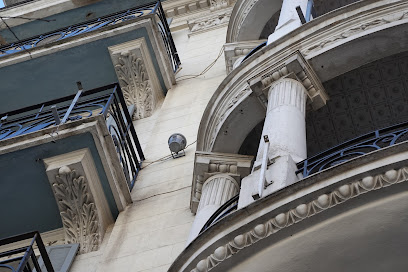
Agias Sofias
0.5 km
Explore Thessaloniki's Agia Sophia, a UNESCO World Heritage Site showcasing stunning Byzantine art, architecture, and centuries of religious history.
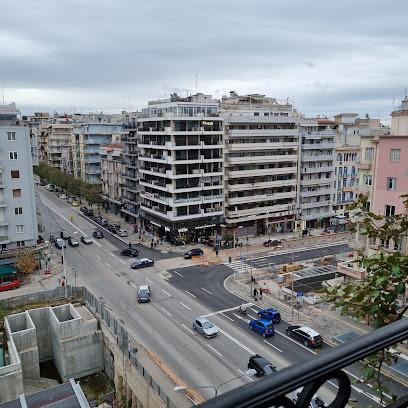
Ioannis Papafis Monument
0.6 km
Honoring Ioannis Papafis, Thessaloniki's great benefactor, with a marble monument in Tsirogiannis Park, a symbol of his lasting legacy.
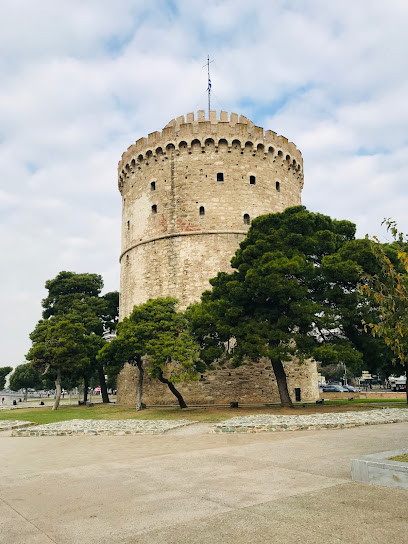
Holy Church of Saint Nicholas Tranos
0.6 km
Discover the serene beauty and rich history of this stunning Greek Orthodox church in the heart of Thessaloniki, a true Byzantine gem.
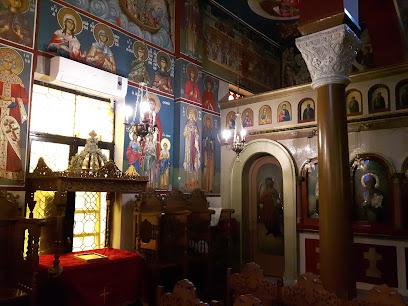
Το Βόρειο Τμήμα Του 1ου Μέρους
0.7 km
Explore the Voreio Tmima, a historical gem in Thessaloniki, revealing the city's rich architectural and cultural heritage.
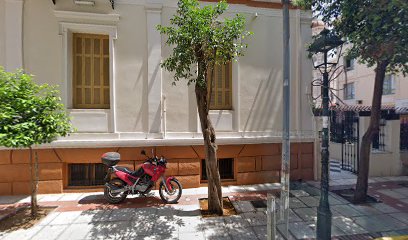
Hellenistic Baths
0.7 km
Explore Thessaloniki's ancient past at the Hellenistic Baths, a window into daily life in the Hellenistic era.
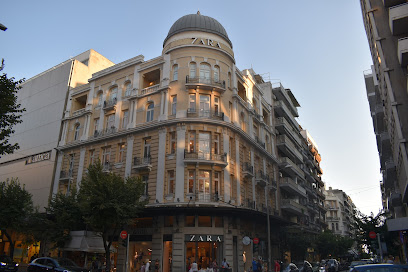
Μέγαρο Πρεβεδουράκη
0.7 km
Explore Μέγαρο Πρεβεδουράκη on Thessaloniki's vibrant Tsimiski Street, a blend of history and modern city life.
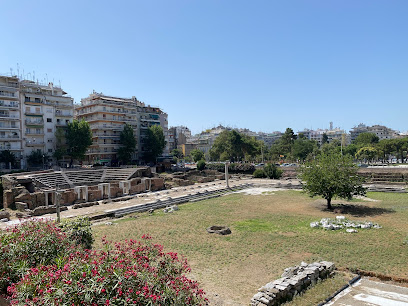
Ancient Agora Square
0.8 km
Explore Thessaloniki's Ancient Agora: a vibrant center of Roman history, culture, and architecture, located in the heart of the city.
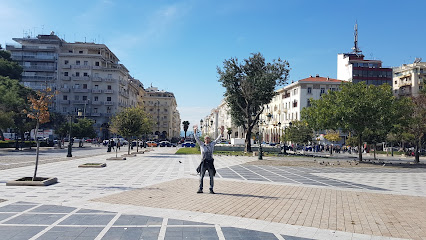
Platia Aristotelous
0.8 km
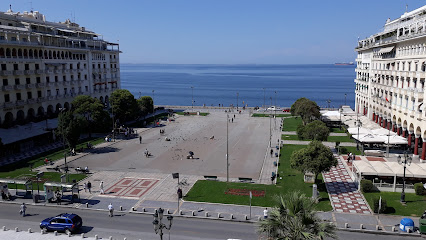
Experience the grandeur of Thessaloniki at Platia Aristotelous, a vibrant waterfront square blending neoclassical architecture with modern city life.
Unmissable attractions to see

Apsidal Hall of the Galerian Complex
0.1 km
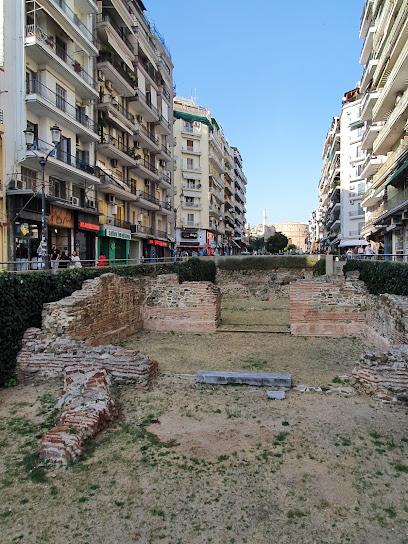
Explore the Apsidal Hall of the Galerian Complex in Thessaloniki, an architectural gem steeped in ancient Roman history and culture.
Rotunda
0.2 km
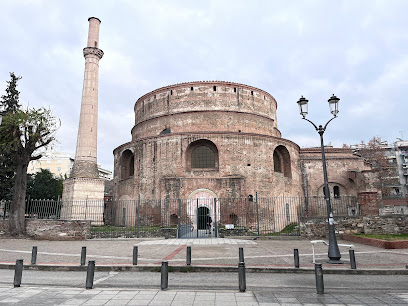
Explore Thessaloniki's iconic Rotunda: a journey through Roman, Byzantine, and Ottoman history, adorned with stunning mosaics.
East Byzantine Walls of Thessaloniki
0.2 km
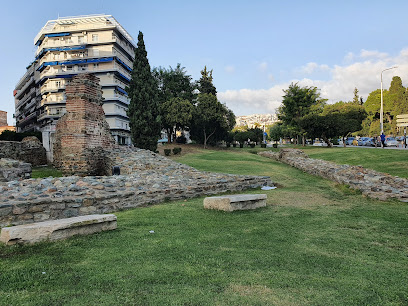
Explore Thessaloniki's East Byzantine Walls: a journey through history, offering stunning views and a glimpse into the city's ancient defenses.
Navarino Square
0.3 km
Experience the vibrant atmosphere and rich history of Navarino Square, a must-visit landmark in Thessaloniki's cultural heart.
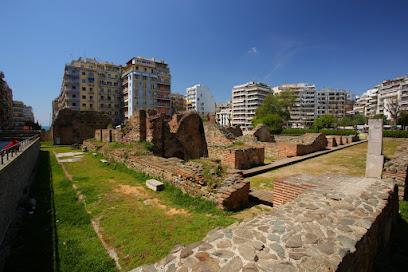
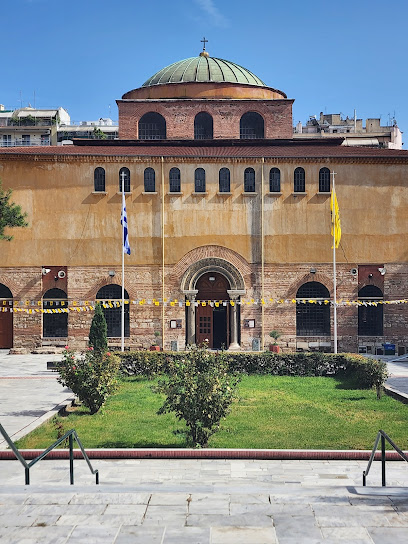
Holy Church of Hagia Sophia
0.4 km
Explore Thessaloniki's Hagia Sophia, a UNESCO World Heritage Site, showcasing Byzantine art, architecture, and a rich, transformative history.
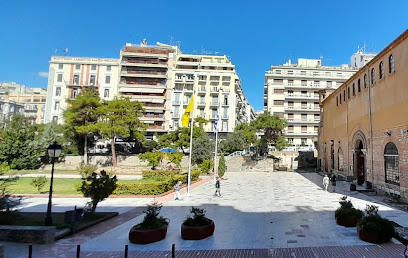
Atatürk Museum
0.4 km
Explore the birthplace of Mustafa Kemal Atatürk, founder of modern Turkey, in this historic Thessaloniki museum.
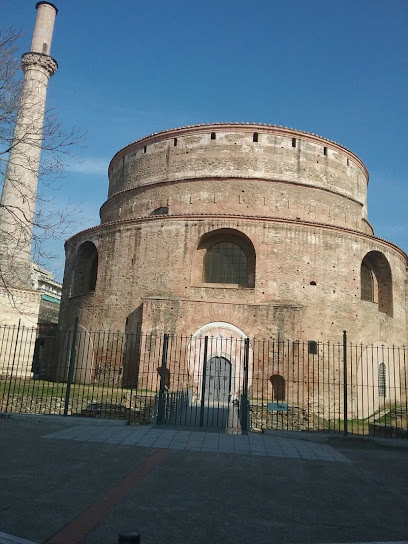
Το συντριβάνι στον κήπο
0.5 km
Explore the Tsimiski Garden in Thessaloniki – a serene urban oasis perfect for relaxation and cultural experiences amidst the city's vibrant life.
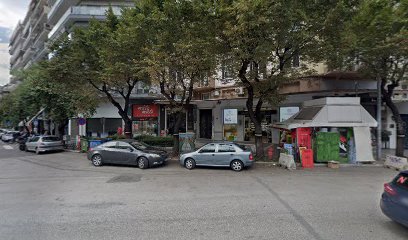
Agia Sofia Square
0.5 km
Discover the historical and cultural brilliance of Agia Sofia Square, a vibrant heart of Thessaloniki filled with charm and architectural wonders.
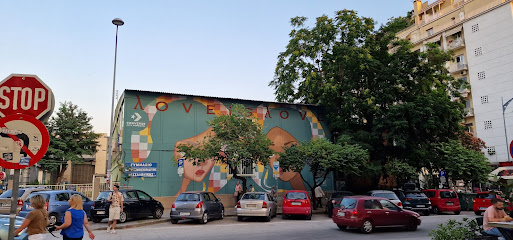
Love is love graffiti
0.6 km
A vibrant Thessaloniki mural spreading a powerful message of love and acceptance through colorful street art on Eth. Aminis street.
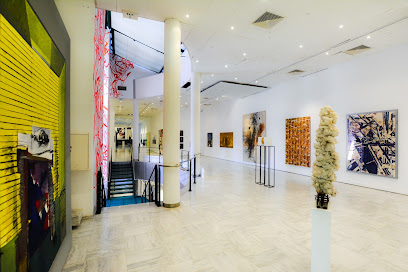
MOMus-Macedonian Museum of Contemporary Art
0.6 km
Explore the vibrant world of contemporary art at MOMus in Thessaloniki, where creativity and culture converge in an inspiring museum experience.
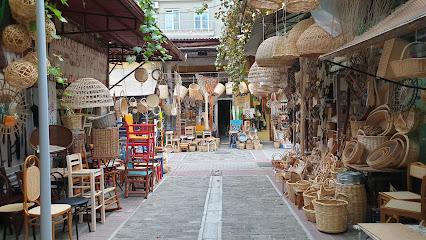
Athonos Square
0.6 km
Discover the vibrant energy and authentic Greek flavors at Athonos Square, the cultural heart of Thessaloniki, perfect for every tourist's itinerary.
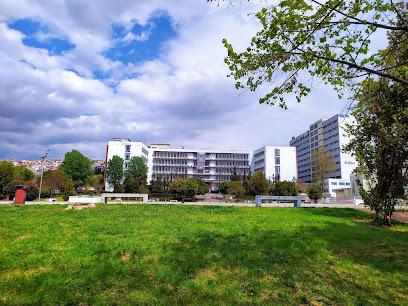
Aristotle University of Thessaloniki
0.6 km
Explore Aristotle University of Thessaloniki, a cultural landmark embodying education and history in Greece's second-largest city.
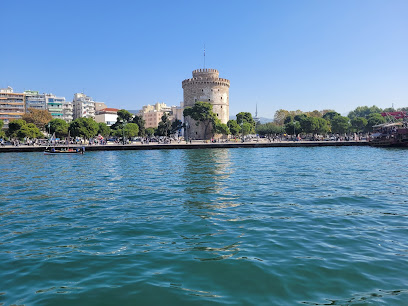
White Tower of Thessaloniki
0.7 km
Explore Thessaloniki's White Tower: A historical landmark offering stunning views and a rich tapestry of the city's fascinating past.
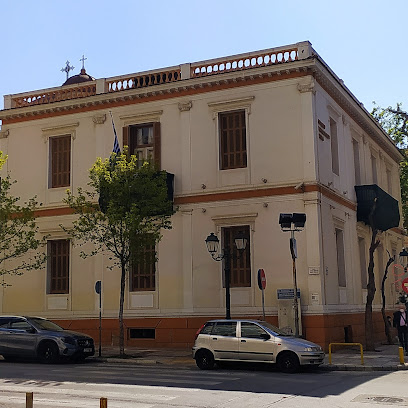
Museum of the Macedonian Struggle
0.7 km
Explore the rich history of Macedonia at the Museum of the Macedonian Struggle in Thessaloniki, a must-see for history enthusiasts and curious travelers alike.
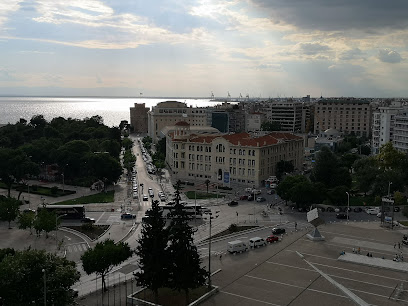
OTE Tower
0.7 km
Experience Thessaloniki from above at the iconic OTE Tower, a symbol of the city's modern innovation and panoramic views.
Essential places to dine

Ouzerie Lola
0.1 km
Discover Ouzerie Lola in Thessaloniki - A Culinary Delight Offering Exquisite Small Plates and Authentic Greek Flavors.
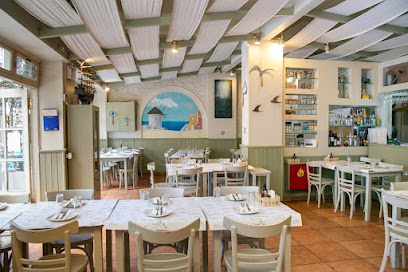
Κιβωτός των Γεύσεων
0.1 km
Experience authentic Greek cuisine at Κιβωτός των Γεύσεων in Thessaloniki – where tradition meets flavor in every dish.
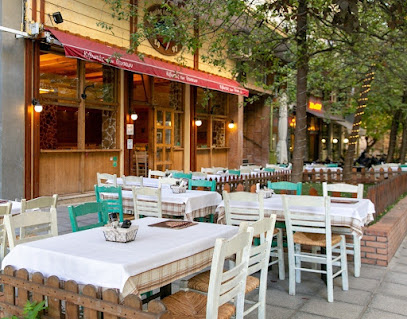
Oinohoos
0.3 km
Experience traditional Greek flavors at Oinohoos in Thessaloniki—where every dish tells a story.
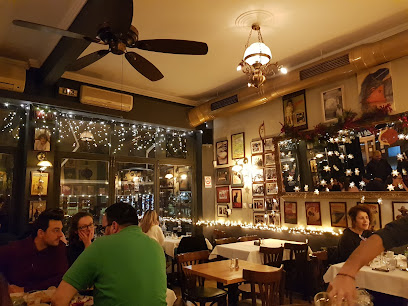
Mpakalikon
0.4 km
Experience authentic Greek cuisine at Mpakalikon in Thessaloniki – where every meal tells a story of tradition and flavor.
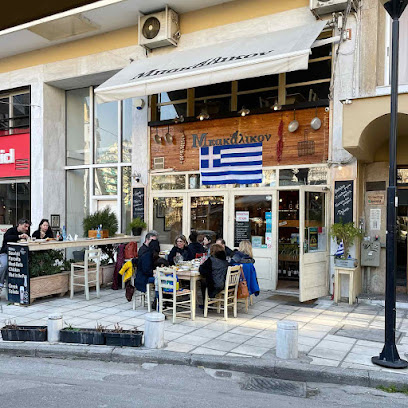
Massalia
0.4 km
Experience authentic Greek cuisine at Massalia in Thessaloniki - where every dish tells a story!
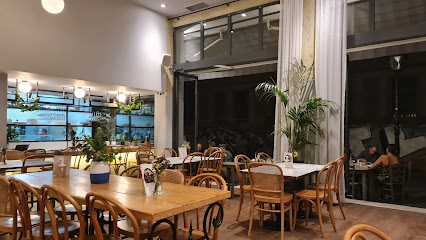
Mourga
0.4 km
Experience authentic Greek cuisine at Mourga in Thessaloniki – where tradition meets taste in a warm and inviting atmosphere.
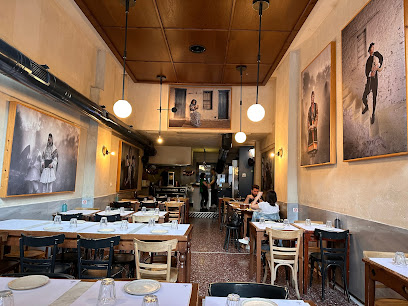
Ballaro
0.4 km
Experience the essence of Italy at Ballaro in Thessaloniki—where authentic flavors meet warm hospitality in an inviting setting.
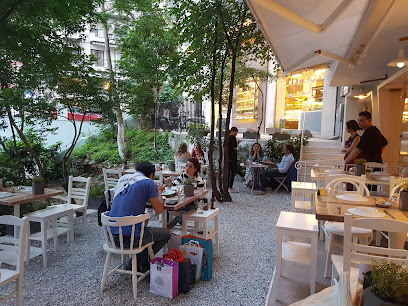
LOCAL Thessaloniki
0.4 km
Discover LOCAL Thessaloniki: A delightful blend of culinary artistry and vibrant atmosphere in Greece's cultural gem.
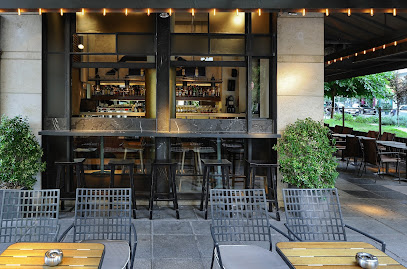
MAREA sea spirit
0.6 km
Experience exquisite seafood and fine wines at MAREA sea spirit - Thessaloniki's premier oyster bar.
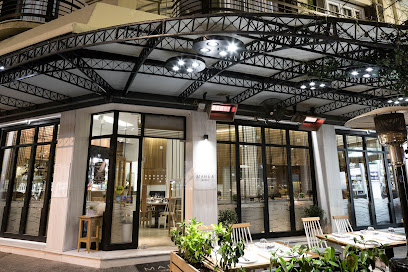
The Greek
0.6 km
Experience the authentic flavors of Greece at The Greek in Thessaloniki - a culinary haven for seafood lovers and Mediterranean cuisine enthusiasts.
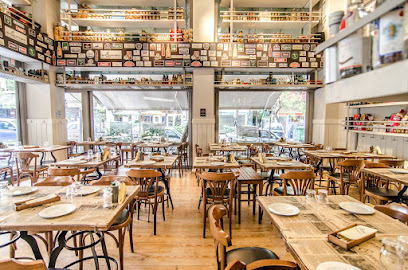
Thermaikos Garden
0.6 km
Discover the flavors of Greece at Thermaikos Garden in Thessaloniki - where tradition meets exceptional hospitality.
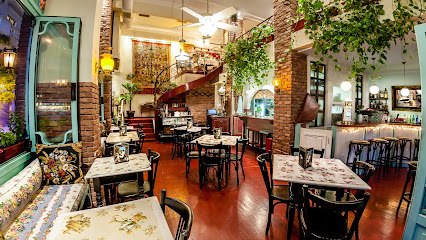
Treis mazi
0.6 km
Experience the essence of Greek cuisine at Treis Mazi in Thessaloniki - where tradition meets flavor.
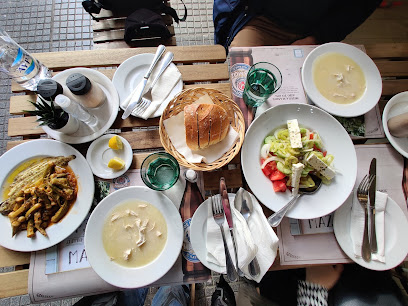
Pepper Thessaloniki
0.6 km
Experience the vibrant flavors of Pepper Thessaloniki – where exceptional coffee meets creative cuisine in an inviting atmosphere.
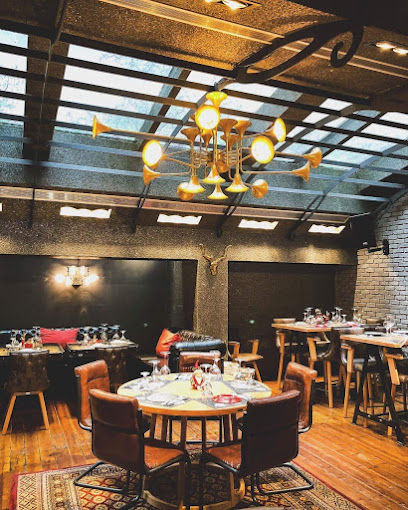
Balconaki
0.7 km
Experience authentic Greek cuisine at Balconaki in Thessaloniki – where tradition meets taste by the sea.
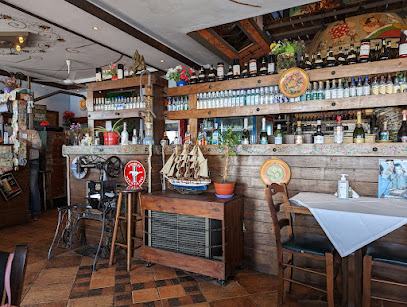
Phiskárdo
0.7 km
Experience authentic Mediterranean flavors at Phiskárdo in Thessaloniki - where fresh ingredients meet culinary tradition.
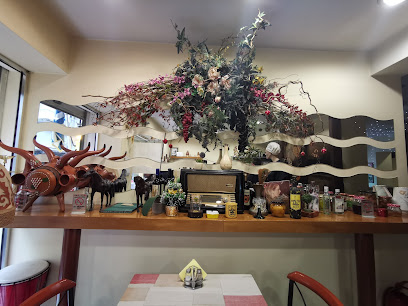
Markets, malls and hidden boutiques

Loko's
0.1 km
Explore Loko's Gift Shop in Thessaloniki for unique souvenirs and local crafts that embody the spirit of Greece.
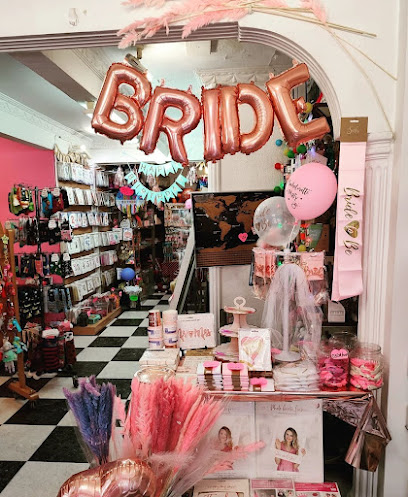
It's All Greek On Me
0.1 km
Explore contemporary Greek fashion at It's All Greek On Me, a unique clothing store in the vibrant heart of Thessaloniki.
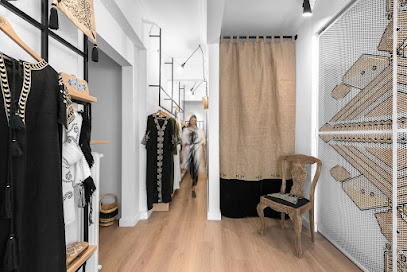
Oldd Fashion - Vintage Clothing
0.1 km
Explore Oldd Fashion in Thessaloniki for a unique vintage clothing experience with a personal touch and timeless treasures.
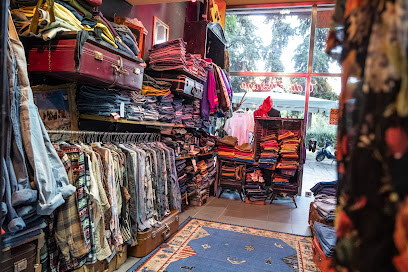
REZERVA
0.2 km
Discover unique gifts and authentic Greek souvenirs at REZERVA, Thessaloniki's charming gift shop that showcases local artistry.
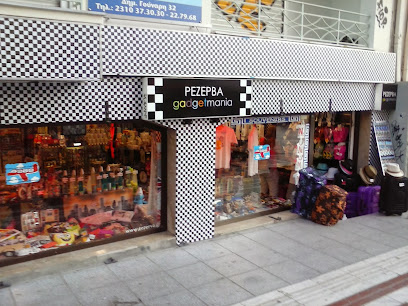
Ostia Boutique
0.2 km
Discover the latest trends in women's fashion at Ostia Boutique in Thessaloniki, where style meets elegance in a unique shopping experience.
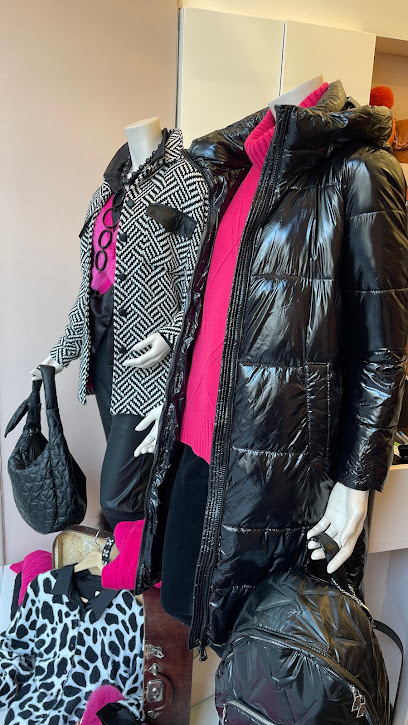
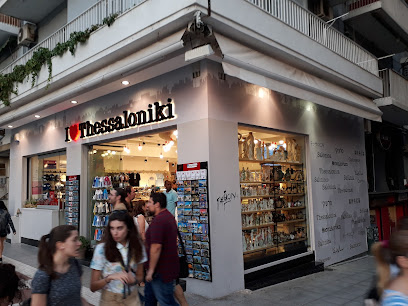
I Love Thessaloniki
0.2 km
Discover unique souvenirs that reflect Thessaloniki's vibrant culture at I Love Thessaloniki, the perfect shop for memorable keepsakes.
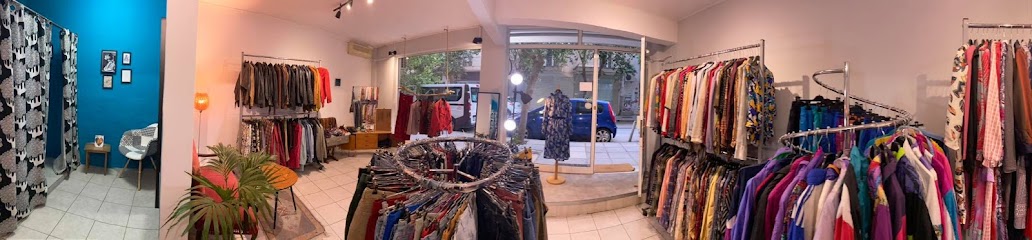
V for Vintage
0.2 km
Explore V for Vintage in Thessaloniki for a unique shopping experience filled with timeless clothing treasures and local fashion flair.
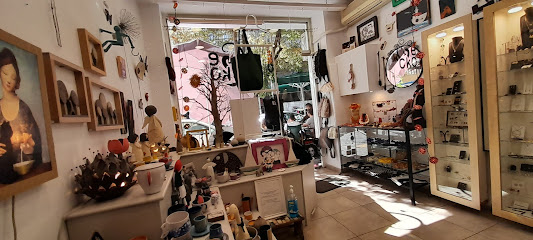
GECKO
0.3 km
Explore GECKO in Thessaloniki for unique gifts and local crafts that perfectly encapsulate Greek culture and artistry.
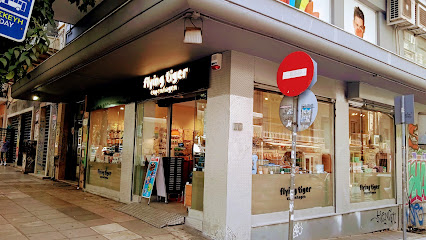
Flying Tiger Copenhagen
0.3 km
Discover a treasure trove of fun and unique gifts at Flying Tiger Copenhagen in Thessaloniki, where creativity meets affordability.
Underground Shop
0.4 km
Explore Thessaloniki's Underground Shop for top-notch sporting goods and a vibrant community atmosphere, perfect for active tourists and locals alike.
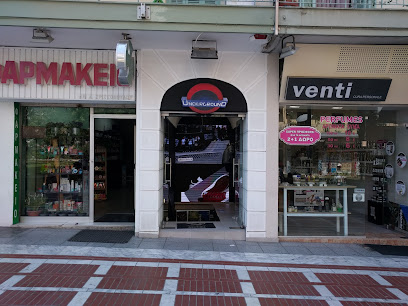
Merci Boutique
0.4 km
Explore unique fashion and curated styles at Merci Boutique in Thessaloniki, where elegance meets contemporary trends.
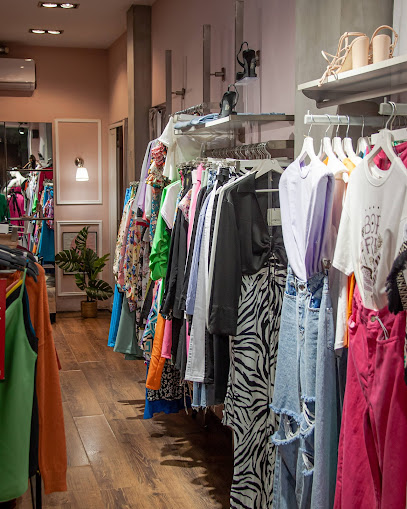
Me Unique
0.4 km
Explore Thessaloniki's vibrant fashion scene at Me Unique, where stylish accessories await to enhance your wardrobe.
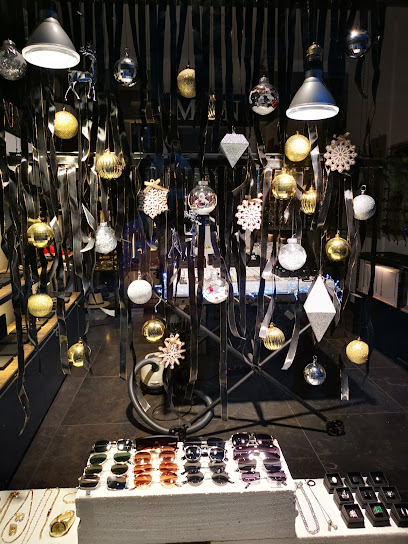
eFantasy.gr Boutique
0.4 km
Explore eFantasy.gr Boutique in Thessaloniki for unique gifts, trendy women's clothing, and exciting games in a vibrant shopping atmosphere.
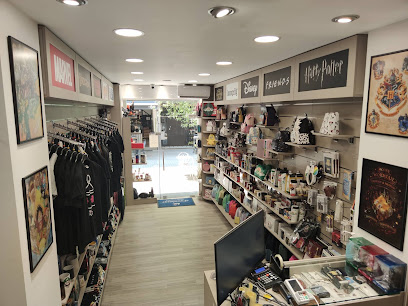
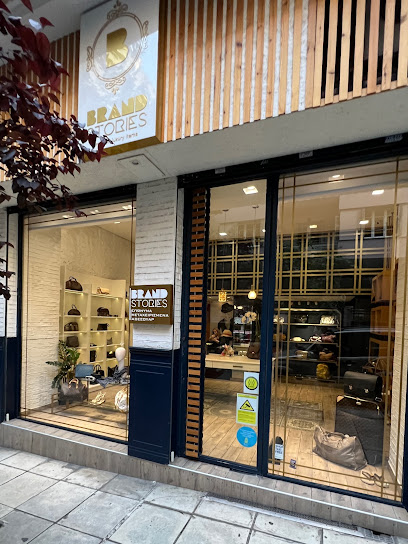
Brand Stories Thessaloniki-Second Hand Boutique(buy-sell-trade)
0.5 km
Explore a treasure trove of unique fashion finds at Brand Stories Thessaloniki, the premier second-hand boutique for sustainable shopping.
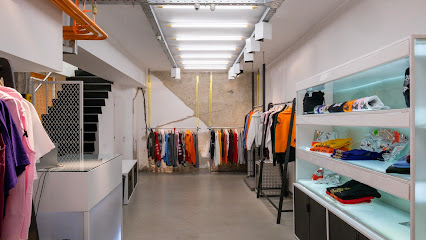
OWL Clothes
0.5 km
Explore OWL Clothes in Thessaloniki for a unique selection of stylish men's clothing that blends modern trends with classic elegance.
Essential bars & hidden hideouts

Ενοχές Bar
0.2 km
Discover the vibrant atmosphere of Ενοχές Bar, where art meets entertainment in the heart of Thessaloniki's nightlife.
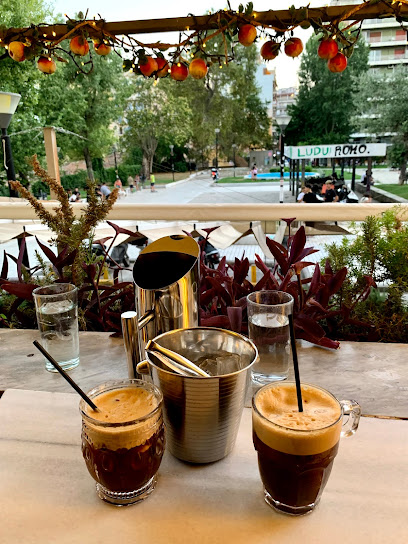
Pulp
0.3 km
Experience the vibrant nightlife at Pulp, a trendy bar in Thessaloniki offering a wide selection of drinks and lively entertainment.
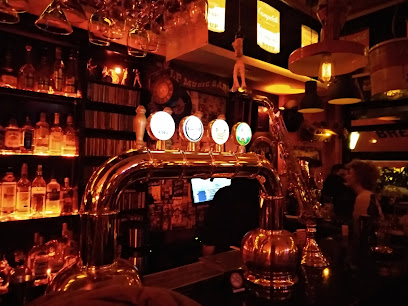
Funky Monkey SKG
0.3 km
Experience the lively nightlife at Funky Monkey SKG, a trendy bar in Thessaloniki known for its creative cocktails and vibrant atmosphere.
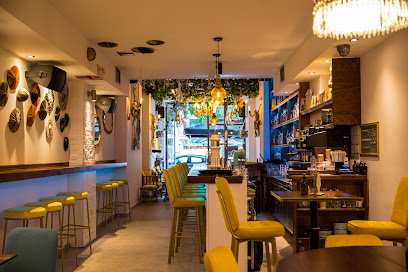
Bolivar
0.3 km
Discover Bolivar, a vibrant bar in Thessaloniki, where local culture meets refreshing drinks and a lively social scene.
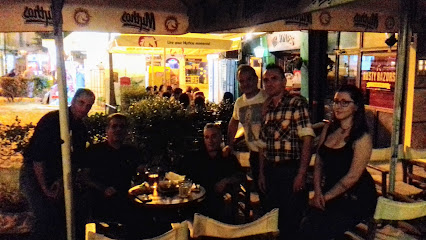
Alea Winebar
0.4 km
Discover the vibrant heart of Thessaloniki at Alea Winebar, where exceptional wines and a cozy atmosphere create unforgettable moments.
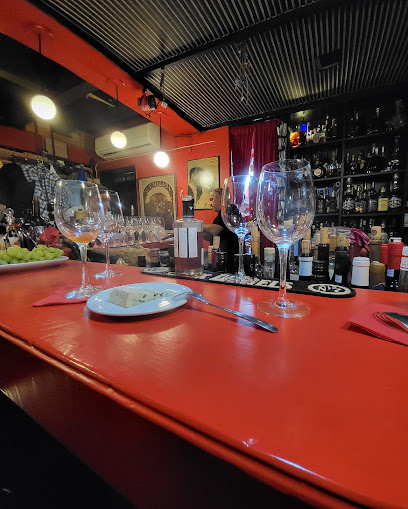
Saloon ''Crazy Horse'' City Center
0.4 km
Discover Thessaloniki's nightlife at Saloon 'Crazy Horse', a vibrant bar offering delightful drinks and an electrifying atmosphere.
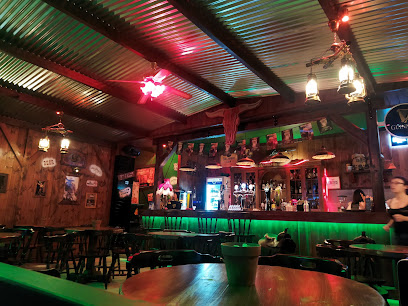
Ερείπιο rock bar
0.5 km
Discover the vibrant energy of Ερείπιο Rock Bar in Thessaloniki, where rock music meets a lively atmosphere and affordable drinks.
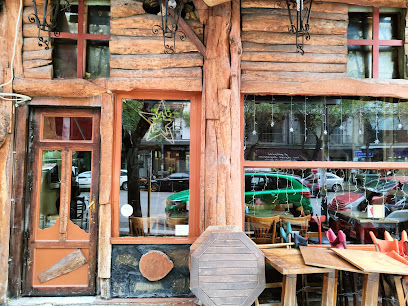
The Hoppy Pub
0.5 km
Discover The Hoppy Pub in Thessaloniki, where craft beer meets a vibrant nightlife experience in a welcoming atmosphere.
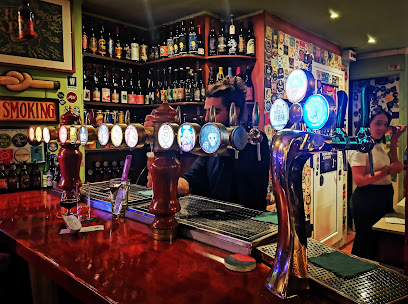
Miss Blanche
0.6 km
Discover the lively spirit of Thessaloniki at Miss Blanche, a cozy bar offering an extensive drink menu and a friendly atmosphere for all visitors.
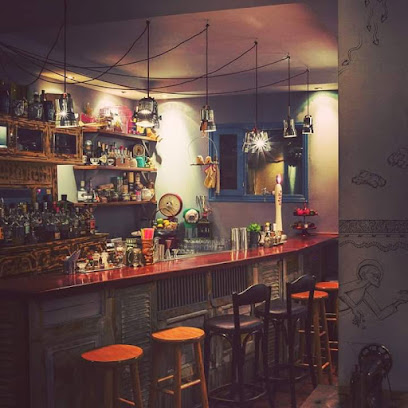
Tenoro
0.6 km
Experience the lively atmosphere and diverse drink selection at Tenoro, a must-visit bar in the heart of Thessaloniki, Greece.
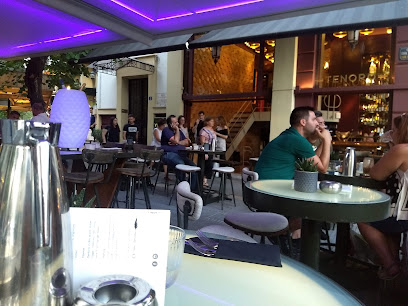
Πλατεία Θεάτρου, Καφέ / Μπαρ/Εστιατόριο
0.6 km
Experience the vibrant culture of Thessaloniki at Πλατεία Θεάτρου, where delicious food and lively music await you.
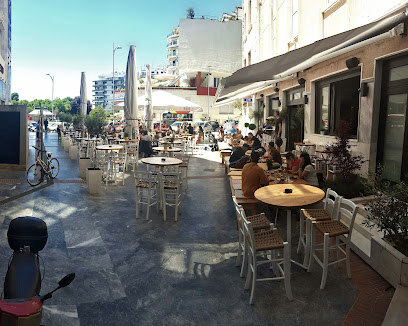
On The Road
0.6 km
Discover the vibrant atmosphere of On The Road in Thessaloniki, where delightful drinks and local culture come together in a picturesque setting.
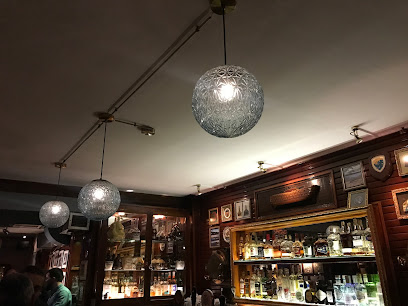
BOCA music bar
0.7 km
Discover the electrifying atmosphere of BOCA Music Bar in Thessaloniki, where music, drinks, and unforgettable nights come together.
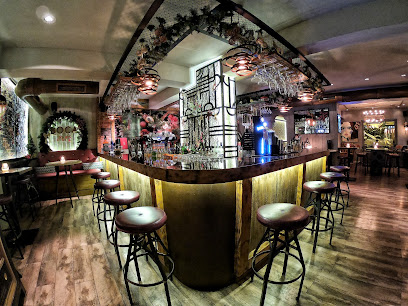
Saxofono | Cocktail Bar
0.7 km
Discover Saxofono, the trendy cocktail bar in Thessaloniki, known for its creative drinks and vibrant nightlife, perfect for every occasion.
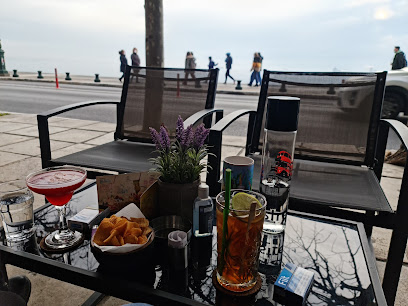
Vogatsikou 3
0.7 km
Discover the unique cocktails and vibrant atmosphere at Vogatsikou 3, a must-visit cocktail bar in the heart of Thessaloniki.
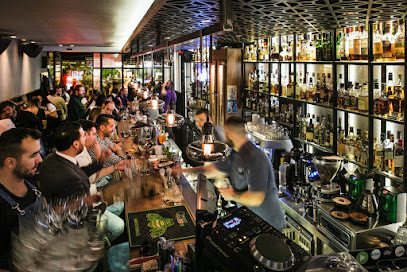
Nightclubs & after hour spots

Muse in chorus Thessaloniki
0.4 km
Discover the vibrant nightlife of Thessaloniki at Muse in Chorus, the ultimate destination for music lovers and party seekers alike.
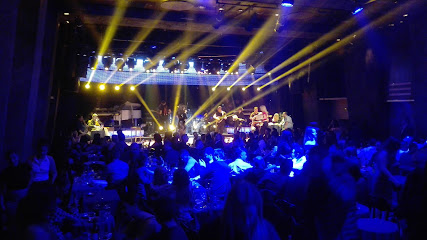
Keramoti
0.5 km
Discover the vibrant nightlife of Keramoti, Greece, where lively nightclubs and breathtaking coastal views create unforgettable evening experiences.
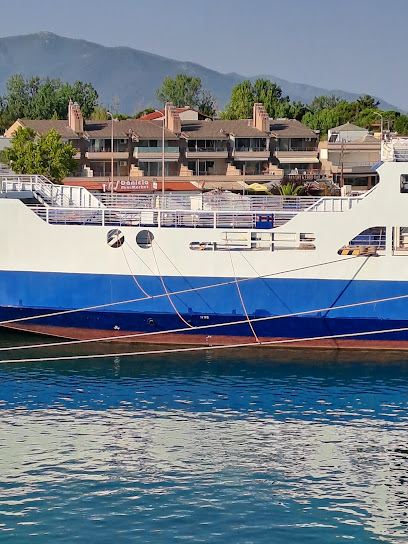
Partytura
0.6 km
Discover Thessaloniki's dynamic nightlife at Partytura, where music and dance ignite the spirit of celebration.
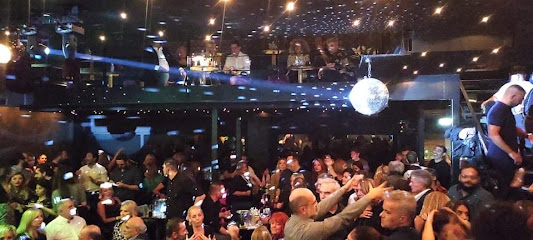
Route 88
0.7 km
Dive into Thessaloniki's nightlife at Route 88, where electrifying rock music, great drinks, and a vibrant atmosphere await every music lover.
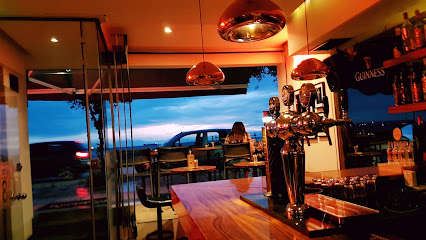
Aigli Geni Hamam
0.8 km
Discover Thessaloniki's nightlife at Aigli Geni Hamam - a vibrant club offering cocktails, dining, and dancing in a unique atmosphere.
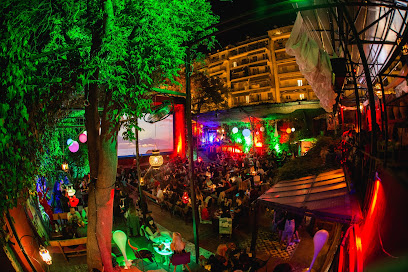
Soulshakers bar services
1.0 km
Dive into Thessaloniki's nightlife at Soulshakers Bar Services, where innovative cocktails and electrifying music create an unforgettable evening.
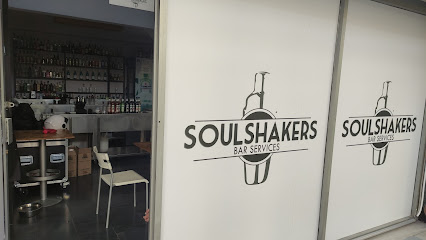
Doúkissa
1.2 km
Dive into Thessaloniki's nightlife at Doúkissa, a premier night club offering electrifying music, vibrant atmosphere, and unforgettable memories.
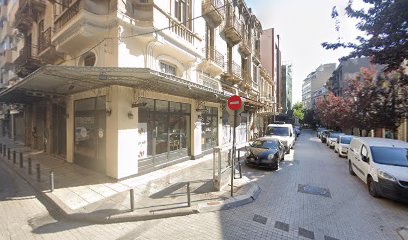
Brockolo
1.3 km
Discover the vibrant nightlife of Thessaloniki at Brockolo, where Greek music and a lively atmosphere create unforgettable nights.
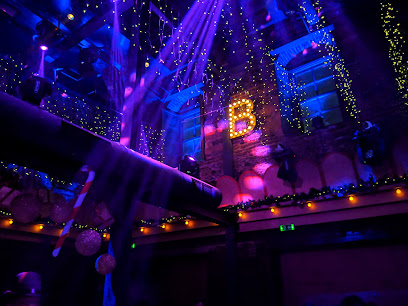
Bijou
1.3 km
Discover the electrifying nightlife of Thessaloniki at Bijou, a top nightclub known for its dynamic atmosphere and unforgettable music.
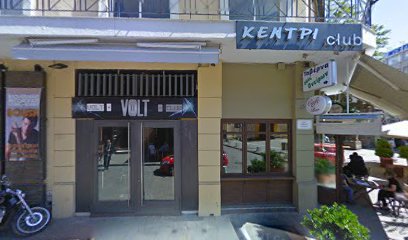
AMOR NIGHTCLUB
1.3 km
Discover the electrifying nightlife of Thessaloniki at AMOR Nightclub, where unforgettable moments await in a vibrant atmosphere.
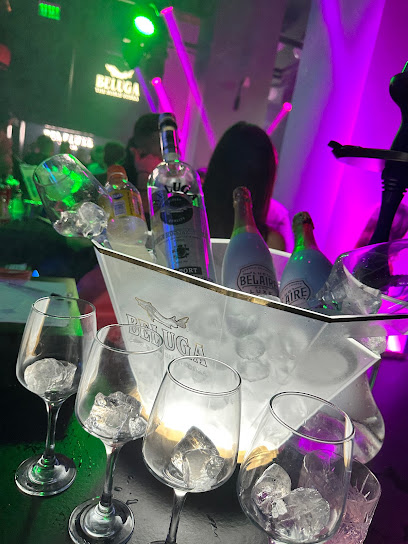
PÊTRA CLUB
1.3 km
Discover Thessaloniki's vibrant nightlife at PÊTRA CLUB, where the music never stops and the fun never ends.
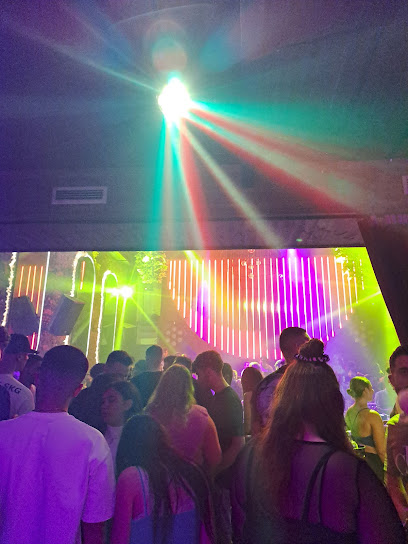
Casper
1.3 km
Discover the electrifying atmosphere and vibrant nightlife at Casper, Thessaloniki's premier dance club, where every night is a celebration.
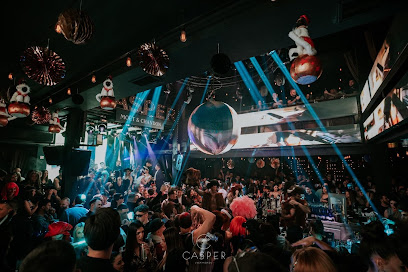
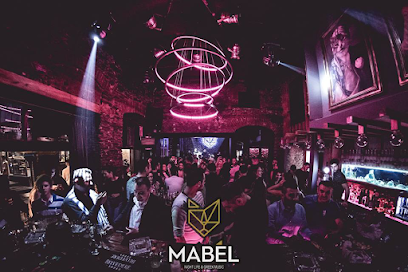
MABÉL Bar Club Thessaloniki
1.3 km
Discover Thessaloniki's vibrant nightlife at MABÉL Bar Club, where music, dance, and unforgettable memories await.
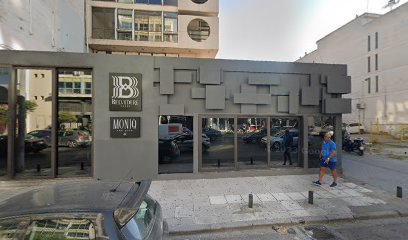
moniq the club
1.3 km
Discover the pulse of Thessaloniki's nightlife at Moniq the Club, where music, dancing, and unforgettable moments come alive.
Eightball
1.4 km
Dive into Thessaloniki's nightlife at Eightball, where electrifying beats and a vibrant atmosphere keep you dancing until dawn.