
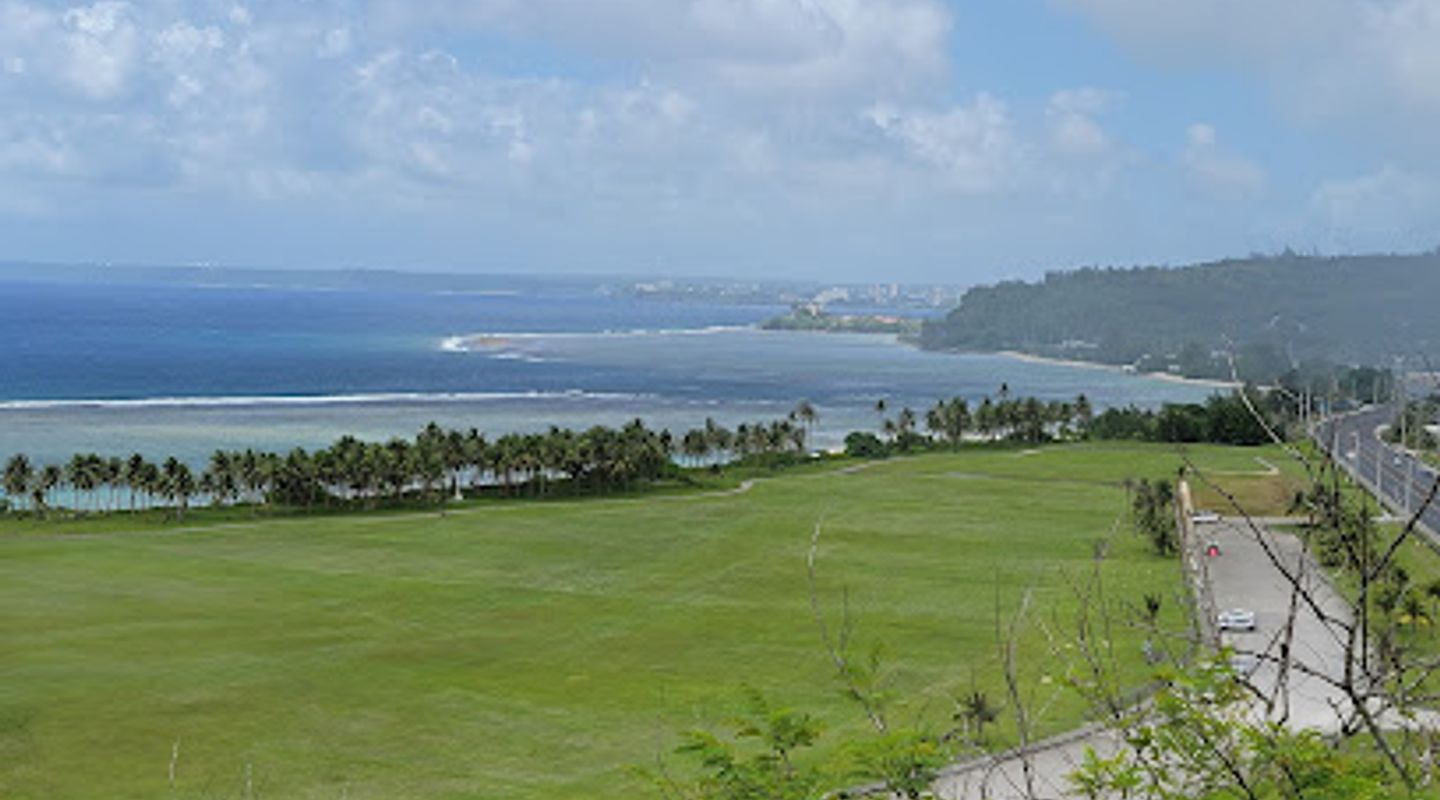
Asan Invasion Beach, Central Guam Travel Guide
Walk the shores of history at Asan Invasion Beach in Guam, where WWII echoes meet serene beauty and enduring remembrance.
Asan Invasion Beach in Guam marks the spot where U.S. forces landed in 1944 to liberate the island from Japanese occupation during World War II. Today, it's a place of remembrance, reflection, and natural beauty.
A brief summary to Asan Invasion Beach
- FPF5+8WP, Maina, GU

Know before you go
Hi, I'm Eve. Here are a few practical things to know before exploring Asan Invasion Beach.
- Wear comfortable shoes for walking on the beach and exploring the historical sites.
- Bring sunscreen, a hat, and plenty of water, as shade can be limited.
- Take time to read the historical markers and reflect on the significance of the location.
- Visit the Asan Bay Overlook for panoramic views and a deeper understanding of the battle.
Do you manage this location?
Take control to get all the benefits, like improved information, better appearance, and stronger visibility across AI-powered discovery. Learn more about listing your business on Evendo
Activate your presenceOther nearby places you may find interesting
The closest places of the same kind, if this one is not quite what you had in mind.

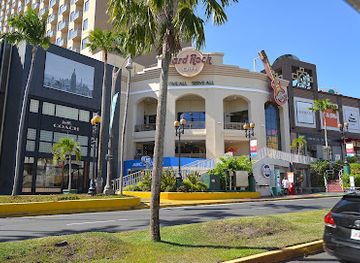
Explore Asan Invasion Beach on the Map
A handpicked selection of must-see spots near Asan Invasion Beach, mapped for you.
Getting There
-
Walking
From the main parking area, the beach is easily accessible by foot. Paved walkways lead to the monuments and Asan Point. The Asan Beach Trail is a flat, paved path that encircles the area between the Asan River and Asan Point, suitable for wheelchairs and walkers. Allow time to explore the area and visit the memorials along the beach.
-
Public Transport
Guam Mass Transit Authority (GMTA) buses operate on routes connecting most villages on Guam. Check the GMTA website or bus schedule for the nearest bus stop and route to Asan. A one-way fare is approximately $1, and a daily pass is around $3. Note that buses do not operate on Sundays or holidays.
-
Taxi
Taxis are available at hotels and major shopping centers. A taxi from Hagåtña to Asan Invasion Beach will cost approximately $15-$20, with a standard flag rate of $2.40, $4.00 for the first mile, and $0.80 every ¼ mile thereafter. Ensure the taxi has a regulated meter.
Discover more about Asan Invasion Beach













Your all‑in‑one travel companion app
Explore expert travel guides, compare and book tours, experiences, hotels, and more—all from the palm of your hand. Download now for seamless trip planning wherever your wanderlust takes you.


Explore More of Central Guam
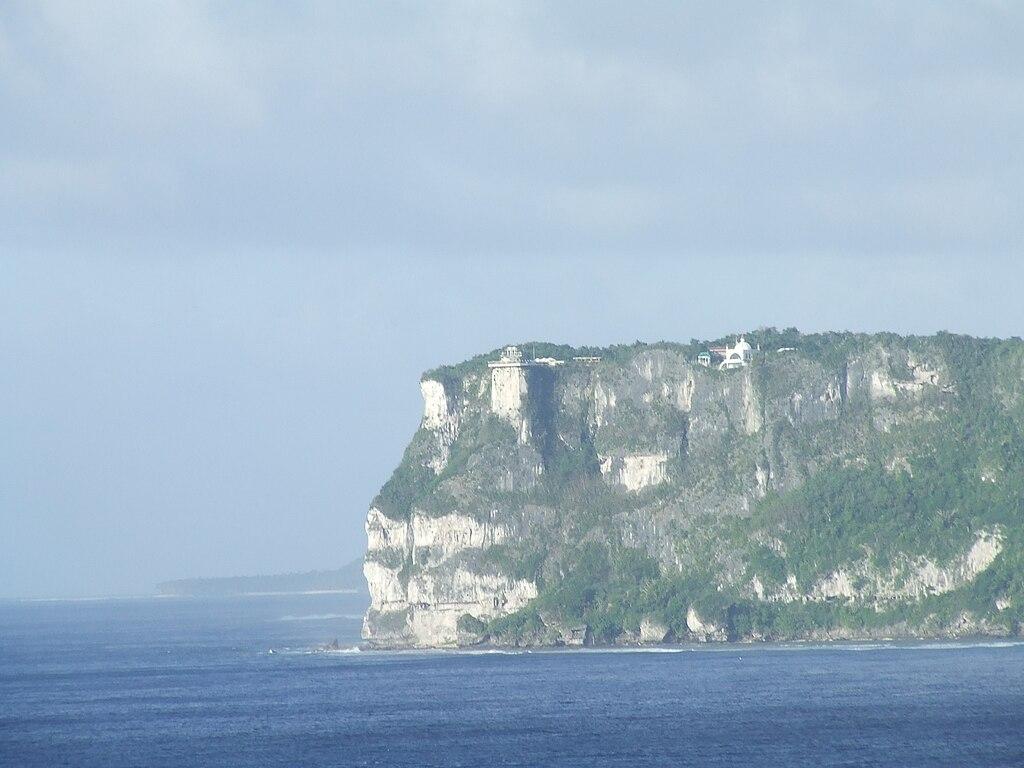
Looking beyond Asan Invasion Beach? Discover Central Guam for broader travel guides, local hot-spots, and regional highlights.
Explore Central Guam
Discover the spiritual beauty and cultural heritage of Guam at Our Lady of Purification Catholic Church in Maina.
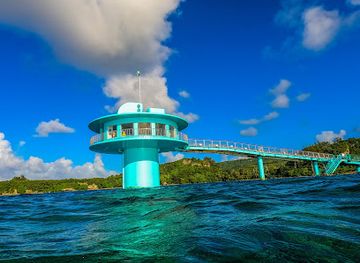
Discover Guam's underwater wonders at Fish Eye Marine Park: Explore vibrant reefs, diverse marine life, and Chamorro culture in Piti Bay.
