

Mount Kakoulima Travel Guide - Free Web & App
Your ultimate guide to Mount Kakoulima. Discover top landmarks, proposed trips, and local tips. Free on the web or via the Evendo companion app.


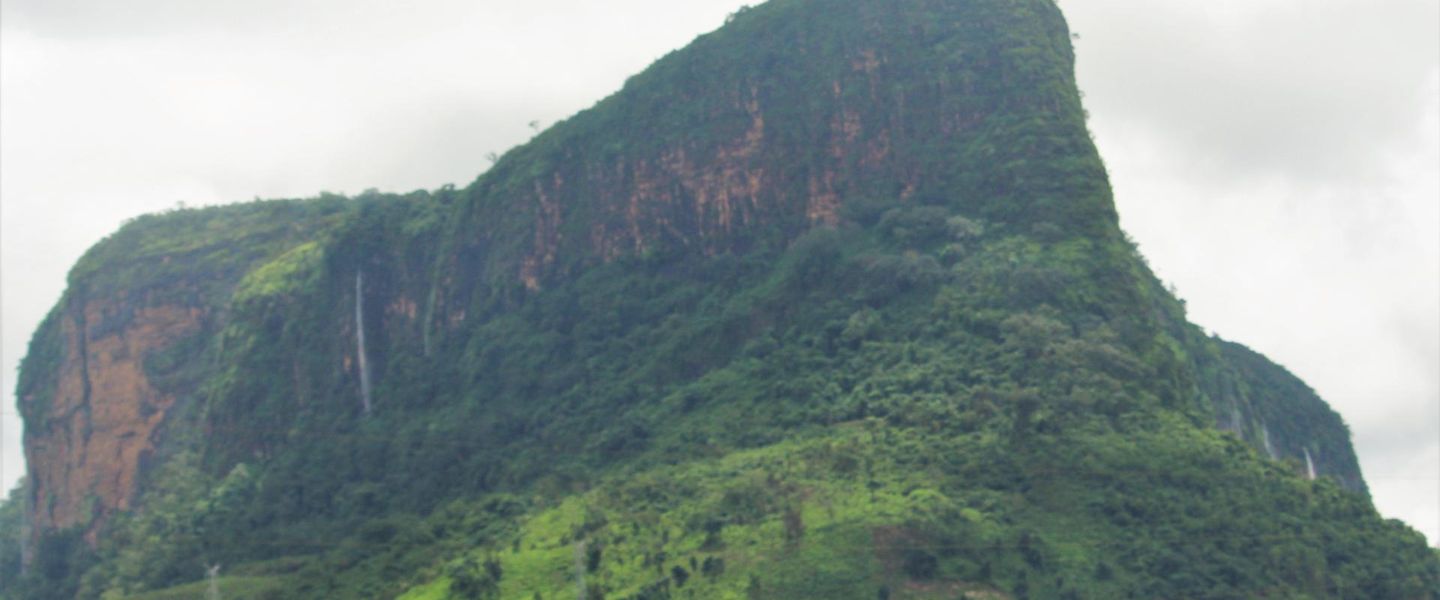


Mount Kakoulima in Guinea offers granite mountain scenery, forested slopes, village life and rewarding day walks near Conakry and Dubréka for adventurous visitors.
A Mountain Above the Coastal Plain
Mount Kakoulima rises in the mountainous landscape north-east of Conakry, close to the settlements and road corridors of Dubréka and Coyah. The Kakoulima massif forms a conspicuous transition between Guinea’s coastal lowlands and the more elevated interior, with rocky upper slopes, wooded valleys and broad views across a region increasingly shaped by the expansion of the capital. Its proximity to Conakry makes it one of the country’s more accessible mountain landscapes, although the mountain itself remains far less developed for tourism than a conventional resort or national park.Read more about Mount Kakoulima
Landscape, Communities and Access
Outdoor Exploration Near Conakry
When is the best time to visit Mount Kakoulima?
Best: December–February · 32–33°C| Month | High (°C) | Rainfall (mm) |
|---|---|---|
| January (best) | 32 | 2 |
| February (best) | 33 | 2 |
| March | 33 | 2 |
| April | 34 | 2 |
| May | 35 | 2 |
| June | 35 | 2 |
| July | 36 | 2 |
| August | 35 | 2 |
| September | 35 | 2 |
| October | 34 | 2 |
| November | 33 | 2 |
| December (best) | 33 | 2 |
Getting to and around Mount Kakoulima
How to get there
Transportation
Best attractions in Mount Kakoulima
The principal attraction is Mount Kakoulima itself, whose elevated ridges and wooded slopes provide a marked contrast with the low coastal plain and the dense urban environment of Conakry. Walks on or around the massif may lead through rural scenery, cultivated areas and rocky ground, although routes and access conditions should be confirmed locally rather than assumed from maps. The surrounding approaches through Dubréka and Coyah offer opportunities to observe Lower Guinea’s village landscapes and the changing edge between countryside and metropolitan development. Scenic outlooks are weather-dependent, with humid haze often affecting distant views, while the mountain’s vegetation and watercourses are best appreciated carefully and without disturbing local land use. Mount Kakoulima is therefore less a collection of formal attractions than a landscape experience combining upland views, outdoor exploration and proximity to Guinea’s capital.
Best landmarks in Mount Kakoulima
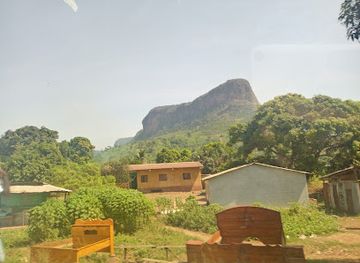
Mount Kakoulima is the defining natural landmark of the area, a prominent massif rising above the coastal lowlands north-east of Conakry. Its ridgelines, rocky upper sections and changing vegetation give the mountain a visual identity distinct from the flatter landscapes around the capital. The wider Kakoulima landscape is also marked by the settlements and road corridors of Dubréka and Coyah, which illustrate the meeting of rural Lower Guinea with rapid metropolitan expansion. Unlike destinations centred on castles, monuments or historic towns, Mount Kakoulima’s significance lies mainly in its physical presence, upland views and relationship with nearby communities. Individual rocks, paths or viewpoints should not be treated as formally designated landmarks unless local authorities confirm their status.
-
Mountain peak
Kakoulima
Discover the breathtaking beauty of Kakoulima, Guinea's highest peak, offering incredible views, hiking trails, and cultural experiences in nature's embrace.
-
 Scenic spot
Mont Kakoulima
Experience the breathtaking views and serene landscapes at Mont Kakoulima, a must-visit scenic spot in Guinea's natural beauty.

Explore Mount Kakoulima on the map
Plan your trip on one map. See where the top attractions, landmarks, restaurants and hotels are, and book hotels and experiences in a few clicks.
Best hotels in Mount Kakoulima
Best restaurants in Mount Kakoulima
There is no established restaurant district on Mount Kakoulima itself, so visitors should plan to eat in Conakry, Dubréka or Coyah or carry suitable provisions for a mountain outing. In the surrounding region, everyday Guinean food commonly includes rice served with sauces, grilled meat or fish, plantain, cassava and other locally available ingredients, while roadside stalls and small eateries provide a more informal experience than dedicated destination dining. Conakry has the country’s broadest range of restaurants, including West African and international cooking, whereas smaller settlements offer simpler local meals whose availability can vary. Fresh produce and drinks may be found along busy roads, but visitors should not rely on finding food at a trailhead or on the slopes. Carrying water and arranging meals in advance is prudent for longer walks.


Best bars in Mount Kakoulima
Mount Kakoulima has no recognised nightlife scene, and evenings around the mountain are principally rural and quiet. Visitors staying near Dubréka or Coyah may find informal local drinking places and eateries, while Conakry provides Guinea’s widest choice of hotel bars, restaurants and evening entertainment. The atmosphere in the capital varies by neighbourhood and venue, so transport arrangements should be settled before going out, particularly when staying outside central areas. Around the mountain, the more characteristic evening experience is a meal, conversation and an early night ahead of an outdoor excursion rather than clubbing. Seasonal community celebrations may occur in the wider region, but their timing and public availability should be confirmed locally rather than assumed.
-
Mountain peak
Mount Kakoulima
Experience the breathtaking beauty of Mount Kakoulima, a premier mountain peak in Guinea, perfect for adventure seekers and nature enthusiasts.
-
Live music bar
St Georges
Discover the vibrant energy of St. Georges, a premier live music bar in Conakry that showcases local talent and delivers an unforgettable nightlife experience.
-
Lounge
Royal Shicha Lounge
Discover the relaxing ambiance and local flavors at Royal Shicha Lounge in Conakry, a perfect retreat for tourists seeking tranquility.
-
Bar
Golan+
Discover Golan+ in Conakry: A vibrant bar experience blending local culture with a lively atmosphere, perfect for unwinding after a day of exploration.

Best nightclubs in Mount Kakoulima
Mount Kakoulima has no recognised nightlife scene, and evenings around the mountain are principally rural and quiet. Visitors staying near Dubréka or Coyah may find informal local drinking places and eateries, while Conakry provides Guinea’s widest choice of hotel bars, restaurants and evening entertainment. The atmosphere in the capital varies by neighbourhood and venue, so transport arrangements should be settled before going out, particularly when staying outside central areas. Around the mountain, the more characteristic evening experience is a meal, conversation and an early night ahead of an outdoor excursion rather than clubbing. Seasonal community celebrations may occur in the wider region, but their timing and public availability should be confirmed locally rather than assumed.
-
Mountain peak
Mount Kakoulima
Discover the breathtaking beauty of Mount Kakoulima, a stunning mountain peak in Guinea offering unforgettable hiking experiences and panoramic views.
-
Night club
New York Lounge
Dive into the nightlife at New York Lounge, where vibrant music and refreshing drinks create an unforgettable experience in Conakry.
-
Lounge
Royal Shicha Lounge
Discover the lively Royal Shicha Lounge in Conakry, where relaxation meets vibrant nightlife, offering exquisite drinks and a welcoming atmosphere.
-
Night club
Flash Night Club
Experience the vibrant nightlife of Conakry at Flash Night Club, where music and culture intertwine for an unforgettable evening.
Best shops in Mount Kakoulima
Shopping on Mount Kakoulima is limited, with no established mountain market or retail centre. Visitors are more likely to find everyday supplies, fruit, drinks and locally made goods in Dubréka, Coyah or along the approach roads, while Conakry offers the largest selection of supermarkets, craft sellers, clothing and practical outdoor supplies. Regional purchases may include fresh produce, woven or handmade items and small souvenirs, although quality and availability vary between vendors. Buying directly from local sellers can be worthwhile when done respectfully and with prices agreed in advance. Food and water for a walk should be obtained before reaching rural approaches, since shops and supplies on the slopes cannot be assumed.
-
Mountain peak
Mount Kakoulima
Experience breathtaking views and adventure at Mount Kakoulima, Guinea's stunning mountain peak, perfect for nature lovers and hikers alike.
-
Wood and laminate flooring supplier
Friguiady
Explore Friguiady in Conakry for exquisite wood and laminate flooring options, blending craftsmanship with style for every taste and budget.
-
Produce market
Marché KM5 DUBREKA
Discover the vibrant flavors and local crafts at Marché KM5 DUBREKA, the ultimate produce market in Guinea.
-
Grocery store
Boutique Mme Barry
Explore Boutique Mme Barry in Coyah, Guinea, for a taste of local flavors and authentic culinary experiences that showcase the region's rich heritage.


Get your free copy of our complete guide to Mount Kakoulima, delivered straight to you.
Everything on this page, from attractions and restaurants to essentials and local phrases, in one PDF you can read offline, print or share.
Already have an account? Sign in
Your Mount Kakoulima guide is ready.
We'll send it to · Not you? Sign out

Getting your guide ready…
We are putting together a fresh copy of the Mount Kakoulima guide. This can take up to a minute.
This can take a few moments. If your browser asks, choose Allow so the download can start. You'll find the guide in your Downloads folder.
Nothing happened? Download it again
Sorry, the guide is taking longer than usual. Please try again in a minute, or get it by email instead.
Mount Kakoulima essentials
Currency and Payment
Safety
Emergency Situations
Do's and Don'ts
Local Tips
From Eve
Local phrases worth knowing
You don't need to get them perfect. A few words go a long way, and locals appreciate the effort.
Basics
| English | Local | Say it |
|---|---|---|
| Hello | Salam | [sa-lam] |
| Goodbye | Salamata | [sa-la-ma-ta] |
| Yes | Eh | [eh] |
| No | Aïe | [aïe] |
| Please/You're welcome | Baraka | [ba-ra-ka] |
| Thank you | Abaraka | [a-ba-ra-ka] |
| Excuse me/Sorry | Kan bɔɔkɔ | [kan bɔɔ-kɔ] |
| How are you? | I ni kɛnɛ? | [i ni kɛ-nɛ] |
| Fine. And you? | Ni tɛ i bɛɛ | [ni tɛ i bɛɛ] |
| Do you speak English? | I kuma tɔnga tɔnga Ingriji? | [i ku-ma tɔ-ŋa tɔ-ŋa in-gri-ji] |
| I don't understand | A ka tɔnga ba | [a ka tɔ-ŋa ba] |
Eating & Drinking
| English | Local | Say it |
|---|---|---|
| I'd like to see the menu, please | A bɛɛ nna menu kɛla, tɔgɛ | [a bɛɛ n-na me-nu kɛ-la, tɔ-gɛ] |
| I don't eat meat | A ka nna sɔrɔ | [a ka n-na sɔ-rɔ] |
| Cheers! | A kɔrɔ kɔrɔ! | [a kɔ-rɔ kɔ-rɔ] |
| I would like to pay, please | A bɛɛ cɔgɔ, tɔgɛ | [a bɛɛ cɔ-gɔ, tɔ-gɛ] |
Emergencies
| English | Local | Say it |
|---|---|---|
| Help! | Nya! | [nya] |
| Go away! | Sigi! | [si-gi] |
| Call the Police! | Tɛ ka Polisɛ | [tɛ ka po-li-sɛ] |
| Call a doctor! | Tɛ ka dɔktɔrɛ | [tɛ ka dɔk-tɔ-rɛ] |
| I'm lost | A ka taa | [a ka ta-a] |
| I'm ill | A taa | [a ta-a] |
Shopping
| English | Local | Say it |
|---|---|---|
| I'd like to buy... | A bɛɛ fɛ | [a bɛɛ fɛ] |
| I'm just looking | A bɛɛ kɛla | [a bɛɛ kɛ-la] |
| How much is it? | Kɔgɔ bɛ? | [kɔ-gɔ bɛ] |
| That's too expensive | Kɔgɔ kɔgɔ sɔrɔ | [kɔ-gɔ kɔ-gɔ sɔ-rɔ] |
| Can you lower the price? | A bɛɛ kɛlɛ kɔgɔ | [a bɛɛ kɛ-lɛ kɔ-gɔ] |
Time & Numbers
| English | Local | Say it |
|---|---|---|
| What time is it? | Kɔgɔ ye? | [kɔ-gɔ ye] |
| It's one o'clock | Mu kɔgɔ bɔ | [mu kɔ-gɔ bɔ] |
| Half past (10) | Du bɛgɛ (10) | [du bɛ-gɛ (10)] |
| Morning | Fɔlɔ | [fɔ-lɔ] |
| Afternoon | Nasara | [na-sa-ra] |
| Evening | Dɔgɔ | [dɔ-gɔ] |
| Yesterday | Kunu | [ku-nu] |
| Today | Bi | [bi] |
| Tomorrow | Saya | [sa-ya] |
| 1 | Kelen | [ke-len] |
| 2 | Filen | [fi-len] |
| 3 | Saba | [sa-ba] |
| 4 | Nani | [na-ni] |
| 5 | Dɔɔro | [dɔ-ɔ-ro] |
| 6 | Wɔrɔ | [wɔ-rɔ] |
| 7 | Wɔrɔwɔrɔ | [wɔ-rɔ-wɔ-rɔ] |
| 8 | Saba saba | [sa-ba sa-ba] |
| 9 | Saba dɔɔro | [sa-ba dɔ-ɔ-ro] |
| 10 | Filen fɔlɔ | [fi-len fɔ-lɔ] |
Transport & Directions
| English | Local | Say it |
|---|---|---|
| Where's a/the...? | Ko ye a/the...? | [ko ye a/the] |
| What's the address? | Ko ye taa? | [ko ye ta-a] |
| Can you show me (on the map)? | A bɛɛ kɛrɛ (on the map)? | [a bɛɛ kɛ-rɛ (on the map)] |
| When's the next (bus)? | Kɔgɔ ye next (bus)? | [kɔ-gɔ ye next (bus)] |
| A ticket (to ....) | Tɔgɛ (to ....) | [tɔ-gɛ (to ....)] |
History of Mount Kakoulima
A Mountain in Guinea’s Coastal Uplands
Mount Kakoulima belongs to the elevated landscape bordering Guinea’s coastal plain, a region shaped by long geological processes rather than by a single historic event. Its rocky ridges and slopes contrast with the low-lying environments around Conakry, helping explain the area’s importance as a natural landmark. The mountain’s position also gives it historical meaning as part of the transition between the coast and the inland regions of present-day Guinea, where movement, settlement and trade have long followed valleys and accessible corridors.
Susu Communities and Rural Land Use
The country around Mount Kakoulima lies within the wider cultural sphere of Lower Guinea, where Susu communities have played a major role in the history and identity of the coastal region. Villages and agricultural land around the massif reflect an enduring relationship between settlement and the surrounding uplands. Farming, local commerce and movement between communities have influenced the landscape more continuously than formal tourism, and visitors should understand that paths and open ground may have practical importance for residents rather than existing solely for recreation.
Conakry’s Expansion Towards the Mountain
Mount Kakoulima’s modern identity has been increasingly connected with the growth of Conakry and the development of roads through the surrounding prefectures. Dubréka and Coyah have become important points between the capital and Guinea’s interior, bringing more traffic, construction and commercial activity into landscapes once experienced mainly as rural hinterlands. This proximity has made the mountain a natural escape for residents and visitors, while also increasing the importance of careful land management as urban influence reaches the foot of the massif.
Contemporary Outdoor and Environmental Interest
Mount Kakoulima is not primarily a monument marked by a single celebrated historic episode; its significance is rooted in landscape, local associations and its closeness to Guinea’s largest urban centre. Interest in walking, scenic excursions and nearby natural areas has gradually given the massif a place in regional leisure culture. The absence of extensive visitor infrastructure means that its future as a destination depends on locally respectful access, protection of vegetation and watercourses, and recognition of the communities living around the mountain.
Mount Kakoulima in Photos
Browse through our photo collection highlighting the charm and character of the destination.
Neighbouring destination travel guides
The closest destinations to Mount Kakoulima, if you have time for more than one.
-

-

-

-

-


Swipe for more destinations
Explore more

Explore more of Kindia Region
Kindia Region pairs waterfalls, forested hills, fruit-growing countryside and Lower Guinean culture within easy reach of Conakry.
Explore Kindia Region
Explore more of Guinea
Explore Guinea's hidden beauty, from lush rainforests and majestic waterfalls to vibrant markets and rich cultural heritage in West Africa.
Explore Guinea