

Free Kindia Region Travel Guide & Mobile App
Explore Kindia Region with free travel guides. Discover regional history, expert tips, proposed trips, and audio guides on web or mobile app.


Kindia Region pairs waterfalls, forested hills, fruit-growing countryside and Lower Guinean culture within easy reach of Conakry.
Read more about Kindia Region
When is the best time to visit Kindia Region?
Best: November–January · 30–31°C| Month | High (°C) | Rainfall (mm) |
|---|---|---|
| January (best) | 31 | 2 |
| February | 33 | 4 |
| March | 34 | 20 |
| April | 34 | 60 |
| May | 33 | 110 |
| June | 30 | 250 |
| July | 28 | 350 |
| August | 28 | 350 |
| September | 29 | 250 |
| October | 30 | 130 |
| November (best) | 30 | 20 |
| December (best) | 31 | 2 |
Getting to and around Kindia Region
How to get there
Transportation
Top city travel guides in Kindia Region
The cities of Kindia Region, and the easiest places to base yourself.

Swipe for more cities
Destinations in Kindia Region
Resorts, valleys and scenic spots worth a trip of their own.

Swipe for more destinations
Best attractions in Kindia Region
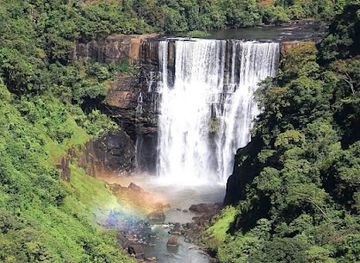
Kindia Region’s attractions are primarily landscapes and outdoor sites rather than a dense collection of formal museums or large visitor complexes. Around Kindia, waterfalls such as the Voile de la Mariée provide the best-known excursions, with forested surroundings, rocky channels and seasonal variation in water flow. Mount Gangan and the surrounding hills offer opportunities for guided walks and broad views, although routes can be rough and should be assessed locally. The countryside itself is an attraction: banana, pineapple, citrus and mango cultivation creates a distinctive agricultural landscape around the regional capital. Kindia’s markets offer an everyday window into the trade in fruit and local produce, while the town’s position on the route between Conakry and the interior gives it historical and cultural importance. Further journeys towards Télimélé reveal quieter upland scenery and dispersed communities, but require more planning because transport and accommodation become less predictable. Coyah and Dubréka provide a more urban and coastal-lowland contrast, shaped by their proximity to Conakry. Visitors should distinguish the region’s natural excursions from Guinea’s major national parks and highland destinations elsewhere, which are not in Kindia Region.
-
Mountain peak
Fouta Djallon
Explore the stunning landscapes and rich culture of Fouta Djallon, a majestic mountain range in Guinea, perfect for adventure and relaxation.
-
Tourist attraction
Grande Mosquée de Conakry
Explore the Grande Mosquée de Conakry, the largest mosque in Guinea, showcasing stunning Islamic architecture and rich cultural heritage.
-
Stadium
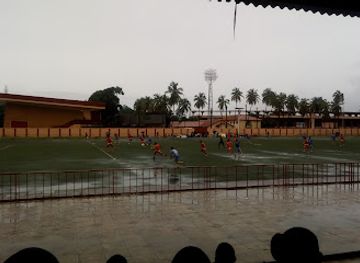
Stade du 28 Septembre
Experience the vibrant spirit of Guinea at Stade du 28 Septembre, where sports and culture unite in a historic stadium.
-
Tourist attraction
National Museum of Guinea
Explore Guinea's cultural tapestry at the National Museum of Guinea, a treasure trove of history, art, and tradition in Conakry.


Best landmarks in Kindia Region
Mount Gangan is one of the most recognisable natural landmarks around Kindia, rising above the surrounding valleys and helping define the city’s setting between the coastal plain and the Fouta Djallon uplands. The Voile de la Mariée waterfall is the region’s most familiar named scenic landmark, valued for the way water drops through a wooded, rocky landscape; its appearance and accessibility vary with the season. The railway corridor and associated transport routes are also important historical features, reflecting Kindia’s role in linking Conakry with the Guinean interior during the colonial period and after independence. In the wider region, the transition from lowland cultivation around Coyah and Dubréka to hillier countryside towards Kindia and Télimélé provides a geographical landmark in its own right. Visitors should treat waterfalls, riverbanks and mountain paths as natural environments rather than engineered attractions: access may involve uneven ground, limited signage and locally managed arrangements.
-
Mosque
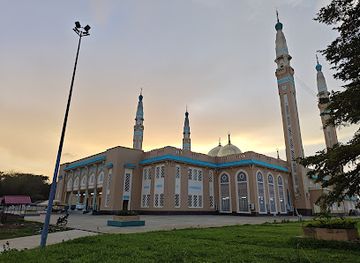
Grande Mosquée de Conakry
Explore the Grande Mosquée de Conakry, a stunning example of Islamic architecture and rich cultural heritage in Guinea's vibrant capital.
-
Museum
National Museum of Guinea
Explore the vibrant culture and rich history of Guinea at the National Museum of Guinea, a must-visit destination for every traveler.
-
Council
Palais du Peuple
Explore the Palais du Peuple in Conakry, a symbol of Guinea's political heritage and cultural richness, showcasing stunning architecture and history.
-
Movie theater
Kindia Manquepas Mosquee
Discover the spiritual essence and architectural beauty of Kindia Manquepas Mosquee, a cultural gem in the heart of Guinea's Kindia region.
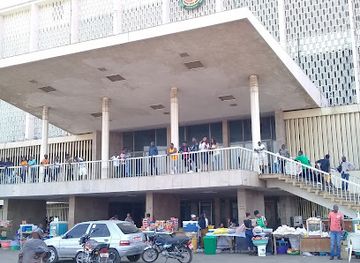

Explore Kindia Region on the map
Plan your trip on one map. See where the top cities, national parks and sights are, and book hotels and experiences in a few clicks.
Best hotels in Kindia Region
Best restaurants in Kindia Region
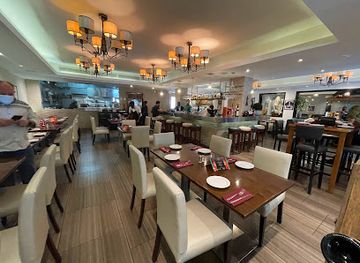
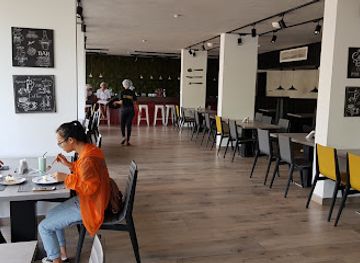
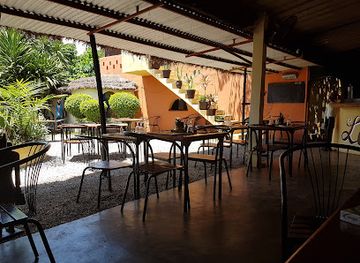
Dining in Kindia Region is closely tied to Guinean home cooking, market produce and the agricultural abundance of Lower Guinea. Rice is a common foundation, accompanied by sauces made with vegetables, groundnuts, leafy greens or meat, while grilled fish and chicken are available in town. Seasonal bananas, pineapples, mangoes, citrus fruit and other produce are among the region’s most distinctive food experiences, whether bought from a market stall or served simply as refreshment. Small restaurants and roadside eateries generally offer practical local meals rather than elaborate menus, and French, West African and international dishes are more readily found in larger hotels. In rural areas, choices may be limited and meal times flexible, so carrying water and a snack is sensible on excursions. Kindia’s food culture is best understood through its markets and agricultural setting: the freshness and seasonality of produce matter more than a single dish identified exclusively with the region.
-
 Hotel
HotelRiviera Royal Hotel
Riviera Royal Hotel: A luxurious haven in Conakry with top-notch amenities including a casino, gym, restaurant, and vibrant nightlife.
-
Restaurant
Avenue
Discover Avenue in Conakry: where local flavors meet warm hospitality in an unforgettable dining experience.
-
Restaurant
Le Special
Experience authentic Guinean cuisine at Le Special in Conakry—where every meal tells a story.
-
Restaurant
Le Patio
Experience exquisite local and international cuisine at Le Patio in Conakry – where every meal tells a story.
Best bars in Kindia Region
Kindia’s evening scene is modest and centred on local bars, restaurants, hotel lounges and informal social spaces rather than a large nightclub circuit. In the regional capital, visitors may find music, televised football and conversation in neighbourhood venues, while evenings in smaller towns and rural districts generally become quiet earlier. Coyah and Dubréka have more activity because of their position on the road to Conakry, but they should not be confused with the capital’s nightlife. Alcohol is available in some establishments, alongside soft drinks and bottled water, yet it is not necessary for engaging with local evening life. Travellers should choose established venues, keep valuables secure and arrange transport before late-night outings, particularly outside the main urban corridors. Opening arrangements, music events and individual businesses change, so current local advice is more reliable than assuming a permanent nightlife programme.
-
Restaurant
Avenue
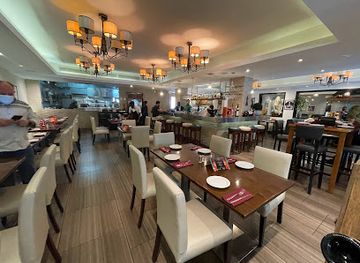
Experience the vibrant flavors of Guinea at Avenue, a top-rated restaurant in Conakry known for its authentic cuisine and warm atmosphere.
-
Restaurant
Favela
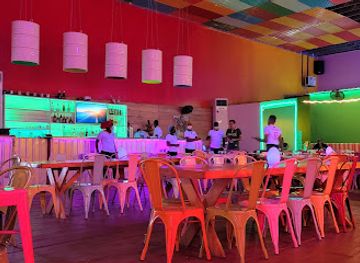
Discover the culinary delights of Favela, a vibrant restaurant in Conakry, Guinea, offering authentic local dishes in a lively atmosphere.
-
Bar
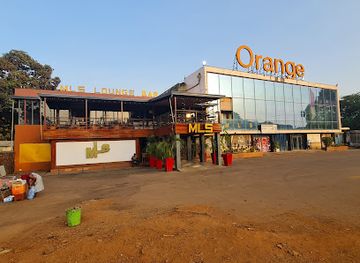
MLS Lounge Bar
Experience the vibrant nightlife of Conakry at MLS Lounge Bar, where great drinks and friendly vibes await you.
-
Brunch
NOMAD
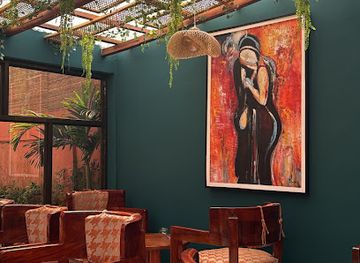
Experience the vibrant flavors of brunch at NOMAD in Conakry, where local ingredients meet contemporary culinary artistry.
Best nightclubs in Kindia Region
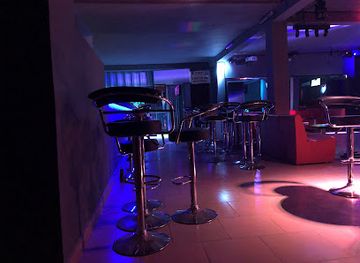
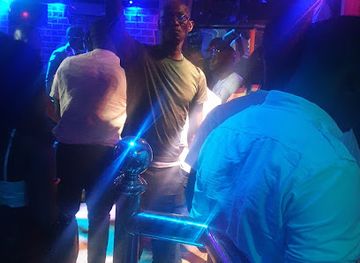
Kindia’s evening scene is modest and centred on local bars, restaurants, hotel lounges and informal social spaces rather than a large nightclub circuit. In the regional capital, visitors may find music, televised football and conversation in neighbourhood venues, while evenings in smaller towns and rural districts generally become quiet earlier. Coyah and Dubréka have more activity because of their position on the road to Conakry, but they should not be confused with the capital’s nightlife. Alcohol is available in some establishments, alongside soft drinks and bottled water, yet it is not necessary for engaging with local evening life. Travellers should choose established venues, keep valuables secure and arrange transport before late-night outings, particularly outside the main urban corridors. Opening arrangements, music events and individual businesses change, so current local advice is more reliable than assuming a permanent nightlife programme.
-
Disco club
CONAKRY CLUB
Dive into the vibrant nightlife of Conakry at the Conakry Club, where music, dance, and culture unite for an unforgettable experience.
-
Night club
Club Des Amis
Experience the heartbeat of Kindia's nightlife at Club Des Amis, where music, dance, and culture collide for an unforgettable evening.
-
Night club
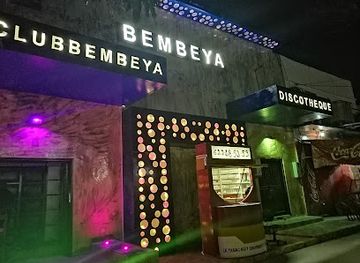
Club BEMBEYA
Discover the ultimate nightlife experience at Club BEMBEYA in Conakry, featuring vibrant music, local culture, and an electric atmosphere.
-
Night club
Alize Club International
Discover the electric nightlife at Alize Club International in Conakry, a vibrant club offering unforgettable music and dance experiences.
Best shops in Kindia Region
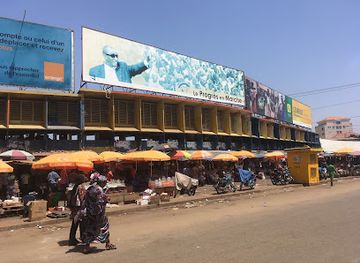
Shopping in Kindia Region is predominantly local and practical, with markets and roadside stalls supplying fruit, vegetables, rice, household goods, clothing and everyday necessities. Kindia is a useful place to look for bananas, pineapples, mangoes, citrus and other seasonal produce associated with the surrounding agricultural economy. Small shops and market traders are more significant than formal shopping centres, while Coyah and Dubréka offer a busier roadside commercial environment because of their connection with Conakry. Visitors may find locally made baskets, textiles, carved items or other craft products, but availability and quality vary, so purchases should be made directly and respectfully rather than through assumptions about fixed tourist markets. Bargaining can occur in informal markets, although it should remain courteous and proportionate. Carry Guinea francs in small denominations, ask before photographing stalls and remember that perishable food products may not be suitable for onward international travel.
-
Market
Marche du Niger
Experience the lively atmosphere of Marche du Niger, Conakry's bustling market filled with local goods, street food, and vibrant cultural exchanges.
-
Wood and laminate flooring supplier
Friguiady
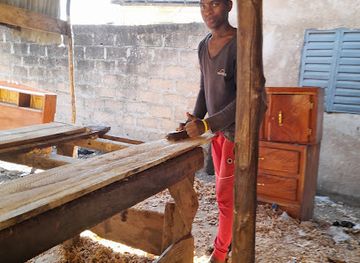
Explore premium wood and laminate flooring at Friguiady in Conakry, Guinea for exceptional quality and expert guidance.
-
Vaporizer store
Guinéenne de l'e-cigarette
Explore Guinéenne de l'e-cigarette, Conakry's top vaporizer store for all your vaping needs, from devices to delicious e-liquids.
-
Variety store
Yaya Camara
Experience the charm of Kindia at Yaya Camara, your go-to variety store for unique local goods and cultural treasures.

Get your free copy of our complete guide to Kindia Region, delivered straight to you.
Everything on this page, from attractions and restaurants to essentials and local phrases, in one PDF you can read offline, print or share.
Already have an account? Sign in
Your Kindia Region guide is ready.
We'll send it to · Not you? Sign out

Getting your guide ready…
We are putting together a fresh copy of the Kindia Region guide. This can take up to a minute.
This can take a few moments. If your browser asks, choose Allow so the download can start. You'll find the guide in your Downloads folder.
Nothing happened? Download it again
Sorry, the guide is taking longer than usual. Please try again in a minute, or get it by email instead.
Kindia Region essentials
Currency and Payment
Safety
Emergency Situations
Do's and Don'ts
Local Tips
From Eve
Local phrases worth knowing
You don't need to get them perfect. A few words go a long way, and locals appreciate the effort.
Basics
| English | Local | Say it |
|---|---|---|
| Hello | N'ka kɛ | [N'kah keh] |
| Goodbye | N'ka fɛ | [N'kah feh] |
| Yes | Ala | [Ah-lah] |
| No | N'a | [Nah] |
| Please/You're welcome | S'il vous plaît / I ni so | [Seel voo pleh / Ee nee soh] |
| Thank you | I ni kɛ | [Ee nee keh] |
| Excuse me/Sorry | Dɔɔ n'ka | [Doh nah kah] |
| How are you? | N'ka tɔ? | [N'kah toh?] |
| Fine. And you? | N'ka fɛ. I ni tɔ? | [N'kah feh. Ee nee toh?] |
| Do you speak English? | I fɛlɛ English? | [Ee feh-leh English?] |
| I don't understand | N'ka n'a tɔ | [N'kah nah toh] |
Eating & Drinking
| English | Local | Say it |
|---|---|---|
| I'd like to see the menu, please | N'ka fɛlɛ menu, s'il vous plaît | [N'kah feh-leh meh-nu, seel voo pleh] |
| I don't eat meat | N'ka n'a kɛ fɛ | [N'kah nah keh feh] |
| Cheers! | À votre santé! | [Ah voh-trah sahn-tay] |
| I would like to pay, please | N'ka fɛlɛ kɛ, s'il vous plaît | [N'kah feh-leh keh, seel voo pleh] |
Emergencies
| English | Local | Say it |
|---|---|---|
| Help! | N'ka fɛ! | [N'kah feh!] |
| Go away! | N'ka n'a so! | [N'kah nah soh!] |
| Call the Police! | Tɔ n'ka Polici! | [Toh n'kah Poh-lee-see!] |
| Call a doctor! | Tɔ n'ka dɔktɛ! | [Toh n'kah doh-kteh!] |
| I'm lost | N'ka fɛlɛ fɛ | [N'kah feh-leh feh] |
| I'm ill | N'ka fɛlɛ sɔ | [N'kah feh-leh soh] |
Shopping
| English | Local | Say it |
|---|---|---|
| I'd like to buy... | N'ka fɛlɛ tɛ... | [N'kah feh-leh teh...] |
| I'm just looking | N'ka fɛlɛ so | [N'kah feh-leh soh] |
| How much is it? | I kɛ fɛ? | [Ee keh feh?] |
| That's too expensive | Ala fɛ tɛ | [Ah-lah feh teh] |
| Can you lower the price? | I kɛ fɛlɛ kɛ tɛ? | [Ee keh feh-leh keh teh?] |
Time & Numbers
| English | Local | Say it |
|---|---|---|
| What time is it? | Kɛn kɛ la? | [Ken keh lah?] |
| It's one o'clock | Kɛn la kɛ | [Ken lah keh] |
| Half past (10) | Dɔɔ n'ka tɛ (10) | [Doh nah kah teh (10)] |
| Morning | Sɔrɔ | [So-roh] |
| Afternoon | Dɔɔ | [Doh] |
| Evening | Jè | [Jeh] |
| Yesterday | Kɛn tɔ | [Ken toh] |
| Today | Kɛn fɛ | [Ken feh] |
| Tomorrow | Kɛn jè | [Ken jeh] |
| 1 | Kɛn | [Ken] |
| 2 | Dɔ | [Doh] |
| 3 | Tati | [Tah-tee] |
| 4 | N'e | [N'eh] |
| 5 | Sankɔ | [Sahn-koh] |
| 6 | N'si | [N'see] |
| 7 | N'sɛt | [N'set] |
| 8 | N'wɔ | [N'wah] |
| 9 | N'kɔn | [N'kon] |
| 10 | N'na | [N'nah] |
Transport & Directions
| English | Local | Say it |
|---|---|---|
| Where's a/the...? | Kɛn n'ka ...? | [Ken n'kah ...?] |
| What's the address? | Kɛn la n'ka nɔ? | [Ken lah n'kah noh?] |
| Can you show me (on the map)? | I kɛ fɛlɛ mɔ (sɔ map)? | [Ee keh feh-leh moh (soh map)?] |
| When's the next (bus)? | Kɛn kɛ n'ka fɛ (bɔs)? | [Ken keh n'kah feh (bos)?] |
| A ticket (to ....) | N'ka fɛlɛ tikɛt (kɛ ....) | [N'kah feh-leh tee-ket (keh ....)] |
History of Kindia Region
Early Communities and Lower Guinean Trade
The area now administered as Kindia Region has long been inhabited by communities connected to the wider coastal and inland networks of Lower Guinea. Agriculture, river valleys and trade routes supported settlements before European colonial rule, while cultural and linguistic links connected the region with the Susu-speaking coast and neighbouring peoples. The area's position between the maritime zone and the Fouta Djallon made it a corridor rather than an isolated margin. Local histories preserve memories of chiefly authority, migration, trade and competition over land and routes, although the modern regional boundaries are products of the Guinean state rather than precolonial political geography.
Islamic Influence from the Fouta Djallon
From the eighteenth century onwards, the expansion of the Imamate of Futa Jallon affected political and commercial relationships across much of inland Guinea. Kindia Region lay on the southern approaches to the uplands, and Islamic scholarship, trade and political influence reached communities in the broader area. This did not erase existing local identities or religious practices, but it contributed to the spread of Islam and to new relationships between coastal settlements and the highland state. The legacy remains visible in the region’s religious landscape, languages of learning and connections between Lower Guinea and the interior.
French Expansion and Colonial Rule
France consolidated control over the territory that became Guinea during the late nineteenth century, following military campaigns, treaties and the gradual imposition of colonial administration. Kindia’s location between Conakry and the interior gave it strategic importance. Colonial rule reorganised authority, taxation and land use, while roads and administrative stations linked the area more closely to the coast. These changes were disruptive as well as infrastructural: local political systems were subordinated to French officials, labour demands increased and the cash economy became more influential.
Railways, Agriculture and the Colonial Economy
Transport development strengthened Kindia’s role as a link between Conakry and inland Guinea. The railway system built to connect the coast with the interior supported the movement of people, agricultural products and colonial supplies, although its benefits were unevenly distributed. Kindia also became associated with agricultural experimentation and the production of fruit and other crops suited to its humid environment. Plantation and market agriculture altered the countryside and helped establish the regional reputation for bananas, pineapples and citrus that continues in contemporary markets.
Independence and the First Republic
Guinea became independent from France in 1958 under President Ahmed Sékou Touré, and Kindia Region entered the centrally directed political and economic system of the First Republic. The new state promoted national control of resources, public ownership and political mobilisation, while relations with France deteriorated sharply. Administrative towns such as Kindia acquired renewed importance as centres of government, education and commerce. The period also brought restrictions and economic difficulties, and its legacy remains part of the wider national debate about sovereignty, development and political authority.
Contemporary Kindia and Regional Change
Since the late twentieth century, Kindia Region has combined expanding urban settlements with an economy still strongly connected to farming, trading and transport. Growth around Kindia, Coyah and Dubréka has been influenced by their proximity to Conakry, while more distant districts remain more rural and dependent on road access. Tourism based on waterfalls, scenery and agricultural landscapes has developed gradually but remains modest compared with the capital’s urban economy. Seasonal migration, population growth and changing land use continue to reshape the region without removing its importance as Guinea’s principal gateway to forested hills and upland scenery.
Kindia Region in Photos
Browse through our photo collection highlighting the charm and character of the destination.
Neighbouring regions of Kindia Region
The closest regions to Kindia Region, if you have time for more than one.
-

-

-

-

-


Swipe for more regions
Explore more

Explore more of Guinea
Explore Guinea's hidden beauty, from lush rainforests and majestic waterfalls to vibrant markets and rich cultural heritage in West Africa.
Explore Guinea