

John Obey Beach Travel Guide - Free Web & App
Your ultimate guide to John Obey Beach. Discover top landmarks, proposed trips, and local tips. Free on the web or via the Evendo companion app.


John Obey Beach, Sierra Leone, offers Atlantic sands, village life and coastal escapes near Freetown, with swimming, scenery and responsible travel.
Beach and Coastal Landscape
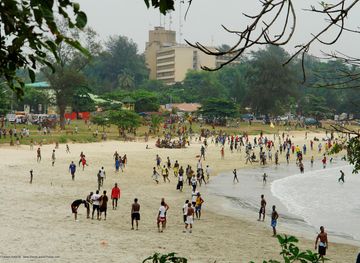
John Obey Beach lies on Sierra Leone’s Freetown Peninsula, south-west of the capital and beyond the more developed beaches around Lumley and Aberdeen. The settlement is a small coastal community where a broad Atlantic shoreline meets forested hills, palms and the road that follows the peninsula towards Tokeh, River Number Two and Bureh. Its appeal is the combination of open beach scenery and everyday village life rather than an extensive resort infrastructure. Sand, surf, fishing activity and changing tropical light define the coastline, while the surrounding peninsula provides a sense of distance from Freetown despite the beach’s connection to the capital region.Read more about John Obey Beach
Community and Conservation
Exploring the Peninsula
When is the best time to visit John Obey Beach?
Best: January–March · 30–31°C| Month | High (°C) | Rainfall (mm) |
|---|---|---|
| January (best) | 30 | 0 |
| February (best) | 31 | 0 |
| March (best) | 31 | 0 |
| April | 32 | 0 |
| May | 32 | 0 |
| June | 32 | 0 |
| July | 31 | 0 |
| August | 31 | 0 |
| September | 32 | 0 |
| October | 32 | 0 |
| November | 32 | 0 |
| December | 31 | 0 |
Getting to and around John Obey Beach
How to get there
Transportation
Best attractions in John Obey Beach
John Obey Beach’s principal attraction is its broad Atlantic shoreline, where open sand, surf and village activity create a more rural setting than the developed beaches closer to Freetown. The surrounding Freetown Peninsula adds forested hills, coastal viewpoints and long road sections through small settlements, making the approach part of the experience. Visitors can walk along the beach, watch fishing activity and observe the meeting of the community and the sea, provided they keep clear of working equipment and private areas. John Obey is also positioned within reach of other recognised peninsula beaches, including Tokeh, River Number Two and Bureh, although these are separate destinations rather than attractions within John Obey itself. There are no grounds to expect a large museum, visitor centre or formal amusement complex at the beach; its interest lies in landscape, atmosphere and everyday coastal life. Conditions, facilities and access arrangements can vary, so local advice is valuable before planning swimming or longer coastal exploration.
-
Park
Freetown Amusement Park - Victoria Park
Discover fun and excitement at Freetown Amusement Park in Victoria Park, perfect for families and thrill-seekers alike.
-
Tourist attraction
Eastern Police Clock Tower
Discover the Eastern Police Clock Tower in Freetown, a historical landmark reflecting Sierra Leone's colonial legacy and architectural beauty.
-
Tourist attraction
Aberdeen Lighthouse
Experience the rich maritime history and stunning coastal views at the iconic Aberdeen Lighthouse in Freetown, Sierra Leone.
-
Hiking area
Mambo Waterfalls
Explore the breathtaking Mambo Waterfalls, a must-visit hiking paradise near Freetown, Sierra Leone, perfect for nature lovers and adventure seekers.


Best landmarks in John Obey Beach
The defining landmark of John Obey is its Atlantic beach: a wide, open edge of sand and surf that expresses the geography of Sierra Leone’s Freetown Peninsula more clearly than any built monument. The adjacent village and its fishing activity are important cultural features, showing how the shoreline functions as a working environment as well as a leisure setting. Inland, the peninsula’s forested slopes form a changing backdrop to the coast, while the road south links John Obey visually and geographically with other beach settlements. Nearby Tokeh, River Number Two and Bureh are prominent destinations in the wider peninsula landscape, but they should not be described as John Obey landmarks. The area’s significance lies in the relationship between ocean, settlement, transport route and tropical vegetation, with no major castle, lighthouse or formal historic monument defining the beach itself.
-
Beach
Bureh Beach
Discover the beauty of Bureh Beach, a tropical paradise in Sierra Leone where adventure meets relaxation amid stunning natural landscapes.
-
Tourist attraction
River 2 Beach
Experience the breathtaking natural beauty of River 2 Beach in Sussex, a serene paradise perfect for relaxation and exploration.
-
Hotel
The Estuary Resort
Discover the beauty of John Obey Beach at The Estuary Resort, where relaxation meets adventure in a stunning coastal paradise.
-
Historical place
Eastern Police Clock Tower
Discover the Eastern Police Clock Tower, a historical landmark in Freetown, showcasing Sierra Leone's colonial past and architectural beauty.


Explore John Obey Beach on the map
Plan your trip on one map. See where the top attractions, landmarks, restaurants and hotels are, and book hotels and experiences in a few clicks.
Best hotels in John Obey Beach
Best restaurants in John Obey Beach
Dining at John Obey is likely to be simple, local and dependent on community businesses or accommodation arrangements rather than a concentrated restaurant scene. Visitors may find locally prepared rice-based meals, fish and other familiar Sierra Leonean dishes, but availability should be confirmed in advance and menus should not be assumed. The country’s coastal food culture is strongly connected with fish, rice, vegetables, pepper and regional cooking traditions, while fresh ingredients and preparation styles vary between households. Travellers who require regular meals, dietary options or dependable supplies should stock up in Freetown or another substantial settlement before travelling along the peninsula. Nearby beach communities and accommodation areas may offer more visitor-oriented eating opportunities, but they remain separate from John Obey and can change seasonally. Asking hosts or drivers about current food arrangements is more reliable than expecting permanent cafés or formal dining facilities.
-
Restaurant
Roy Hotel & Restaurant
Discover exquisite flavors and stunning views at Roy Hotel & Restaurant on Lumley Beach Road in Freetown.
-
Mediterranean
Olba Restaurant
Experience authentic Mediterranean cuisine at Olba Restaurant on Lumley Beach – where flavor meets stunning coastal views.
-
Restaurant
LOR Resturant
Experience authentic Sierra Leonean cuisine at LOR Restaurant in Freetown – where flavors meet warmth.
-
Barbecue
Mango Peak
Experience mouthwatering barbecue delights at Mango Peak in Freetown - where flavors meet fun!


Best bars in John Obey Beach
John Obey does not have a recognised nightlife district or established nightclub scene. Evening life is likely to be quiet and community-based, with conversation, simple refreshments and the atmosphere of a rural fishing settlement rather than late entertainment. Some accommodation or beach businesses in the wider Freetown Peninsula may provide drinks or informal social spaces, but opening arrangements and availability can vary, and visitors should not assume that a bar is operating at the beach. Freetown offers a much broader choice of restaurants, bars, music venues and evening activities for those seeking organised nightlife, although it is outside John Obey and requires road travel. After dark at the beach, keep noise low near homes, arrange transport in advance and avoid isolated shoreline walks, particularly where lighting, communications and emergency assistance are limited.
-
Bar
Summer Times Special (STS)
Experience the vibrant coastal charm of Summer Times Special in Freetown, where delicious dining meets stunning beach views.
-
Grill
DeVillage Beach Bar & Restaurant
Discover the flavors of Sierra Leone at DeVillage Beach Bar & Restaurant, where delicious grilled dishes meet stunning ocean views.
-
Bar
Aista Restaurant and Bar
Discover delicious local and international cuisine at Aista Restaurant and Bar, set against the stunning backdrop of Lumley Beach in Freetown.
-
Bar
Plan B Relaxation
Discover the tranquil atmosphere of Plan B Relaxation in Freetown, a bar offering diverse drinks and a perfect escape for tourists and locals alike.


Best nightclubs in John Obey Beach
John Obey does not have a recognised nightlife district or established nightclub scene. Evening life is likely to be quiet and community-based, with conversation, simple refreshments and the atmosphere of a rural fishing settlement rather than late entertainment. Some accommodation or beach businesses in the wider Freetown Peninsula may provide drinks or informal social spaces, but opening arrangements and availability can vary, and visitors should not assume that a bar is operating at the beach. Freetown offers a much broader choice of restaurants, bars, music venues and evening activities for those seeking organised nightlife, although it is outside John Obey and requires road travel. After dark at the beach, keep noise low near homes, arrange transport in advance and avoid isolated shoreline walks, particularly where lighting, communications and emergency assistance are limited.
-
Night club
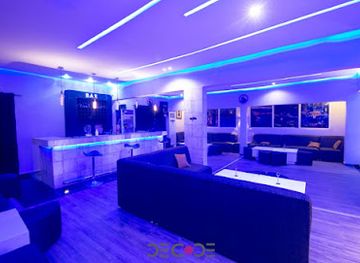
DeCode Lounge
Discover the vibrant nightlife at DeCode Lounge, a premier night club in Freetown, Sierra Leone, known for great music and an unforgettable atmosphere.
-
Night club
Ransim Night club
Experience the heart of Freetown's nightlife at Ransim Night Club, where music, dance, and vibrant energy come together for an unforgettable night out.
-
Disco club
UN Drive Deep Eye Water
Explore the electrifying nightlife at UN Drive Deep Eye Water, a premier disco club in Devil Hole, where the dance floor awaits your moves.
-
Night club
old school junction
Discover the heart of Freetown's nightlife at Old School Junction, where vibrant music and great vibes create unforgettable evenings.


Best shops in John Obey Beach
Shopping at John Obey is limited and primarily practical, with any purchases likely to come from small local vendors or community businesses rather than a permanent retail centre. Visitors should not expect a dedicated shopping street, craft market or extensive choice of souvenirs at the beach. Useful supplies, cash and specialist items are more reliably obtained in Freetown before travelling along the peninsula, while small settlements on the route may provide basic provisions subject to local availability. Where locally made goods or fresh produce are offered, buying directly and respectfully can support household livelihoods, but visitors should ask permission before photographing products or taking pictures of vendors. Regional Sierra Leonean food products and handmade items may also be found in larger urban markets, although these are outside John Obey. Avoid purchasing objects that appear to come from protected wildlife, archaeological material or environmentally sensitive coastal areas.
-
Clothing store
calaba Town
Explore Calaba Town, Freetown's vibrant shopping district, where local fashion meets cultural charm in a colorful atmosphere.
-
Boutique
vip Fashion store
Explore the vibrant fashion scene of Freetown at VIP Fashion Store, where style meets local artistry in a boutique experience.
-
Bridal shop
Sonibee Bridal- Sierra Leone
Discover the elegance of bridal fashion at Sonibee Bridal in Freetown, Sierra Leone, where your dream wedding dress awaits.
-
Men's clothing store
Vision Boutique
Discover stylish men's apparel at Vision Boutique in Freetown, where quality meets contemporary fashion in a welcoming setting.


Get your free copy of our complete guide to John Obey Beach, delivered straight to you.
Everything on this page, from attractions and restaurants to essentials and local phrases, in one PDF you can read offline, print or share.
Already have an account? Sign in
Your John Obey Beach guide is ready.
We'll send it to · Not you? Sign out

Getting your guide ready…
We are putting together a fresh copy of the John Obey Beach guide. This can take up to a minute.
This can take a few moments. If your browser asks, choose Allow so the download can start. You'll find the guide in your Downloads folder.
Nothing happened? Download it again
Sorry, the guide is taking longer than usual. Please try again in a minute, or get it by email instead.
John Obey Beach essentials
Currency and Payment
Safety
Emergency Situations
Do's and Don'ts
Local Tips
From Eve
Local phrases worth knowing
You don't need to get them perfect. A few words go a long way, and locals appreciate the effort.
Basics
| English | Local | Say it |
|---|---|---|
| Hello | Yah | [yah] |
| Goodbye | Tchow | [tchow] |
| Yes | Eyah | [eyah] |
| No | Na | [na] |
| Please/You're welcome | Abi yah | [abi yah] |
| Thank you | Tenki | [tenki] |
| Excuse me/Sorry | Sowe | [sowe] |
| How are you? | U de kam? | [oo de kam] |
| Fine. And you? | A de kam. Na yu? | [ah de kam. na yu] |
| Do you speak English? | Yu sabi tok Inglish? | [yu sabi tok inglish] |
| I don't understand | A no sabi | [ah no sabi] |
Eating & Drinking
| English | Local | Say it |
|---|---|---|
| I'd like to see the menu, please | A go lef de menu, abeg | [ah go lef de menu, abeg] |
| I don't eat meat | A no de eat mɛt | [ah no de eat met] |
| Cheers! | Kampay! | [kam-pai] |
| I would like to pay, please | A go pay, abeg | [ah go pay, abeg] |
Emergencies
| English | Local | Say it |
|---|---|---|
| Help! | Ebi! | [eh-bee] |
| Go away! | Geh wey! | [geh way] |
| Call the Police! | Kɔl Polis! | [kohl polis] |
| Call a doctor! | Kɔl doktor! | [kohl dohk-tor] |
| I'm lost | A loss | [ah loss] |
| I'm ill | A sik | [ah seek] |
Shopping
| English | Local | Say it |
|---|---|---|
| I'd like to buy... | A wan buy... | [ah wan buy] |
| I'm just looking | A just di luk | [ah just dee look] |
| How much is it? | Na ow mɔch? | [na ow moch] |
| That's too expensive | Dɛn tɔɔ mɔch | [den too moch] |
| Can you lower the price? | Yu fit ron am small? | [yu fit ron am small] |
Time & Numbers
| English | Local | Say it |
|---|---|---|
| What time is it? | Na ow dɛn tɛm? | [na ow den tem] |
| It's one o'clock | Na wɔn tɛm | [na wone tem] |
| Half past (10) | Haf pas ten | [haf pass ten] |
| Morning | Mɔnin | [moh-neen] |
| Afternoon | Aftanun | [af-ta-noon] |
| Evening | Ivinin | [ee-vee-neen] |
| Yesterday | Dey bifo | [day bee-foh] |
| Today | Tide | [tee-day] |
| Tomorrow | Tanoro | [tah-noh-roh] |
| 1 | Wɔn | [wone] |
| 2 | Tu | [too] |
| 3 | Tri | [tree] |
| 4 | Fɔ | [foh] |
| 5 | Faif | [fayf] |
| 6 | Seks | [seks] |
| 7 | Sɛvn | [sev-en] |
| 8 | Eit | [ate] |
| 9 | Nain | [nine] |
| 10 | Ten | [ten] |
Transport & Directions
| English | Local | Say it |
|---|---|---|
| Where's a/the...? | Dey yɛɛ...? | [day yay] |
| What's the address? | Na wɔsai? | [na woh-sai] |
| Can you show me (on the map)? | Yu fit shɔ mi? | [yu fit show me] |
| When's the next (bus)? | Na ow dɛn go kam? | [na ow den go kam] |
| A ticket (to ....) | Wɔn tikit go... | [wone tee-kit go] |
History of John Obey Beach
A Peninsula Shaped by the Atlantic
John Obey’s earliest story is environmental rather than architectural. The beach belongs to the long Atlantic coast of the Freetown Peninsula, where ocean currents, surf and seasonal rainfall have shaped sandy shorelines beside forested and rocky uplands. These conditions encouraged settlement patterns based on access to the sea and coastal resources, while the peninsula’s hills and difficult interior routes helped keep many communities relatively separate from the capital. Much of the visible character of John Obey remains tied to this relationship between village life, the road and the sea.
Coastal Settlement and Fishing
John Obey developed as a small coastal settlement within a region where fishing, local trade and subsistence activities have traditionally been important to household life. The beach is not principally a monumental historic site; its cultural interest lies in the continuing presence of a working community beside the Atlantic. Boats, nets, landing areas and informal exchanges provide a reminder that the shoreline is a source of livelihood as well as a visitor landscape. Coastal settlements across the peninsula have also been influenced by their proximity to Freetown, whose population and demand for leisure destinations have gradually connected rural beaches to the capital’s economy.
The Peninsula Road and Recreation
Improved road connections along the Freetown Peninsula made beaches such as John Obey more accessible to residents of the capital and to international visitors. Tourism has generally remained small-scale and uneven, with development concentrated in particular beach settlements rather than forming a continuous resort strip. John Obey became associated with community-oriented accommodation and tourism initiatives that sought to link visitors with local livelihoods and the coastal environment. Such projects illustrate a wider shift from viewing beaches solely as leisure spaces towards recognising community participation and environmental responsibility, although individual facilities and organisations can change or cease operation.
Contemporary Environmental Pressures
Today, John Obey sits within a rapidly changing coastal region where road development, settlement growth, tourism, waste management and shoreline pressures affect the relationship between communities and the sea. Its value is therefore both recreational and local: the beach provides open coastal space while the village depends on the surrounding environment. Visitors contribute most positively by using locally available services where appropriate, avoiding damage to vegetation, respecting fishing activity and reducing plastic waste. The area’s future character will depend on how access, tourism and community needs are balanced along the wider Freetown Peninsula.
John Obey Beach in Photos
Browse through our photo collection highlighting the charm and character of the destination.
Cities in John Obey Beach
The towns and cities of John Obey Beach, and the easiest places to base yourself.
-

-
-

-

-

-


Swipe for more cities
Neighbouring destination travel guides
The closest destinations to John Obey Beach, if you have time for more than one.
-

-

-

-

-


Swipe for more destinations
Explore more
Explore more of Western Area
Explore Western Area for Freetown’s Krio heritage, Atlantic beaches, rainforest hills, wildlife conservation and Sierra Leonean food culture.
Explore Western Area
Explore more of Sierra Leone
Discover Sierra Leone, a West African treasure with pristine beaches, lush rainforests, rich history, and vibrant cultures, offering unforgettable adventures and warm hospitality.
Explore Sierra Leone