

Free Jérémie Travel Guide & Mobile App
Plan your Jérémie trip with Evendo. Get free guides to top attractions, restaurants, hotels, and bars. Web access or download the mobile app.


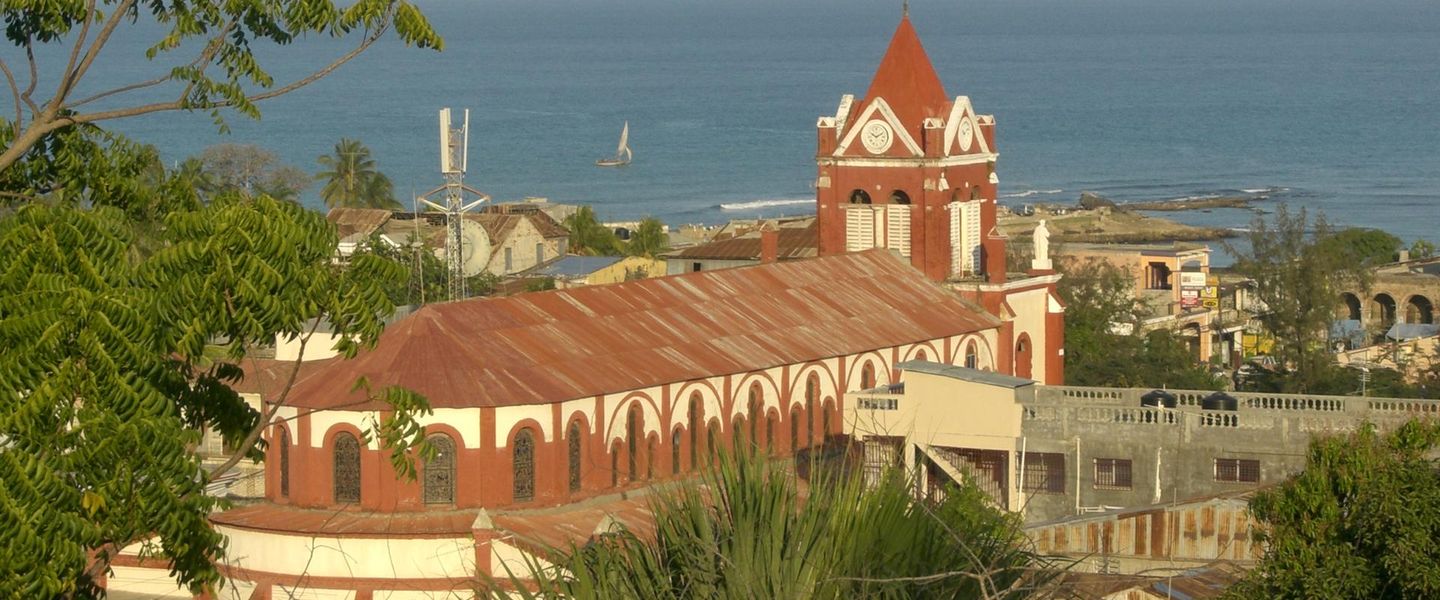


Jérémie, Haiti’s poetic port, blends Grand’Anse culture, historic churches, coastal scenery, local markets and access to southwest Haiti’s landscapes.
A Southern City of Sea and Hills
Jérémie stands on Haiti’s southwestern peninsula, at the mouth of the Grande-Anse River and beneath the wooded hills of the Grand’Anse department. The city’s position between the Caribbean Sea and a fertile interior gives it a character that is both maritime and rural: fishing boats and small craft gather along the waterfront, while roads inland lead towards gardens, plantations and mountain communities. Jérémie is the department’s administrative capital and an important town for the surrounding west-coast settlements, although its infrastructure remains modest and travel can be demanding.Read more about Jérémie
The City of Poets
Exploring Grand’Anse
When is the best time to visit Jérémie?
Best: December–February · 30–31°C| Month | High (°C) | Rainfall (mm) |
|---|---|---|
| January (best) | 30 | 28 |
| February (best) | 30 | 28 |
| March | 31 | 28 |
| April | 32 | 29 |
| May | 33 | 29 |
| June | 33 | 29 |
| July | 33 | 29 |
| August | 33 | 29 |
| September | 33 | 29 |
| October | 32 | 29 |
| November | 31 | 28 |
| December (best) | 31 | 28 |
Getting to and around Jérémie
How to get there
Transportation
Best attractions in Jérémie
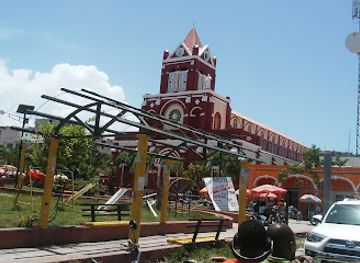
Jérémie’s principal attractions are concentrated around its compact centre and waterfront. The Cathedral of Saint Louis remains the town’s most recognisable religious landmark, although visitors should check its condition and access because it suffered major damage during Hurricane Matthew. Place Dumas provides a useful civic reference point and a setting for observing the everyday movement of residents, while the central market reveals the agricultural wealth of Grand’Anse through displays of fruit, vegetables, spices and household goods. The port and river mouth offer a view of Jérémie’s maritime role, particularly in the early morning when local activity is most evident. Beyond the town, Fort Marfranc stands in a mountainous setting and connects the region with Haiti’s post-independence military history; reaching it involves a locally arranged excursion rather than a simple city visit. Coastal communities and beaches elsewhere in Grand’Anse add a rural dimension, but road and security conditions should be checked before departure.
-
Tourist attraction
Cathedral of Saint Louis Roi of France
Explore the breathtaking architecture and cultural significance of the Cathedral of Saint Louis Roi of France in beautiful Jérémie, Haiti.
8 min walk · 0.6 km from city centre
-
Tourist attraction
Pic Macaya National Park
Explore Pic Macaya National Park, a breathtaking national park in Haiti, showcasing stunning landscapes, rich biodiversity, and unique hiking adventures.
53 min drive · 33 km from city centre

Best landmarks in Jérémie
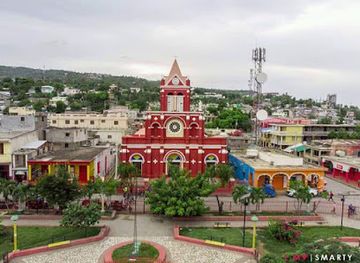
The Cathedral of Saint Louis is Jérémie’s foremost architectural and religious reference point, representing the Catholic institutions that have long shaped the town’s civic life; its condition has been affected by disasters, so access should be confirmed locally. Place Dumas functions as a central public space and helps express the city’s civic identity, while the market buildings and surrounding streets reveal the commercial relationship between Jérémie and the agricultural Grand’Anse hinterland. The port and the mouth of the Grande-Anse River are landmarks of geography as much as construction, marking the town’s historic role as a coastal exchange point. Inland, Fort Marfranc is associated with the defensive programme of independent Haiti after 1804 and occupies a strategic mountain setting. Together, these sites show Jérémie as a port, administrative centre, religious community and gateway to a rugged department.
-
Cathedral
Cathedral of Saint Louis Roi of France
Discover the historical beauty of the Cathedral of Saint Louis Roi of France in Jérémie, a stunning Gothic masterpiece and a symbol of cultural heritage.
8 min walk · 0.6 km from city centre
-
Hotel
Place Charmant
Experience the charm of Haiti at Place Charmant, a serene hotel in Jérémie offering comfort, culture, and unforgettable hospitality.
16 min walk · 1.2 km from city centre
-
Tourist information center
Découvrir la Grand’Anse
Discover the vibrant culture and breathtaking landscapes of Grand’Anse at the Découvrir la Grand’Anse tourist information center in Jérémie, Haiti.
10 min walk · 0.8 km from city centre
-
Bed & breakfast
MAKAY GUEST HOUSE
Experience the essence of Haitian hospitality at Makay Guest House in beautiful Jérémie, offering cozy accommodations and local charm.
10 min drive · 3.4 km from city centre

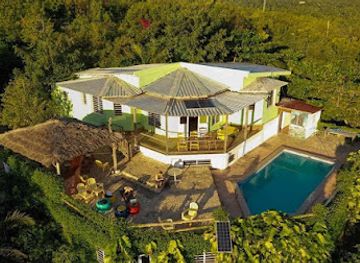
Explore Jérémie on the map
Plan your Jérémie trip on one map. See where the top attractions, landmarks, restaurants, bars and hotels are, find what's near where you're staying, and book hotels and experiences in a few clicks.
Best hotels in Jérémie
Best restaurants in Jérémie
Jérémie’s food culture reflects the farming and fishing economy of Grand’Anse rather than a highly formal restaurant scene. Rice and beans, plantains, root vegetables, stewed meats, poultry, goat and locally caught fish appear in everyday cooking, often accompanied by pikliz, the spicy pickled cabbage relish found throughout Haiti. Fresh produce from the surrounding valleys supplies market stalls and small eateries, while coffee, cacao and tropical fruit are important regional products. Visitors are more likely to encounter modest family-run restaurants, market vendors and small cafés than an extensive selection of internationally oriented dining rooms. Haitian staples such as griot, tassot, bannann peze and soup joumou may be available, though menus vary with supplies and the season. Hygiene, water and food storage deserve careful attention, and meals should be arranged through trusted local contacts when travelling beyond central Jérémie.
-
Restaurant
Ilan Ilan Restaurant
Experience authentic Haitian cuisine at Ilan Ilan Restaurant in Jérémie - where every meal tells a story.
12 min walk · 0.9 km from city centre
-
Restaurant
onde eu jantava
Experience authentic Haitian cuisine at Onde Eu Jantava in Jérémie - where every dish tells a story!
8 min walk · 0.6 km from city centre
-
Bed & breakfast
MAKAY GUEST HOUSE
Experience warm hospitality and breathtaking views at Makay Guest House in Jérémie – your perfect home away from home.
10 min drive · 3.4 km from city centre
-
Restaurant
Le Soleil Bar Restaurant
Experience authentic Haitian cuisine at Le Soleil Bar Restaurant in Jérémie – where flavors meet warm hospitality.
15 min walk · 1.2 km from city centre
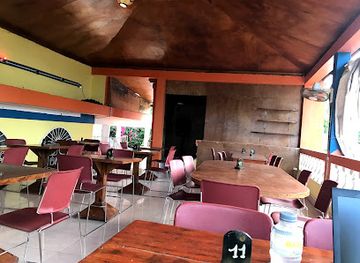
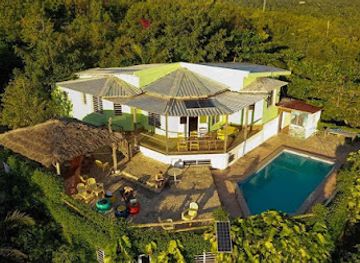
Best bars in Jérémie
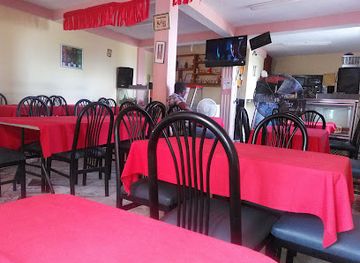
Jérémie’s evening life is relatively modest and centred on conversation, music, family gatherings and small local drinking places rather than a large club circuit. Informal bars and restaurants may serve Haitian beers, rum and soft drinks, while music, radio and occasional live performances provide much of the social atmosphere. The waterfront and central streets can be active earlier in the evening, but visitors should not expect fixed nightlife districts, late-running public transport or the variety of venues found in Port-au-Prince. Cultural and religious events may offer more meaningful evening experiences than conventional clubbing, although dates and access vary. Because security conditions and local routines can change, night-time outings should be arranged with accommodation staff or trusted residents, with transport organised in advance and isolated streets avoided.
-
 Hotel
HotelPlace Charmant
Discover the serene comfort and local charm of Place Charmant, your ideal hotel retreat in beautiful Jérémie, Haiti.
16 min walk · 1.2 km from city centre
-
Restaurant
Le Soleil Bar Restaurant
Experience the vibrant flavors of Haitian cuisine at Le Soleil Bar Restaurant, a must-visit dining destination in beautiful Jérémie.
15 min walk · 1.2 km from city centre
-
Bar
Bel coin (Bar, Restaurant, Piscine, Guest House)
Discover Bel Coin in Jérémie: A perfect blend of relaxation, great food, and vibrant Haitian culture awaits you at this charming bar and guest house.
15 min drive · 5.1 km from city centre
-
Bar
Lory Bar Resto
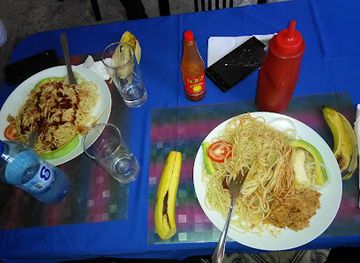
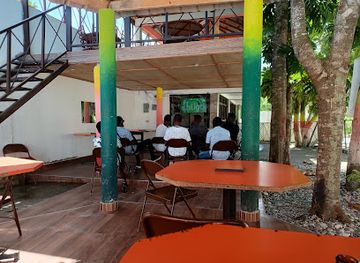
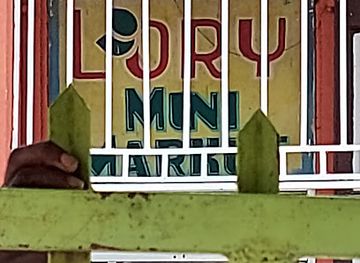
Experience the vibrant flavors and lively atmosphere at Lory Bar Resto in Jérémie, a true Caribbean gem for tourists and locals alike.
8 min walk · 0.6 km from city centre
Best nightclubs in Jérémie
Jérémie’s evening life is relatively modest and centred on conversation, music, family gatherings and small local drinking places rather than a large club circuit. Informal bars and restaurants may serve Haitian beers, rum and soft drinks, while music, radio and occasional live performances provide much of the social atmosphere. The waterfront and central streets can be active earlier in the evening, but visitors should not expect fixed nightlife districts, late-running public transport or the variety of venues found in Port-au-Prince. Cultural and religious events may offer more meaningful evening experiences than conventional clubbing, although dates and access vary. Because security conditions and local routines can change, night-time outings should be arranged with accommodation staff or trusted residents, with transport organised in advance and isolated streets avoided.
-
Bar
Lundy's Bar Resto
Discover the heart of Haitian nightlife at Lundy's Bar Resto in Jérémie – where local flavors and good vibes meet.
10 min walk · 0.8 km from city centre
-
Night club
MARC DONALD LAFLEUR
Discover the vibrant nightlife of Jérémie at Marc Donald Lafleur, where unforgettable memories and exciting rhythms await every night.
5 min drive · 1.8 km from city centre
-
Bar
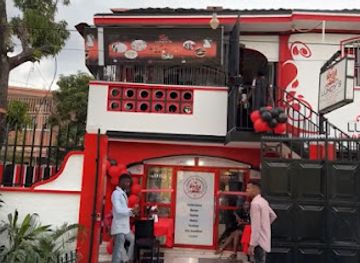
Bolide Night club
Discover the energy and excitement of Bolide Night Club, Jérémie's premier destination for nightlife, music, and unforgettable moments.
15 min walk · 1.2 km from city centre
-
Night club
Kay Adler
Experience vibrant nightlife at Kay Adler in Jérémie, where music, dance, and local culture come alive in the heart of Haiti.
11 min walk · 0.9 km from city centre

Best shops in Jérémie
Shopping in Jérémie is primarily practical and local, with the central market serving as the main place to browse produce, grains, spices, household goods, clothing and small everyday necessities. Products from the Grand’Anse countryside may include tropical fruit, coffee, cacao and other agricultural goods, although supply and presentation change with the season. Small independent shops line central streets, while informal stalls provide a more immediate view of local commerce than dedicated souvenir boutiques. Visitors may find locally made baskets, simple woodwork, textiles or other craft items, but availability should not be assumed and bargaining should remain courteous. Haiti’s artistic traditions are better represented in larger cultural centres, so shopping in Jérémie is most rewarding as an encounter with regional trade and daily life rather than a specialised retail experience.
-
Bakery
Simone patisserie
Discover the sweet flavors of Jérémie at Simone Patisserie, where delightful pastries and warm ambiance await every visitor.
13 min walk · 1.1 km from city centre
-
Pastries
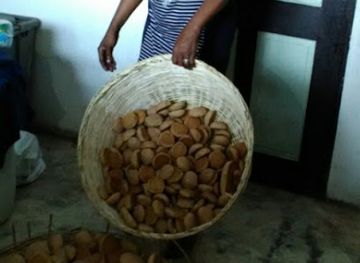
Madame Manes
Experience the delectable world of pastries at Madame Manes in Jérémie, where every bite is a taste of Haitian culinary artistry.
8 min walk · 0.7 km from city centre
-
Patisserie
Le point D'or Boulangerie
Experience the best of Haitian patisserie at Le Point D'Or Boulangerie, where each bite is a celebration of local flavors and traditions.
5 min walk · 0.4 km from city centre
-
Grocery store
Michelet Laguerre comparettes Jérémie
Explore the vibrant culinary scene of Jérémie at Michelet Laguerre comparettes, where local flavors and fresh ingredients await your discovery.
7 min walk · 0.5 km from city centre
Get your free copy of our complete guide to Jérémie, delivered straight to you.
Everything on this page, from attractions and restaurants to essentials and local phrases, in one PDF you can read offline, print or share.
Already have an account? Sign in
Your Jérémie guide is ready.
We'll send it to · Not you? Sign out

Getting your guide ready…
We are putting together a fresh copy of the Jérémie guide. This can take up to a minute.
This can take a few moments. If your browser asks, choose Allow so the download can start. You'll find the guide in your Downloads folder.
Nothing happened? Download it again
Sorry, the guide is taking longer than usual. Please try again in a minute, or get it by email instead.
Jérémie essentials
Currency and Payment
Safety
Emergency Situations
Do's and Don'ts
Local Tips
From Eve
Local phrases worth knowing
You don't need to get them perfect. A few words go a long way, and locals appreciate the effort.
Basics
| English | Local | Say it |
|---|---|---|
| Hello | Bonjou | [bon-zho] |
| Goodbye | Orevwa | [o-rev-wa] |
| Yes | Wi | [wee] |
| No | Non | [non] |
| Please/You're welcome | Tanpri | [tan-pree] |
| Thank you | Mèsi | [meh-see] |
| Excuse me/Sorry | Eskize mwen | [es-kee-zay mwen] |
| How are you? | Kijan ou ye? | [key-zhan oo yay] |
| Fine. And you? | Byen. E ou? | [byen. ay oo] |
| Do you speak English? | Èske ou pale angle? | [es-ke oo pal ang-leh] |
| I don't understand | Mwen pa konprann | [mwen pa kon-pran] |
Eating & Drinking
| English | Local | Say it |
|---|---|---|
| I'd like to see the menu, please | Mwen ta renmen wè meni an, tanpri | [mwen ta ren-men way meh-nee an, tan-pree] |
| I don't eat meat | Mwen pa manje vyann | [mwen pa manj vyann] |
| Cheers! | Santé! | [san-tay] |
| I would like to pay, please | Mwen ta renmen peye, tanpri | [mwen ta ren-men pay-yay, tan-pree] |
Emergencies
| English | Local | Say it |
|---|---|---|
| Help! | Edem! | [ay-dem] |
| Go away! | Al fè wout! | [al fay oo] |
| Call the Police! | Rele la polis! | [re-lay la po-leece] |
| Call a doctor! | Rele yon doktè! | [re-lay yon dok-tay] |
| I'm lost | Mwen pedi | [mwen peh-dee] |
| I'm ill | Mwen malad | [mwen ma-lad] |
Shopping
| English | Local | Say it |
|---|---|---|
| I'd like to buy... | Mwen ta renmen achte... | [mwen ta ren-men ach-tay] |
| I'm just looking | Mwen jis ap gade | [mwen zhee-zap gah-day] |
| How much is it? | Konbyen li ye? | [kon-byen lee yay] |
| That's too expensive | Sa twò chè | [sa twah chay] |
| Can you lower the price? | Èske ou ka ba pri la? | [es-ke oo ka bah pree lah] |
Time & Numbers
| English | Local | Say it |
|---|---|---|
| What time is it? | Kilesè li ye? | [key-leh-say lee yay] |
| It's one o'clock | Li senk e demye | [lee sank ay dehm-yeh] |
| Half past (10) | Demi e onzè | [deh-me ay on-zay] |
| Morning | Maten | [ma-ten] |
| Afternoon | Apremidi | [ap-ray-mee-dee] |
| Evening | Aswè | [ah-sweh] |
| Yesterday | Ye | [yeh] |
| Today | Jodia | [zho-dee-ah] |
| Tomorrow | Demen | [deh-men] |
| 1 | Yon | [yon] |
| 2 | De | [deh] |
| 3 | Twaz | [twaz] |
| 4 | Kat | [kaht] |
| 5 | Senk | [sank] |
| 6 | Sis | [sees] |
| 7 | Sèt | [set] |
| 8 | Wit | [weet] |
| 9 | Nèf | [nef] |
| 10 | Dis | [dees] |
Transport & Directions
| English | Local | Say it |
|---|---|---|
| Where's a/the...? | Kote mwen ka jwenn...? | [ko-te mwen ka zwen] |
| What's the address? | Ki adres la? | [key ad-res lah] |
| Can you show me (on the map)? | Èske ou ka montre mwen (sou kat la)? | [es-ke oo ka mohn-tray mwen (soo kaht lah)] |
| When's the next (bus)? | Ki lè pral pase (bis la)? | [key lay pral pah-say (bees lah)] |
| A ticket (to ....) | Yon tikè (pou ....) | [yon tee-kay (poo)] |
History of Jérémie
Indigenous and Colonial Foundations
The wider Grand’Anse region was inhabited by Taíno communities before European colonisation, after which disease, warfare and forced labour transformed the population and landscape. French settlement developed along the western peninsula during the colonial period, with agriculture, timber and coastal trade shaping the area around Jérémie. The harbour connected plantations and rural estates with other ports in Saint-Domingue, while the surrounding mountains and river valleys supported cultivation. Jérémie’s later identity therefore grew from the interaction of a maritime trading point with a productive but difficult-to-reach hinterland.
A Port in Saint-Domingue
During the eighteenth century, Jérémie became an established French colonial town and port. Coffee, sugar, cacao, cotton and other commodities moved through the region, produced within a plantation economy dependent on enslaved African labour. The town’s social order reflected the divisions of Saint-Domingue, but African cultural traditions and local forms of religious and communal life also became part of the area’s enduring identity. Trade brought connections with the capital, other Caribbean ports and France, while the mountainous interior remained more fragmented and locally governed.
Revolution and Independence
The Haitian Revolution reached the Grand’Anse amid conflict between competing colonial forces and revolutionary groups. Jérémie and its surrounding districts experienced the upheavals that accompanied the collapse of French rule, the abolition of slavery and the creation of independent Haiti in 1804. The early nineteenth century brought the construction of military works across the country, including Fort Marfranc in the hills inland from Jérémie. Such fortifications reflected the new state’s fear of invasion and its need to control difficult terrain as well as protect coastal settlements.
A Literary and Commercial Town
In the nineteenth and twentieth centuries, Jérémie developed as the principal urban centre of the Grand’Anse. Its port, churches, schools and commercial streets served farming and fishing communities spread through the department. The town also acquired its lasting reputation as Haiti’s “City of Poets”, associated with writers such as Émile Roumer and with the country’s wider French- and Creole-language literary culture. Jérémie was also the birthplace of Thomas-Alexandre Dumas, the father of the novelist Alexandre Dumas, who later became a general in revolutionary France.
Storms and Contemporary Resilience
Modern Jérémie has faced the same political, economic and environmental pressures affecting much of Haiti, including limited infrastructure, difficult transport and exposure to hurricanes. Hurricane Matthew struck the Grand’Anse in October 2016, causing severe damage to homes, public buildings, agriculture and religious structures in and around Jérémie. Recovery has been uneven, and later storms and earthquakes have continued to test local services. The city’s contemporary character is consequently shaped by resilience, regional trade, migration and the preservation of a distinctive literary and cultural identity.
Jérémie in Photos
Browse through our photo collection highlighting the charm and character of the destination.
Cities near Jérémie
The closest cities to Jérémie, if you have time for more than one stop.
-

-

-

-

-


Swipe for more cities

