
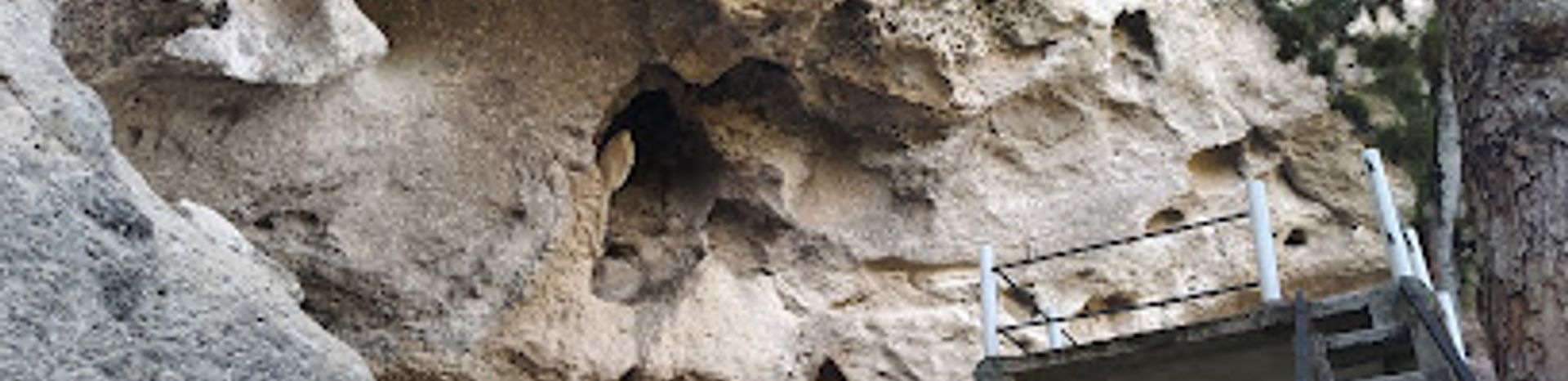
Cueva El Gigante: A Journey into Honduras' Ancient Past
Explore Cueva El Gigante in La Paz, Honduras: An ancient archaeological site revealing secrets of early Mesoamerican life, surrounded by stunning natural beauty and Lenca culture.
Cueva El Gigante, nestled in the department of La Paz, Honduras, is an awe-inspiring archaeological site offering a profound glimpse into the region's earliest inhabitants. This colossal cave, whose name translates to 'The Giant's Cave,' served as a shelter for archaic peoples as far back as 9480 BC, making it one of the oldest known human settlements in Honduras and potentially Central America. Within its vast chambers, researchers have unearthed remarkable artifacts, including ancient textiles, ropes, baskets, and tools, alongside remnants of early diets like corn, fruits, and vegetables. The cave also features intriguing rock paintings, depicting hands and what appears to be a goose or swan, adding to its mystique. While a visit doesn't allow entry into the cave itself, a staircase leads to a lookout point, offering stunning views of this significant Mesoamerican site and the surrounding natural beauty, including the nearby La Estanzuela waterfall, making it a worthwhile destination for history enthusiasts and nature lovers alike.
A brief summary to Cueva El Gigante
- Hacia Cueva del Gigante, La Paz, HN
Local tips
- Wear comfortable shoes suitable for hiking, as the path to the viewing point can be steep and uneven.
- Bring water and snacks, as there are limited facilities available near the cave.
- Consider hiring a local guide in Marcala to learn more about the history and significance of the cave.
- Combine your visit with a trip to the nearby La Estanzuela waterfall for a refreshing break.
- Check the weather forecast before your visit, as heavy rains can affect accessibility to the site.

Getting There
-
Public Transport & Taxi/Ride-Share
From La Paz city center, take a local bus heading towards Tegucigalpa. Inform the driver you wish to get off at the junction for 'Cueva El Gigante'. The bus fare should be approximately 30-50 Lempiras. Upon arrival at the junction, you'll likely need to hire a taxi or a local pickup truck (colectivo) to cover the remaining distance to the cave entrance. Negotiate the fare beforehand; expect to pay around 50-100 Lempiras for this final leg, depending on distance and your bargaining skills. The total travel time via bus and taxi can range from 1.5 to 2 hours, depending on traffic and waiting times.
-
Driving
From La Paz city center, head northwest on Calle 4 de Julio towards Avenida 12 de Octubre. Continue until you reach the junction with CA-5. Turn right onto CA-5 and drive for approximately 30 kilometers. Look for signs indicating 'Cueva El Gigante' and take the exit towards the cave. Follow the unpaved road leading to the cave entrance. Be prepared for some rough terrain on the final stretch; a 4x4 vehicle is recommended but not essential. Parking is available near the entrance.
Discover more about Cueva El Gigante
Iconic landmarks you can’t miss

Cueva El Gigante
0.0 km
Explore Cueva El Gigante in La Paz, Honduras: An ancient archaeological site revealing secrets of early Mesoamerican life, surrounded by stunning natural beauty and Lenca culture.
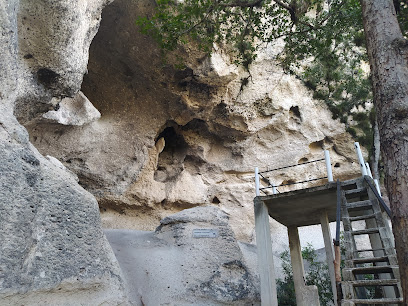
Portal de Bienvenida a Chinacla, La Paz
8.6 km
Discover the gateway to Chinacla, La Paz, where Lenca heritage meets Honduran hospitality, offering a tranquil escape into coffee culture and scenic highlands.
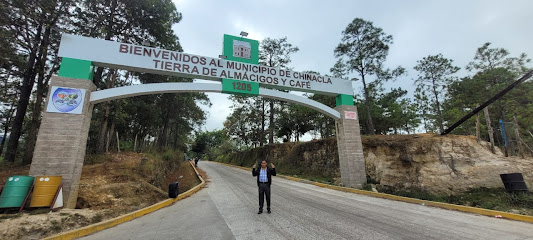
Mitos 2.0
12.2 km
Experience the stunning landscapes and serene trails of Mitos 2.0, the premier hiking area in Intibucá, Honduras, perfect for nature lovers and adventurers.
Aguanqueterique
14.0 km
Explore Aguanqueterique, a historical landmark in La Paz that unveils the rich cultural tapestry of Honduras through its stunning architecture and stories.
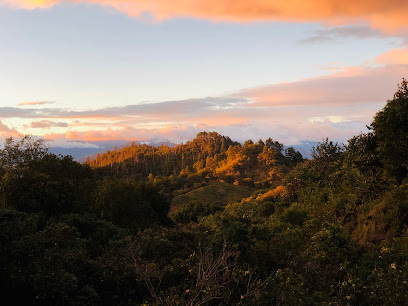
La Iglesia de Jesucristo de los Santos de los Últimos Días
14.2 km
Discover spiritual tranquility at La Iglesia de Jesucristo de los Santos de los Últimos Días in La Esperanza, a serene community hub for reflection and connection.
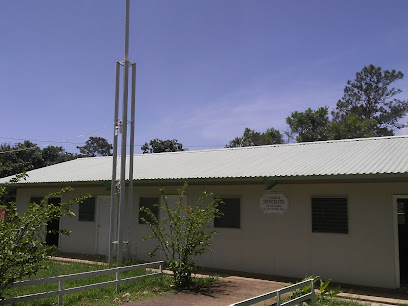
Chiligatoro
14.6 km
Explore Chiligatoro in La Esperanza, a stunning church blending spiritual significance and architectural beauty in the heart of Honduras.
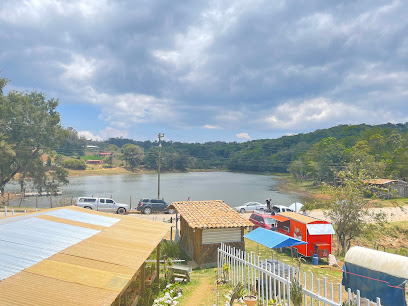
Agricultura Ancestral Santa Elena La Paz
15.8 km
Explore the rich heritage and breathtaking landscapes at Agricultura Ancestral Santa Elena La Paz, a historical landmark showcasing traditional agricultural practices.
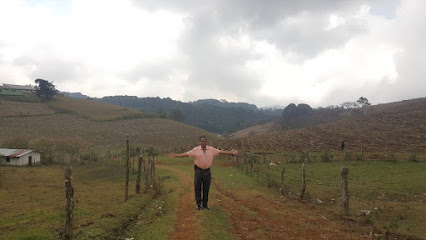
Tres Cruces Marcala, Laz paz
16.1 km
Explore the stunning hiking trails and breathtaking landscapes of Tres Cruces in La Paz, a hidden paradise for nature lovers and adventurers.

Las Crucitas
16.4 km
Discover the historical landmark of Las Crucitas in Intibucá, Honduras, where rich culture meets stunning natural beauty for an unforgettable and serene experience.

Comunidad Indígena "El Volcán", Santa Elena -La Paz
17.8 km
Discover the authentic indigenous culture of Honduras at Comunidad Indígena El Volcán, a living museum of traditions, crafts, and stunning natural beauty in La Paz.
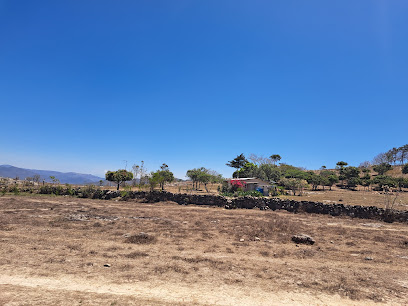
Desvío de San Antonio
18.2 km
Explore Desvío de San Antonio, a historical landmark in La Paz, Honduras, where rich culture and stunning architecture meet timeless beauty.
Casa Blanca
22.8 km
Escape to the tranquility of Casa Blanca in Los Planes, La Paz, Honduras, and discover the natural beauty and authentic culture of rural Central America.
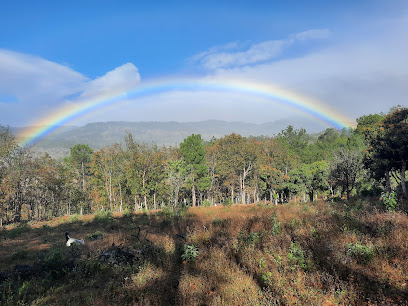
Picachito
25.1 km
Discover stunning panoramic views at Picachito Observation Deck in La Paz, Honduras, a tranquil escape for nature lovers and photographers.
Punto Fronterizo Pasamono, La paz
25.5 km
Explore the rich history and scenic beauty of Punto Fronterizo Pasamono, a pivotal landmark in La Paz, Honduras, bridging cultures and experiences.
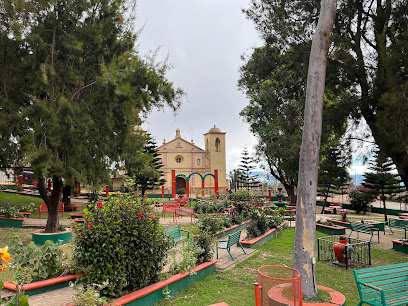
Plaza Central Guajiquiro, La Paz
27.2 km
Discover the vibrant heart of La Paz, Honduras, at Plaza Central Guajiquiro: a historical landmark offering culture, community, and captivating experiences.
Unmissable attractions to see

Soberanía (Sovereignty) Park
8.6 km
Discover the serene beauty of Soberanía Park in Marcala, La Paz, where nature meets tranquility and adventure awaits.
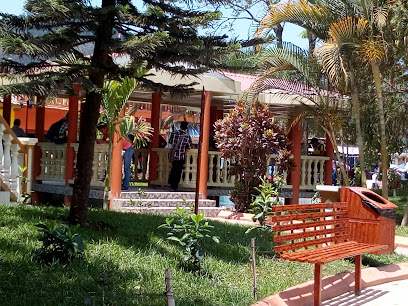
Chinacla Honduras
8.6 km
Experience the charm and natural beauty of Chinacla, Honduras, where lush landscapes meet rich cultural heritage in a tranquil setting.
Pista El Desierto
10.4 km
Discover the breathtaking beauty and adventure of Pista El Desierto, a hidden gem in La Paz, Honduras, perfect for nature lovers and thrill-seekers.
Cascada "Los Naranjos"
11.2 km
Discover the enchanting beauty of Cascada Los Naranjos, a serene waterfall oasis in La Paz, Honduras, perfect for nature lovers and adventure seekers.
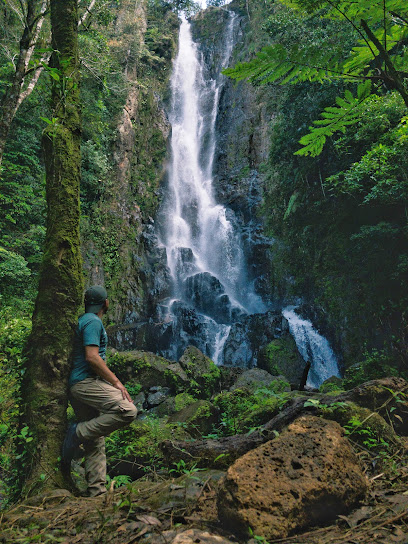
Cueva Gigante
12.1 km
Experience the breathtaking beauty of Cueva Gigante in Marcala, La Paz - a stunning natural wonder filled with captivating geological formations and rich biodiversity.
Cascada El Chiflador
12.7 km
Discover the breathtaking beauty of Cascada El Chiflador, a captivating waterfall in La Paz, Honduras, surrounded by lush greenery and vibrant wildlife.
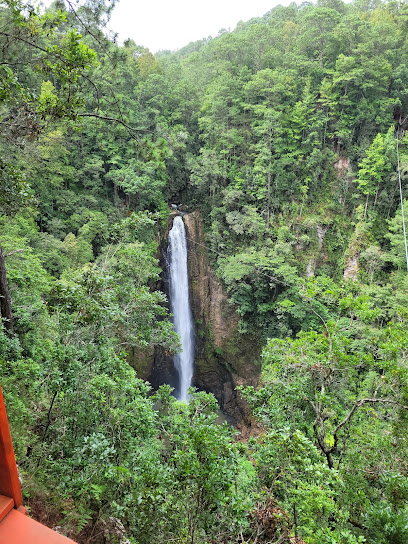
Planes de Muyen chinacla La Paz
12.9 km
Explore the pristine landscapes of Planes de Muyen in Chinacla, La Paz, where nature's beauty awaits your discovery in every breathtaking view.
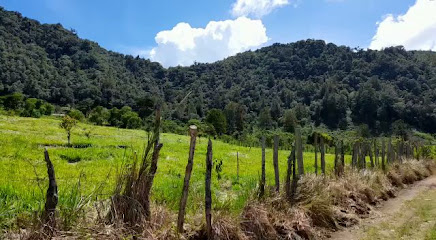
Las Cabañas de Carlos
13.1 km
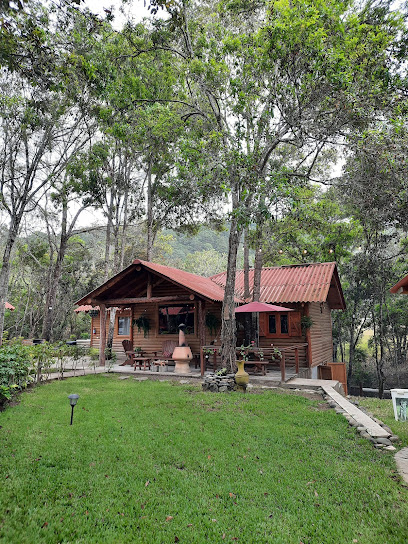
Discover the serene beauty of Las Cabañas de Carlos, a cozy log cabin retreat in the mountains of Intibucá, perfect for nature lovers and adventurers.
Mogola, Márcala, La Paz
14.1 km
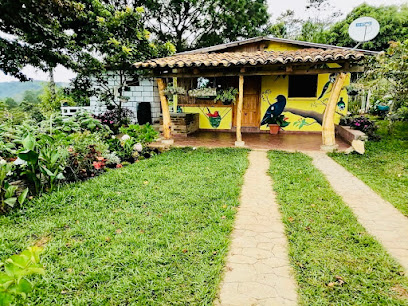
Discover the authentic charm of Mogola in Marcala, La Paz, where rich traditions, stunning landscapes, and warm hospitality await.
Mural contra la Violencia de Genero - Santa María, La paz
14.9 km
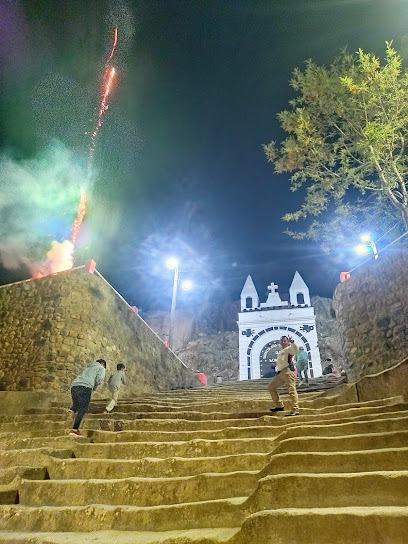
Explore the Mural contra la Violencia de Género in Santa María, La Paz—a powerful artistic statement against gender violence and a symbol of hope.
Intibucá
15.3 km
Experience the vibrant culture and stunning natural beauty of Intibucá, a hidden gem in the heart of Honduras.
Iglesia de Intibucá
15.7 km
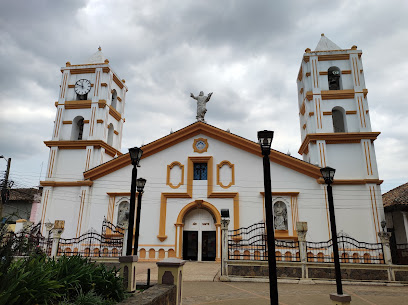
Experience the rich cultural heritage and spiritual ambiance at Iglesia de Intibucá, a stunning historical church in the heart of La Esperanza.
Laguna Cedillo
15.9 km
Experience the natural beauty and tranquility of Laguna Cedillo, a hidden gem in Intibucá, Honduras, perfect for relaxation and outdoor adventures.
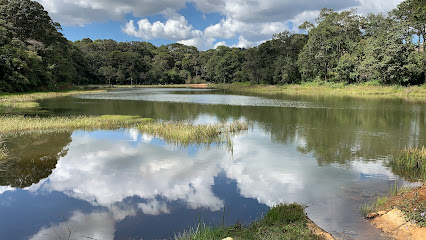
para una vida mejor Park
16.0 km
Discover tranquility and beauty at Para Una Vida Mejor Park in Yarula, La Paz - a serene escape for nature lovers and tourists alike.
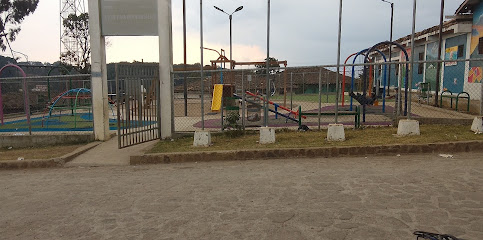
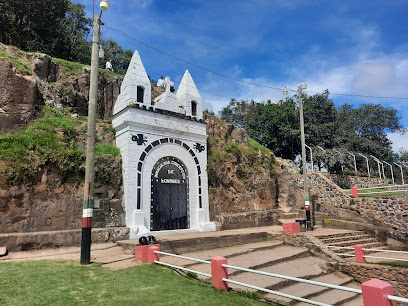
La Gruta
16.1 km
Explore La Gruta, a historical landmark in La Esperanza, where rich culture meets stunning architecture amidst breathtaking landscapes.
Essential places to dine

Comida Buffet El Recreo
7.9 km
Experience authentic Honduran flavors at Comida Buffet El Recreo in Marcala - a culinary delight not to be missed!
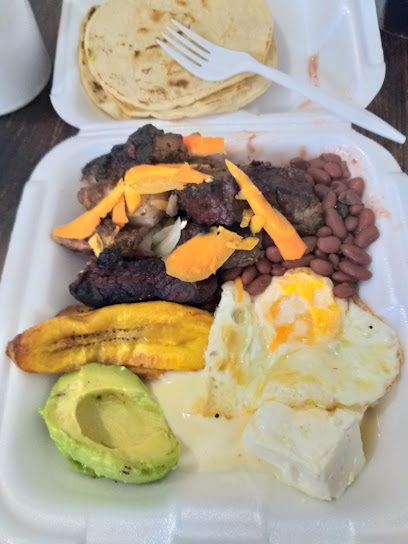
Bistro 1208
9.0 km
Discover the authentic flavors of Honduras at Bistro 1208 in Marcala - a must-visit restaurant offering delightful dishes and warm hospitality.
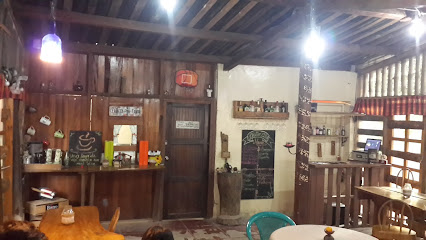
Asados Mi Casita kilometro 7
9.1 km
Discover authentic Honduran barbecue at Asados Mi Casita in La Esperanza – perfect for families seeking delicious local cuisine.
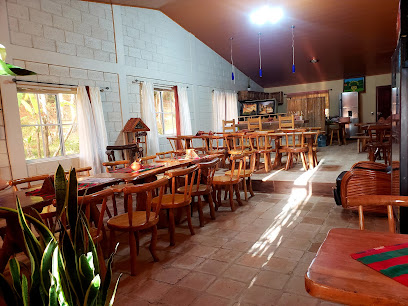
La Casa de Mi Viejo
9.1 km
Experience traditional Honduran cuisine at La Casa de Mi Viejo in Marcala - a must-visit restaurant for food lovers exploring Honduras.
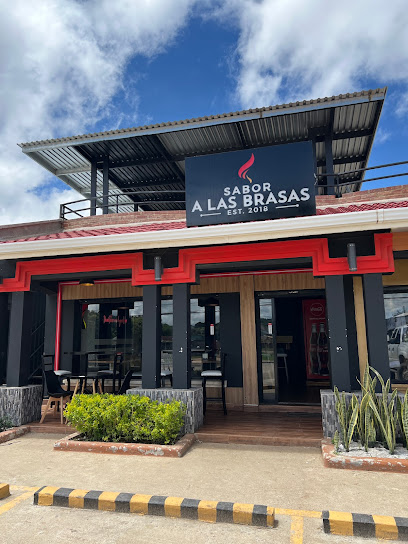
A las brasas
14.4 km
Experience the best of Honduran cuisine at A las brasas in La Esperanza – where every meal is a celebration of flavor!
Coco Baleadas • La Esperanza
14.6 km
Discover the authentic flavors of Honduras at Coco Baleadas in La Esperanza, where delicious baleadas and local dishes await every traveler.

Restaurante Palacio Chino
14.7 km
Experience authentic Chinese cuisine in Intibucá at Restaurante Palacio Chino, where every dish tells a flavorful story.
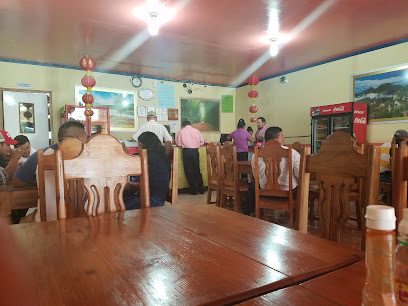
Restaurante Nolasco
14.8 km
Experience the rich culinary traditions of Honduras at Restaurante Nolasco in La Esperanza – a must-visit for every food lover.
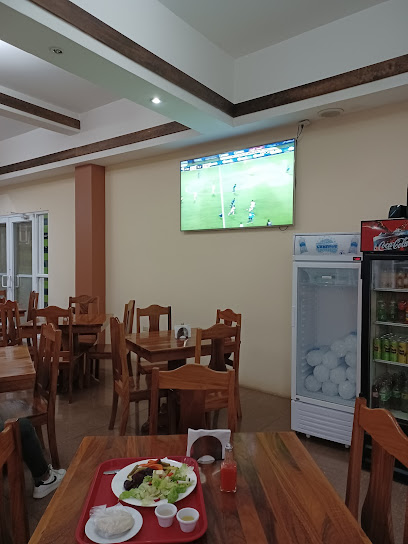
Buggy’s
14.9 km
Discover Buggy's in La Esperanza – where authentic Honduran flavors meet warm hospitality in a cozy setting.
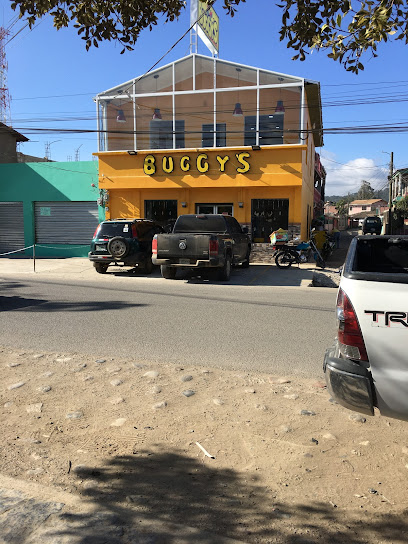
Restaurante Pollito Indio
15.3 km
Discover authentic Honduran cuisine at Restaurante Pollito Indio in La Esperanza—where every meal tells a story.
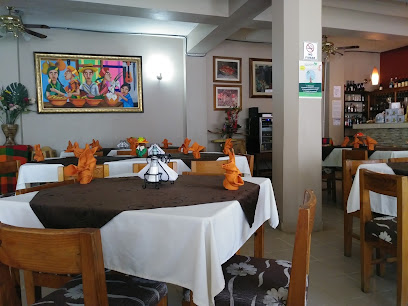
Juanita's Pupuseria
15.4 km
Experience the heart of Salvadoran cuisine at Juanita's Pupuseria in La Esperanza – home of authentic pupusas made with love.
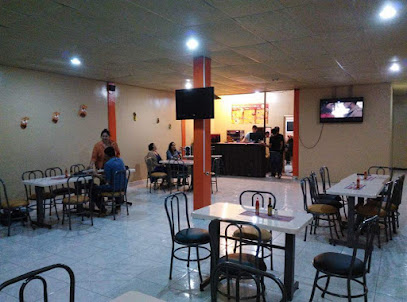
Los Taquitos
15.4 km
Experience vibrant Mexican cuisine at Los Taquitos in La Esperanza - where every bite tells a story.
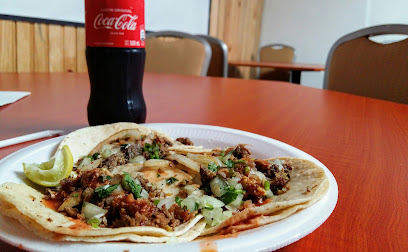
Dónde Otis Restaurant
15.4 km
Experience authentic Honduran cuisine at Dónde Otis Restaurant in La Esperanza—where every meal tells a story.
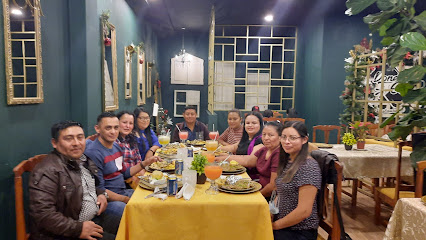
Restaurante La Hacienda Lenca
15.6 km
Discover authentic Honduran cuisine at Restaurante La Hacienda Lenca in La Esperanza - where tradition meets flavor.
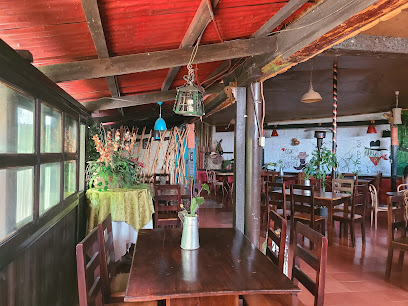
AmuCoffee Restaurant - La Esperanza
15.7 km
Experience the authentic flavors of Honduras at AmuCoffee Restaurant in La Esperanza – your perfect coffee and dining destination.
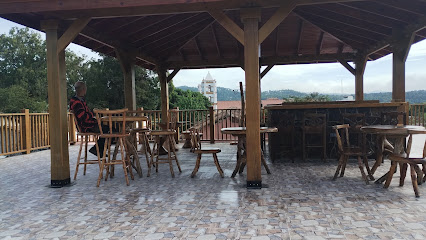
Markets, malls and hidden boutiques

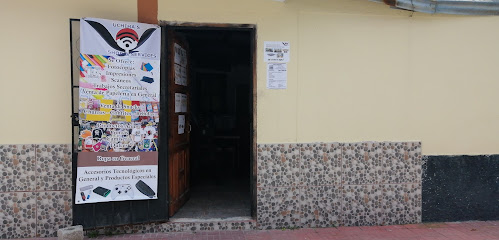
UCHIHA'S SHOP & SERVICES
8.2 km
Explore Uchiha's Shop & Services in Marcala for an authentic shopping experience filled with local culture and unique finds.
Sunset Shop HN
8.3 km
Explore Sunset Shop HN in Marcala for unique vintage clothing and accessories, perfect for adding a nostalgic touch to your wardrobe.
Alys Store Boutique
8.4 km
Explore Alys Store Boutique in Marcala for unique clothing, local craftsmanship, and an unforgettable shopping experience.
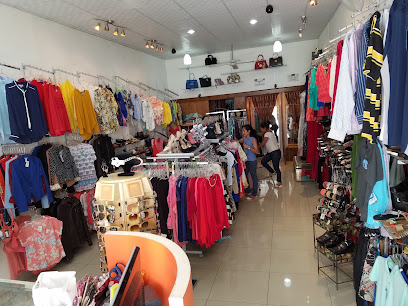
Variedades MHIA
10.9 km
Explore Variedades MHIA in San José, La Paz - a vibrant clothing store offering unique styles and authentic local fashion experiences.
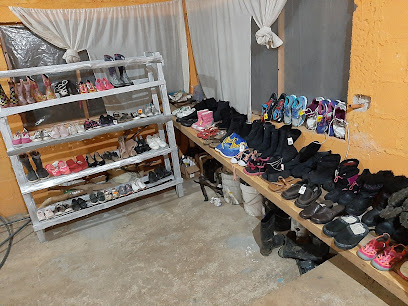
New Jersey Style (Renta de Apartamentos y Boutique)
14.3 km
Discover local crafts, artisanal products, and unique gifts at New Jersey Style in La Esperanza, a true boutique shopping experience.
Variedades Luisito
14.7 km
Explore the vibrant styles of Variedades Luisito in La Paz, a clothing store where local culture meets contemporary fashion.
Variedades Ebenezer
15.3 km
Explore the vibrant styles of Variedades Ebenezer, where local culture meets fashion in the heart of Intibucá.
Regalos y Mas
15.4 km
Explore Regalos y Mas in La Esperanza for unique gifts and authentic local crafts that capture the spirit of Honduras.

Buffalos store
15.5 km
Explore Buffalos Store in La Esperanza for unique clothing and accessories that blend local culture with contemporary style.
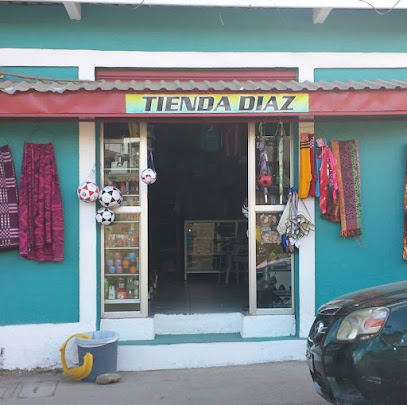
Tienda Diaz
15.5 km
Explore Tienda Diaz in La Esperanza for an authentic shopping experience featuring local crafts and unique souvenirs from Honduras.
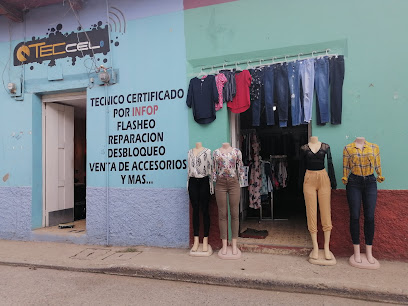
Fashionably
15.5 km
Discover trendy clothing and unique local fashion at Fashionably in La Esperanza, Intibucá, your stylish stop for a memorable shopping experience.
Verónicas store
15.5 km
Explore Verónicas Store in La Esperanza for unique women's clothing that blends local craftsmanship with modern style, perfect for every traveler.
Tiendas Maresty
15.6 km
Experience the quaint charm of Tiendas Maresty, a local general store in La Esperanza, offering unique products and a taste of Honduran culture.

Infinity fashion store
15.6 km
Experience the essence of Honduran fashion at Infinity Fashion Store, blending local craftsmanship with contemporary styles in La Esperanza.
Variedades Kiyika's
15.6 km
Discover authentic Honduran textiles at Variedades Kiyika's, a charming linens store in La Esperanza's vibrant Plaza don Pedro.

Essential bars & hidden hideouts

Tierra Fria
6.4 km
Discover the flavors of Honduras at Tierra Fria, a charming grill restaurant in La Esperanza, perfect for food lovers and culture seekers.
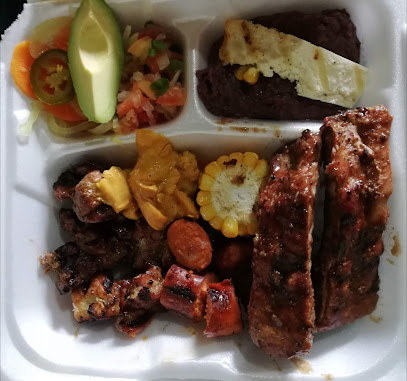
Oasis Marvin
7.6 km
Discover the charm of Oasis Marvin, Marcala's inviting bar, where local flavors meet a vibrant atmosphere for an unforgettable experience.
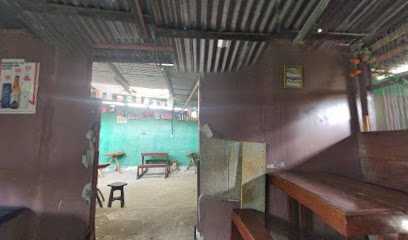
24/7 LENCAS VIP
7.9 km
Discover the lively bar scene at 24/7 LENCAS VIP in Marcala, La Paz, where local flavors and vibrant nightlife await.
Camelot Bar
8.8 km
Discover the vibrant atmosphere of Camelot Bar in Marcala, La Paz, where delightful drinks and friendly vibes await visitors looking for relaxation and fun.
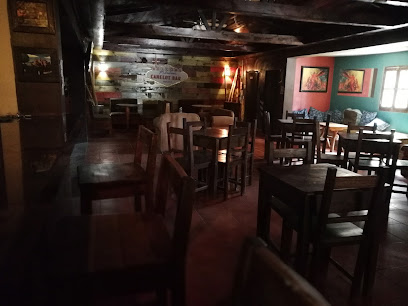
Majanos Bar
11.0 km
Discover the vibrant atmosphere and delicious cocktails at Majanos Bar, a true reflection of La Paz's lively nightlife.
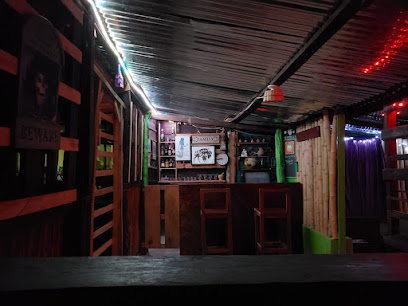
Dónde el Profe Edy
14.4 km
Experience the vibrant culture and local flavors at Dónde el Profe Edy, a must-visit bar in La Esperanza, Intibucá.
Pa'llá voy RestoBar
14.5 km
Discover the vibrant nightlife and local flavors at Pa'llá voy RestoBar in La Esperanza, a must-visit for every traveler.
Abue-Lita’s Bistro
14.7 km
Discover the flavors of Honduras at Abue-Lita’s Bistro, where local cuisine meets a cozy café atmosphere in the heart of Intibucá.
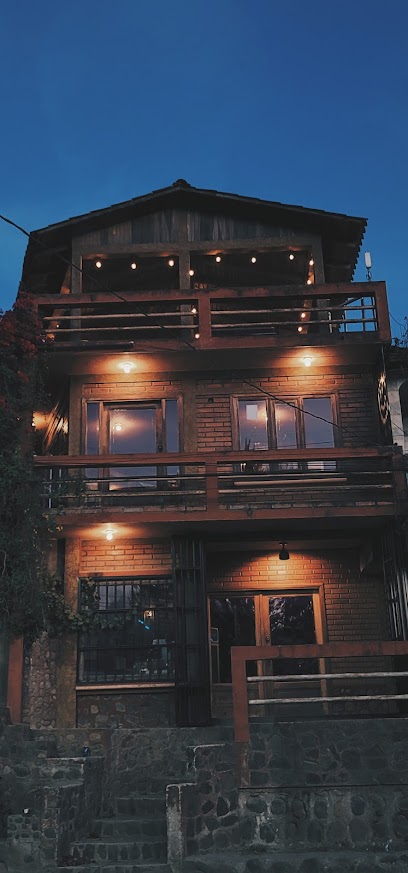
Bar La Guerrilla
14.9 km
Enjoy the vibrant local culture at Bar La Guerrilla in Santa María, La Paz, where great drinks and a welcoming atmosphere await.
Billares chalolo
15.4 km
Explore Billares Chalolo, a lively sports bar in La Esperanza, offering fun games, delicious local food, and a vibrant atmosphere for all visitors.
El Patio Bar
15.5 km
Discover the vibrant flavors and lively atmosphere at El Patio Bar in Intibucá, where delicious grilled dishes meet local charm.
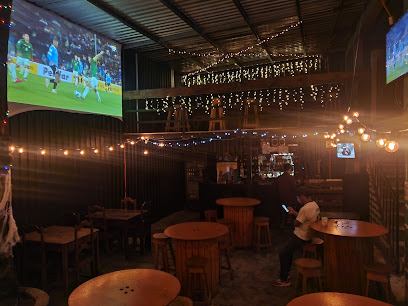
Club 504
15.7 km
Discover the lively nightlife at Club 504, La Esperanza's premier bar for drinks, dancing, and unforgettable fun.
CV Burgers
15.7 km
Discover the best burgers in La Esperanza at CV Burgers, where quality meets flavor in a welcoming atmosphere.
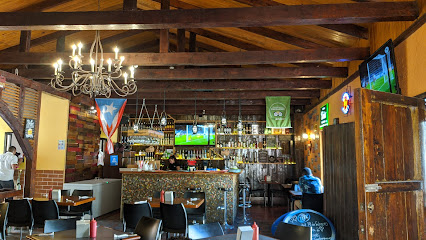
DUBAI Bar Y Discoteca
15.9 km
Discover the electrifying nightlife at DUBAI Bar Y Discoteca in La Esperanza—where music, dance, and unforgettable memories come together.
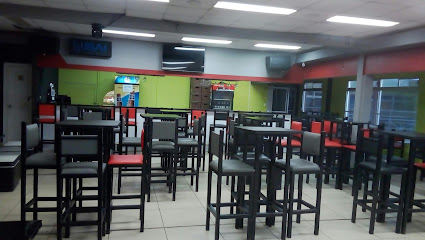
Bar trina
15.9 km
Experience the vibrant nightlife of La Esperanza at Bar Trina, where local flavors and friendly faces come together to create unforgettable memories.

Nightclubs & after hour spots

Rumba Discotec
14.9 km
Dive into the electrifying nightlife of La Esperanza at Rumba Discotec, the ultimate disco club for an unforgettable party experience.
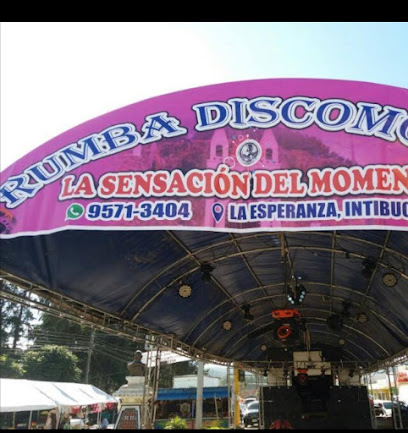
Bar y restaurante Toro Loco
43.9 km
Discover the pulsating nightlife of San Juan at Bar y Restaurante Toro Loco, where music, dancing, and local cuisine create unforgettable experiences.
Rumba 0318
46.2 km
Experience the vibrant nightlife at Rumba 0318, the ultimate night club in Siguatepeque, Honduras, where music and fun come alive.

Baron Azul Discoteque
48.9 km
Discover Baron Azul Discoteque – the ultimate nightlife experience in Villa de San Antonio, where dancing and vibrant energy await every visitor.
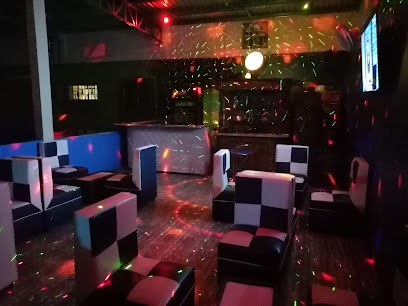
Dj Rony Comayagua
51.1 km
Immerse yourself in the vibrant nightlife of Comayagua at Dj Rony, where music and culture collide for an unforgettable experience.

Tuning Pro 12101
51.3 km
Experience the vibrant nightlife of Comayagua at Tuning Pro 12101, where music meets culture in a lively atmosphere.

Grupo De AA Salvacion
51.4 km
Discover the lively nightlife of Comayagua at Grupo De AA Salvacion, where music and culture collide for an unforgettable evening.
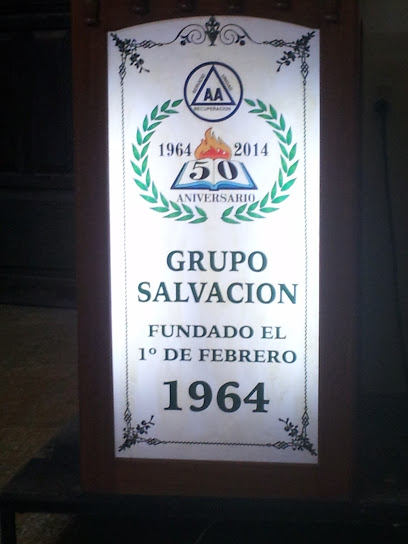
IBIZA Club
51.8 km
Step into the electrifying nightlife of IBIZA Club, where unforgettable music and vibrant vibes create the ultimate dance experience in Comayagua.
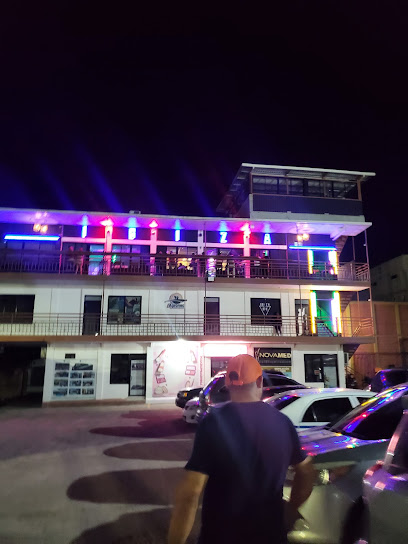
La Esquina Bistro
69.3 km
Experience the flavors of Honduras at La Esquina Bistro, a cozy restaurant in Gracias offering authentic local cuisine and a welcoming atmosphere.
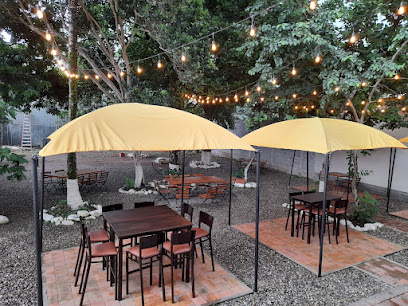
petardas
69.3 km
Discover the vibrant nightlife at Petardas Cocktail Bar in Gracias, where expert mixology meets a lively atmosphere for an unforgettable experience.
Guancascos´Hotel & Restaurant
69.4 km
Experience the charm of Gracias at Guancascos' Hotel & Restaurant, where comfort meets authentic Honduran cuisine in a serene setting.
Villa Santos Café Bistró
69.5 km
Experience the rich flavors of Honduras at Villa Santos Café Bistró, a top-rated restaurant and espresso bar in beautiful Gracias.
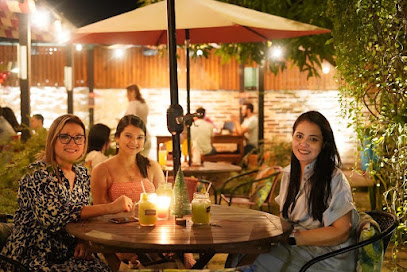
Noches VIP
69.6 km
Experience the vibrant nightlife at Noches VIP, a premier bar in Gracias, Lempira, showcasing local flavors and lively entertainment.
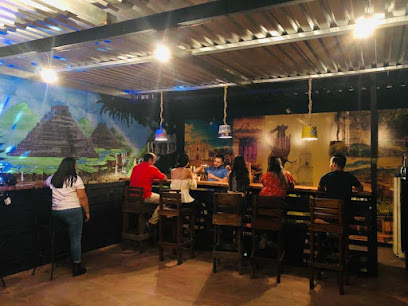
1301 Lounge Bar
69.8 km
Experience the vibrant nightlife of Gracias at 1301 Lounge Bar, your go-to destination for refreshing drinks and local music.
ClandestinoBar
72.5 km
Dive into the electrifying nightlife at Clandestino Bar in Las Vegas, Santa Bárbara - a must-visit night club for an unforgettable experience.


