Pico Bonito National Park: A Honduran Jewel
Discover Honduras's natural heart: Pico Bonito National Park, a biodiverse paradise offering hiking, rafting, and cultural immersion near La Ceiba, a must-see for eco-travelers.
Pico Bonito National Park, a sprawling natural paradise near La Ceiba, Honduras, beckons with its stunning biodiversity and rugged landscapes. Established in 1987, the park encompasses 218 square miles, ranging from sea level to over 8,000 feet, creating diverse ecosystems from tropical rainforests to cloud forests. Home to over 400 bird species, including the resplendent quetzal and keel-billed toucan, it's a birdwatcher's dream. Adventure awaits with hiking trails leading to cascading waterfalls like El Bejuco, thrilling white-water rafting on the Cangrejal River, and opportunities to immerse yourself in the rich culture of local indigenous communities. Whether you seek adrenaline-pumping activities or serene nature immersion, Pico Bonito offers an unforgettable experience, making it a must-visit destination for eco-travelers and nature enthusiasts alike. Remember to bring sturdy hiking boots, plenty of water, and your camera to capture the breathtaking scenery and vibrant wildlife.
A brief summary to parque nacional pico bonito
- Q6C5+469, La Ceiba, Sector 2, Atlántida, HN
Local tips
- Visit during the dry season (November to April) for the best hiking conditions and clearer views.
- Hire a local guide for a more informative experience and to increase your chances of spotting wildlife.
- Wear sturdy hiking boots, as some trails can be steep and uneven.
- Bring plenty of water and snacks, especially if you plan on hiking for several hours.
- Consider visiting the local indigenous communities to learn about their traditions and support sustainable tourism.

Getting There
-
Public Transport
From La Ceiba, take a public bus towards El Porvenir. Buses depart frequently from the main bus terminal. The ride takes approximately 30 minutes. Once in El Porvenir, you can walk to the park entrance (about 20 minutes) or hire a local taxi. Bus fare is around 30 Lempiras. A taxi should cost no more than 100 Lempiras.
-
Taxi/Ride-Share
Taxis are readily available in La Ceiba. A taxi to the Cangrejal River entrance (the most popular entry point) will cost approximately 450 Lempiras. Negotiate the price beforehand. The journey takes around 20 minutes from La Ceiba's city center.
-
Driving
From La Ceiba, head north towards El Porvenir. Follow the main road, and look for signs for 'Parque Nacional Pico Bonito'. Turn right onto the road leading to the park entrance. The drive is about 30 minutes. Be aware that the road to the park can be bumpy and unpaved in sections.
-
Entrance Fees
Upon arrival at the Cangrejal River entrance, there is an entry fee to access the park and trails. The entry fee is 370 HNL / $15 USD per person. A mandatory guide is often required for certain trails, costing around 600 HNL / $25 USD, split among your group.
Discover more about parque nacional pico bonito
Iconic landmarks you can’t miss

Willy Food
0.2 km
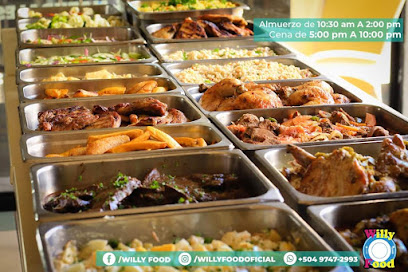
Experience the vibrant flavors of Honduras at Willy Food, a top-rated restaurant in La Ceiba showcasing local and international cuisine.
Beer Box La Ceiba
0.3 km
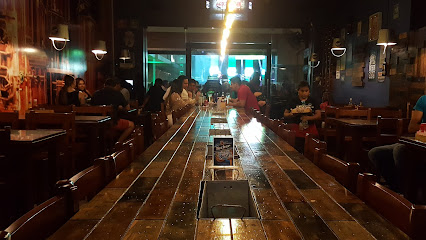
Experience La Ceiba's vibrant nightlife at Beer Box, offering a wide selection of local and international beers in a cozy and inviting atmosphere, perfect for beer enthusiasts.
Avelar's Coffee
0.4 km
Experience the heart of La Ceiba at Avelar's Coffee, where exceptional Honduran coffee, delicious treats, and a warm community atmosphere create an unforgettable café experience.
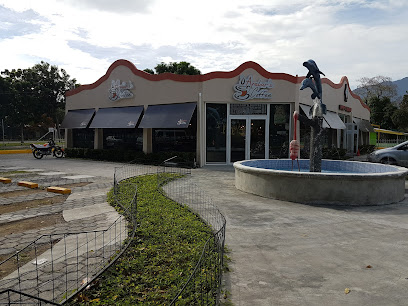
Hospital Vicente D'Antoni
0.5 km
Discover quality healthcare at Hospital Vicente D'Antoni in La Ceiba - where compassion meets modern medicine for locals and tourists alike.
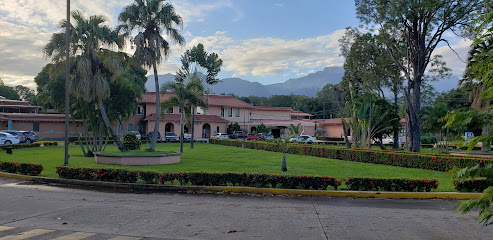
UNIPLAZA
0.6 km
Explore UNIPLAZA in La Ceiba for a unique shopping experience blending local culture, diverse dining, and family-friendly entertainment.
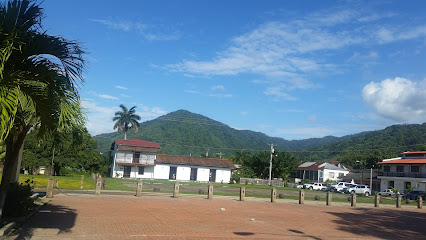
Sushi Totemo La Ceiba
0.6 km
Discover the authentic taste of Japan at Sushi Totemo La Ceiba, where fresh sushi and a vibrant atmosphere await in the heart of the city.
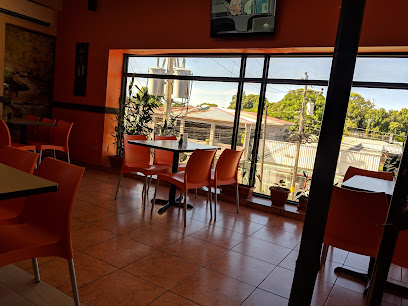
El Jardín de Susana
0.8 km
Experience the vibrant flavors of La Ceiba at El Jardín de Susana, where delicious dishes meet a stunning garden ambiance.
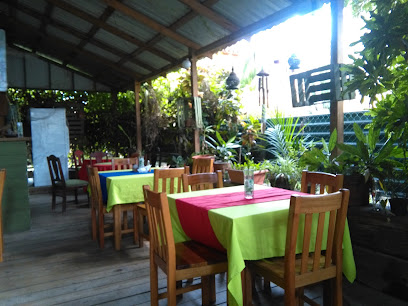
The Garage Cafe
0.8 km
Experience the vibrant flavors of La Ceiba at The Garage Cafe, where local ingredients meet culinary creativity in a warm and welcoming atmosphere, offering a unique taste of Americana with a Honduran twist.
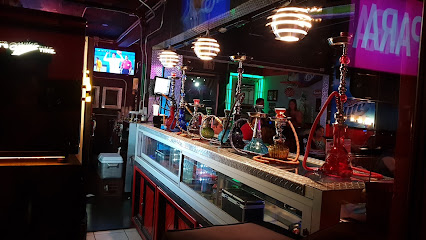
Honduras la ceiba
0.8 km
Explore La Ceiba's stunning coastline and vibrant culture from a modern condominium complex that offers the best of relaxation and adventure.

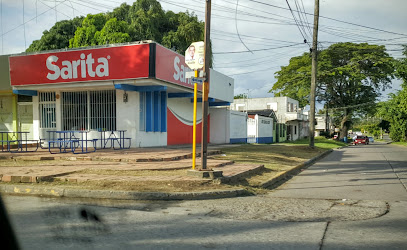
Sarita • La Ceiba
1.0 km
Discover Sarita in La Ceiba, where delightful ice cream flavors meet a cozy atmosphere, perfect for cooling off in the tropical heat.
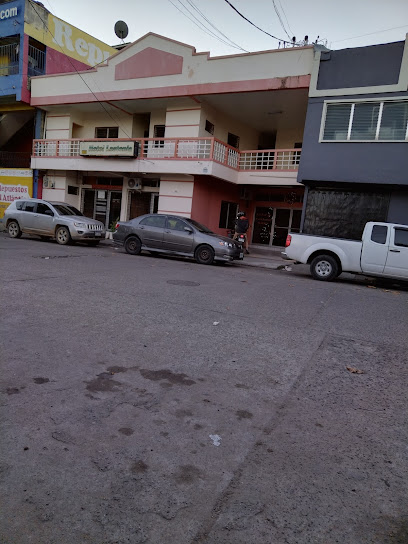
Hotel Lastenia
1.0 km
Discover the charm of La Ceiba at Hotel Lastenia, where comfort meets local culture in the heart of Honduras.
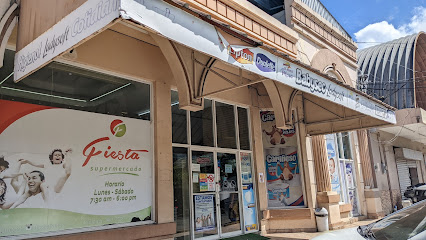
Fiesta Import
1.2 km
Discover a world of flavors at Fiesta Import in La Ceiba, Honduras, offering a diverse selection of local and international foods for an authentic culinary experience.
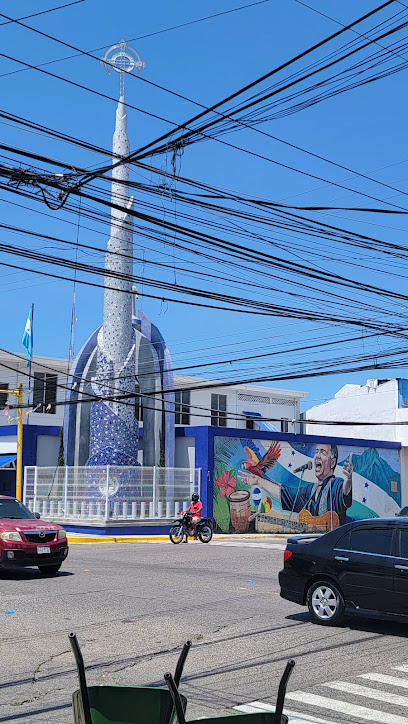
Cruz Del Perdon
1.3 km
Explore the cultural heritage of Honduras at Cruz Del Perdon, a vibrant museum in La Ceiba showcasing the region's rich history and traditions.
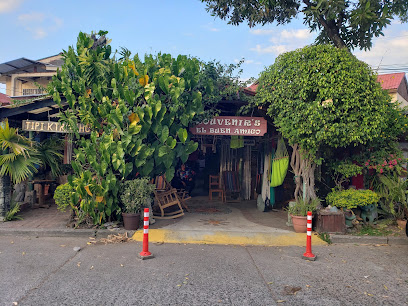
Souvenir El Buen Amigo
1.5 km
Explore the vibrant crafts of Honduras at Souvenir El Buen Amigo, where each handmade piece tells a story of local culture and artistry.
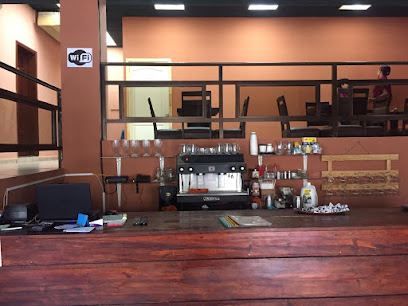
Hidden Coffee
1.6 km
Discover Hidden Coffee in La Ceiba: A local gem offering delightful coffee, savory treats, and a warm Honduran welcome in a cozy and inviting atmosphere.
Unmissable attractions to see

El estero
0.0 km
Explore El Estero in La Ceiba, a tranquil garden offering lush greenery, vibrant flora, and a serene escape from the city's hustle.
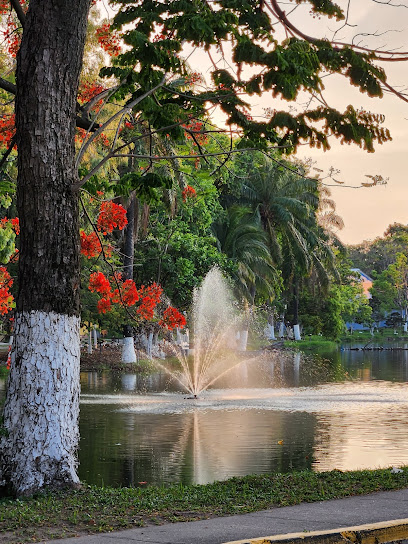
La Costa Tours
0.0 km
Discover the stunning beauty and engaging adventures at La Costa Tours, a top tourist attraction in La Ceiba, Honduras, perfect for every traveler.
Rafting Omega
0.0 km
Experience the thrill of white-water rafting at Rafting Omega, nestled in the breathtaking landscapes of La Ceiba, Honduras.

Toma de agua
0.0 km
Explore Toma de Agua in La Ceiba, a serene park offering lush landscapes, peaceful walks, and a perfect retreat into nature's embrace.
Tres posas
0.0 km
Explore the natural beauty and rich culture of Tres Posas, a must-visit tourist attraction in La Ceiba, Honduras.
Honduras Tourism Office
0.8 km
Discover the wonders of Honduras at the Tourism Office in La Ceiba, your gateway to adventure, culture, and stunning natural beauty.
Tourist Options
1.3 km
Discover the breathtaking beauty and vibrant culture of Cayo Cochinos, a tropical paradise perfect for adventure and relaxation.
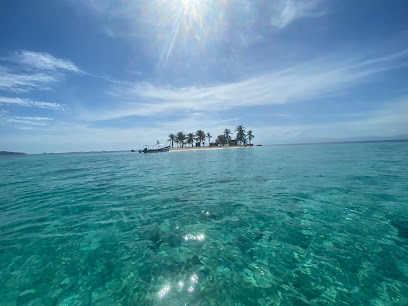
Francisco Morazán Central Pk
1.5 km
Explore the lush landscapes and vibrant culture of Francisco Morazán Central Park in La Ceiba, a perfect oasis for relaxation and local experiences.
Swinford Park
1.5 km
Discover the tranquility of Swinford Park in La Ceiba, a lush retreat perfect for relaxation and outdoor activities amidst nature's beauty.
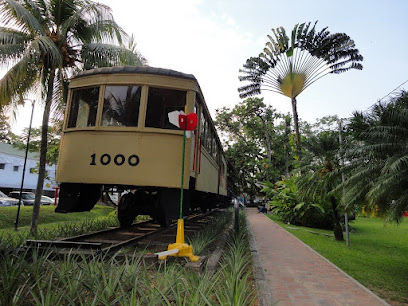
Cayos cochinos Tours La Ceiba
1.7 km
Discover the breathtaking beauty and adventure of Cayos Cochinos Tours in La Ceiba, Honduras – a tropical paradise for kayaking and exploring vibrant marine life.
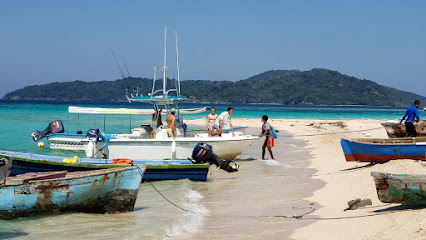
Portal Fotográfico Los Profesores La Ceiba
1.7 km
Discover the vibrant culture and breathtaking views at Portal Fotográfico Los Profesores in La Ceiba, a must-visit tourist attraction in Honduras.
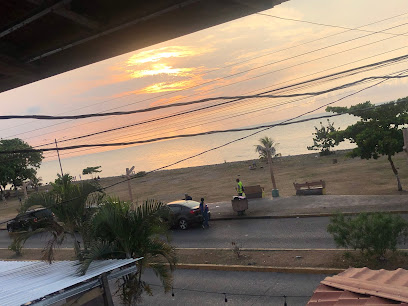
Parador Fotografico LA CEIBA
1.8 km
Experience the breathtaking beauty of Parador Fotografico LA CEIBA, a premier tourist attraction in La Ceiba, where stunning landscapes meet vibrant local culture.
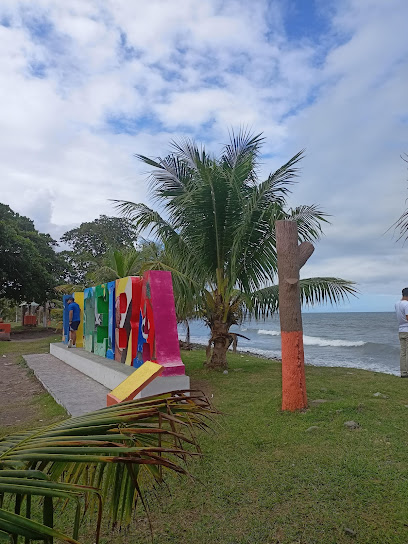
Paseo de los Ceibeños
1.8 km
Discover the colorful Paseo de los Ceibeños in La Ceiba, a vibrant waterfront promenade perfect for dining, strolling, and experiencing local culture.
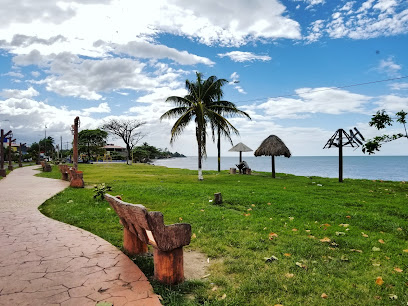
Malecón Guillermo Anderson
2.1 km
Experience the beauty and culture of La Ceiba at Malecón Guillermo Anderson, a vibrant waterfront park perfect for relaxation and exploration.
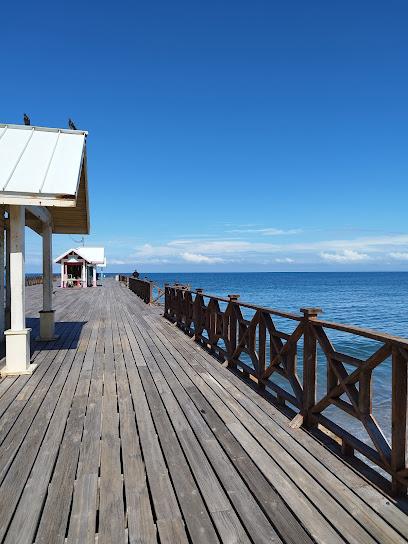
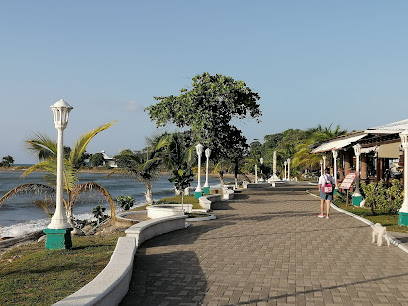
Malecón Ceiba
2.1 km
Experience breathtaking trails and coastal views at Malecón Ceiba, a stunning hiking area in La Ceiba, Honduras, perfect for nature lovers.
Essential places to dine

To Go Cafe
0.1 km
Discover the vibrant flavors of Honduras at To Go Cafe in La Ceiba – where every meal is a delightful experience.
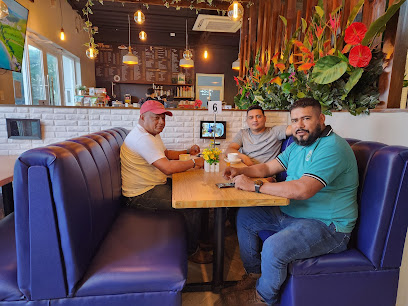
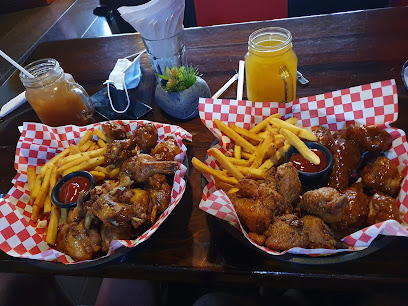
Wing 5
0.2 km
Discover authentic Honduran flavors at Wing 5 in La Ceiba - a must-visit restaurant offering diverse dishes in a welcoming atmosphere.
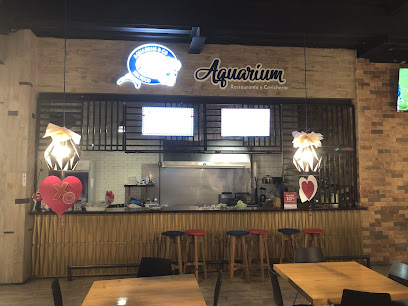
Aquarium Restaurante y Cevichería
0.3 km
Savor fresh seafood and local cuisine at Aquarium Restaurante y Cevichería in La Ceiba—where every dish tells a story.
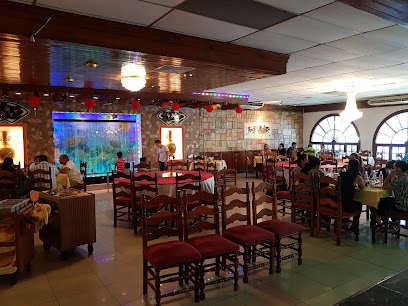
Restaurante Golden Palace
0.4 km
Savor the authentic taste of China at Restaurante Golden Palace in La Ceiba – where culinary excellence meets warm hospitality.
House Kitchen HN
0.5 km
Experience authentic Honduran cuisine at House Kitchen HN in La Ceiba—where every dish tells a story of flavor and tradition.
Sabores Express La Ceiba
0.6 km
Experience authentic Honduran cuisine at Sabores Express La Ceiba, where local flavors meet international tastes in a vibrant atmosphere.

Nichas Burger La Ceiba
0.6 km
Discover delicious gourmet burgers at Nichas Burger La Ceiba – where flavor meets vibrant atmosphere in Honduras' coastal paradise.
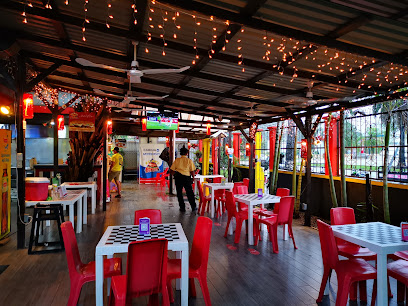
Sebas Restaurant
0.7 km
Experience authentic Honduran flavors at Sebas Restaurant in La Ceiba, where every dish tells a story of tradition and taste.
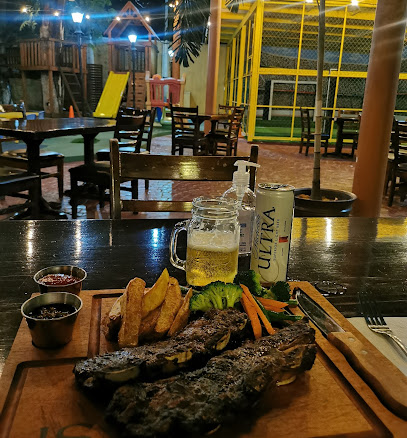
House kitchen
0.7 km
Discover authentic Honduran cuisine at House Kitchen in La Ceiba - where local flavors meet warm hospitality.
Malka Restaurante
0.7 km
Experience the authentic flavors of Honduras at Malka Restaurante in La Ceiba—where every meal tells a story.
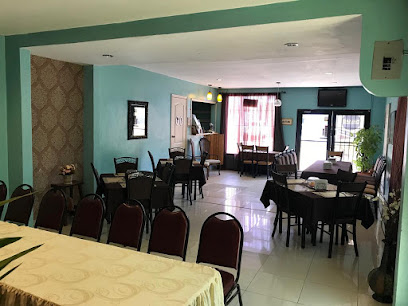
Samara Brunch and Cake
0.8 km
Discover delicious brunches, artisan pastries, and refreshing cocktails at Samara Brunch and Cake in La Ceiba – where flavor meets fun!
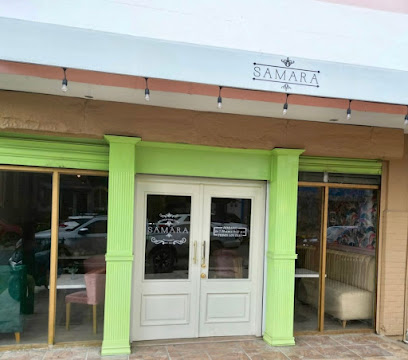
La Hacienda
0.8 km
Experience authentic Honduran flavors at La Hacienda in La Ceiba - where every meal is a celebration of local culinary traditions.
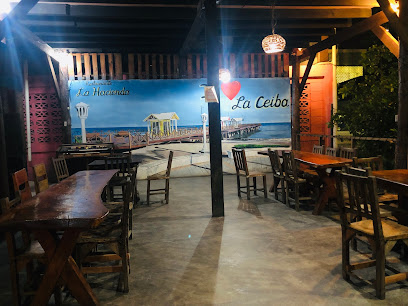
La Casa de las Parrilladas
0.8 km
Discover authentic Honduran cuisine at La Casa de las Parrilladas - a grill lover's paradise in La Ceiba's vibrant dining scene.
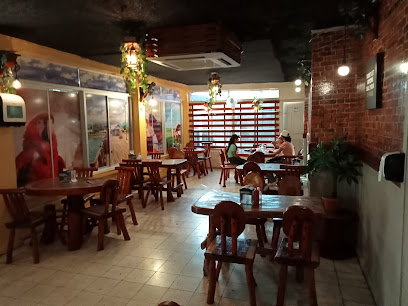
El Taquito Mexicano
0.9 km
Savor the vibrant flavors of Mexico at El Taquito Mexicano in La Ceiba – your go-to spot for authentic tacos, fajitas, and more!
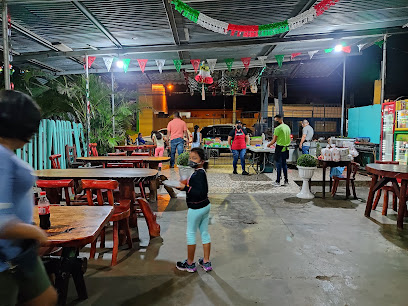
Panda Grill
0.9 km
Experience the rich culinary heritage of Honduras at Panda Grill in La Ceiba, where every dish tells a story.
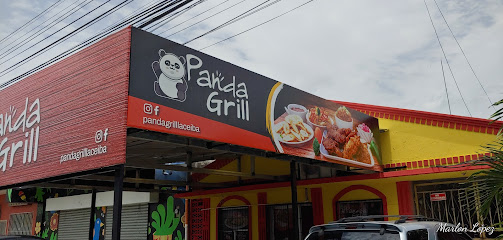
Markets, malls and hidden boutiques

Tiendas Marys Store
0.0 km
Explore unique women's fashion at Tiendas Marys Store in La Ceiba, where local culture meets contemporary style for a memorable shopping experience.
Intima Secret
0.0 km
Explore the vibrant fashion and unique designs at Intima Secret in La Ceiba, a must-visit clothing store for tourists seeking local style.
D'Kache american clothing
0.0 km
Discover D'Kache in La Ceiba for sophisticated American formal wear and exceptional service tailored for your special occasions.

Plaza los Angeles
0.0 km
Explore Plaza los Angeles, La Ceiba's shopping gem, where retail, dining, and entertainment blend in a vibrant atmosphere.
MALI Boutique
0.0 km
Discover MALI Boutique in La Ceiba: A treasure trove of authentic Honduran crafts and unique gifts that capture the spirit of this vibrant region.

El Compadre • La Ceiba Megaplaza
0.0 km
Discover unique styles and vibrant fashion at El Compadre in La Ceiba Megaplaza, where shopping meets local culture.
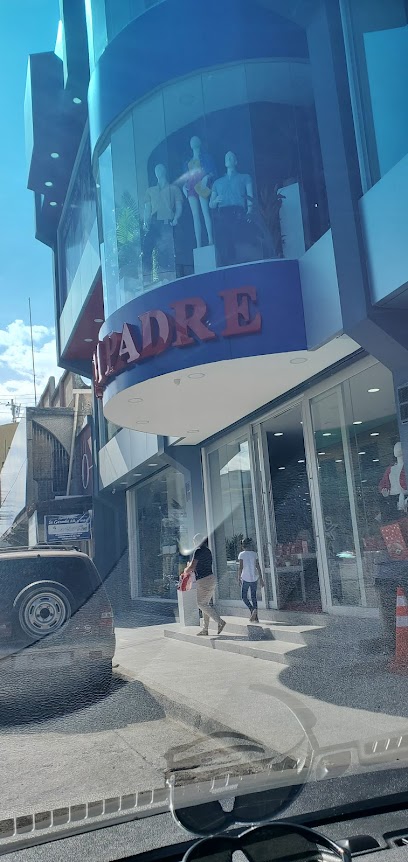
Tiendas Carrion Mall Megaplaza
0.1 km
Experience the vibrant shopping at Tiendas Carrion Mall Megaplaza in La Ceiba, where local culture meets modern retail.

Megapaca
0.1 km
Discover unique thrift finds at Megapaca, La Ceiba's premier used clothing store, where sustainable shopping meets vibrant local culture.

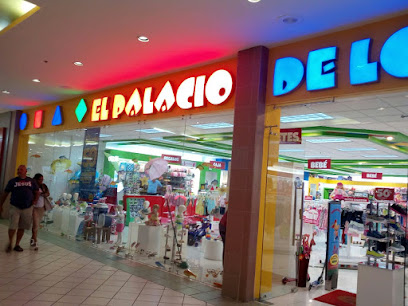
El Palacio de los Niños • Megaplaza La Ceiba
0.1 km
Discover a vibrant shopping haven for children’s fashion at El Palacio de los Niños in Megaplaza La Ceiba, perfect for stylish young wardrobes.
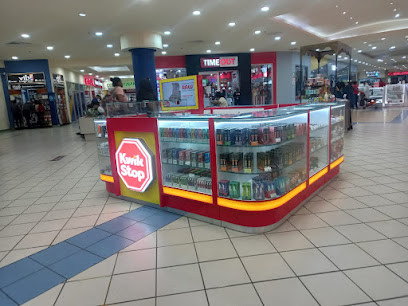
Kwik Stop | Smoke & Vape Shop | La Ceiba
0.1 km
Explore the best selection of vaporizers and accessories at Kwik Stop, La Ceiba's top destination for vaping enthusiasts.
Tiendas Katriny
0.1 km
Experience the vibrant fashion scene at Tiendas Katriny, La Ceiba's premier clothing store showcasing unique Honduran styles.
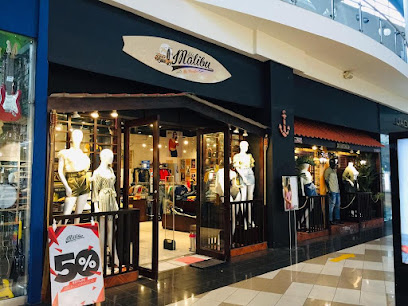
Malibu by Farajtex - Mall Megaplaza La Ceiba
0.1 km
Shop stylishly at Malibu by Farajtex in La Ceiba's Mall Megaplaza, where fashion meets local flair.
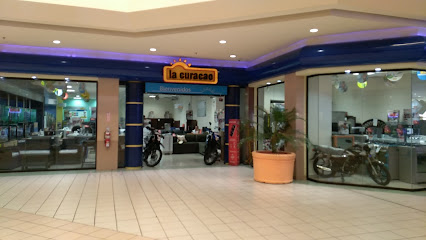
La Curacao • Megaplaza La Ceiba
0.1 km
Discover La Curacao in Megaplaza La Ceiba for quality appliances, stylish furniture, and home goods, all in a vibrant shopping atmosphere.
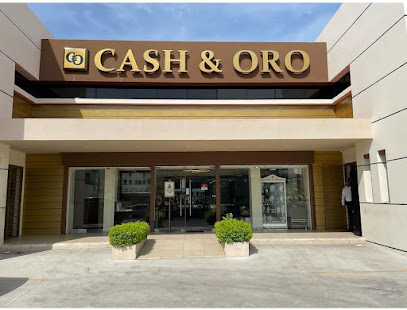
C&O Joyas
0.1 km
Discover unique handcrafted jewelry at C&O Joyas in La Ceiba, where local artistry meets vibrant design for the perfect souvenir.
Sportline • Megaplaza La Ceiba
0.1 km
Discover quality sporting goods at Sportline in La Ceiba's Megaplaza – your essential stop for all outdoor adventures.

Essential bars & hidden hideouts

DRINK HOUSE
0.2 km
Experience the vibrant nightlife at Drink House in La Ceiba, where local flavors and lively music create unforgettable moments.
Beer House Y La Esquina del Pollo
0.8 km
Experience La Ceiba's lively bar scene at Beer House Y La Esquina del Pollo, featuring delicious food, diverse beers, and vibrant live music.
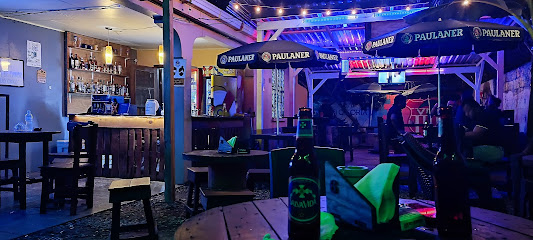
Cafiru Bar & Restaurant
0.9 km
Experience La Ceiba's nightlife at Cafiru Bar & Restaurant, where delicious food and vibrant ambiance meet for an unforgettable dining experience.
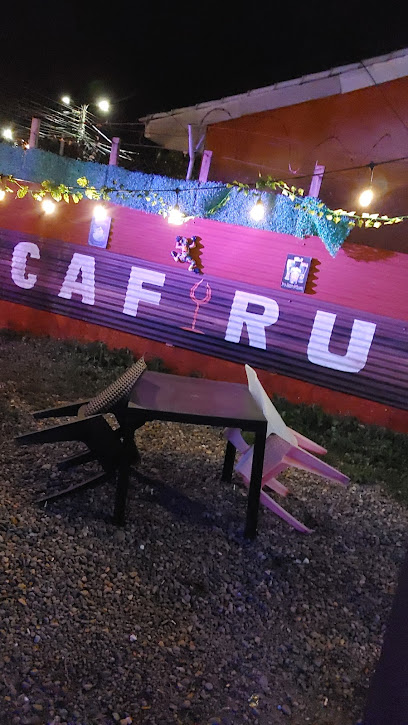
Bakan bar y restaurant
0.9 km
Experience the vibrant nightlife and authentic flavors at Bakan Bar & Restaurant in La Ceiba, Honduras.
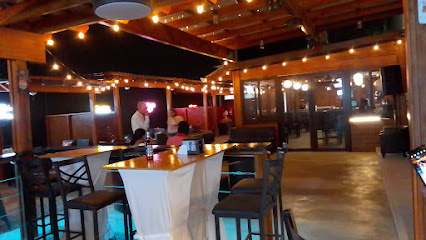
Los Pijazos
0.9 km
Discover the lively cocktail culture of La Ceiba at Los Pijazos, where expertly crafted drinks and a vibrant atmosphere await you.
BeerZone
1.0 km
Experience the vibrant nightlife of La Ceiba at BeerZone, where craft beers and cocktails meet a lively atmosphere.
MARQUITO'S PLACE
1.0 km
Discover the lively ambiance of Marquito's Place, where great drinks and vibrant nightlife await in La Ceiba, Atlántida.
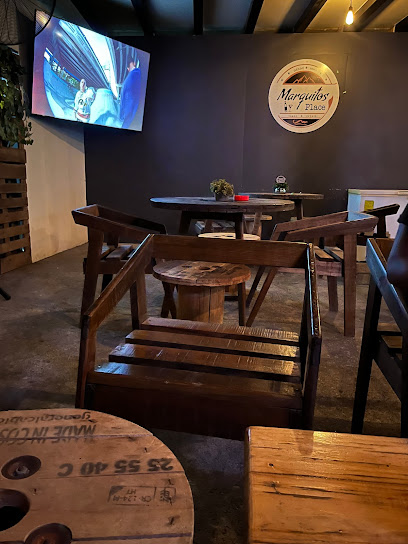
Luxor Lounge & Bar
1.2 km
Experience the vibrant nightlife of La Ceiba at Luxor Lounge & Bar, where lively atmosphere meets delicious drinks and unforgettable entertainment.
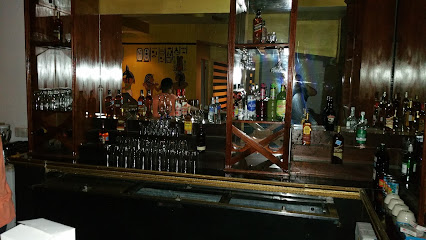
Mini Stop Bar & Grill
1.3 km
Experience the vibrant nightlife at Mini Stop Bar & Grill in La Ceiba, where local flavors and lively atmosphere create unforgettable memories.
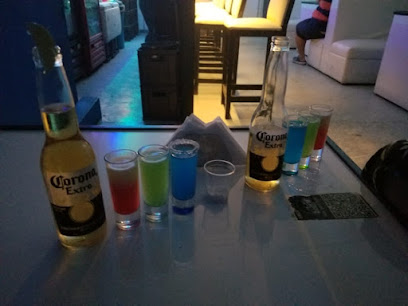
Yadira’s bar & grill
1.6 km
Discover the essence of La Ceiba at Yadira’s Bar & Grill, where delicious grilled dishes meet a lively bar atmosphere for an unforgettable dining experience.
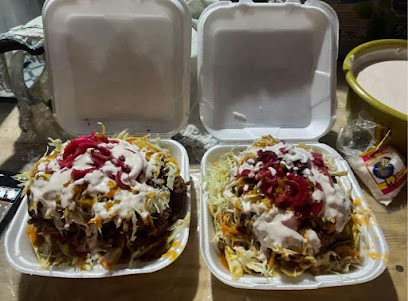
Cube Bar
1.7 km
Experience the essence of La Ceiba's nightlife at Cube Bar, where vibrant atmosphere meets delicious drinks and great company.
SOPRANOS BAR 0101
1.8 km
Experience the vibrant nightlife at Sopranos Bar 0101 in La Ceiba, where great drinks and local culture come together in a lively atmosphere.
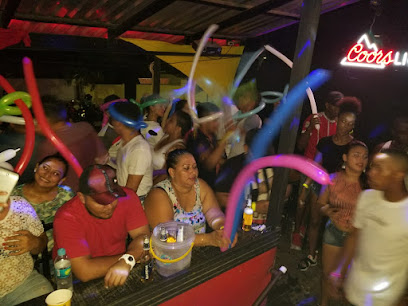
Mata de Chata
1.8 km
Experience the lively atmosphere of Mata de Chata, a top bar in La Ceiba, where delicious drinks and good vibes await every visitor.
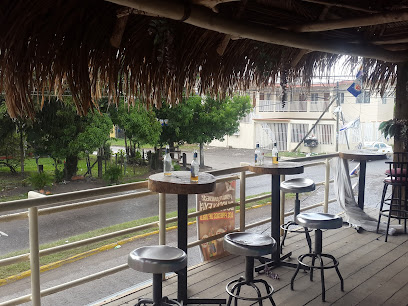
Atlantis Bar & Piscina
1.9 km
Discover the perfect blend of relaxation and vibrant nightlife at Atlantis Bar & Piscina, La Ceiba's premier poolside retreat.
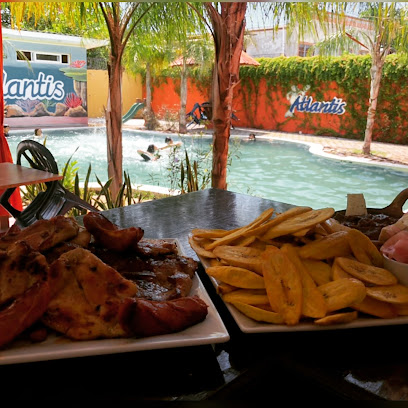
bar el africano
1.9 km
Experience the vibrant nightlife of La Ceiba at Bar El Africano, where local culture meets delicious drinks and lively entertainment.
Nightclubs & after hour spots

Callejón de las familas fun,her,Gotay
1.0 km
Experience the vibrant nightlife of La Ceiba at Callejón de las Familas Fun, where music and culture come alive in a lively atmosphere.
Restaurante Acropolis
2.4 km
Experience the vibrant flavors of La Ceiba at Restaurante Acropolis, where local cuisine meets international delights in a charming atmosphere.
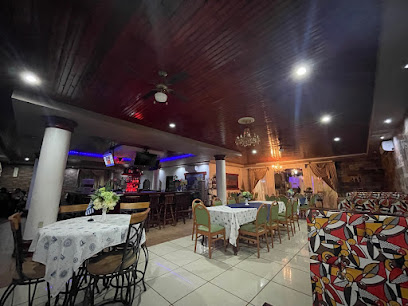
Fantasy Night Club
2.9 km
Experience the vibrant nightlife of La Ceiba at Fantasy Night Club, where music, dancing, and unforgettable memories come alive.
Villalta
4.0 km
Discover the lively ambiance and unique local flavors at Villalta, the ultimate bar experience in La Ceiba, Atlántida, Honduras.
Billar Ortiz
6.8 km
Discover the vibrant nightlife of La Ceiba at Billar Ortiz, a lively bar offering local drinks, billiards, and a welcoming atmosphere.
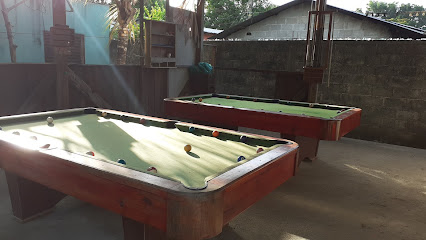
Tiger Bar HCM
7.6 km
Discover the lively atmosphere of Tiger Bar in La Ceiba, where refreshing drinks and local culture blend for an unforgettable night out.
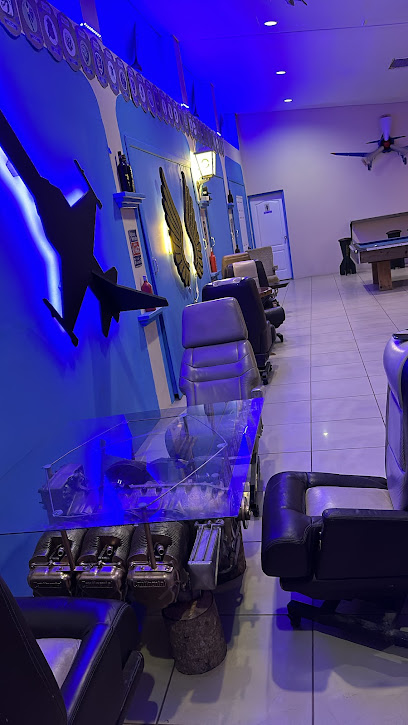
Donde el Socio
8.7 km
Experience the vibrant nightlife of La Ceiba at Donde el Socio, where delicious drinks and a lively atmosphere await every visitor.
Impactos Discotec
11.0 km
Dive into the heart of El Porvenir's nightlife at Impactos Discotec, where music, dance, and culture unite for an unforgettable experience.
El Puma
13.9 km
Discover the vibrant nightlife at El Puma, a local bar in Atlántida offering an unforgettable blend of drinks, music, and a friendly atmosphere.
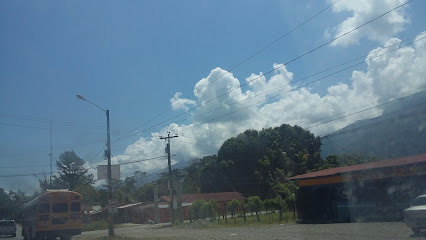
Centro Comunal Santa Barbara
36.9 km
Experience the vibrant nightlife of Jacualtuste at Centro Comunal Santa Barbara, a lively night club in Yoro that promises unforgettable moments.
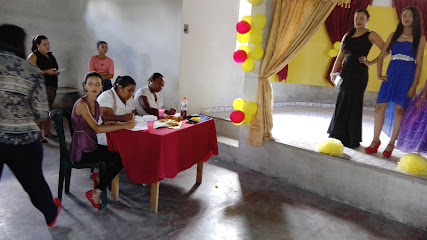
La Isla
38.0 km
Discover the vibrant nightlife of Utila at La Isla, a premier club offering unforgettable music, dancing, and a taste of local culture in a tropical paradise.
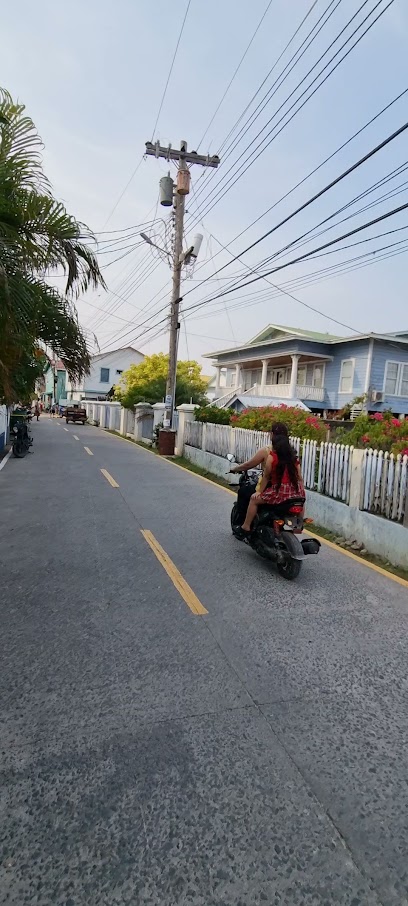
Taboo Discotec
38.8 km
Discover the electric atmosphere of Taboo Discotec, a top disco club in Olanchito, ideal for dancing, drinks, and vibrant nightlife.
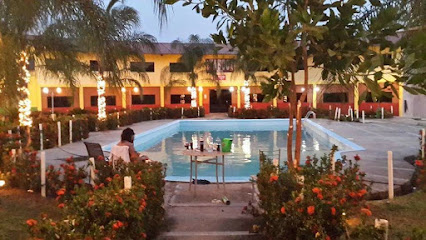
LaRumbaDiscotec
40.3 km
Experience the vibrant nightlife at La Rumba Discotec in Olanchito, where dance, music, and unforgettable moments await.
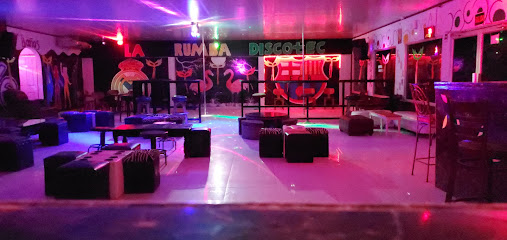
Cabañas Laru Beya
40.8 km
Experience the serene beauty of Cabañas Laru Beya, a cozy cottage retreat in Cayos Cochinos, perfect for relaxation and adventure amidst stunning natural landscapes.
Ibiza Disco, Bar And Grill
48.7 km
Discover Ibiza Disco, Bar And Grill - the ultimate nightlife destination in San Juan Pueblo, Atlántida, where exquisite food meets electric music.